Join More Than 50,000+ Subscribers and get latest camera news and rumors
NEW CAMERA VIDEOS ON YOUTUBE
|
By admin, on October 22nd, 2025
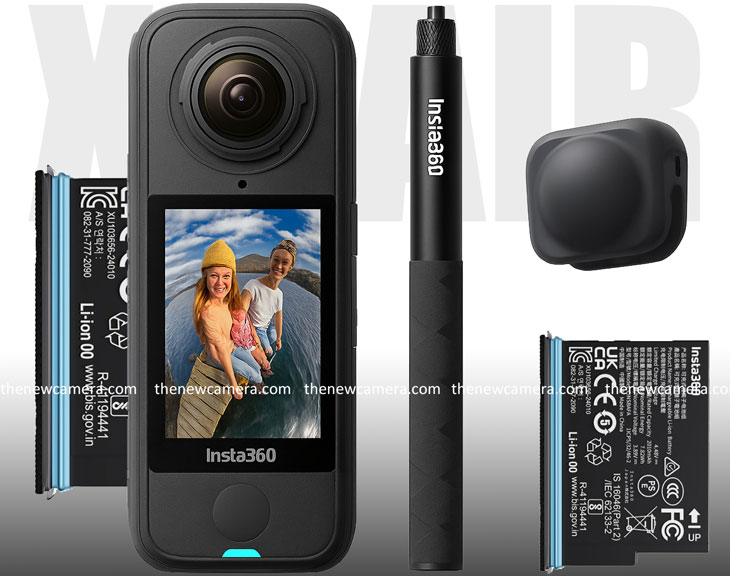
The Insta 360 X4 Air is a lightweight budget 360 camera; even though it’s a beginner camera, it does have a swappable battery system like the Insta 360 X4, but it has 70% less weight with a built-in battery that allows you to record 8K videos up to 1 hour and 30 minutes, for a total runtime. The Insta 360 X4 Air has a tagline of – “Pack light, shoot 8K” – delivering flagship-level performance in a Budget body that’s primed for vlogs, and on-the-go adventures. In this article, we will cover in detail the Insta360 X4 Air: from its detailed set of core specifications, as well as its pricing, to how it stacks up against the original X4 (Specs comparison between both cameras). Stay ahead of the curve – the worldwide launch is set for October 28, 2025.
What Is the Insta360 X4 Air? A Quick Overview
The Insta360 X4 Air is a next-gen 360° camera, specifically designed for beginners looking for a budget 8 K 360 camera, offering maximum portability and creative freedom. The X4 air isn’t similar in terms of core specification compared to the original (OG) X4 camera. The Insta360 X4 Air prioritizes portability and budget, but at the same time, despite being tagged as an entry-level or beginner’s 360 Camera, it does record HQ 8K videos. As we mentioned at the beginning, this is ideal for users who prioritise lightness over modularity. At just 165g and with dimensions of 46 x 113.8 x 37 mm, it’s about 70% smaller than its predecessor, perfect for mounting on drones or clipping to everyday gear.
Specification-wise, in the Insta360 X4 Air, we have dual 1/1.8-inch CMOS sensors to capture 8K 360° video, Insta360’s popular FlowState stabilisation for buttery-smooth footage, and the signature Invisible Selfie Stick effect for impossible angles. On the other hand, despite having a lightweight body, the X4 AIr is it gains in robustness with reinforced waterproofing up to 15 meters, compared to 10m for the X4.
Insta360 X4 Air Full Specifications
The X4 Air is said to feature Dual 1/1.8-inch CMOS sensors, an f/1.95 aperture, with 8K Video recording capability. Here is the full specification of the Insta360 X4 Air
| Category |
Specification Details |
| Sensor |
Dual 1/1.8-inch CMOS sensors, f/1.95 aperture, 6.4mm equivalent focal length |
| Shutter Speed |
1/8000s |
| Photo Resolution |
72MP (DNG/RAW support) |
| Video Resolution |
8K 360° at 30fps; supports INSP/INSV formats |
| Stabilization |
FlowState stabilization, 360° horizon lock, Invisible Selfie Stick mode |
| Connectivity |
Bluetooth Low Energy 5.2, 802.11ac Wi-Fi, USB 3.0 Type-C, microSD card slot |
| Battery |
2,010 mAh built-in (swappable), up to 90 minutes runtime, full charge in 57 minutes (9V/2A) |
| Durability |
15m splash resistance |
| Dimensions & Weight |
46 x 113.8 x 37 mm, 165g |
| Colors |
Arctic White, Graphite Black |
| Other Features |
Simplified button layout, app integration for reframing and AI editing |
If ur looking for a versatile tool, then for sure Insta 360 is an excellent choice for creating 8k videos, but what are the major differences between the Insta360 X4 Air and the OG , lets find out, starting from the sensor size, the X4 Air has slightly smaller sensor size (compared to the X4’s 1/1.2-inch), but despite of that, it still delivers sharp 8K output with low-light tweaks via software.

Insta360 X4 Air vs. Insta360 X4: Key Differences
Form factor, portability, budget vs video quality, which one do you prefer more? Here’s a side-by-side comparison to help you decide:
- Size & Weight: The Insta360 X4 Air is 70% more compact compared to the X4 (OG) (165g vs. X4’s ~203g)
- Sensor Size: 1/1.8-inch on Air vs. larger 1/1.2-inch on X4 – expect slightly better low-light on the original at low-light and night shoot, for sunny day shoot, both sensors are highly usable
- Battery: The Lightweight X4 Air’s built-in 2010mAh lasts 90 minutes (best for shorter city-to-city ride/street vlogs capture) (swappable for sleeker profile); X4 offers longer runtime (~135 minutes) with hot-swappable batteries (wth X4 original, you have to just swap batteries after 135 min and continue recording).
- Durability: Both handle splashes, but X4 edges out with 10m waterproofing (Air is splash-only without a case).
- Price: Air starts lower (~$350 launch price est. vs. X4’s $500 launch price), targeting budget-conscious users.
- Shared Strengths: 8K 360° video, FlowState gimbal-like stabilisation, and Invisible Selfie Stick on both.
If you’re upgrading from an X3 or older, the Insta360 X4 Air’s refinements make it a no-brainer for lightweight shoots and also come in budget. For professional style, longer hours of shooting get the X4 and X5
Pricing and Availability: When Can You Get the Insta360 X4 Air?
Excitement is building, but patience is key:
- Launch Date: Insta X4 Air Official announcement date October 28, 2025 – worldwide rollout, excluding Canada and the US initially (those markets follow shortly after).
- Pricing:
- ~$350 launch price est (USA)
- Base Model: €399.99 (~$350 USD estimated).
- Starter Pack (with additional accessories, including mounts): €429.99.
- Where to Buy: Pre-orders to pop up on Insta360’s official site and retailers like Amazon and B&H Photo soon after announcement.
Insta360 X4 Air is a perfect balance of price and features. If ur looking for a budget and lightweight 360 camera, then for X4 Air can be a perfect choice for you. Since the 8K 360° becomes the gold standard for VR and social media, it’s an awesome tool to start your 360 vlog journey.
ABout the author: The article “Insta360 X4 Air: Leaked Specs, Pricing, and Release Date for the Ultimate Compact 8K 360° Action Camera” written by thenewcamera.com team on 6:05 am, Wednesday, 22 October 2025, Greenwich Mean Time (GMT) | Follow us for more updates and Get LIVE RUMORS –> FACEBOOK | TWITTER | INSTAGRAM to get live news — > get live Drone news + DJI Rumors


By admin, on August 8th, 2025

If you are looking for the best 8K 360 action camera in 2025, you have the DJI Osmo 360 as well as the Insta360 X5. In this particular article, we are going to compare both. One features a larger 1-inch sensor, and the other utilises 5th-generation technology — the Insta360 X5 is the fifth generation of the 360 action camera series. So, which one has superior technology and which one will give you clearer, better low-light HDR videos? We will compare both and determine which one is best suited for you.
Table of Contents
- Introduction
- Still Image Performance Comparison
- Video Performance
- 360 Video Performance
- Real-World Performance Insights
- Editing and Workflow
- Accessories and Ecosystems
- Conclusion: Which 8K 360 Camera Wins in 2025?
Who captures better still images — the DJI Osmo 360 or the Insta360 X5?
The Insta360 X5 is actually marketed as an 8K 360-degree action camera, and on the other side, we have the DJI Osmo 360, which uses a larger 1-inch sensor. So let’s have a quick look at the major features of both, and then we will compare.
Still image performance comparison
- DJI Osmo 360 — high-resolution powerhouse – Let me explain why. The reason is that the DJI Osmo 360 uses dual 1-inch sensors to deliver stunning 120 MP high-resolution images. The images have the highest possible amount of detail due to the 120 MP resolution, and at the same time, they are captured on the largest sensor area. The shadows and highlights are very well controlled, and the camera also has a Super Night mode that shines in low light and produces ultra-clean images with minimal grain or noise, whatever you call it. So the DJI Osmo 360 is an ideal camera for those who are professional photographers and love to have details with less noise in their JPEG outputs, although that also creates limited flexibility.
- Insta360 X5 — the flexible editing master – The Insta360 X5 is limited to 72 MP still images, and most of the processing of the Insta360 X5 is done in-camera. The images of the Insta360 are also vibrant in colour and offer low noise, especially if you use single-lens mode. The Insta360 also offers RAW DNG support. Overall, having a smaller sensor is a bit less effective in low-light scenarios, where the DJI Osmo 360 holds up very well.
Still Image Comparison Table
| Feature |
DJI Osmo 360 |
Insta360 X5 |
| Image Sensor |
1″-Type CMOS (2 Lenses) |
1/1.28″-Type CMOS (2 Lenses) |
| Sensor Resolution |
120 MP (15,520 x 7,760) |
72 MP (11,904 x 5,952) |
| Still Image Format |
JPEG |
DNG / INSP |
| Maximum Resolution |
120 MP, 30.72 MP (6400 x 4800) |
72 MP, 18 MP (5,888 x 2,944) |
Verdict — The DJI Osmo 360 is the best high-resolution 360-degree camera, especially if you love to shoot still images in low-light situations, whereas the Insta360 X5 offers RAW images and single-lens versatility. But I will give more marks to DJI at this moment due to the presence of a larger sensor and better low-light sensitivity, combined with high resolution.
Video performance
- DJI Osmo 360 — cinematic versatility – The DJI Osmo 360 camera offers 8K video recording up to 50 frames per second and 4K videos up to 120 frames per second in single-lens mode. It delivers cinematic footage with 10-bit D-Log M, enabling professional grading in the recorded file. As you know, the DJI Osmo 360 uses a larger 1-inch sensor, and that leads to cleaner low-light 360 footage. Even the shadows have details, and the bright areas (highlights) also exhibit a greater amount of detail due to the better dynamic range of the sensor.
- Insta360 X5 — quick and vibrant – The Insta360 X5 records 8K videos at 30 fps, further enhanced by PureVideo AI noise reduction. When we use this specific software, which is available in the Insta360 5th generation camera, it cleans up noise in the entire video. It performs exceptionally well in low-light environments, especially when using single-lens mode. The second thing we have is Adaptive Tone Mode, which balances the colour instantly. Since Insta360 has been making 360 cameras for years and this is their 5th generation camera, in-camera software noise reduction is very refined — Insta360 X5 performs really very well.
Video Comparison Table
| Feature |
DJI Osmo 360 |
Insta360 X5 |
| Max Video Resolution |
7680 x 3840 (8K) @ 25/30/48/50 fps |
7680 x 3840 (8K) @ 30/25/24 fps |
| Video Format |
MP4 (H.265/HEVC), 10-bit D-Log M |
MP4 (H.265/H.264), 180 Mb/s |
| Frame Rates |
Up to 240 fps (3840 x 960) |
Up to 120 fps (4K) |
| Single-Lens Modes |
4K120 (170° FOV), 5K60 (155° FOV) |
4K60, MaxView 4K30 (170° FOV) |
Verdict — As you know, the DJI Osmo 360 camera features a larger sensor as well as higher frame rates while recording 4K videos. And you also get broader dynamic range, giving you more opportunity to work with shadows and highlights while color grading. On the other side we have the Insta360 X5 — it excels for quick, vibrant footage with AI enhancements. So if you want fast footage that looks really good out of the camera, then Insta360 X5 should be your priority.
360 video performance
- DJI Osmo 360 — professional-grade immersion – The DJI Osmo 360 camera has the advantage of recording 8K videos at 50 frames per second, paired with HorizonSteady and RockSteady 3.0 image stabilization. With the help of these advanced EIS systems, the DJI Osmo 360 is able to deliver ultra-smooth footage.
The only issue someone may face is external stitching in the workflow.
- Insta360 X5 — seamless creativity – The Insta360 X5’s 8K video recording mode is limited to 30 frames per second, although it also delivers smooth footage while recording 360 video. The other advantages we get are AI reframing modes, time-lapse, and 8K TimeShift. All these are vibrant modes developed over time depending on user demand. The most important thing is the in-camera stitching of multiple files, which simplifies the editing process — something that is missing in the DJI Osmo 360. They may bring it with an update or maybe in the next version. Some people find it useful to edit manually, but for those who love fast-paced editing, the Insta360 is the call.
360 Video Comparison Table
| Feature |
DJI Osmo 360 |
Insta360 X5 |
| Field of View |
360° |
360° (170° per lens) |
| Max Resolution |
7680 x 3840 (8K) @ 25/30/48/50 fps |
7680 x 3840 (8K) @ 30/25/24 fps |
| Stitching Method |
External program required |
In-camera or app-based |
| Special Features |
HorizonSteady, RockSteady 3.0 |
AI reframing, 11K time-lapse |
Verdict — Overall, the DJI Osmo 360 is professional-friendly, offering a larger sensor and faster frame rates for more control over the workflow. At the same time, the Insta360 X5 prioritises creators’ time and gives you basic in-camera stitching modes and preloaded software features that help you speed up your workflow.
Real-world performance insights
Low light and weather performance
- DJI Osmo 360 — The camera features a larger 1-inch sensor and Super Night mode, producing clean and grain-free footage in rainy, overcast nights, especially when you face situations with strong shadows and highlights.
- Insta360 X5 — PureVideo mode. The Insta360 X5 is powered by dual AI processors, and that’s why, despite having a smaller sensor, it is able to deliver clear and vibrant low-light footage when used in single-lens mode — and it does it very effectively.
Battery life
- DJI Osmo 360 – Features a 1950 mAh battery offering around 100 minutes of recording time while using 8K video.
- Insta360 X5 – Features a 2400 mAh battery that delivers 88 minutes of backup while recording 8K and approximately 185 minutes of backup while recording 5.7K in Endurance mode.
- Standby battery power consumption is better managed in the Insta360 X5. The Osmo 360 needs an update to improve its battery efficiency performance.
Audio performance
- DJI Osmo 360 — Features 4-channel AAC audio capability and has DJI Mic / Mic 2 compatibility, so you don’t need any extra receiver. You just buy the DJI wireless microphones and they will automatically pair with the DJI Osmo 360 camera.
- Insta360 X5 — Has Wind Guard and intelligent audio mode so your sound is clear in windy conditions, but it doesn’t support any external microphone like the Osmo 360 does.
Battery and Audio Comparison Table
| Feature |
DJI Osmo 360 |
Insta360 X5 |
| Battery Capacity |
1950mAh, ~100 min at 8K |
2400mAh, ~88 min at 8K, ~185 min Endurance |
| Battery Test |
92% after filming, 84% overnight |
97% after filming |
| Audio |
4-channel AAC, DJI Mic support |
Wind Guard, intelligent audio |
Verdict — Insta360 X5 offers better battery life due to better battery management during standby mode. In audio, DJI Osmo 360 excels because of its external microphone capability. In low light, the camera with the larger sensor will perform better.
Editing and workflow
- DJI Osmo 360 — DJI Studio and Mimo provide excellent subject tracking and locking onto moving or running subjects. 3D object tracking works flawlessly in DJI Studio or the Mimo app. But while editing the DJI Osmo 360 files, the limited reframing options and odd file naming in DJI Studio sometimes hinder the workflow. Although we do have an option to use the Adobe Premiere plugin – that’s a plus point.
- Insta360 X5 — Insta360 Studio’s underwater colour tuning is exceptional, turning everything into vivid, true-to-life colours. Other than this, ND filter correction and AI Frame automatically frame your shots accurately. Since the Insta360 X5 is the 5th generation of the Insta360 series, in this time they have developed their app very well, so a user can easily process files without any hassle.
Verdict — The Insta360 X5 editing suite is much more mature and user-friendly. The DJI Osmo 360 excels in tracking and low-light performance, and it also has the basic editing tools a camera should have, but over time it will evolve — not as simple as Insta360 Studio right now.
Accessories and ecosystems
- DJI Osmo 360 — We have already listed the top 10 best accessories for the DJI Osmo 360 camera, including a battery grip that enhances performance. This is just the beginning — very soon we will have multiple third-party accessories for this camera. Ecosystem-wise, DJI is mature and offers cross-system connectivity, including integration of their wireless mics with the camera.
- Insta360 X5 — Right now, there are lots of third-party accessories available for the Insta360 X5, so you can easily mount your X5 on a motorcycle, bike helmet, or anywhere else. Since a lot of third-party accessories are available, accessories-wise the Insta360 X5 is a clear winner — but ecosystem-wise, DJI Osmo wins.
Conclusion — which 8K 360 camera wins in 2025?
The DJI Osmo 360 delivers exceptional still images and 8K50 video with its larger 1-inch sensor, so you will be getting professional-grade quality output from this tiny camera in ultra-low light or bright conditions. However, when it comes to editing, external stitching of multiple files may not be convenient for some users since it takes more time. On the other hand, the Insta360 X5 does in-camera stitching, and the app also supports AI-driven editing.
Final verdict
- DJI Osmo 360 — One of the best professional 360 cameras ever made. It requires a bit more time in editing, but the overall footage, low-light performance, and cinematic video quality are the best, irrespective of the complex workflow. If you can handle it, this is the best.
- Insta360 X5 — Best for vloggers and content creators who do not want to spend much time in editing and love to have simple, easy-to-set-up 360 video for day-to-day travel coverage. Best for easy editing and a simple workflow.
So that’s the detailed comparison between the two cameras. Let me know if you have questions. Thank you very much for reading this article — stay updated with thenewcamera.com.
At TheNewCamera.com, we’re dedicated to keeping you informed about the latest camera news. The article “DJI Osmo 360 vs Insta360 X5 – 2025 Comparison” was published on7:04 pm, Friday, 8 August 2025, Greenwich Mean Time (GMT) by thenewcamera.com team | Follow us on our social pages FACEBOOK | TWITTER | INSTAGRAM to get live Drone News+


By admin, on August 1st, 2025

ARRI Alexa 35 XTREME camera has been announced. ARRI is known for making high-end digital cinema cameras, redefining high speeds in cinematography, and the new ALEXA 35 XTREME redefines everything. So, let’s explore the core specifications, price, and major features of the recently announced camera.
ARRI Alexa 35 XTREME Price
The ARRI Alexa 35 XTREME Base Entry Set is priced at $54,590, and even though it is offering a cost-effective entry into the ARRI high-end ecosystem, good news for ARRI Alexa 35 owners — if you want to upgrade your existing setup to the XTREME, then you have to spend approximately $17,300 for that, so your camera will be updated to the 35 XTREME. Now let’s talk about the major core specifications of the camera.
ARRI Alexa 35 XTREME Specifications
The Alexa 35 XTREME uses a Super 35 format sensor. So, for those who are actually mirrorless users, let me help you understand that a Super 35 sensor is actually APS-C size — near about — not a full-frame. Now, jumping to the major core specs of the camera:
- Sensor: The Super 35mm sensor captures 4.6K super videos and delivers up to 17 stops of dynamic range. You can capture 4.6K videos up to 330 frames per second at 11 stops, and in Overdrive mode, the speed scales to 660 fps.
- Recording Formats: 19 ARRI RAW and Apple ProRes formats. The camera records in 422 and high-quality 4444, 4444 XQ, with supporting resolutions up to 4.6K. Also supports MXF/ARRICORE and MXF/Apple ProRes.
- Codec: ARRI CORE RGB codec (beta) that records high-quality videos at lower data rates, compatible with the existing Alexa 35 workflow.
- Pre-Recording Options: The camera records up to 30 seconds of 4.6K Open Gate clips at 24 frames per second in ProRes 4444, or up to 5 minutes in HD.
- ISO Range: EI from 160 to 6400, and in Enhanced Sensitivity Mode you are getting EI 2560 to 6400.
- Storage: Supports Codex Compact Drive (1TB, 2TB) and Codex Compact Drive Express 1TB (ProRes only).
- Lens Mount: LBUS LPL mount with PL-to-LPL adapter for compatibility with a wide range of cine-style lenses.
- Wireless Connectivity: Wi-Fi with 5GHz compatibility, mesh network roaming, and auto-reconnect features.
- Power Consumption: 10% lower than the ALEXA 35, with B-mount battery adapter for 12V/24V accessories.
- Interfaces: Includes 12G SDI outputs, Ethernet, timecode in/out, 12V/24V accessory power, and compatibility with AEM-1 audio module.
- Accessories in Base Entry Set: CCM-1 control monitor, BUD-1 utility dovetail, BPA-6 bridge plate adapter, CCH-4 top handle, UAP-3 plate, B-mount battery adapter.
ARRI Alexa 35 XTREME High-Speed Performance – Features Explained
The camera is able to record 4.6K videos up to 660 frames per second in Overdrive mode, which is literally impossible for pro cinema cameras out there, and at the very same time, it eliminates the need for having dedicated higher frame rate cameras like Phantom Flex. At 330 frames per second, it maintains up to 17 stops of dynamic range, so you will get an exceptional amount of details while shooting even at 330 fps.
With the XTREME 35 edition, ARRI also announced the ARRI CORE codec (beta version). While using this particular codec, it significantly reduces the data rates compared to the traditional codecs that we use, and at the very same time, it doesn’t affect the quality or the flexibility in post-production — by maintaining all its compatibility with the Alexa 35 workflow. That also includes ARRI Textures, metadata, and MXF wrappers. Even though it supports most of the third-party tools, the integration is completely seamless.
The breakthrough technology that arrives with the XTREME version is the pre-recording — 4.6K in ProRes 4444, HD videos up to 5 minutes in ProRes high quality. Now, the thing that I like about the wireless connectivity in this particular edition is the auto-reconnect functionality. If the camera gets disconnected from the network, it automatically tries to reconnect with the network every single minute.
ARRI RAW is Not Free — Neither is Open Gate / Anamorphic or Even Pre-Record
Yes, you heard it right — the Base Entry Set comes with a Base License, and in the Base License, you are only getting ProRes recording up to 60 frames per second in 4K 16:9 format. Now, if you want to record ARRI RAW 120 fps @ 4.6K, or even if you want to record Open Gate / Pre-Record functionality — all these things require subscription. The plans start from 7 days to 30 days, or even they have annual plans and some permanent licenses are also available. But you have to pay extra.
What we have in this particular edition is that it is not very much cost-effective — even if you have invested $54,000 in a camera body, you still have to invest in software subscription to use all the set of features of the camera. And that’s really not a good thing.
Alexa 35 XTREME is a Powerhouse Addition – Without a doubt, it has loads of features that a professional cinematographer may even think to have in their camera. But it comes at a price tag of $54,590 — and it is being called the Base Entry Level model. After that, you have many customizations available here at B&H Store and ARRI Store. You can explore them at different price sets. But as we have discussed, to experience the full core specifications of the camera, you have to subscribe to each and every set of features you require — and that’s going to cost you again, much and much more.
I hope this kind of subscription idea should not reach Canon, Nikon, and Sony in either way — otherwise, using a mirrorless camera will become a nightmare.
Stay tuned for more updates
ABout the author: The article “ARRI Alexa 35 XTREME Price, Specification, and Major Features Explained” written and updated by thenewcamera.com team on 12:13 pm, Friday, 1 August 2025, Greenwich Mean Time (GMT) | Follow us for more updates and Get LIVE RUMORS –> FACEBOOK | TWITTER | INSTAGRAM to get live news — > get live news
By admin, on August 3rd, 2022
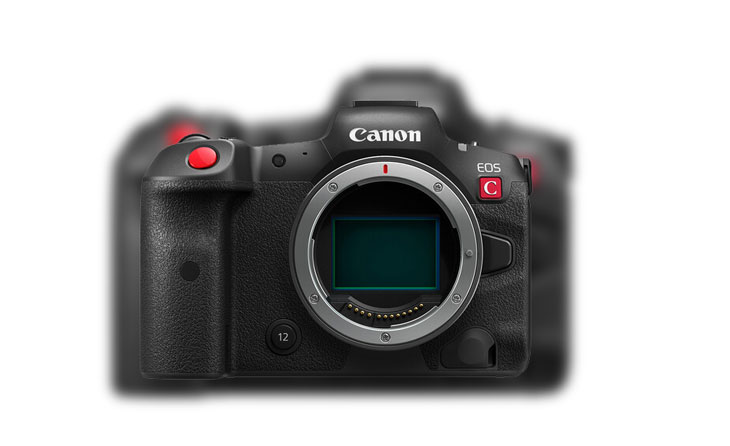
Canon R5C has everything to get Netflix approval except for a Full-Size HDMI port 😉 Just believe me, these are the mentioned below factors considered by the Netflix team while approving the camera for Netflix
Major Factors for Netflix approval
- Video Resolution
- Dynamic range
- Color reproduction,
- Noise performance
- Sensor readout speed
- Compression
- Chroma subsampling
- Bit-depth
- In-built Timecode compatibility
- No-Time Limit
- Overheating issue (if any)
other factors are also there, but these are the main
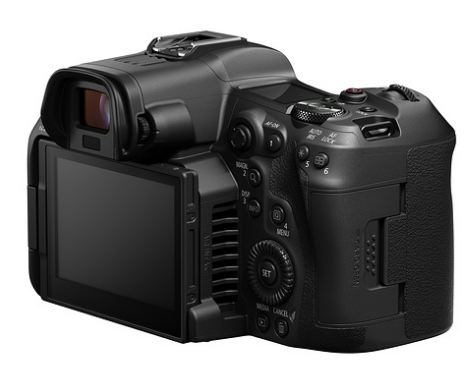
Canon R5C has all the bells and whistles
Yes, Canon R5 has all the bells and whistles to get Netflix approval, and maybe sooner or later will get the good news one day. Canon already added a built-in Time code function in the Canon R5C that even Sony FX3 was missing at the time of announcement and later on added by Sony via a firmware 2.0 update. If we talk about other features of R5C we have an 8K sensor with full readout, an active cooling system, no recording limit even at MAX RES, 10Bit internal recording option, and Dual gain ISO for better low light performance … the R5C has full potential to be in the NETFLIX-approved list of cameras. now, it’s a matter of time before we will get the good news.
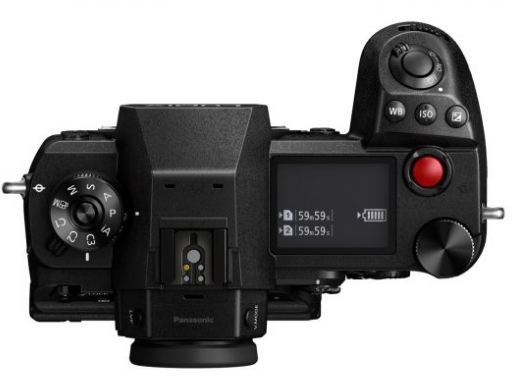
Why are only 2 Panasonic Consumer level Cameras (S1H and BGH1) approved by NetFlix?
Why was Panasonic S1H approved by Netflix and Panasonic S1 didn’t? Although both of them have a timecode port? the answer is Panasonic S1 suffers from overheating in 5.9K mode as well as also has a recording time limit.. which was the biggest issue in the line of approval.
Not only the Panasonic S1, but the Panasonic S5 can also record embedded timecode in MOV mode as well as has an anamorphic 4:3 option available. The S5 doesn’t have an active cooling system like the S1H, and combined with the more compact body video record times in 10-bit modes are limited to 30 minutes of continuous recording.
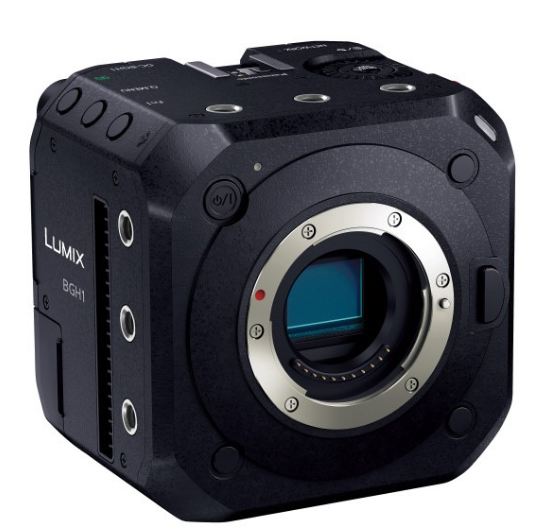
Panny BGH1 the most affordable NETFLIX approved ccamera
So, both the Panasonic BGH1 and Panasonic S1H have no overheating issues as well as any recording limit, they also feature a 10bit internal recording option with log profiles, Dual gain ISO, full sensor readout while doing videos, and the ability to sync with another camera in the set with dedicated timecode functionality.
Netflix Approval process decoded
Netflix needs cameras for production sets, Cameras with high-quality video recording capability, without any recording limit and free from overheating issues, also able to sync with each other via timecode easily, should have all the standard ports, and finally proper lens mount support… that’s the basic things a camera need to get Netflix approval
Cano, Sony, and Nikon should keep eye on these sets of specs that Netflix actually requires to approve cameras.
Support us – Use or affiliate link Amazon.com | B&H Store for the next purchase u make – it helps us
Follow us on our social pages FACEBOOK | TWITTER | INSTAGRAM to get live news
By admin, on August 17th, 2021
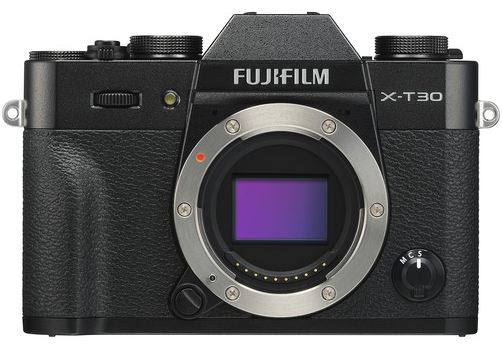
According to the latest rumors via rumor mills, Fuji X-T30 mark II coming this year on 2nd, September 2021. Fuji decided to keep the camera name Fuji X-T30 mark II and not Fuji X-T40. Maybe, just like Sony’s recent update patterns, Fuji will be doing the same. They will end up doing minor upgrades to the camera system.
We have one more possibility here, If Fuji X-S10 already reached the targeted sales record then we will some goodness from the X-S10 to Fuji X-T30. This includes the introduction of a Vari-angle screen and Sensor shift IBIS. But, at the same time as I have said earlier, the name X-T30 Mk II name doesn’t suggest a big change in core specs.
We will be posting more updates here.
Follow us on our social pages FACEBOOK | TWITTER | INSTAGRAM, –> See More Fuji Rumors Or subscribe us via Email or Push Notification You Can also Download our Android App
Source FR.com
By admin, on April 23rd, 2020
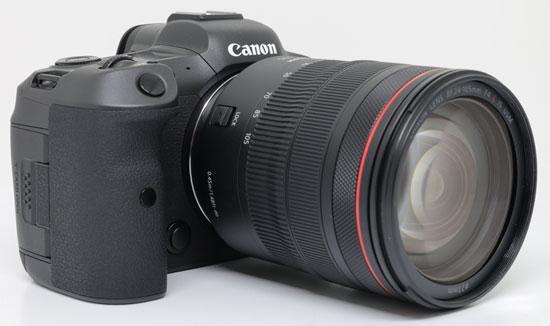
According to the latest rumors we have Canon EOS R6 is rumored to arrive in the month of May 2020. So, we have a slight change in the announcement time, since earlier it was rumored to arrive in the month of June 2020. Take a look at the rumored specifications of the camera
Canon R6 Announcement
- 20mp full-frame CMOS sensor
- IBIS
- 12fps mechanical and 20fps electronic.
- 4K @ 60p
- FullHD @ 120p
- Dual card slots
- No top-down screen
- Lower resolution EVF than the EOS R5
- Build quality not as good as the EOS R5
- New battery
- Expected arrival date –
June 2020 May 2020
Sources of the rumor mill also suggest that the camera will not use the Canon 1DX Mark III sensor. So, literally we now have two options
- Sensor resolution is the same but the DPAF is of the new generation.
- Both the Sensor resolution and the DPAF system are new.
More or less, as we always say Canon always keeps several prototypes under test to create a perfect camera.
Also, see- Canon Upcoming Cameras 2020
We will bring more updates to you as we get any new information.

Get LIVE RUMORS –> FACEBOOK | TWITTER | INSTAGRAM to get live news + Canon rumors 24X7
By admin, on February 21st, 2020
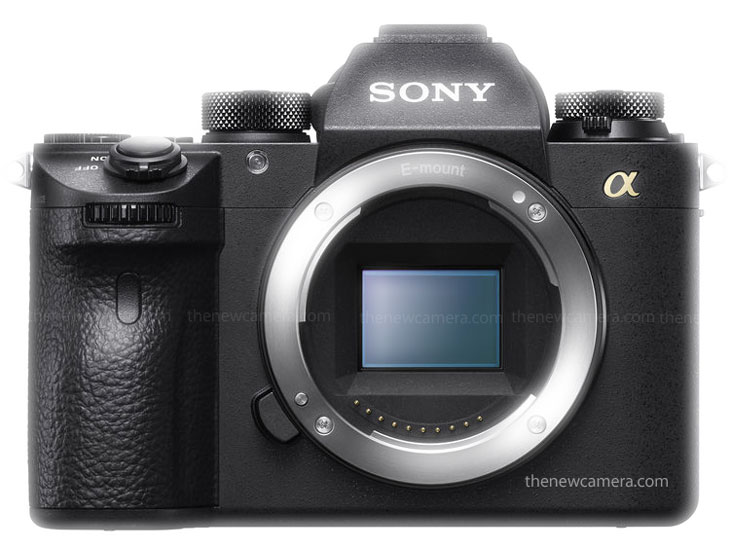 Sony A7000 creative image According to the latest rumors surfaced over the web from reputed rumor mills, Sony A7000 camera may use a brand new 43MP APS-C sensor developed by Sony. Recently Sony’s IMX671AQR sensor specs sheet leaked out. As per the specs sensor features 43MP resolution and is able to record 8K 12bit video too! Not only that, the newly developed sensor also has stacked DRAM and up to 16 bit depth for stills images.
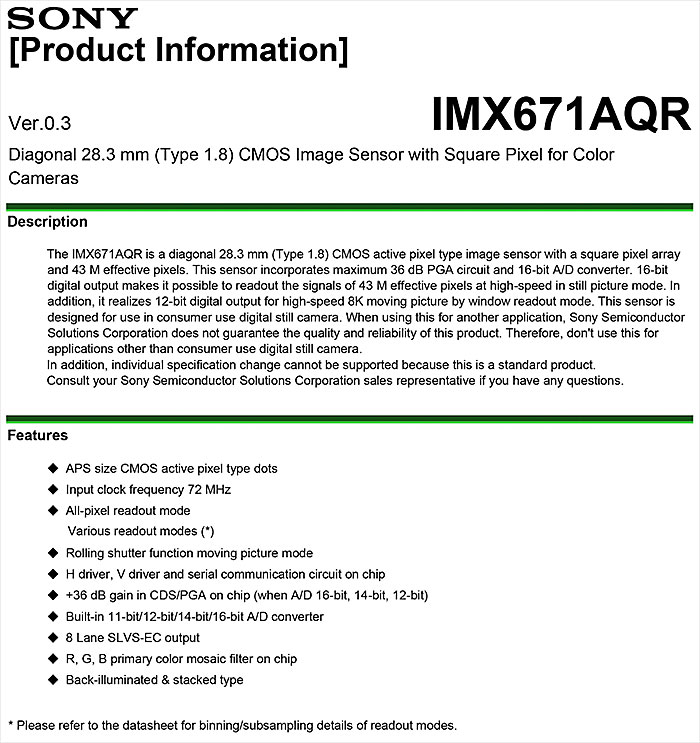 Well, Sony does have 48MP and it is designed for consumers digital cameras. So, this is a good chance we may see a 43MP Quad Bayer Sensor in the upcoming Sony A7000 flagship camera. Well, Sony does have 48MP and it is designed for consumers digital cameras. So, this is a good chance we may see a 43MP Quad Bayer Sensor in the upcoming Sony A7000 flagship camera.
SUBSCRIBE FOR LIVE UPDATES
Get LIVE RUMORS –> FACEBOOK | TWITTER | INSTAGRAM to to get live news — > –>see more Sony Alpha Rumor
|
KEEP THIS BLOG ALIVE - Support New Camera Buy Canon Lenses, Buy Music CD or Digital Camera at amazon it helps this site, and you do not pay anything extra, it is just a way to help support this site.

|