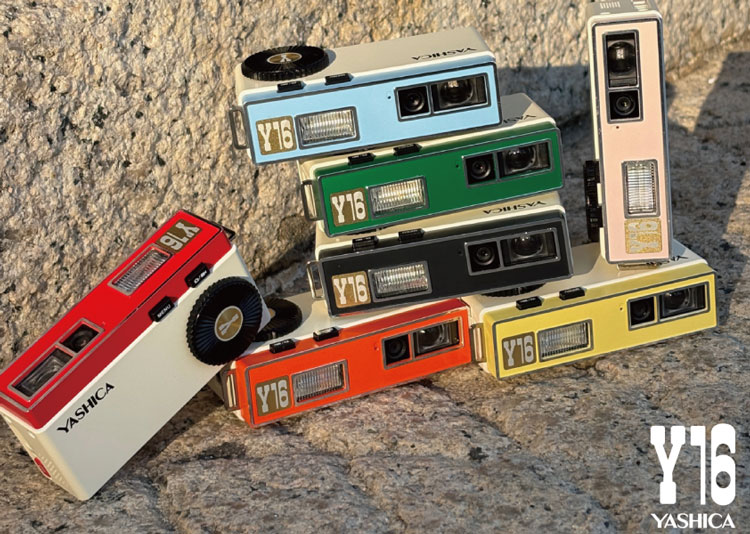
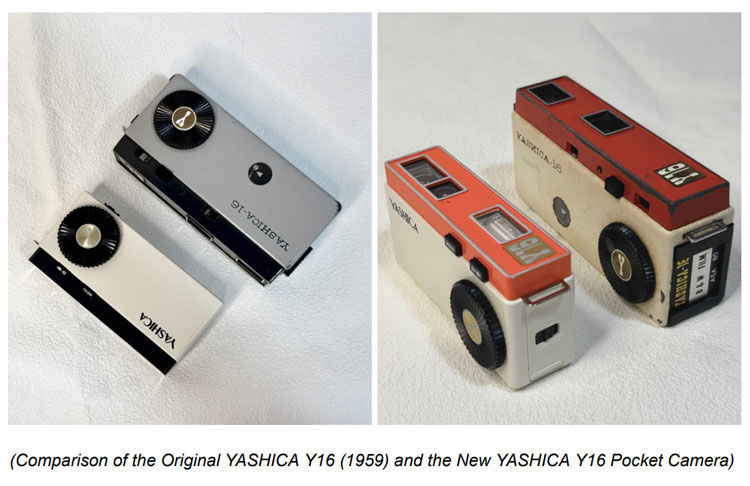
YASHICA has officially launched the YASHICA Y16 Pocket Camera, a palm-sized digital camera inspired by the original YASHICA Y16 16mm film camera from 1959. The design of the camera is very unique; for sure, someone who has already used a Yashica film camera would love to add this to his camera collection. The new model reinterprets the classic slim, colourful design for 2026 while adding digital photo and video capture, a three-level Xenon flash, and an optical viewfinder with eye-sensor technology.
Design and Concept
Not a film camera, the Y16 Pocket Camera measures 9.1 × 4.5 × 2.9 cm and weighs 93g with the battery. It keeps the distinctive flat silhouette of the 1959 original, making it easy to carry in a pocket or small bag. YASHICA positions it as both a photographic tool and a personal accessory, available in seven colourways.
The design is intended for everyday use — city walks, travel, spontaneous moments, and social situations — rather than as a technical replacement for a smartphone or a larger compact camera.
Key Features
Three-Level Xenon Flash
The camera has a built-in Xenon flash with Low, Medium, and High power settings. Recommended shooting distance with flash is approximately 50 cm to 2 m. YASHICA highlights direct-flash photography for portraits, group shots, and low-light scenes.
Optical Viewfinder with Eye Sensor
Raising the camera to the eye automatically turns off the rear LCD, encouraging users to compose through the optical viewfinder. The 1.45-inch rear screen remains available for reviewing images and menu access.
Photo and Video
Still images: 12MP (default) / 5MP JPEG
Aspect ratios: 4:3 and 16:9
Video: 4K at 22fps, 2.7K at 30fps, 1080p at 60fps, and 720p at 60fps/30fps (MP4)
ISO range: 100–6400 (Auto available)
Digital zoom: 4x
A physical filter dial gives access to eight creative filters.
Colour Options
The Y16 Pocket Camera is available in seven colours:
Baby Blue
Baby Pink
Butter Yellow
Green
Orange
Red
Black
Full Specifications
Feature
Details
Image Sensor
12MP
Focal Length
f = 4.05mm
Aperture
F/1.8
Focus Range
45 cm – ∞
Digital Zoom
4x
Viewfinder
Optical with eye sensor
Flash
Xenon (3 levels; recommended range ~50 cm–2 m)
Screen
1.45″ LCD
Photo Format
JPEG
Photo Resolution
12MP / 5MP
Video Format
MP4
Video Resolution
4K 22fps; 2.7K 30fps; 1080p 60fps; 720p 60/30fps
ISO
100–6400 / Auto
Filters
8
Battery
Removable 800mAh, 3.7V lithium
Dimensions
9.1 × 4.5 × 2.9 cm
Weight
93g (with battery)
Storage
microSD (8–256GB; 8GB card included)
Connectivity
USB-C
Pricing and Availability
Price: USD 119 (suggested retail)
Status: Available for pre-order now on yashica.com
Shipping: Expected to begin late November 2026
At the time of writing, the camera is listed only on the official YASHICA store. Regional pricing (including India) and third-party availability have not been announced.
Quick Take
The YASHICA Y16 Pocket Camera is a design-focused, low-cost digital camera built around a distinctive 1959-inspired body, real Xenon flash, and optical viewfinder. It is aimed at users who want a small, colourful camera for casual shooting and social use rather than maximum image quality or advanced features.
Pre-orders are open now, with first shipments planned for late November 2026.
The article “YASHICA Y16 Pocket Camera Officially Announced: Specs, Price, and Release Details” was written by thenewcamera.com team on4:47 pm, Friday, 16 October 2026, Greenwich Mean Time, Time in Washington, DC, USA| You can also follow us on Our Official Social Media HandlesFACEBOOK | TWITTER | INSTAGRAM to get live news — >live Camera News + Canon Rumors 24X7.
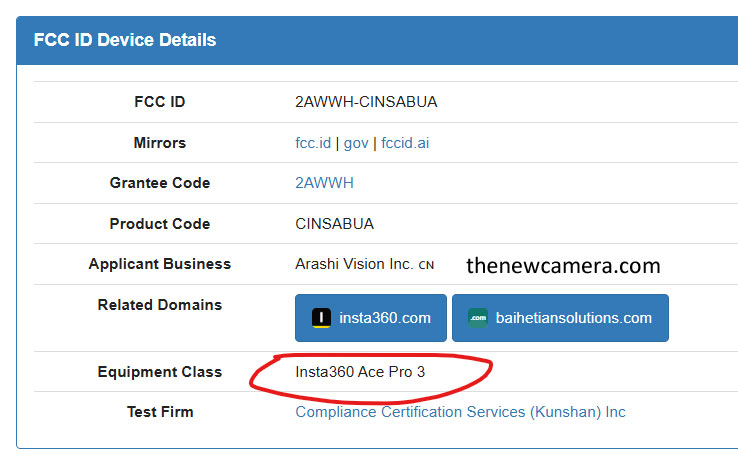
We first reported the hard confirmation of the Insta360 Ace Pro 3 on 13 October after spotting its FCC filing. Japanese media later covered the same documents and credited The New Camera. Now a new regulatory detail has surfaced from the filing: the battery capacity.
FCC Confirmation Recap
On 29 September 2026, Arashi Vision Inc. received FCC certification for a device explicitly named Insta360 Ace Pro 3.
Detail
Information
Product Name
Insta360 Ace Pro 3
Model Code
CINSABUA
FCC ID
2AWWH-CINSABUA
Certification Date
29 September 2026
Company
Arashi Vision Inc.
Connectivity
Dual-band Wi-Fi (2.4 GHz + 5 GHz) + Bluetooth
This remains the first solid public evidence that the Ace Pro 3 exists and has cleared the main U.S. wireless regulatory step. No official announcement or teaser has appeared on Insta360’s site yet.
New Battery Detail
Regulatory label information tied to the same filing shows the following battery specifications:
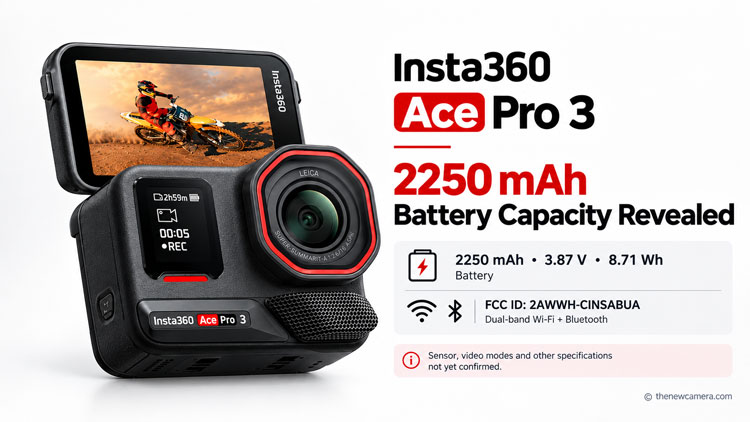
Battery: 3.87 V, 2250 mAh, 8.71 Wh
Input: 5 V 3 A / 5–11 V 5 A max
For comparison, the Ace Pro 2 used a roughly 1650 mAh battery. The Ace Pro 3’s 2250 mAh cell is a meaningful increase in capacity.
That clearly indicates we will get a significant boost in battery life when compared to the old Ace PRO 2 model.
Whether this translates into proportionally longer runtime will depend on the final sensor, processor, and screen, but it is the first concrete hardware number we have beyond the wireless specs.
Expected Announcement Window
Insta360 has followed a clear pattern with the Ace Pro line:
Ace Pro: November 2023
Ace Pro 2: October 2024
The FCC certification is already more than two weeks old. Combined with the series’ preference for the October–November window, an official announcement is most likely to arrive on or before the end of November 2026. A December launch is still possible but would be slower than recent flagship timing.
The sensor, video modes, and price remain unconfirmed until Insta360 announces them. The battery capacity is the only new figure supported by regulatory documents.
What Remains Unconfirmed
Long-standing rumors continue to circulate a larger Leica-tuned sensor, improved low-light performance, FlowState 2.0, and a $549–599 price point. None of these appear in the FCC documents and should be treated as unconfirmed.
TNC Take
The Ace Pro 3 is real. The FCC filing confirmed the name and model, and the regulatory label now gives us the first clear hardware upgrade: a larger 2250 mAh battery. Everything else -sensor size, exact video modes, and final price – still waits for an official reveal.
Given Insta360’s historical speed from certification to announcement and the Ace series’ Q4 pattern, the wait should not be long. We will update this page as soon as more confirmed details appear.
The article “Insta360 Ace Pro 3 Battery Capacity Revealed: 2250 mAh (Bigger Than Ace Pro 2)” was written by thenewcamera.com team at 5:00 pm Thursday, 15 October 2026 Greenwich Mean Time | You can also follow us on Our Official Social Media HandlesFACEBOOK | TWITTER | INSTAGRAM> get live news — > DJI Rumors | Insta360 News
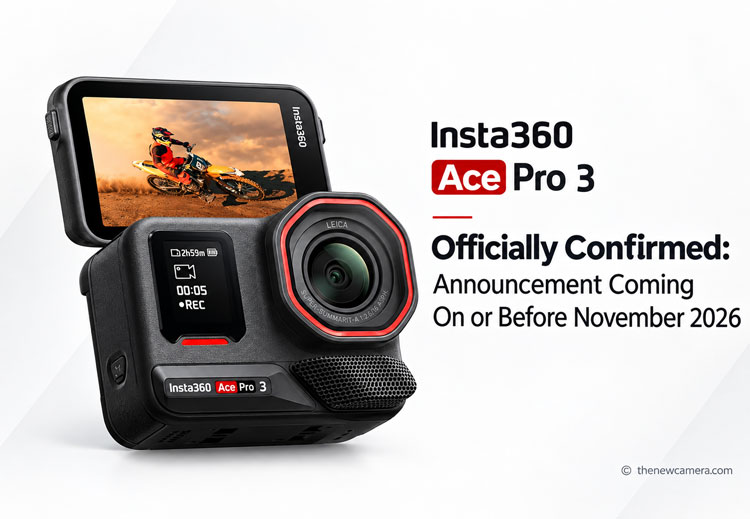
The Insta360 Ace Pro 3 is now officially confirmed. Our team spotted an FCC document related to the Ace Pro 3 filed on 29 September 2026 by Arashi Vision Inc., which received FCC certification for a device explicitly named Insta360 Ace Pro 3 under FCC ID 2AWWH-CINSABUA (model code CINSABUA). This is the first hard public evidence that we have spotted the camera exists and has cleared the main U.S. wireless regulatory step.
FCC Confirmation Details
Detail
Information
Product Name
Insta360 Ace Pro 3
Model Code
CINSABUA
FCC ID
2AWWH-CINSABUA
Certification Date
29 September 2026
Company
Arashi Vision Inc.
Type
Original Equipment
Connectivity
Dual-band Wi-Fi (2.4 GHz + 5 GHz) + Bluetooth
Additional Testing
Antenna assembly, SAR (body-worn), full radio reports
The filing confirms a composite wireless device with the radio features expected of a modern Ace-series camera. Extensive body-worn SAR testing further supports the action-camera form factor.
We’ve already seen a pattern between Insta360’s registration dates and product announcements.
Based on Insta360’s consistent FCC-to-announcement pattern, an official reveal is most likely to arrive on or before November 2026.
Analyzing Insta360’s FCC-to-Announcement Pattern
Insta360 rarely waits the full 180-day short-term confidentiality period. Recent major products show a much shorter and more predictable gap:
Product
FCC Date
Announcement Date
Gap
Ace Pro 2
21 Oct 2024
22 Oct 2024
~1 day
X5
~22 Apr 2025
22 Apr 2025
~1 day
X6
3 Jul 2026
12 Aug 2026
~40 days
Luna Ultra
22 Mar 2026
10 Jun 2026
~80 days
For flagship Ace and X-series cameras, the normal window is 2–6 weeks. The Ace Pro 3 filing is already two weeks old (as of mid-October 2026). Combined with the Ace series’ historical preference for Q4 launches (Ace Pro in November 2023, Ace Pro 2 in October 2024), this points to an announcement in late October to mid/late November 2026.
Insta360 Ace PRO 3 Arrival Date “On or Before November 2026”
The product name is already public in the FCC database — Insta360 is not trying to hide the existence of the Ace Pro 3.
Recent flagship cameras (especially the Ace line) have moved from FCC grant to announcement inside 1–6 weeks.
A December launch remains possible but would be slower than most recent Insta360 flagships.
The Ace series has consistently favored the October–November window in previous generations.
Ace PRO 3 Expected Price
Long-standing rumors (1-inch-class Leica-tuned sensor, 8K video, improved FlowState, $549–$599 range) continue to circulate but are not supported by the FCC documents and should be treated as unconfirmed until Insta360 announces them.
TNC Take
The 29 September 2026 FCC certification for model CINSABUA officially confirms the Ace Pro 3. Given Insta360’s normal speed from certification to reveal and the Ace series’ Q4 pattern, the announcement is expected on or before November 2026.
We will update this page as soon as official teasers or a launch date appear.
The article “Insta360 Ace Pro 3 Officially Confirmed: Announcement Coming On or Before November 2026” was written by thenewcamera.com team at 7:49:49 pm, Tuesday, 13 October 2026, Greenwich Mean Time | You can also follow us on Our Official Social Media HandlesFACEBOOK | TWITTER | INSTAGRAM> get live news — > DJI Rumors | Insta360 News
The high-end Nikon APS-C camera that D500 owners have been waiting for since the DSLR days has a new target: November. According to the latest update from Official Nikon Rumors Mill, the Z70 is expected after the NIKKOR Z 120-300mm f/2.8 TC VR S (itself now pointed at the end of October). The same report immediately undercuts the date by noting that the announcement “can be delayed.”
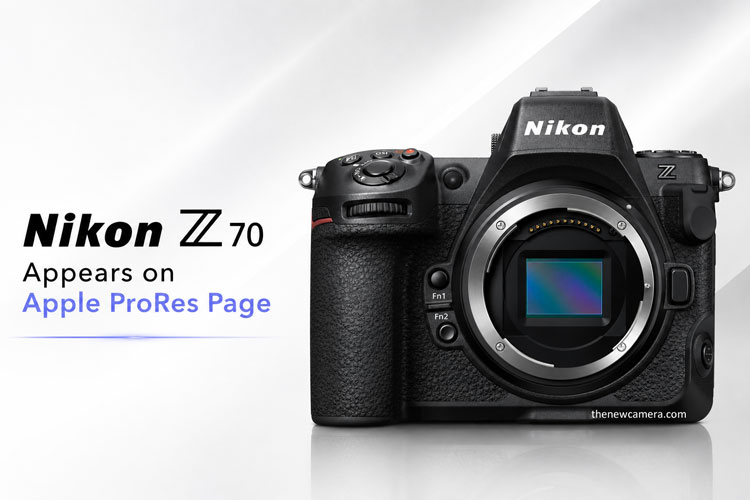
We first saw the name of the Nikon Z70 camera when it appeared on the Apple-compatible camera list. After that, we received strong indications from our sources. The camera was expected to arrive sometime in September 2026, but for some reasons, along with the Z5 II camera announcement, the announcement of the Z70 was rescheduled. Now, we are waiting for additional confirmation before we make our next move, and finally, we have that. According to the trusted rumour mill, the announcement/arrival month of the Nikon Z70 is November 2026. Finally, the wait may soon be over. We are going to have a true professional APS-C mirrorless camera and a potential replacement for the Nikon D500. We have already discussed the possible set of core specifications of the upcoming camera.
The Pattern of Moving Dates
Early reports pointing to September: a source close to Nikon was pointing to a September announcement for the professional DX body (circulating under the names Z70 and Z90). That window closed without an announcement. Before that, the strongest public signal came in August when Apple briefly listed an unreleased “Nikon Z70” on its official ProRes and ProRes RAW Authorized Products page — a listing we covered here: Nikon Z70 Appears on Apple ProRes Page. The entry was later removed.
Why the Conflict Matters
Nikon still does not have a professional APS-C mirrorless body. The Z50 II is a capable camera, but it sits well below the level of a D500 successor in terms of speed, dual-card pro features, and build. Canon has the R7. Sony has options in the a6700 class and above. Fujifilm has the X-H2S. Nikon’s DX lineup stops at the enthusiast level.
The rumoured Z70 has been described for months as the missing piece: a fast, high-end DX body built more like a compact Z8 or mini-Z9, with strong autofocus, high continuous shooting, and video features closer to the ZR family (supported by the ProRes listing). Yet every concrete timeline has slipped. Earlier in the year, Nikon Rumours itself noted that much of Nikon’s 2026 pipeline was sliding, with some items potentially moving into 2027. The Z70 is now part of that pattern.
What We Actually Know
Nothing is official. There are no confirmed specs, no price, no images, and no firm announcement date from Nikon. The consistent rumor picture remains:
Professional DX (APS-C) body positioned above the Z50 II
High-speed shooting and advanced subject-detection autofocus
Likely IBIS (still missing from current Nikon DX cameras)
Serious video capabilities, including internal ProRes / ProRes RAW based on the Apple listing
Possible dual card slots and a more robust build than the Z50 series
Sensor resolution and exact feature set remain unconfirmed. Older rumors have mentioned everything from a ~26MP sensor to higher-resolution stacked options. None of those details have been locked in.
The Lens That Comes First
The same Nikon Rumors report says the next product out the door will be the NIKKOR Z 120-300mm f/2.8 TC VR S. Nikon officially announced this lens as “in development” in May 2026. It includes a built-in 1.4x teleconverter and is aimed at sports and wildlife. Production is expected to be limited, with long waits and a price rumored higher than the current Z 400mm f/2.8 TC VR S.
Bottom Line
The Z70 (or whatever final name it receives) is still the camera that would fill the biggest hole in Nikon’s current lineup. The latest rumor gives it a November window — the most specific date yet — while immediately warning that the date can move again. After the Apple leak, the September source reports, and the broader pattern of 2026 delays, that caveat is doing a lot of work.
All of the above remains unconfirmed until Nikon says otherwise.
The article “Nikon Z70 Coming: The Latest Date Is November” was written by thenewcamera.com team at 6:46 pm, Sunday, 11 October 2026, Greenwich Mean Time | You can also follow us on Our Official Social Media HandlesFACEBOOK | TWITTER | INSTAGRAM> get live news — > DJI Rumors | Insta360 News
The FCC may pull LiDAR DJI drones from US shelves around January 30, 2027. That ban is not signed. The Neo 2 and Avata 360 are the two models buyers are pricing right now. They are not the whole list.
The list includes all possible sets of drones that carry LiDAR sensors inside, since, as we all know, the FCC now considers any drone with a LiDAR sensor a military drone. Now they plan to stop the supply of already approved FCC DJI drones, including the recently announced DJI Neo 2, DJI Avata 360, and other older models.
But the most important part is why Jan 30, 2027 will be one of the most important dates for Drone buyers, explained later in the article.
Stores can still sell an authorised unit. A drone already in hand still flies. The open question is the next import, not the aircraft in the bag.
The models that actually carry LiDAR
On July 21, 2026, the FCC’s Public Safety and Homeland Security Bureau and Office of Engineering and Technology released DA 26-758 in PS Docket No. 26-189. The notice sets seven military-grade categories for foreign-produced drones already on the Covered List. Category 4 is any aircraft that contains or integrates a LiDAR sensor. Use does not matter. A crash-avoidance laser counts.
DJI has publicly characterized the move as a “total reversal” of the FCC’s previous position. In its ViewPoints response, the company stated:
“Although the proposal is framed as targeting ‘military-grade’ drones, the FCC’s definition could include drones with thermal imaging or LiDAR capabilities… It could even include consumer models used by hobbyists simply because they use LiDAR to improve positioning and obstacle avoidance – a safety feature, not a military capability.”
These five are the consumer DJI models with forward-facing LiDAR that still turn up in US listings. Stock is reseller-heavy. A listing today is not a promise of stock next month.
Model
What DJI says is on the aircraft
Neo 2
Forward-facing solid-state LiDAR, 0.3–8 m, 60° by 60°. FCC ID SS3-DEN225, granted July 16, 2025.
Avata 360
Omnidirectional vision, supplemented with forward-facing LiDAR and a bottom infrared sensor. FCC ID SS3-DVN3NT, granted November 19, 2025.
Air 3S
Omnidirectional binocular vision, forward-facing LiDAR, bottom infrared. Night LiDAR range 0.5–25 m at reflectivity over 10%, 60° by 60°.
Mini 5 Pro
Omnidirectional vision plus forward-facing LiDAR.
Mavic 4 Pro
Omnidirectional binocular vision, forward-facing LiDAR, bottom infrared. Night LiDAR range 0.5–25 m at reflectivity over 10%.
Not this fight: Mini 4K, Mini 4 Pro, original Neo, Avata 2. Those use vision or infrared, not LiDAR. Enterprise aircraft such as the Matrice 4 series and Matrice 400 also carry LiDAR. They are a different buyer and a different shelf.
Lito X1 has forward LiDAR, and UAV Coach lists an FCC grant before the cutoff. It is not a current US-shelf drone.
Where January 30 comes from
DA 26-758 says importation and marketing would stop 180 days after Federal Register publication, if the prohibition is adopted. The notice was published August 3, 2026, at 91 FR 48870. August 3 plus 180 days is January 30, 2027.
That is a count, not an order. As of October 4, 2026, PS Docket No. 26-189 has no adopting order. A final notice could also start the 180 days from its own publication date. “Around January 30” holds only if the bureaus adopt the July text as written and keep the August 3 clock.
Comments closed September 2. DroneXL’s tally of the docket was about 3,770 opposed and 16 in favor. That is a filing count, not an FCC score. DJI’s September 2 comment, signed by counsel at Cooley, asked the bureaus to rescind the notice and said the seven categories were not in the national-security determination. The notice had already tentatively concluded that a sales stop serves the public interest. Prior Covered List actions were not stopped by industry filings.
What a buyer can still do
Buy on the rule in force. An authorized DJI LiDAR is still legal to sell. DA 26-758 does not ground aircraft already purchased, and it does nothing until it is adopted.
Avata 360 and Air 3S are the cleaner retail cases, because each has a pre-cutoff grant and US listings. Neo 2, Mini 5 Pro, and Mavic 4 Pro are mostly reseller stock, so the seller and the warranty matter as much as the docket. If the ban lands, new imports and new marketing of these LiDAR models are what stop.
October 13 is a different rule. FCC 26-50 refuses new equipment authorizations for devices that contain a DJI or Autel logic-bearing part. It does not pull a Neo 2 or an Air 3S off a shelf.
This is not a use ban. The notice says continued operation of equipment already in users’ hands would stay authorized.
This is not a Mini 4K deadline. That model is not in the LiDAR table.
A US buyer looking at a DJI Neo 2, Avata 360, Air 3S, Mini 5 Pro, or Mavic 4 Pro is looking at a forward-LiDAR drone. The FCC may stop sales of that class around January 30, 2027. The order has not been issued. The sensor label is already written.
The article “FCC May Pull LiDAR DJI Neo 2, Avata 360 by Jan 30, 2027” was written by thenewcamera.com team at 6:50 pm, Sunday, 4 October 2026, Greenwich Mean Time | You can also follow us on Our Official Social Media HandlesFACEBOOK | TWITTER | INSTAGRAM> get live news — > DJI Rumors | Insta360 News
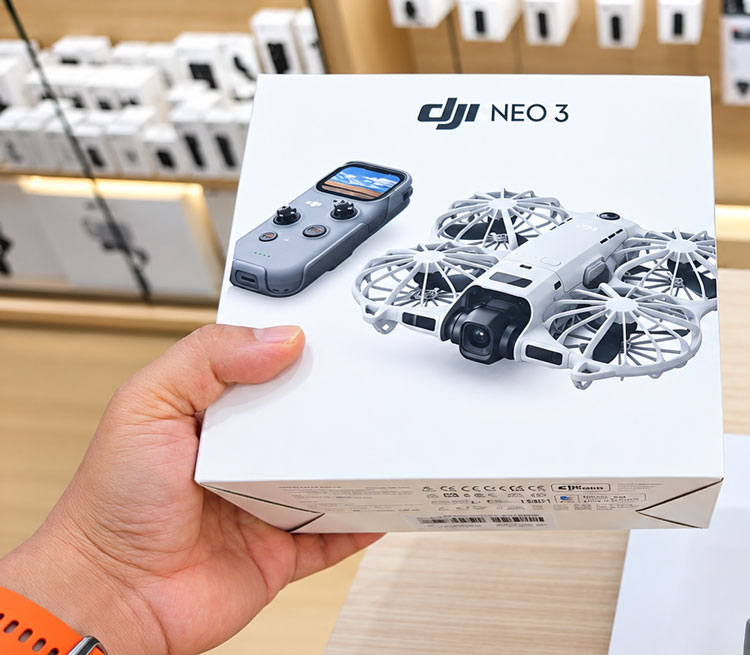
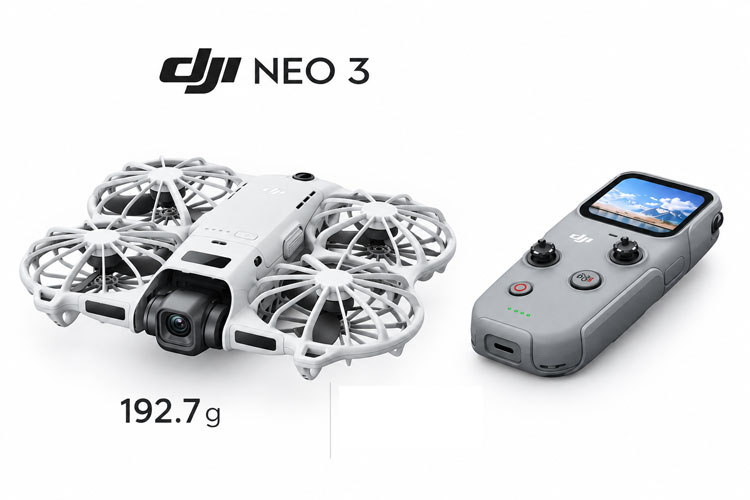
DJI Neo 3 specifications are now available, and the retail box clearly shows the major specs of the upcoming drone, including a larger camera sensor that is now confirmed.
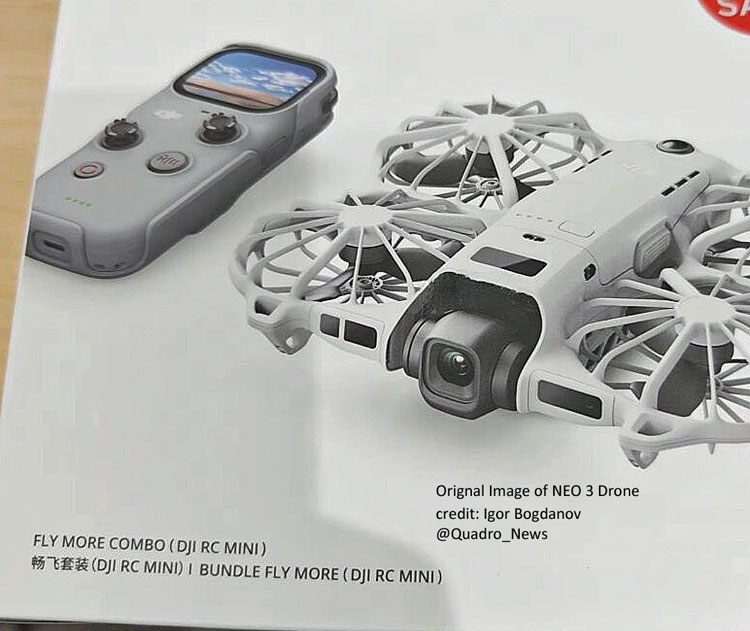
We’ve been covering DJI Neo 3 details over the past few weeks, and we already published the retail box a while ago, where you can clearly see images of the drone and the new smart controller that comes with it.
In our previous post, we clearly mentioned that the Neo 3 is pretty heavy compared to the Neo 2, but at that time we were not sure what the reason was, and now we are confirmed that it is due to the larger sensor, which is already being used in the Osmo 360 Mark II camera and is now going to be used in the Neo 3 to scale the overall quality and experience of the user. Not only that, but software-based upgrades have also been noticed, and we will be getting ActiveTrack 2.0 with other small updates in the Neo 3, specifically developed/made for content creators on the go.
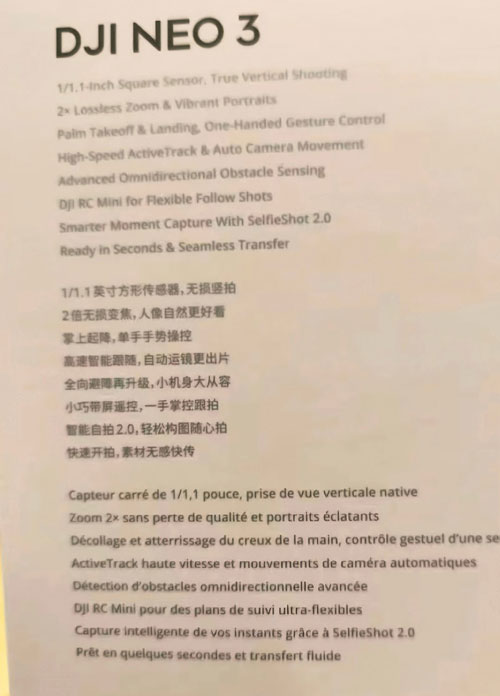
The headline line is a 1/1.1-inch square sensor with true vertical shooting. Neo 2, launched on 13 November 2025, uses a 12MP 1/2-inch CMOS. A 1/1.1-inch chip is a large step for this class and a major upgrade. The panel also lists 2x lossless zoom and “vibrant portraits.” It does not print megapixels, aperture, video resolution, bitrate or a 10-bit mode.
What the retail panel actually prints
The English lines, matched by the Chinese and French text on the same sheet, are: DJI Neo 3 key characteristics, transcribed from the packaging text in the image
Sensor and image
1/1.1-inch square sensor, true vertical shooting
Zoom and portraits
2× lossless zoom and vibrant portraits
Takeoff and control
Palm takeoff and landing, one-handed gesture control
Tracking and camera movement
High-speed ActiveTrack and auto camera movement
Obstacle sensing
Advanced omnidirectional obstacle sensing
Remote
DJI RC Mini for flexible follow shots
Selfie mode
Smarter moment capture with SelfieShot 2.0
Startup and transfer
Ready in seconds and seamless transfer
Chinese on the same panel reads 1/1.1英寸方形传感器,无损竖拍 and 2倍无损变焦. French reads “capteur carré de 1/1,1 pouce, prise de vue verticale native” and “zoom 2× sans perte de qualité.” The three languages agree. This is not a single mistranslated caption.
Palm launch, gesture control, ActiveTrack and omnidirectional sensing are Neo 2 features carried forward, with the box calling tracking “high-speed” and sensing “advanced.” SelfieShot is already on Neo 2. The panel marks the new version SelfieShot 2.0 and pairs it with automatic camera moves. “Ready in seconds and seamless transfer” points at the same quick-start, phone-transfer idea as Neo 2’s Wi-Fi offload, without a stated transfer speed.
The weight jump is the easiest hardware clue. A larger sensor, a screened remote in the standard bundle, and that extra sensing hardware are the plausible reasons for the added grams. The Digital Transceiver was a separate Neo 2 accessory. Fly More Combo photos of Neo 3 have not shown that module, which has led to speculation that the link is built in. The feature panel does not say that.
RC Mini and the US split
The panel’s most practical change is the DJI RC Mini for follow shots. Neo 2’s standard remote, the RC-N3, needs a phone. Earlier Neo 3 box art showed a pocket remote with its own screen. Reporting has tied that remote to the RC Mini AG hardware: about a 1.97-inch panel, roughly 410×494, up to 800 nits, and OcuSync 4-class range claims. Those remote figures are inferred from the agricultural RC Mini, not printed on this Neo 3 sheet.
For US readers the split matters. The controller received an FCC grant in December 2025, just before DJI was added to the FCC Covered List. A controller grant is not an aircraft grant. Nothing in this leak puts the Neo 3 aircraft itself through that cutoff. Availability in the United States should be treated as blocked until DJI or the FCC says otherwise.
What to wait for
The retail panel is enough to report the feature set DJI has printed for the box. It is not enough to publish a full specification table. The next useful confirmations are resolution, flight time, whether the 192.7 g figure is the shipping weight, and whether the RC Mini is in the base kit or only the Fly More Combo. Until DJI posts the product page, those stay open.
Source: Igor Bogdanov (@Quadro_News), 1 October 2026 retail feature panel. Related: DEN326 registry image, mid-September Neo 3 box photos. Neo 2 figures from DJI’s 13 November 2025 launch specifications
The article “DJI Neo 3 Promises a Bigger Sensor: Full Specification Leaked” was written by thenewcamera.com team at 4:20 pm, Friday, 2 October 2026, Greenwich Mean Time | You can also follow us on Our Official Social Media HandlesFACEBOOK | TWITTER | INSTAGRAM> get live news — > DJI Rumors | Insta360 News
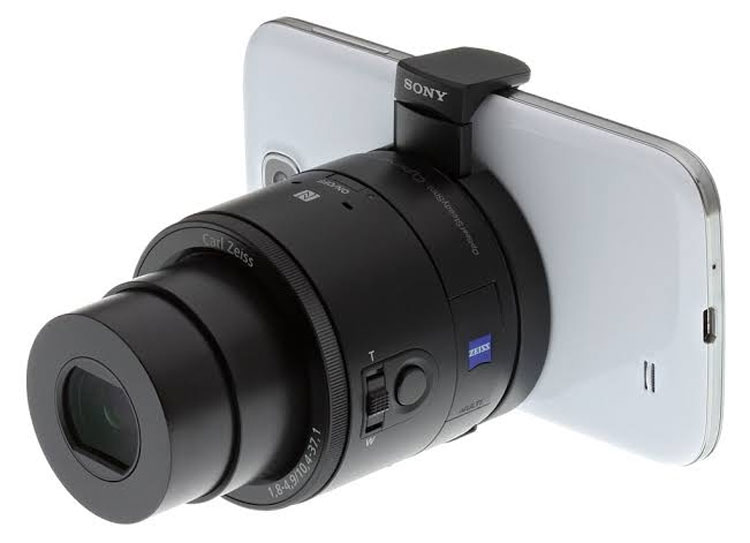
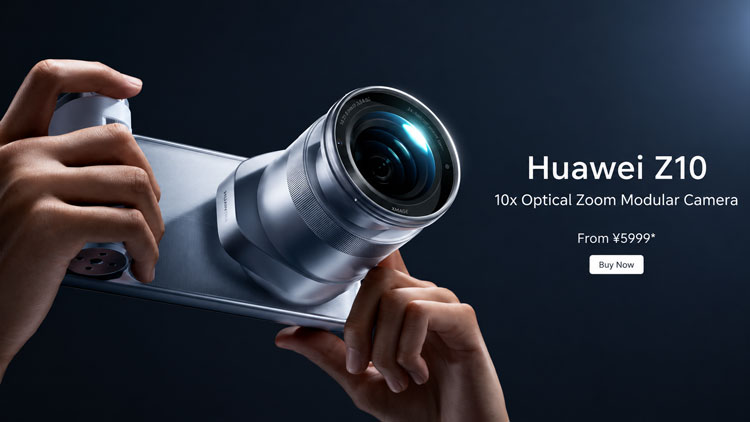
Huawei is trying to do something that Sony did a few years back, but this is said to be one of the finest QX series-style cameras ever made, so we should look at the Z10. Then they have solved the biggest problem of the external cameras that eventually makes it unusable, and the biggest issue is the lack of connectivity. The Sony QX series, with 1-inch/APS-C sensors, was very good, but due to the slow data transmission, a single image capture would take 5 to 15 seconds of time to complete the entire process.
Today, the released camera connects to a smartphone in a DSLR-style, and while mounting it, it connects to the power supply contact points as well as the data supply contact points of the smartphone. So while you are using the Z10 camera module with a 1-inch sensor, it seamlessly acts as a camera lens module without any visible lag, and with that, you can do wonders since, according to the claims made by Huawei, it surpasses the image quality of today’s APS-C sensor-based cameras. One of the most important parts, the image processing, is done by the Huawei smartphone itself, and with the help of AI engines, it upscales the overall image/video quality captured by the lens.
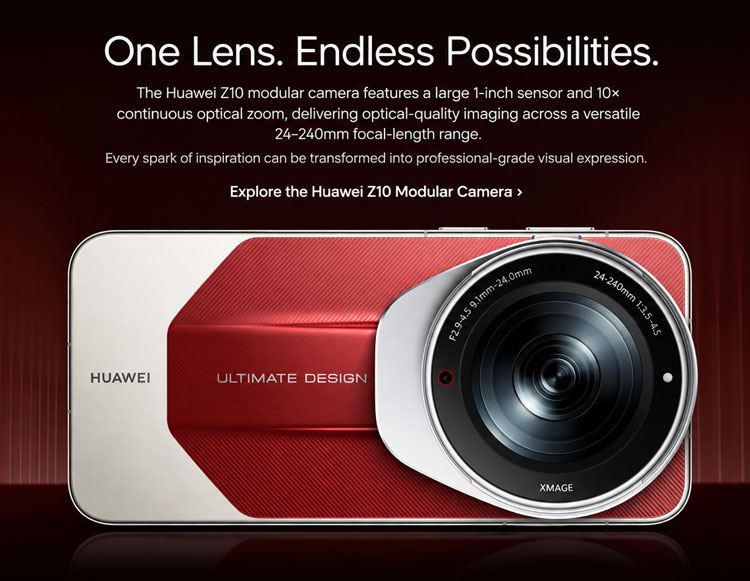
Huawei launched it on 1 October 2026 as the 睿影 Z10 modular camera for the Mate 90 Pro Max Collector’s Edition and Mate 90 RS Ultimate Design only. It is not a teleconverter sitting in front of the phone’s own sensor. It is a self-contained camera: lens, sensor, motors and focus system in one module, with the phone used for power, ISP, storage and the camera UI.
What it actually is
50MP 1-inch RYYB sensor (larger than the phone’s own main camera)
19 elements in 6 groups, including ultra-low-dispersion and aspherical glass, plus OIS and autofocus
Laser AF, anti-flicker sensor, third-generation Red Maple colour sensor, control ring
HyperClick mount: mechanical lock plus metal contacts for power and data, no Wi-Fi
About 346 g, ¥5,999 in China (roughly $850–900). Global availability is not confirmed
The Verge’s description is accurate: this is almost a camera that happens to use the phone for processing and the screen.
Why the Sony QX series failed
Sony’s lens-style cameras (QX10, QX100, QX30, and the APS-C QX1) launched in 2013–14. The QX100 was the closest ancestor: 1-inch 20MP sensor, Zeiss 28–100 mm f/1.8–4.9, its own battery, clipped to the phone.
They died for reasons reviewers documented at the time, not because the sensor was bad.
Connection was Wi-Fi plus NFC. Pairing took 5–20 seconds, and you often had to do it again after leaving the app.
Live view lagged. Fast movement froze the feed or crashed PlayMemories Mobile. Crowded Wi-Fi made it worse.
The phone was locked to Sony’s app. No native camera, limited manual control, no RAW on the early models, and both batteries drained fast because of the constant stream.
Image quality was fine for 2013, but phones improved every year while the QX stayed a second device you had to charge, pair and carry.
CNET called shooting with the QX10 “extremely frustrating” because of lag and reconnects. That UX, not the Zeiss glass, is what the category could not survive.
Where the Z10 is actually better
The hard-contact mount is the real difference. Data and power go over pins, so the preview lag and pairing ritual that defined the QX do not apply. Chinese coverage describes the module taking over the phone’s native camera app, with the same UI and third-party apps able to call it through the system interface.
Optically it also outranges the QX100: 10× continuous zoom to 240 mm instead of 3.6× to 100 mm, with a larger entrance pupil at the long end than Sony’s RX100 VII class 1-inch zooms. Because every focal length uses the same 1-inch sensor, there is no jump when the phone would normally switch from main to periscope to crop. Huawei’s ISP and XMAGE processing sit on top of real optical data instead of a tiny phone sensor plus a clip-on converter.
That is a cleaner architecture than vivo/OPPO teleconverters, which only add glass in front of the phone’s existing telephoto.
Why it is still not “the future”
Three limits keep it a niche tool.
It only fits two collector-level Mate 90 variants. Everyone else is locked out, and the phones themselves are China-market for now. At roughly $900 on top of an already expensive flagship, it costs as much as a used RX100 VII or an APS-C kit lens.
At 346 g the module alone is heavier than many compact cameras. Collapsed it is about the size of a 50 mm prime; extended it is a small cannon. You are no longer carrying a phone. You are carrying a phone with a camera bolted to it, which is fine for concerts, sport and travel days, and pointless for pocket use.
Independent image tests are still thin – it launched today. Huawei’s own MTF claims against 18–200 mm lenses should be treated as marketing until side-by-side files exist. A dedicated 1-inch superzoom or a small mirrorless still wins on battery life, viewfinder, grip and file flexibility.
So the Z10 is the first external phone camera that does not repeat Sony’s connectivity mistake. For Mate 90 owners in China who want 24–240 mm optical reach without a second body, it is a real tool. For photography as a whole, the future is still better sensors and lenses inside devices people already carry — or a proper camera when the shot needs one.
TNC Take: Huawei’s Ruiying Z10 is a real camera bolted to a phone, not a clip-on lens: 50MP 1-inch sensor, 24–240 mm continuous optical zoom, f/2.0–4.5, about 346 g. It connects by metal contacts, so it avoids the Wi-Fi lag that killed Sony’s QX series. It only fits the Mate 90 Pro Max Collector’s Edition and Mate 90 RS, costs ¥5,999 (about $895), and went on sale in China on 1 October 2026. There is no US date. Huawei has not announced a global or US launch for the Z10 or the Mate 90 phones it needs. An official US release is unlikely: these phones use Kirin chips and HarmonyOS under ongoing US restrictions, and recent Mate flagships have stayed out of the American market. Grey-import units may show up later, but that is not a launch.
The article “Huawei just built the camera Sony QX lenses failed to be” was written by thenewcamera.com team on 6:35 pm, Thursday, 1 October 2026, Greenwich Mean Time | You can also follow us on Our Official Social Media HandlesFACEBOOK | TWITTER | INSTAGRAM> get live news — > DJI Rumors | Insta360 News
Buy Canon Lenses, Buy Music CD or Digital Camera at amazon it helps this site, and you do not pay anything extra, it is just a way to help support this site.
New Camera Website, we list all type of new camera information, price review and all type camera rumors, subscribe us or follow us via twitter or facebook.
Disclaimer: We have attempted to select useful information to include on New Camera, and to ensure that the resources we have included on the site -- as well as the way we have described them -- are accurate, fair, and balanced. However, we make no claims, warranties, or other representations concerning the accuracy, completeness, or utility of the information provided, or concerning the abilities or performance of the organizations, agencies, companies, and other resources presented through New Camera