Join More Than 50,000+ Subscribers and get latest camera news and rumors

NEW CAMERA VIDEOS ON YOUTUBE

NEW CAMERA LINKS
NEWS News about new camera
Hot at New Camera Hot Picks by New Camera

Camera Rumors List of all latest Camera Rumors on Web.
Canon Rumors Latest Canon Rumors.
Nikon Rumors Latest Nikon Rumors.
Sony Rumors Latest Sony Rumors.

Sample Images Click here to see New Camera Sample Images.
Sample Video Click here to see New Camera Sample Video.
Firmware Update

Top Compact Cameras 2025: Canon SX740 HS Hits #2 in Yodobashi Rankings

Image of Top Compact Cameras 2025 Canon SX740 HS Hits #2 in Yodobashi Rankings

Innovative, newcomer, or timeless favourite, these two keyboards perfectly define the Yodobashi Camera’s sales rankings for the first half of September 2025. The Ricoh GR IV hold the No.1 spot of the sales ranking, the Canon PowerShot SX740 HS secured second position in the ranking, it does shows how much people still love 40X pocket zoom cameras like the SX740 HS. Canon has just restored the production of the Compacts like Canon SX740 HS, Canon G7X Mark III and Canon ELPH 360HS camera, and the 2nd rank of the SX740HS is something that I was expecting this month, since as per the Canon sales stats itself Canon Compact Camera Comeback: Sales Soared 187% precious month, so it will also reflect in sales report card of worldwide agencies.

Breaking Down Yodobashi’s Compact Digital Camera Sales Rankings

It’s quite obvious from the ranking that the demand for compact Zoom cameras is popular among the latest generation of smartphone users, although the Canon SX740 HS camera was announced back in 2018.  And basically, most of their iOS smartphones don’t give true 17X Optical zoom, including the latest iPhone 17 Pro, where we have Canon SX 740 HS features true 40X digital zoom, which gives, in turn, higher image quality and a proper 4K video capture experience.

Here’s the complete top 10 from Yodobashi:

Rank Camera Model
1 Ricoh GR IV
2 Canon PowerShot SX740 HS
3 Sony VLOGCAM ZV-1 II
4 Panasonic LUMIX TZ99
5 Fujifilm X half
6 Sony Cyber-shot RX1R III
7 Ricoh GR IIIx
8 Kodak PIXPRO C1
9 Fujifilm X100VI
10 Leica D-LUX8

Ricoh GR IV: The No.1 Compact Camera Making Waves with Premium Features

The Ricoh GR IV is a recent announcement from Ricoh; it’s a premium compact camera. Available at $1500 at B&H Store USA. The Camera is always in high demand, so if ur lucky, you will find it in stock; otherwise, most of us keep waiting for its stock to arrive. Take a look at the core specification of the camera (Ricoh’s special recipe that makes it No.1 in the market)

  • 25.7MP APS-C BSI CMOS Sensor: Actually, the same 26 MP Sony sensor we have seen in most of the Fuji cameras, as well as the Sony A6700
  • New 28mm f/2.8 Lens (Full-Frame Equiv.): Upgraded lens and optimised for optimal performance
  • Improved AF and Low-Light Focusing: Hybrid Sensor locks and tracks the subject
  • 5-Axis 6-Stop Shake Reduction System: You can grab clear images even in low-light conditions with a slower shutter speed with the help of an in-camera IBIS mechanism
  • 3.0″ 1.04m-Dot Touchscreen LCD: Nice and easy display screen, with quick access to basic settings
  • 53GB Built-In Memory & microSD Card Slot: That’s the best part, being a photographer, if you even forget to carry ur memory card, you still have 53GB space left
  • 35mm and 50mm Focal Length Crop Modes: No need to worry, even if you have a prime lens, the 35mm and 50mm focal length gives you an excellent option to recompose your image.

As you can see from the specification, it’s highly impressive and made for photographers. The demand for the camera always remains high, but the supply shortages may affect future rankings of the GR IV Camera.

The Canon PowerShot SX740 HS’s showing is a strong presence just after its production revival. For the latest on top compact cameras like the Canon SX740 HS and Ricoh GR IV, follow thenewcamera.com for expert insights and updates.

ABout the author: The article “Top Compact Cameras 2025: Canon SX740 HS Hits #2 in Yodobashi Rankings”  written and updated by thenewcamera.com team on 8:14 am, Friday, 3 October 2025, Greenwich Mean Time (GMT) | Follow us for more updates and Get LIVE RUMORS –> FACEBOOK | TWITTER |  INSTAGRAM to get live news — > to get live news + + Ricoh rumors 24X7

Source – etnavi.jp/capa/news/481181


Canon SX750 HS and G7X Mark IV in Announcement Pipeline – Canon Ramps Up Compact Camera Production


Canon SX740 HS in stock on Amazon – Last Chance For 40x Zoom and 4K video


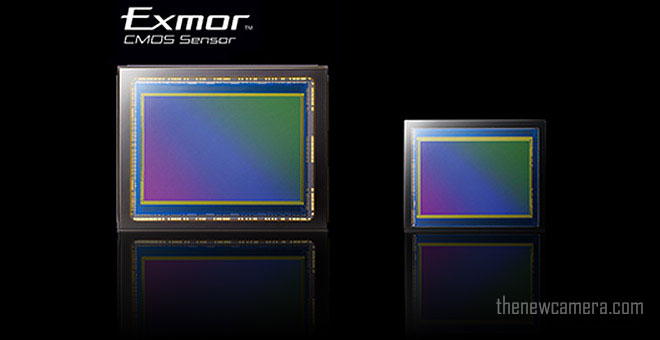
New Sony Sensors for Mirrorless Cameras in 2025

List of Sony Sensors that may get used inside Upcoming Sony’s own Mirrorless cameras. So, without a doubt, the market leader in sensor manufacturing for mirrorless full-frame cameras as well as smartphones. Although we are not talking about the smartphone sensors here, we do have an updated list of camera sensors — the sensors that might be used in upcoming mirrorless camera bodies, or some of them are already being used in existing mirrorless cameras.  Some of the sensors are reserved for future Mirrorless bodies

1. Sony Micro Four Thirds (M4/3) Sensors

Here is the list of the Latest M4/3 format sensors – we have two sensors in the list and both are new ready to get used in upcoming M4/3 format based cameras

  • IMX492LQJ
    • Resolution: 47.08M effective pixels
    • Technology: Color square pixel array
    • Performance: Capable of 31.3 frames per second (FPS) for still shots and 8K video recording
    • Potential Use: Likely to be used in high-resolution M4/3 cameras from Panasonic or OM System
  • IMX594CQR
    • Resolution: 41MP
    • Performance: Capable of recording DCI 4K video
    • Potential Use: Suitable for M4/3 cameras focused on video, such as Panasonic’s Lumix GH series

2. Sony APS-C Sensors

Sony’s APS-C sensor is primarily being used by Fuji in their camera, so now we have a 43 MP Stacked CMOS sensor, the latest one, a perfect upgrade for the Fuji X-H2 camera. The IMX510 sensor is already available in the market for a while

  • IMX671AQR
    • Resolution: 43MP
    • Technology: Stacked DRAM, up to 16-bit depth for still images
    • Performance: Capable of 8K 12-bit video recording
  • IMX510
    • Resolution: 32MP
    • Technology: APS-C sensor (introduced in 2018)
    • Performance: Limited data available; likely supports high-resolution stills

3. Sony Full-Frame Sensors

Full-frame sensors are the backbone of Sony’s Alpha series and also of Nikon’s. Nowadays Panasonic is also heavily dependent on Sony sensors

  • IMX521CQR
    • Resolution: 15.3MP (with Quad Bayer design, potentially up to 61MP)
    • Technology: Quad Bayer structure for enhanced dynamic range and resolution
    • Performance: Capable of 4K/60p video with HDR mode
  • IMX311
    • Resolution: 48.9MP
    • Technology: Back-illuminated (BSI) CMOS, active pixel technology
    • Performance: Up to 24 FPS in still picture mode
    • Potential Use: Suitable for high-resolution full-frame cameras from Sony, Nikon, or Panasonic
  • IMX313
    • Resolution: 48.97MP
    • Technology: BSI CMOS, active Pixel technology
    • Performance: Up to 24 FPS in still picture mode
  • IMX409
    • Resolution: 55MP
    • Technology: BSI, square pixel array technology
    • Performance: Up to 13.2 FPS in still picture mode
  • IMX410
    • Resolution: 24.6MP
    • Technology: BSI CMOS, square pixel array technology
    • Performance: Delivers 24MP stills at 19 FPS in full readout mode
  • IMX554DQC
    • Resolution: 30MP
    • Technology: BSI, square pixel technology
  • IMX366 (New for 2025)
    • Resolution: 44MP
    • Technology: Back-illuminated (BI), non-stacked full-frame sensor
    • Performance: Capable of 26 FPS in still image mode, 8K 12-bit video, and 4K 120p video
  • IMX455 (New for 2025)
    • Resolution: 61MP
    • Technology: Back-illuminated (BI), non-stacked full-frame sensor
    • Performance: Capable of 9 FPS in still image mode

4. Sony Medium-Format Sensors

Medium-format sensors are used in high-end cameras from brands like Fuji and Hasselblad.

  • 247MP Medium-Format Sensor (New for 2025)
    • Resolution: 247MP
    • Technology: CMOS, designed for medium-format cameras
    • Performance: Capable of shooting 16-bit images at over 5 FPS
    • Potential Use: Intended for high-end medium-format cameras, such as those from Fuji (GFX series) or Hasselblad. May appear in new medium-format systems launching in 2025 or beyond.
    • Source: PetaPixel, 2024


Sensor Specifications Table

Sensor Model Resolution Sensor Size Max FPS Technology
IMX492LQJ 47.08MP M4/3 31.3 Color Square Pixel
IMX594CQR 41MP M4/3
IMX671AQR 43MP APS-C Stacked DRAM, 16-bit
IMX510 32MP APS-C
IMX521CQR 15.3MP (up to 61MP) Full-Frame Quad Bayer
IMX311 48.9MP Full-Frame 24 BSI CMOS
IMX313 48.97MP Full-Frame 24 BSI CMOS
IMX409 55MP Full-Frame 13.2 BSI, Square Pixel
IMX410 24.6MP Full-Frame 19 BSI CMOS
IMX554DQC 30MP Full-Frame 36.6 BSI, Square Pixel
IMX366 44MP Full-Frame 26 BI
IMX455 61MP Full-Frame 9 BI
247MP Sensor 247MP Medium-Format 5+ CMOS

This updated list incorporates the latest information on Sony sensors as of July 2025, including new full-frame and medium-format sensors, we will continue to update this page as soon as we get any new information.

Updated on 3:08 pm, Friday, 25 July 2025, Greenwich Mean Time (GMT) by thenewcamera.com team  Get LIVE RUMORS –> FACEBOOK | TWITTER |  INSTAGRAM to get live news — > –>see more Sony Alpha Rumor

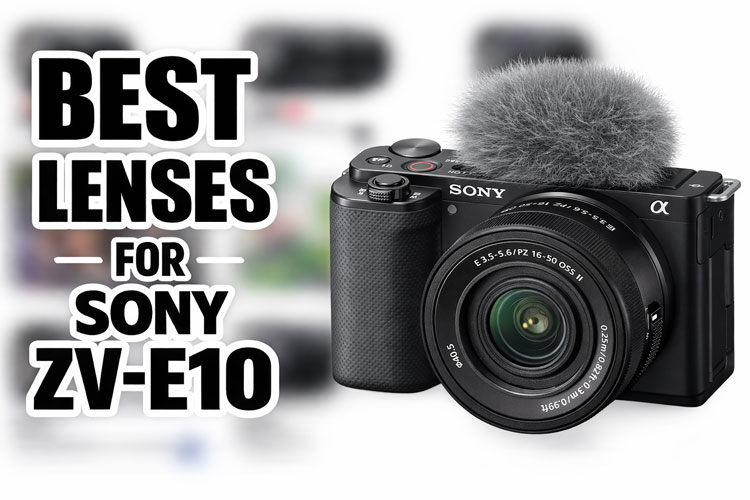
Best Lenses for Sony ZV-E10 in 2026: Top Picks for Vlogging & Photography


The Sony ZV E10 is a powerhouse camera for vloggers, photographers, and content creators. The camera features a 24-megapixel APS-C BSI CMOS sensor, 4K video recording, and a lot of new features, along with E-mount support. But to unlock its full potential, you have to use the right lens when you are shooting cinematic vlogs or portraits, or vibrant travel photos. Choosing the best lenses for the Sony ZV-E10 in 2026 will make a real difference. In this guide, we have tested out several lenses and, having used the ZV10 camera for more than 2 years, we have selected the best lenses for every use case, from wide-angle prime lenses to versatile zoom lens with the detailed reviews and some sort of comparison tables we have below, you will get the best available lens for the ZV-E10 camera.

Table of Contents

    • Why does the right lens matter?
    • Best prime lens for Sony ZV-10
    • Best zoom lens for Sony ZV-10
    • Best budget lenses for Sony ZV-10
    • Comparison table
    • How to choose a lens for your Sony ZV-10
    • FAQ

Why does the right lens matter?

Sony ZV-E10 camera and its successor, Sony ZV10 II, are designed for content creators, specifically those who want the highest quality output possible without sacrificing quality. The Sony 24-megapixel BSI CMOS sensor delivers excellent, crisp, and clear oversampled 4K video footage, but the lens that you pair with the camera determines the overall output of your content. A wide-angle prime lens is ideal for vlogging with the camera, and a versatile zoom lens covers multiple scenarios. I am using the Sony ZV-E10 camera in my creator studio for more than 2 years and also it is one of my primaries for photography also, so the lenses that we have mentioned below are being tested in real-world conditions and if you are blogging in a street, shooting landscape images or capturing portraits these lenses will help you to get the maximum output from your camera.

Best Prime Lenses for Sony ZV-E10

Prime lenses offer unmatched sharpness, low-light performance, and background blur, which is not possible with zoom lenses. So for vlogging purposes, for portraits, and also for cinematic shots, here are our top picks:
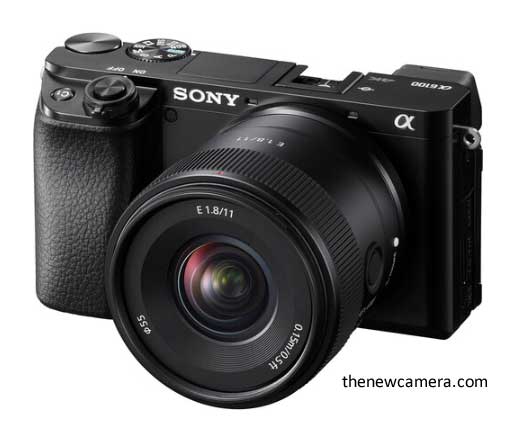
Best Ultra-Wide Vlogging Lens for Travel Vloggers

1. Sony 11mm f/1.8

  • Specs: 11mm focal length (16.5mm equivalent), f/1.8 aperture, 181g, no OSS, 55mm filter.
  • Price: ~$550 (Check Price at B&H Store and Amazon.com).

Sony 11mm f/1.8 is the best lens for Sony ZV-E10 vloggers, those who need maximum coverage of the frame. The 11mm lens is highly required, which will act as a 16.5mm lens in 35mm format, making it very ideal for handheld vlogs and for dramatic indoor and landscape. The Sony silent dual linear autofocus motor always keeps tracking the subject without any issue. The lens is very lightweight with 181 grams and pairs up perfectly for ZV-E10 and handheld vlog shooting.

  • Pros:
    • Ultra-wide for maximum scene coverage.
    • Fast f/1.8 aperture for low-light and bokeh.
    • Lightweight and weather-sealed.
  • Cons:
    • No optical stabilization (use ZV-E10’s digital IS).
    • Some edge distortion (correctable in post).

Best For: Vloggers needing wide coverage, travel creators, and architecture photographers.

Now, if you want a super-low-light-sensitive ultra-wide lens, then we have the Viltrox 13mm F1.4
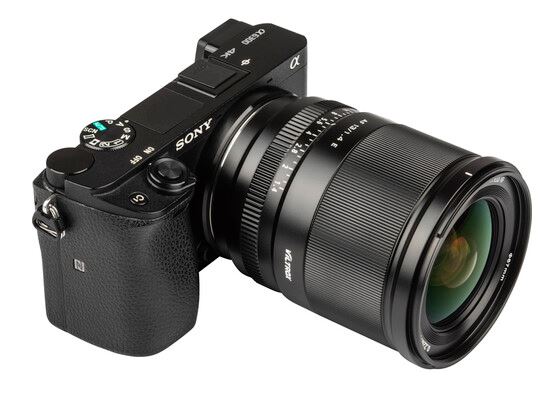
 

2. Viltrox 13mm F1.4 Lens: The Viltrox 13mm F1.4: If you are a content creator who creates most of your videos in an office or home setting, then you should consider the 16mm F1.4 lens. However, if you want extra coverage of your surroundings, for example, if you want a super-wide view or if you want to capture everything around you, especially for travel bloggers who want a bit more coverage than normal, then in that specific situation, I would suggest you go with the Viltrox 13mm F1.4 lens for the E-mount.

In terms of build quality, the lens is made up of a solid metal casing and has multiple weather seals, which makes it perfect to carry around in adverse weather conditions. The cherry on top is that you get a large manual focus ring which you can easily use to provide a smooth focusing experience. You can also do manual override while using autofocus.

The lens features an F1.4 aperture which makes it an ideal ultra-wide-angle prime lens to capture videos and even images in extremely low light conditions. The lens can also be used for astrophotography due to the nature of its high-grade optics.

A lot of effort has been put into optimizing this lens to perform perfectly while shooting videos. The lens features an STM motor, also known as a stepping drive motor, which helps to focus quickly without creating any noise.

Check the Latest Price of Viltrox 13mm F1.4 lens at Amazon | B&H Store

Pros:

  • Impressive performance
  • Solid metal casing
  • Good handling
  • Fast and accurate autofocus
  • Affordable

Cons:

  • No AF/MF focus mode switch

If you are a travel blogger and want to have super-wide coverage with a 13mm lens, you can go with this one
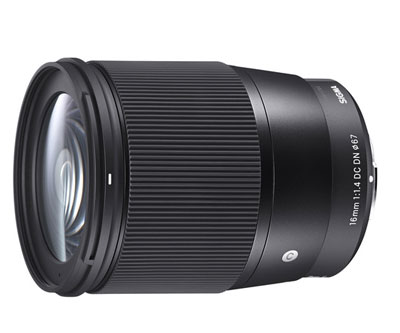
3. Sigma 16mm f/1.4 is a top choice for vlogging with a slightly tighter frame than the Sony 11mm.. The prime is designed for APS-C-format Sony E-mount mirrorless cameras and provides a 24mm equivalent focal length. A perfect focal length for creating content by putting ur camera just 2 to 3 feet away, and yes u can sometimes do handheld vlogs too.

The best part of the lens is the F1.4 aperture. Bright f/1.4 maximum aperture excels in low-light conditions. Shooting at Night and creating nightlife vlogs is now very easy with F1.4 aperture. And as usual, it also affords increased control over depth of field for achieving selective focus effects.

The AF is very fast, and the Sigma uses a stepping AF motor optimized for both photographers and videographers with its fast, precise, and near-silent performance.

The lens is an amazing bargain – super sharp, very fast, beautiful bokeh, and auto-focus. There is pretty much nothing not to like. The construction is rock solid, and rubber sealing is incorporated in the mount design to render it dust- and splash-resistant.

  • Pros:
    • Sharp at f/1.4.
    • Compact for a fast prime.
    • Affordable for the performance.
  • Cons:
    • No optical stabilization (use ZV-E10’s digital IS).
    • Slightly heavy for long handheld shoots.
  • Best For: Vloggers, low-light shooters, and travel creators.
  • Price of Sigma 16mm F1.4 – Buy this lens from Amazon.com | B&H Store

Sample: View sample vlog shot with Sigma 16mm.

The Sigma 16mm F1.4 lens is an excellent companion for the Sony ZV-E10 Camera, specifically when you want to keep the camera very close to you, the lens genrates the best output.
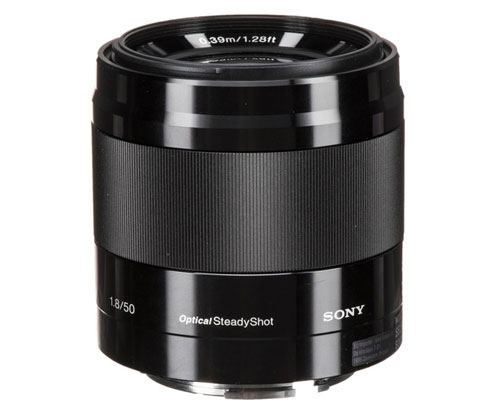
4. Best Budget portrait Prime Lens for Sony ZV-E10 – Sony 50mm F1.8 – The best portrait prime lens ever made for Sony APS-C Mirrorless cameras. The lens features Optical SteadyShot image stabilization, so you can get sharper imagery when shooting handheld with slower shutter speeds. The OSS helps really a lot while shooting in low-ligh conditions.

One of the only portrait prime lens that features built-in OSS

An internal focus mechanism is really fast and responsive, with a minimum focus distance of 1.3′, and easier handling as the lens does not change in length during use. So, you can use this lens very easily with gimbals also.

The only downside, this lens isn’t weather-sealed, but also keep in mind the lens is made for an APS-C Mirrorless camera and not a Full frame camera. If you use it with a camera like Sony A7 III, the camera will work in DX mode, and you will get a 10MP file.

Best zoom lens for Sony ZV-E10

Now here is the list of Best Zoom Lenses for the Sony ZV-E10 camera, that will help you extract the best possible output from ZV-E10’s 24MP BSI CMOS sensor.
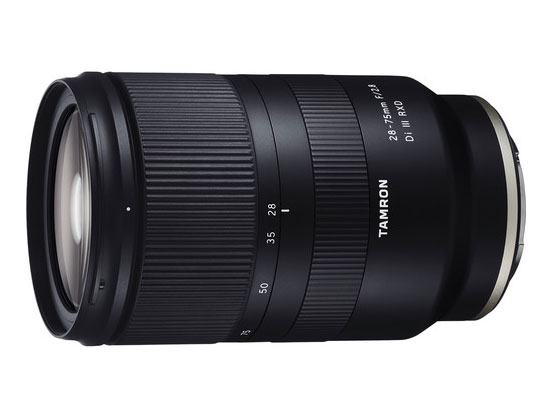
1. Tamron 17-70mm F2.8 RXD – At $799  you are getting a pro lens, Tamron 17-70mm f/2.8 Di III-A VC RXD is a 25.5-105mm-equivalent lens for APS-C-format Sony E-mount mirrorless cameras. It’s an engineering masterpiece, incredibly versatile everyday zoom ideal for everyday shooting, and the fast f/2.8 constant maximum aperture suits working in difficult lighting conditions and offer improved control over depth of field. This lens delivers outstanding image quality even when shooting wide open, it is beautifully sharp throughout the frame.

The lens features built-in IS, which helps you to shoot with slower shutter speeds in low-light conditions without adding any motion blur or camera shake to your image. Altought the F2.8 aperture helps a lot while shooting in low-light.

Autofocus is very fast, accurate, and silent. For video users, there is almost no focus breathing throughout the range and focus pulls look incredible. VC of course makes handheld shots very smooth. And the controls on the lens are very smooth and do allow you to rather cleanly zoom in and out.

Buy Tamron 17-70mm F2.8 Lens fro m Amazon.com | B&H Store

This lens is awesome. For many shooters and videographers, this could be a one-and-done lens. The only downside, there are no physical controls on this lens for stabilization or focus modes, so you’ll have to change them through the menu system in your camera.

 

Now let’s talk about a lens with an extra wide coverage and a constant F2.8 aperture
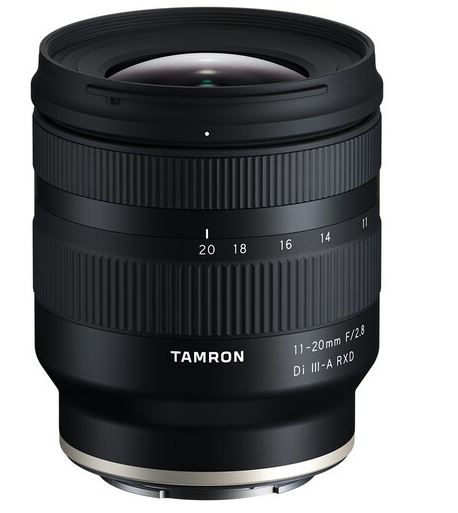
 

2. The Tamron 11-20mm F2.8 is an APS-C lens with a constant F2.8 aperture. This lens is designed for content creators, covering a vital range from 11mm to 20mm. It can go super wide and then up to a normal wide mode which is 20mm. So, if you want to cover the entire environment, you can adjust the lens up to 11mm and depending on your set of requirements and taste, you can adjust its focal length. It’s not a prime lens, so you don’t have to worry about buying a 13mm lens or 16mm lens. It covers from 11mm to 20mm with a constant F2.8 aperture and is built with RXD motors, so the autofocus is super fast and silent.

The lens features a steel construction and lightweight design, so you don’t have to worry about handling it for a long time. You can also use this lens in adverse weather conditions. rock-solid in the hands and features a dust- and splash-resistant design. An excellent lens for outdoors.
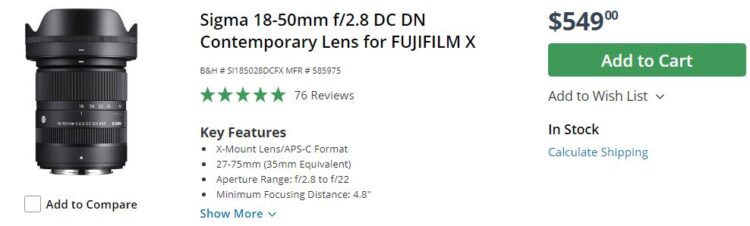
3. Sigma 18-50mm f/2.8 DC DN Contemporary

Specs: 18-50mm focal length (27-75mm equivalent), constant f/2.8 aperture, 290g, no OSS, 55mm filter.

Price: ~$550 (Check Price at B&H Store and Amazon.com).

A compact, lightweight all-purpose zoom with constant f/2.8 for better low-light performance than kit lenses. Sharp optics and fast AF make it a budget-friendly rival to the Tamron 17-70mm for travel and daily vlogging.

Pros:

    • Constant f/2.8 for versatility.
    • Extremely portable.
    • Affordable and sharp.

Cons:

    • No stabilization (use camera IS).
    • Shorter range than Tamron 17-70mm.

Best For: Beginners, travel vloggers, and all-around use.
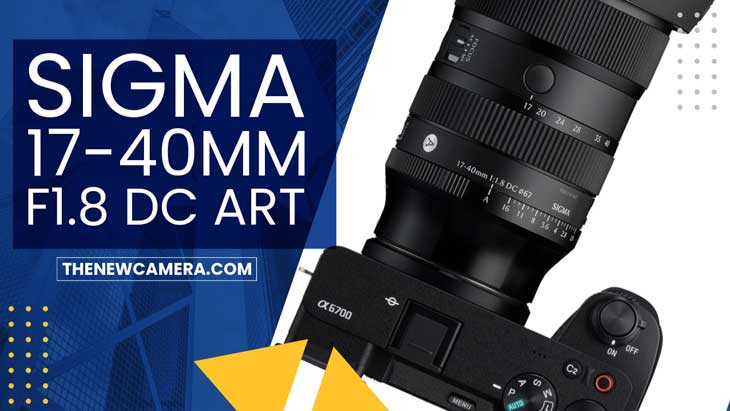
Sigma 17-40mm F2.8 Lens

4. Sigma 17-40mm f/1.8 DC Art (Sample Images)

Specs: 17-40mm focal length (25.5-60mm equivalent), constant f/1.8 aperture, ~400g, no OSS, 67mm filter.

Price: ~$700 (Check Price at B&H Store and Amazon.com). (New release June 2025)

This new professional-grade zoom offers an ultra-fast constant f/1.8 aperture for exceptional low-light and bokeh control. Sharp Art-series optics with weather-sealing make it ideal for creative vlogs and photography.

Pros:

    • Bright f/1.8 throughout zoom.
    • Professional build and sharpness.
    • Versatile standard range.

Cons:

    • No built-in stabilization.
    • Slightly heavier than contemporaries.

Best For: Low-light vloggers, event shooters, and pros seeking premium performance.**

Quick Guide

Lens Name OIS Weight Price Best Use Case
Sony E 11mm f/1.8 No 181g $550 Lightweight / Vlogging/Wide Coverage
Viltrox AF 13mm f/1.4 No 420g $430 Low-Light Vlogging / Wide Coverage
Sigma 16mm f/1.4 No 405g $400 Vlogging/Low-Light
Sony E 35mm f/1.8 Yes 54g $450 Portraits/Street
Tamron 17-70mm f/2.8 Yes 525g $800 All-Purpose/Travel / Wedding / Event
Sony E PZ 10-20mm f/4 No 178g $750 Wide-Angle Vlogs
Sony E 50mm f/1.8 Yes 202g $300 Portraits/Budget
Tamron 11-20mm f/2.8 No 335g $500 Budget Vlogging / Street Food / Travel

Best Macro Lens

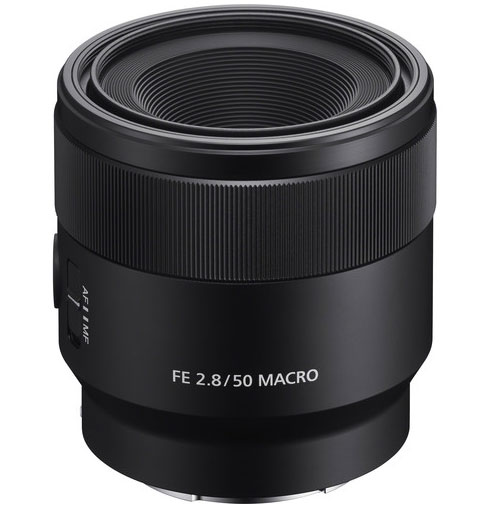
Sony FE 50mm F2.8 Macro G OSS is designed for full-frame E-mount cameras, this telephoto macro can also be used on APS-C systems, where it provides a 75mm equivalent focal length. The lens is affordable and perfect for APS-C Mirrorless cameras, this is a true 1:1 Macro Lens so you will be getting life-size images from the lens. Later on, once you have upgraded you can use this lens on the A7 series camera too.

Get 50mm F2.8 Macro Lens from Amazon.com | B&H Store

The true macro design affords a life-size, 1:1 magnification ratio along with a 6.3″ minimum focusing distance for working with close-up subjects. A focusing distance and magnification scale are also printed on the top of the lens to aid in more technical applications.

One extra-low dispersion element is featured in the lens design and helps to reduce chromatic aberrations and color fringing for improved clarity and color neutrality.

Best telephoto zoom

One of the best investments for APS-C users, it is a full-frame Tamron  70-180mm F2.8 VXD G2 lens so you will get a 105-270mm equivalent focal length range. The best lens when you do have some flans of getting a Sony full-frame camera.sue to fast aperture and being a full-frame lens the overall quality of this lens is just amazing.

Bright constant f/2.8 maximum aperture affords consistent brightness throughout the zoom range and offers improved control over depth of field. Two VXD (Voice-coil eXtreme-torque Drive) linear motors deliver impressively quiet, quick, and precise focusing performance to suit both stills and video applications. This focusing system offers a minimum focusing distance of 2.8′ at all focal lengths, and a 1:4.6 maximum magnification at the 180mm focal length for working with close-up subjects. Full-time manual focus override is also possible, and it is compatible with Sony’s Direct Manual Focus function or fine-tuned manual control.

We highly recommend you tet the Tamron 70-180mm lens, so will get max output from your camera, and later on ,you can use this lens for your future full-frame cameras.

How to choose the right lens for your Sony ZV-E10 camera?

See choosing the right lens actually depends on one’s shooting style, the set of requirements you have and your budget. All these factors decide the best lens for you.

1. Finding out the right focal length

Ultra wide lenses (10-15mm)
The lenses falling in the range of 10 to 15 mm are the best lenses for vlogging. These lenses provide maximum coverage even in tight spaces and some of the examples are Sony 11 mm f/1.8 and the Viltrox 13mm f/1.4.

Wide Angle lenses from 16 to 20 mm
16 to 20 mm lenses are highly suitable for desk vlogs. When you want to keep your camera really close to yourself, just after the screen of your desktop, then having lenses like Sigma 16 mm f/1.4 is really usable. Occasionally, you can also do handheld vlogging.

Standard lenses from 24 to 50 mm
The standard lenses need a good working distance from the subject. So, if you are sitting in a room or office and your camera is at a good distance from you, then you can use lenses like 35 mm from Viltrox or Sony, or a 56 mm lens from Sigma, or a 50 mm lens from Sony—any of these. So it all depends on how far you’re sitting from your camera.

Telephoto / Zoom lenses 70 mm+
If you are interested in sports and wildlife—which is really very less common with ZV-E10 users—then you have to invest in 70 mm+ lenses. Otherwise, most of the work can be done easily with lenses below this focal length.

2. Aperture

Fast aperture lenses with f/1.4 to 2.8 range
For better low light performance and shallow depth of field, you will need lenses with bright or max aperture value f/1.4—like we have the Viltrox 13 mm f/1.4 or the Sigma 16 mm f/1.4. Now just after that, we have f/1.8 lenses like the Sony 11 mm f/1.8.

Slower aperture f/4+ focal length
The f/4 or f/4+ lenses are more budget friendly but less effective in low light scenarios.

3. Optical Image Stabilization (OIS)

Since the camera does not have any sensor-shift image stabilization, it’s very important to select lenses with OIS (Optical Image Stabilization) if available. Otherwise, you have to use your camera on a gimbal to get highly stable output. Aur as a content creator, you can also use the camera’s gyro-based image stabilization, which is very effective.

4. Budget-friendly lenses

Under $500 lenses: If you are really looking for budget-friendly lenses, then I will recommend you to get Viltrox Air Series lenses. Even some lenses that we have recommended here like 50 mm f/1.8, Viltrox 30 mm f/1.4 and Tamron 11-20mm f/2.8 are some budget-friendly lenses.

Budget range $500 to $1000: Higher priced lenses include Sony 11 mm f/1.8 and Tamron 17-70 mm f/2.8.

Practical tips

Vlogging with coverage: Choose an extra wide-angle lens while you are vlogging, like Sony 11 mm or at least Viltrox 13 mm. With the extra coverage, you can easily apply Active IS stabilization that will do a digital fine crop. As well as, you can also apply gyro-based image stabilization. These extra wide-angle lenses help a lot when you want to implement digital zoom in your camera or in your software.

Low light vlogging: Ultra-bright lenses like—for vlogging purpose—you can have the Viltrox 13 mm f/1.4 or you can also have the Sigma 16 mm f/1.4. When you are shooting in your room or in your bedroom, these f/1.4 lenses are really very helpful when you are shooting in available light.

Portraits: For getting excellent results, I will highly recommend you to get 50 mm f/1.8 or 56 mm f/1.4 lens.

Travel Lens: The Tamron 17-70 mm covers most of the scenarios.

FAQ

What is the best lens for Sony ZV-E10 vlogging?
The Sony 11 mm f/1.8 is our top pick for vlogging. The lens covers an ultra-wide range of 16.5 mm in terms of full-frame equivalence. A perfect lens that covers the entire environment along with you, and also helps you to implement Active IS without any significant loss of frame. The second-best alternative to 11 mm f/1.8 is the Viltrox 13 mm f/1.4 which actually shines with its ultra-bright f/1.4 aperture—best for low-light scenarios.

Can I use full-frame lenses on the Sony ZV-E10?
You can use Sony E-mount full-frame lenses, as those are compatible with the ZV-E10 camera, but as we all know, the Sony ZV-E10 uses an APS-C CMOS sensor. For example, a 24mm lens will act as a 36mm lens on your camera, and the advantage of getting a crop lens is the size of the lens, like we have the Viltrox 13mm f/1.4, which is lighter as well as cheaper in its category.

What’s the best budget lens for Sony ZV-E10?
The Sony 50mm f/1.8 is the best budget lens for capturing portraits. The next best lens to it is the Viltrox Air 35mm f/1.8. Such lenses are lighter and cheaper for the ZV-E10 camera.

Do I need stabilisation for ZV-E10 in lenses?
Stabilisation, either mechanical or electronic, is needed for handheld vlogging. Now, if you are using a gimbal, which of course makes your setup a bit heavy, then you are getting very clean and smooth footage. But if you are not using any gimbal, then it’s highly recommended to use either Active Image Stabilisation mode inside your camera or completely turn off all the in-camera modes and later stabilise your footage in the Catalyst Browse software provided free by Sony.

Which is the best lens for low-light photography or vlogging?
The Viltrox 13mm f/1.4 is the best or the top choice for low light. These lenses maximise light capture and create a very creamy background blur. So, for available light, these two are the best lenses. Now, if you want a lightweight solution that’s easy to carry all the time, then with a bit of sacrifice, you can have the Sony 11mm f/1.8.

Are third-party lenses like Viltrox or Sigma good for the Sony ZV-E10?
Yes, third-party lenses like Viltrox and Sigma or even Tamron have the same autofocus algorithm inside them, which is being provided by Sony itself to the third-party lens makers. And the best part is that they give the best performance at lower prices. Like we have the Viltrox 13mm f/1.4 and the Sigma 16mm f/1.4, which are prime examples of lenses offering the surface-level optics with fast autofocus and great value for content creators and vloggers.

ABout the author: The article “Best Lenses for Sony ZV-E10 in 2025: Top Picks for Vlogging & Photography”  updated by thenewcamera.com team on 4:43 am, Friday, 27 February 2026, Greenwich Mean Time (GMT) | Follow us for more updates and Get LIVE RUMORS –> FACEBOOK | TWITTER |  INSTAGRAM to get live news — > –>see more Sony Alpha Rumor

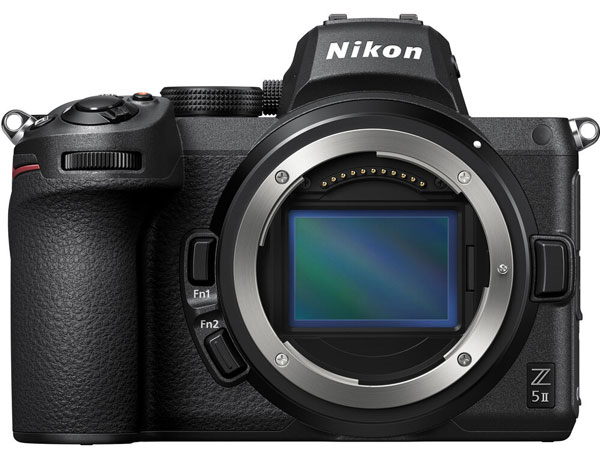
Nikon Z5 II Specification Update

Nikon Z5 II specification surfaced on a website, that is not much different from the specification we posted a while ago, take a look at the rumored specification

Rumored Specifications:

  • 24.5MP backside-illuminated CMOS sensor
  • Equipped with Expeed 7 image processor
  • 14 fps RAW, 30 fps JPEG shooting
  • 5-axis in-body image stabilization
  • Pixel shift
  • 4K video recording at 30fps [Uncropped]
  • DX crop 4K at 60 fps in 10-bit
  • 1080p video recording at 120fps
  • The 273-point hybrid autofocus system
  • Real-time eye/animal eye tracking/Bird eye AF
  • 3.69-million-dot OLED electronic viewfinder
  • 3.2-inch fully articulating screen
  • Dual UHS-II SD card slots
  • USB-C charging, compliant with the latest EU regulations
  • Size and weight are almost identical to the current

So, in the core specification, we cannot spot any significant difference from what we have already shared with you. [Nikon Z5 II Coming in Summer of 2025]

Nikon Z50 II Arrival Date

Nikon Z5 II arrival date – as we have mentioned earlier the Nikon Z50 II demand is at its peak and Nikon will surely allow the Z50II to reach its peak period, which generally lasts 7 to 8 months after the camera’s announcement. In general, camera manufacturers avoid announcing two different cameras in the approx same price range due to the fear that each will cannibalize the other’s sales.

Since the Nikon Z50 II was announced back in November 2024, it seems quite logical for Nikon to announce the Z5 II camera sometime in the summer months of 2025. So, the Announcement is expected on or before August 2025.

Must watch – Best Lenses for Nikon Z50 II in 2025

List of Upcoming Nikon Cameras and Lenses

– COOLPIX P1100 [already announced]
– Z 35mm f/1.2 S (Already Announced)
– Z 28-135mm F4 PZ (announced )
– New Z series of cinema lenses (announced )
– Z9II (Q4 of 2025)
– Z5II (April 2 2025)

Support us – Use or affiliate link Amazon.com | B&H Store | Adorama.com for the next purchase u make – it helps us 🙂

Follow us on our social pages  FACEBOOK | TWITTER | INSTAGRAM to get live  Camera NewsNikon Rumors 24X7

source – camerabeta webio | NR.com

Nikon Z Cinema Camera Officially Announced

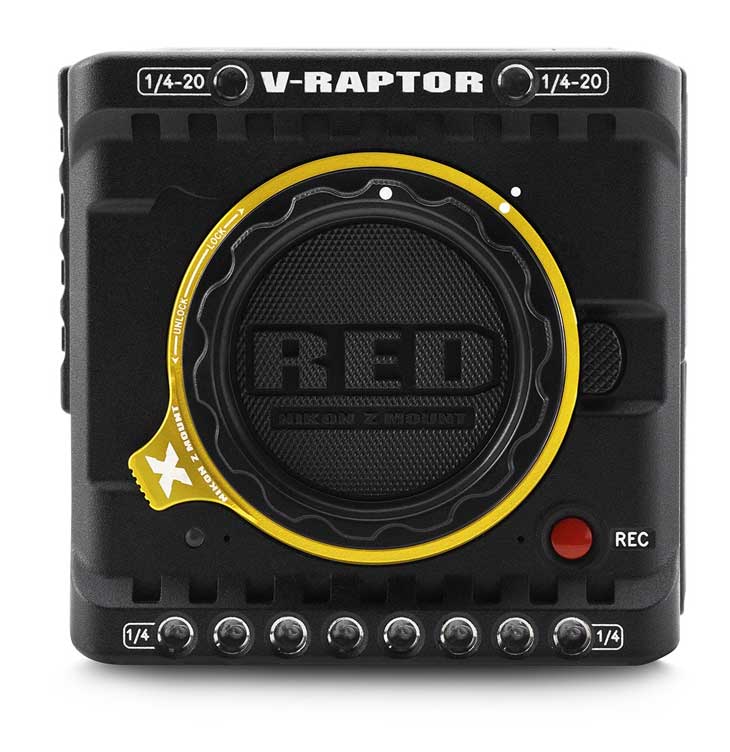
Today, the Z Cinema camera was officially announced. As we all know, RED Digital Cinema is now a subsidiary brand of Nikon. They have modified and relaunched the V-RAPTOR with a Z Mount and the KOMODO with a Z Mount.

We were the first ones to talk about the Z KOMODO [read our expectation article], and just a few months later, we received information about the RAPTOR. The context was that they were working on both series one after the other, and finally, they announced them today.

The new RAPTOR and KOMODO with the Z Mount feature inherit all the goodness of the Z Mount system. This means the autofocus performance has also been integrated into these cameras. So if you are using the recently announced Z Cinema lenses or Nikon Z Mount system lenses, there should be no problem. As we all know, the RAPTOR camera offers 20+ stops of dynamic range, and using it with improved autofocus lenses will be a game changer in the field of cinematography.

support thenewcamera.com get RED digital camera units and upgrade packs from our affiliates B&H Store and Adorama.com

RED DIGITAL CINEMA’S V-RAPTOR [X] AND KOMODO-X CAMERA SYSTEMS EXPAND CAPABILITIES WITH POWERFUL NIKON Z MOUNT

FOOTHILL RANCH, Calif. (Feb. 12, 2025 at 8p.m. PACIFIC TIME)—RED DIGITAL CINEMA® announced today that its groundbreaking V-RAPTOR [X] and KOMODO-X camera systems will also now be available with Nikon’s premier Z Mount, providing filmmakers with ultimate flexibility in lens choice and a complete capture solution from lens to sensor to codec.

“This marks the beginning of RED and Nikon’s collaborative products and it is the exciting first step in a new Z Cinema Series,” said RED Digital Cinema CEO Keiji Oishi. “By integrating the Z Mount, RED is providing more lens choices than ever before, empowering filmmakers with greater artistic flexibility. This development grants filmmakers the versatility of Nikon’s innovative Z lineup and PL options, as well as access to F Mount glass and many popular vintage lenses.”

With a shallower flange depth and a wider diameter, the Nikon Z Mount enables lens designs with higher sharpness and superior aberration control. The Z lenses can deliver unrivaled low-light performance and edge-to-edge detail as well as autofocus performance on both the V-RAPTOR [X] and KOMODO-X cameras.

Key Features, Pricing and Availability

RED’s V-RAPTOR [X] Z MOUNT, recognized for its unmatched low-light performance, dynamic range, resolution, high frame rates, and industry-leading 8K VV global shutter large format sensor, is available for a suggested retail price of $29,995.

RED’s KOMODO-X Z MOUNT features a 6K S35 global shutter sensor and frame rates at 6K 80P and 4K 120P, all in a form factor measuring only 4x4x5 inches and 2.6 lbs. The KOMODO-X Z MOUNT is available for a suggested retail price of $6,995.RED is also announcing all-new Z to PL Adapter Packs, which provide a robust PL mount solution and added flexibility for V-RAPTOR [X] Z MOUNT and KOMODO-X Z MOUNT shooters. Currently, there are four different Z to PL Adapter Pack options available, with shipments starting in spring 2025:

Z to PL Adapter Pack Options Suggested Retail Price
RED V-RAPTOR Z to PL Adapter Pack $1,500
RED V-RAPTOR Z to PL with Electronic ND Adapter Pack $3,500
RED KOMODO Z to PL Adapter Pack $1,500
RED KOMODO Z to PL with Electronic ND Adapter Pack $3,500

Both the RF and the all-new Z mount versions of the V-RAPTOR [X] and KOMODO-X cameras, and Z to PL adapter packs are available now on RED.com or through RED Premium Dealers.

RF Mount Transition

Filmmakers now also have the option to convert their RF mount versions of the V-RAPTOR [X] and KOMODO-X cameras to the all-new Z Mount systems. This transition costs $1,695 for the V-RAPTOR [X] and $1,595 for the KOMODO-X.

Trade-In Program

RED is excited to announce the return of its trade-in program, now available for the latest generation of RED cameras, including the new Z Mount models. Customers can trade in their existing RED DSMC, RAVEN, SCARLET-W, DSMC2, or RANGER cameras and receive a credit towards the purchase of a new, eligible RED V-RAPTOR XL [X] Pack or RED V-RAPTOR Pack [X] Pack with either the new Z Mount or RF Mount. For more information on the trade-in process and eligibility, please visit RED.com.

“We are committed to providing filmmakers with limitless possibilities for realizing their desired vision, and the fusion of RED and Nikon’s robust technologies and expertise will generate even more advanced tools, enhancing our filmmaking community’s creative capabilities,” added Oishi.

For more information on the V-RAPTOR [X] and KOMODO-X Z MOUNT camera systems, visit RED.com or RED Premium Dealers. Filmmakers can also visit the RED Studios Hollywood store location or any one of the RED Premium Dealers across the globe to schedule a demo and learn more about the products.

Follow us on our social pages  FACEBOOK | TWITTER | INSTAGRAM to get live  Camera NewsNikon Rumors 24X7.

Canon October 30th Surprise: Three New Hybrid RF Lenses Revealed!

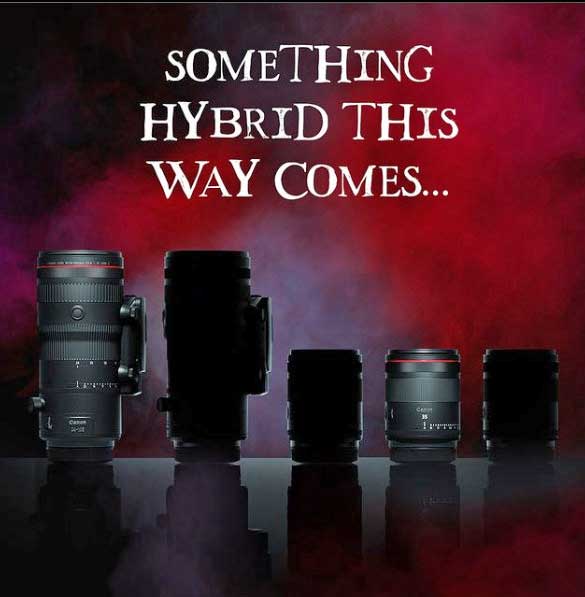
Canon USA teases that they are going to announce three New Hybrid Zoom and Primes lenses on October 30, 2024.

All the way, we know with the help of the Canon Rumor Mill the names of the three lenses.

Canon Upcoming Lenses

  • Canon RF 24mm f/1.4L VCM
  • Canon RF 50mm f/1.4L VCM
  • Canon RF 70-200mm f/2.8L IS USM Z ( works with teleconverters)

Take a look at the official press release of Canon’s new additions to the RF  Primes and ZOoms

MELVILLE, NY, October 15, 2024 – Canon, a leader in digital imaging technology, today announced its intention to add new lenses to its hybrid RF L-series range on October 30, 2024, when all details will be revealed.

Canon’s hybrid lenses are a range of RF L-series primes and zooms designed for high performance stills and video capture. They are able to perform multiple roles and harness technology from Canon’s broadcast, cinema and existing RF lenses to make for a truly versatile range concept. They empower creatives with the flexibility to reach new levels of artistry and practicality in stills and video production.

Get LIVE RUMORS –> FACEBOOK | TWITTER |  INSTAGRAM to get live news + Canon rumors 24X7

Fuji X-M5 Full Press Release and Images

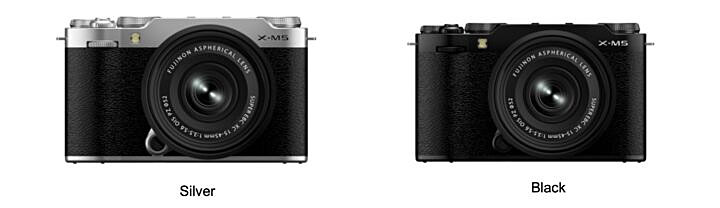
So finally, we have the Fuji X-M5 camera’s full details coming straight from Fujifilm X-M5 official press release. From the available set of details, we can clearly see the specs that are about to arrive inside the Fuji X-M5 camera. We will only miss the mechanical image stabilization, although the Fuji processor delivers very effective images. Take look at the Makor specification of the camera

Fuji X-M5 Price

Fujifilm X-M5 Body: £799 / €899- B&H Store

Fujifilm X-M5 + XC 15-45 Kit: £899 / €999 – B&H Store

Fujifilm XF 500mmF5.6 Lens: £2,899 / €3,399

Fujifilm XF 16-55mmF2.8 II: £1,149 / €1,349

Fuji X-M5 Specification

  • Weight: Approximately 355g (including battery and memory card).
  • Dimensions: 111.9mm width, 66.6mm height, 38.0mm depth.
  • Sensor: 26.1 MP back-illuminated X-Trans CMOS 4 sensor.
  • Processor: X-Processor 5 for high-speed image processing.
  • Film Simulation: 20 Film Simulation modes.
  • Autofocus (AF): AI-based subject detection AF (animals, cars, etc.).
  • Face/Eye Detection: Supports face and eye AF.
  • AF Algorithm: Predictive AF algorithm for moving subjects.
  • Video Recording: 6.2K/30P 4:2:2 10-bit internal recording.
  • 4K Video: Supports 4K/60P recording.
  • High-Speed Video: 1080/240P recording.
  • Stabilization: Powerful digital image stabilization for both minor and large shakes.
  • Built-in Microphones: Three microphones with selectable directivity (surround, front, back, front & back).
  • Noise Reduction: Steady-state noise reduction for continuous frequency noise.
  • Vlog Mode: Touch-based intuitive control for shooting.
  • 9:16 Short Movie Mode: Easy vertical video capture for social media.
  • Bit Rates: Supports 8 Mbps and 25 Mbps bit rates for video.
  • Card Slot: SD card storage for internal recording.
  • Design: Symmetrical dials with a compact X-series aesthetic.
  • Auto Mode: Auto scene recognition for first-time users.
  • Low Power Consumption: Optimized for long shooting times.
  • Bird & Insect Detection: Special AF setting to detect birds and insects.
  • Drone Detection: Detects drones under the “Airplane” setting.
  • Display: Touch-sensitive LCD with improved icon placement.
  • High AF Precision: Improved precision even in low-contrast environments.

Fuji X-M5 Full Press Release and Images

These specs highlight the Fuji X-M5’s compact design, high-quality video recording

FUJIFILM X-M5 Mirrorless Digital Camera
The lightest model in the current X series

Equipped with advanced features for both stills and video. Enjoy shooting every day with ease

October 14, 2024

TOKYO, October 14, 2024 – FUJIFILM Corporation (President & CEO, Representative Director: Teiichi Goto) announces the launch of the latest model of the mirrorless digital camera the “FUJIFILM X-M5” (X-M5). It is a new addition to the X Series of mirrorless digital cameras known for their compact and lightweight body and superior image quality based on the company ’s proprietary color reproduction technology.

The X-M5 is a mirrorless digital camera with a compact and lightweight body weighing approximately 355g*1 making it the lightest*2 camera in the X series. The X-M5 is equipped with a full range of functions, including subject detection AF that can detect moving objects such as animals and cars using AI and a 6.2K/30P movie recording function, making it possible to shoot both still images and movies with a single camera. Additionally, the design features the high-quality appearance characteristic of the X series. The X-M5 is the perfect camera for a wide range of users, from first-time digital camera users to photography enthusiasts, enhancing the joy of photography.

The X-M5 is a mirrorless digital camera equipped with the back-side illuminated 26.1-megapixel “X-Trans™ CMOS 4”*3 sensor and the “X-Processor 5” high-speed image processing engine, enabling high-quality image capture. A Film Simulation dial is located on the top surface of the warship to switch between “Film Simulation” modes, which allows users to enjoy various color tone expressions as if they were changing photographic film. The X-M5 is equipped with high-performance video recording functions such as 6.2K/30P 4:2:2 10-bit video onto an SD card inserted in the camera. In addition, its powerful digital image stabilizer and high-performance built-in microphone support comfortable video recording. As for the Vlog Mode, the newly introduced “9:16 Short Movie Mode” makes it easy to shoot vertical videos.

*1 Including battery and memory card.
*2 For current X series models.
*3 X-Trans is a trademark or registered trademark of FUJIFILM Corporation.

1. Product features
(1) Compact and lightweight body and product design that makes you want to enjoy shooting

▪ It weighs approximately 355g and measures approximately 111.9mm in width, 66.6mm in height, and 38.0mm in depth. The extremely lightweight and compact body for a mirrorless digital camera makes it easy to carry around and enjoy photography every day.
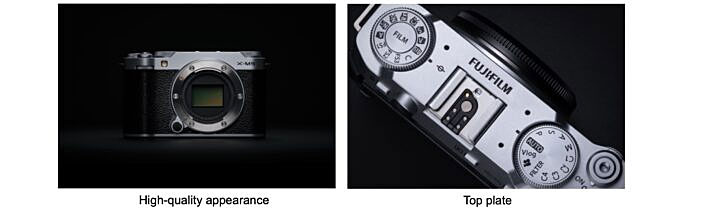
▪ Despite its compact size, the camera has the high-quality appearance of the “X series”. Symmetrically placed dials on the top surface of the warship section highlight the beauty of the camera.

▪The Film Simulation dial is conveniently placed on the lek shoulder of the top face. Users can easily switch between a total of 20 Film Simulation modes according to the subjects and scenes, making it easier to enjoy a variety of color tones in both still and moving images.
▪ The top right features a mode dial. In AUTO mode, the camera automatically recognizes the optimal shooting mode for the scene, allowing even first-time digital camera users to easily capture high-quality stills and videos.

(2) Equipped with a high-performance sensor and high-speed image processing engine to achieve high image quality and high-performance AF

▪ The X-M5 is equipped with the back-illuminated “X-Trans™ CMOS 4” sensor with approximately 26.1 megapixels and the latest high-speed image processing engine “X-Processor 5”. This allows for high image quality photography with low power consumption.
▪ The camera features the subject detection AF, developed with deep learning technology, in addition to the existing Face / Eye AF. AI is used to add the ability to detect animals, birds, cars, motorcycles, bicycles,
airplanes, trains, insects and drones*4
▪ The latest AF predictive algorithm provides high tracking performance for moving subjects and high precision AF in low-contrast environments.

*4 Set the Subject Detection Selng to “BIRD” when you want to detect insects and to “AIRPLANE” when you want to detect drones.

(3) 6.2K/30P video recording and other extensive video func^ons

▪ The X-M5 can record 6.2K/30P 4:2:2 10-bit video onto an SD card inserted in the camera, and also supports extensive video functions including 4K/60P and 1080/240P capability.
▪ The camera is equipped with powerful digital image stabilization. It is effective not only for minor camera shake but also for large shaking that occurs when shooting video while walking.
▪ For the first time in our digital camera lineup, three built-in microphones are equipped. You can choose from four microphone directivity options: surround, front, back, or front & back, depending on the situation. The camera is also the first to feature a steady-state noise reduction function, which reduces noise that continues to ring at a certain frequency, such as air conditioning noise.
▪ Vlog mode allows users to change shoo^ng conditions intuitively by touching the LCD. Improvements in the number and placement of icons make video recording even more intuitive. In addition, the new “9:16 short movie mode” allows users to easily shoot vertical videos popular on various social media and smoothly share the captured content.
▪ New bit rates of 8 Mbps and 25 Mbps have been added to the bit rates that can be selected in the “Media Recording Settings” when shooting video. This shortens the transfer time to external devices such as
smartphones, and contributes to shortening the ^me required to upload captured video directly to social media.

2. optional accessories

Cooling Fan “FAN-001″*5 (already on sale)
▪ This cooling fan can be attached to the rear panel of the camera body without a cable, supporting long hour shooting and video recording in a high-temperature condition. The power can be supplied to the fan from the camera body
Tripod Grip “TG-BT1″*6 (already on sale)
▪ This grip enhances mobility and camera’s hold while adding tripod functionality. Users can comfortably take self-portraits and low angle shots, where it is normally difficult to hold the camera in position. As a tripod, the TG-BT1 can be used for a wide range of love fujiru mors applications from group shots to tabletop still.
*5 Compatible models are FUJIFILM X-M5, FUJIFILM X-H2S, FUJIFILM X-H2, and FUJIFILM X-S20.
*6 Compatible models are FUJIFILM X-H2S (Ver.3.00 or later), FUJIFILM X-H2 (Ver.1.2 or later), FUJIFILM X-T5 (Ver.1.00 or later), FUJIFILM X-T4 (Ver.1.70 or later), FUJIFILM X-T3 (Ver.4.50 or later), FUJIFILM X-S20, FUJIFILM X-S10 (Ver. 2.60 or later), FUJIFILM X-T30 II (Ver. 1.20 or later), FUJIFILM X-T30 (Ver. 1.50 or later).

source of the press release and images credit FR.com