Join More Than 50,000+ Subscribers and get latest camera news and rumors
NEW CAMERA VIDEOS ON YOUTUBE
|
By admin, on October 26th, 2026
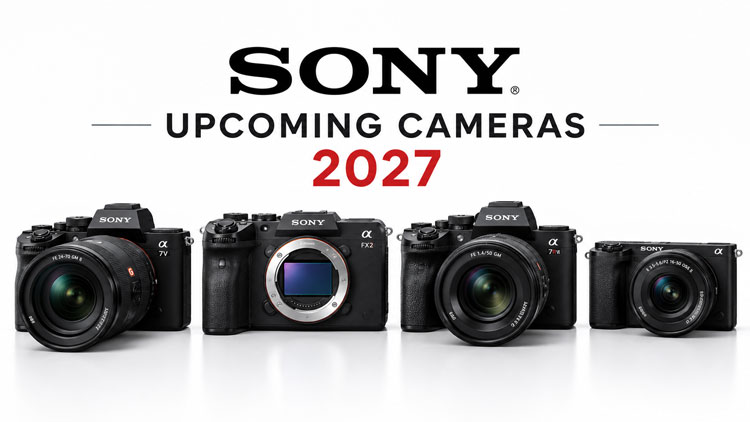
Let’s discuss the upcoming Sony cameras. Here we are going to discuss the cameras that are in the announcement pipeline, as well as the cameras that are scheduled to arrive in late 2026 and 2027, starting with legitimate FCC filings.
Before we discuss what’s coming next from Sony, specifically the cameras in the FCC announcement pipeline, let’s look at the cameras expected to arrive in 2027. All the names mentioned below have been picked up by our research team, and these models have very strong chances of making their appearance next year. So, let’s look at the list, then we will discuss the models expected to arrive next.
Sony Upcoming Cameras 2027
| Model |
Likelihood |
Expected Window |
Main Evidence |
Notes |
| a7S IV |
Highest |
Late 2026 or early 2027 |
WW261362 China registration (Sony Japan + Wi-Fi 6, Sept 2026) |
Strongest candidate for the new registration. Specs unconfirmed (possible ~16MP stacked, 9.44M-dot EVF). |
| a6900 |
Medium |
2027 more likely |
New 26MP fully stacked APS-C sensor rumor (SAR, Aug 2026) |
Sensor existence more credible than the body. SAR was only ~20% on 2026. |
| FX30 II |
Medium |
2027 |
Same 26MP fully stacked APS-C sensor |
SAR said the sensor fits a cinema body better than a stills a6900. |
| FX3 II |
Medium |
Late 2026 – early 2027 |
Older registrations + cycle |
Some sources still treat it as possible, but less noise recently than a7S IV. |
| a7C III / a7CR II |
Low |
2027+ |
Cycle pattern only |
2023 models — still early for a full refresh. |
| ZV-E1 II |
Low |
Unclear |
Older speculation |
Not a strong current signal. |
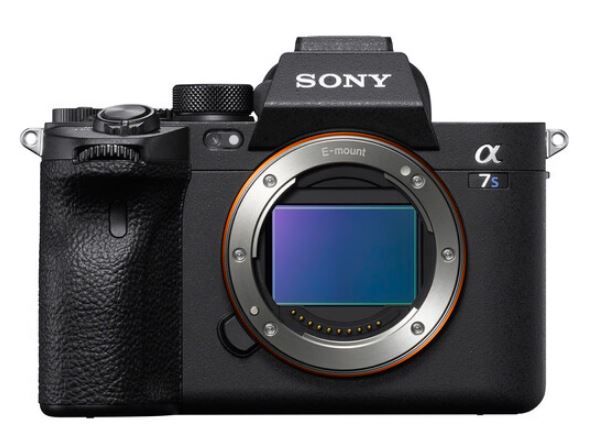
The first three cameras have the highest probability of arriving soon. The number one camera on the list is the Sony A7S IV, which is expected to use the same sensor that we have seen in the Sony FX2 camera.
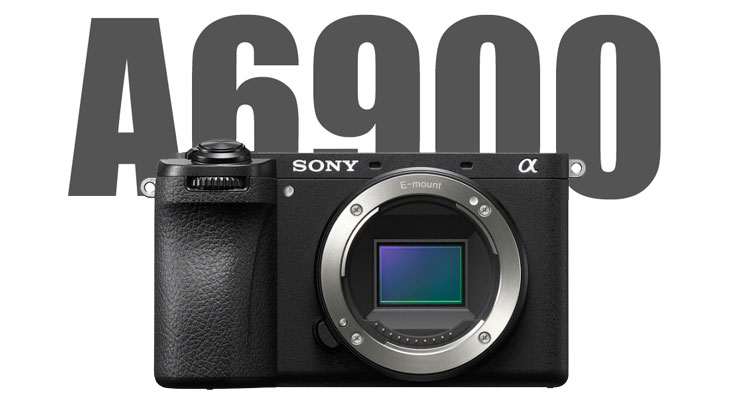
After that, we have the Sony A6900. According to sources, the announcement of the pro APS-C flagship camera will take place in the first quarter of 2027. Earlier, it was delayed due to the absence of a perfect competitor in the market. As we all know, the Nikon Z70 is about to arrive, and Canon is also planning the EOS R7 Mark II camera announcement. After that, Sony will enter the market with strong competitors that it can build against.
The initial set of rumours suggests that the camera will carry a 26MP APS-C sensor. The resolution will remain the same, but the sensor technology will be updated with the next-generation BIONZ XR image processor and an integrated AI chip.

After all the above cameras, the Sony FX30 II announcement is overdue, and it is also expected to arrive in 2027 with the same sensor that we will see in the Sony A6900. It is expected to come without a mechanical shutter and with limited photography capabilities, so it does not cannibalise the sales of the A6900 and creates a unique space for videographers and cinematographers in the market.
Sony Camera Refresh Cycle Table
| Camera |
Release Date |
Age as of Oct 2026 |
Typical Cycle Status |
| a7S III |
July 2020 |
~6 years |
Overdue |
| FX3 |
Feb 2021 |
~5.5 years |
Due for refresh |
| a7C II / a7CR |
Aug 2023 |
~3 years |
Still early |
| a6700 |
July 2023 |
~3 years |
Possible 2027 window |
| a9 III |
Nov 2023 |
~3 years |
Early |
| a1 II |
Nov 2024 |
~2 years |
Early |
| a7R VI |
May 2026 |
Recent |
Just launched |
Sony A7S IV – In the Announcement Pipeline
Regulatory filings like WW261362 usually lead to an announcement in a few months, not weeks. This points to a late 2026 or early 2027 window. Some reports mentioned a possible November target that could slip due to supply constraints (including memory pressure noted around the FX5).
Sony registered a new camera under the code WW261362 with China’s SRRC on September 23, 2026. This is the clearest recent regulatory signal of an unannounced mid-to-high-end body. Nothing is confirmed yet — no model name, sensor, or launch date.
What the FCC Filing Actually Confirms
| Detail |
Information |
| Model code |
WW261362 |
| CMIIT ID |
26J99MW70071 |
| Certificate date |
September 23, 2026 |
| Applicant |
Sony Corporation, Japan |
| Wireless |
Wi-Fi 6 (up to 1024QAM) + Bluetooth |
| Frequency |
5150–5350 MHz + 2400–2483.5 MHz |
| Validity |
5 years |
Sony Japan as the applicant matches the pattern of higher-end Alpha models (example: a7R VI used WW847606). Entry-level and some FX models are more often registered through Sony China or Shanghai.
Rumored Products
| Candidate |
Likelihood |
Why It Fits |
Main Weakness |
| a7S IV |
Highest |
a7S III is from July 2020 (~6 years old). Sony Japan applicant matches higher-end Alphas. |
Overlap risk with FX3 / FX5 |
| FX3 II or other FX body |
Medium |
Cinema Line also due for refresh; shares low-light sensor DNA with a7S III |
Some FX models registered under Sony China/Shanghai |
| a7C II / a7CR successor |
Low |
Possible later, but 2023 models are still relatively new |
Cycle timing is early |
| a6900 (APS-C) |
Low |
Stacked APS-C sensor rumors exist, but usually later window |
Weaker fit for Japan-registered mid/high-end filing |
Rumored a7S IV direction (unconfirmed): ~ New stacked sensor, high-res EVF, BIONZ XR2-class processing, updated AF and IBIS, stills support with mechanical shutter, standard Alpha menus (not full Cinema Line interface).
Final Take by TNC
WW261362 is real evidence of a new mid-to-high-end Sony camera in the pipeline. Product cycle timing and the Sony Japan applicant make the a7S IV the strongest current rumor candidate, with an FX successor still possible. No specs, price, or exact date are confirmed.
For U.S. buyers who need a full-frame low-light hybrid or cinema body right now, the a7S III and FX3 remain available and capable. Waiting only makes sense if you specifically need next-generation readout, open-gate options, or improved cooling that current firmware cannot deliver. We will update when new filings or official details appear.
The article “Sony Upcoming Cameras 2027” was written by thenewcamera.com team at 8:04 pm, Monday, 26 October 2026, Greenwich Mean Time | You can also follow us on Our Official Social Media Handles FACEBOOK | TWITTER | INSTAGRAM > get live news — > DJI Rumors
By admin, on October 25th, 2026
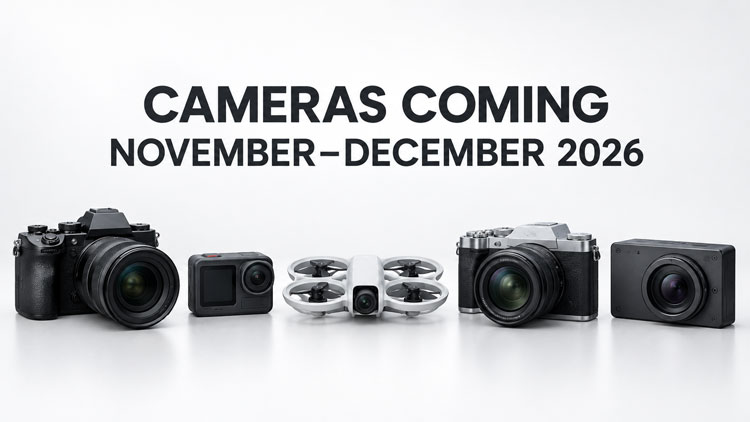
Cameras Coming in November 2026 (and Possible December Slips): What’s Real, What’s Rumor, and What You Can Buy in the US
November is almost here, and we have approximately two months left before 2026 comes to an end. During these two months, we can expect a new range of cameras, starting with the Nikon Z70 and the Insta360 Ace Pro 3. So, let’s discuss the cameras we can expect to see over the next two months.
November is the main launch window, but a few products could still slip into early December. Sigma has already announced the FP2, with a confirmed November 11 shipping date. The Fujifilm X-T6 remains the strongest unannounced camera rumor. Everything else is less certain, and several DJI products have no official US launch path.
Nikon Z70 — Soft November Window (Can Slip)
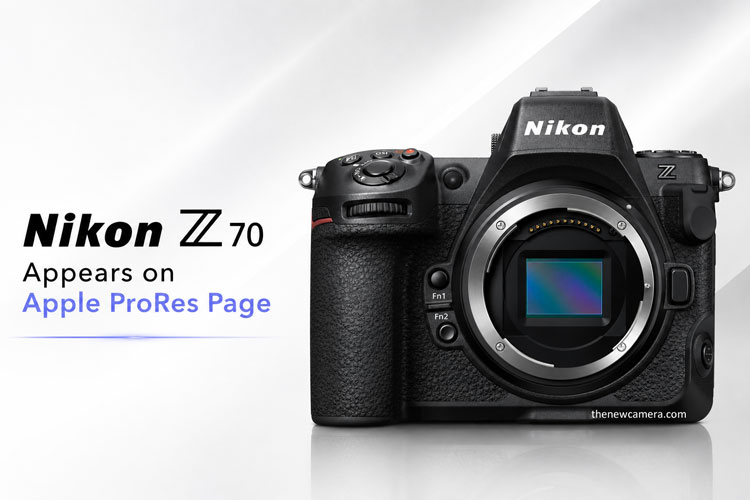
We first saw the name of the Nikon Z70 camera when it appeared on the Apple-compatible camera list. After that, we received strong indications from our sources.
According to the trusted rumour mill, the announcement/arrival month of the Nikon Z70 is November 2026. Finally, the wait may soon be over. We are going to have a true professional APS-C mirrorless camera and a potential replacement for the Nikon D500.
Later on the same source also added that, the date can still slip into early December. Specs, sensor, price, and final name are unconfirmed.
US buyer note: If it launches, it should be sold officially in the US. Treat the date as soft.
Insta360 Ace Pro 3 – FCC Confirmed, Announcement Soon
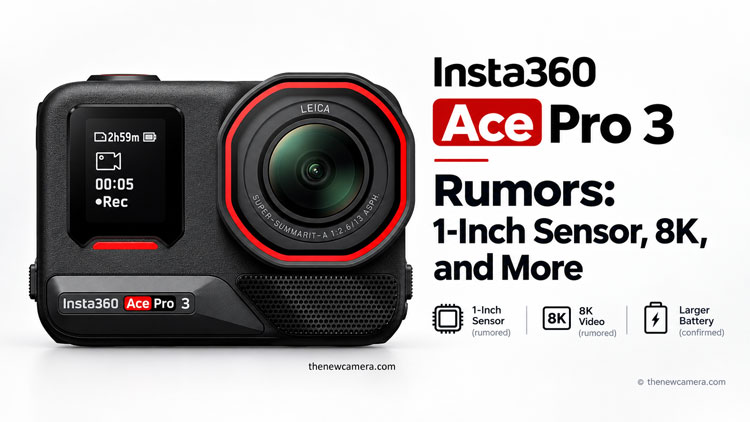
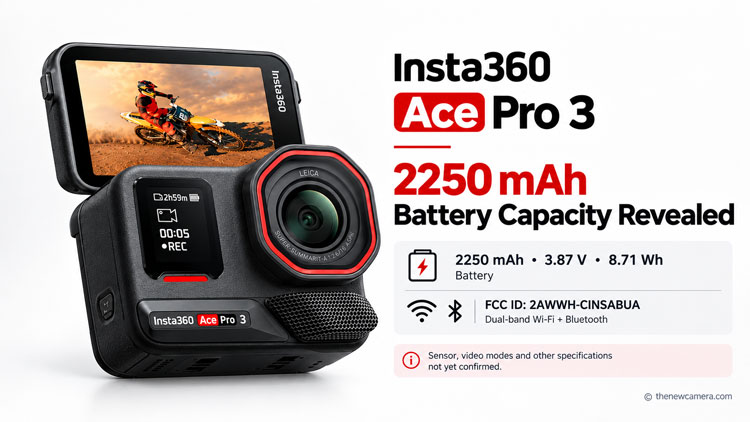
The Insta360 Ace Pro 3 is confirmed. We first reported the FCC filing on 13 October 2026. Regulatory data later revealed a larger battery. The two upgrades the market is expecting most – a 1-inch sensor and stronger 8K video- additionally made the arrival window clearer.
Although we do have strong hints related to the presence of a large 1-inch sensor and 8K video recording capability with 4K 120fps frame rate, the most consistent rumour for the Ace Pro 3 is a 1-inch (or ~1/1.2-inch) 50MP Leica-tuned sensor.
Reported (unconfirmed) details circulating from various sources:
- 1-inch class sensor (some claims of Leica tuning)
- 8K video capability
- Larger battery (one report lists 2,250 mAh)
- Late October to late November announcement window based on past Ace series timing (early December slip possible)
Insta360 products normally launch officially in the US. Treat all sensor, video, and price claims as rumor until Insta360 confirms them. The FCC filing is the only hard public evidence so far.
DJI Neo 3 – Strongest DJI Candidate, No Official US Path
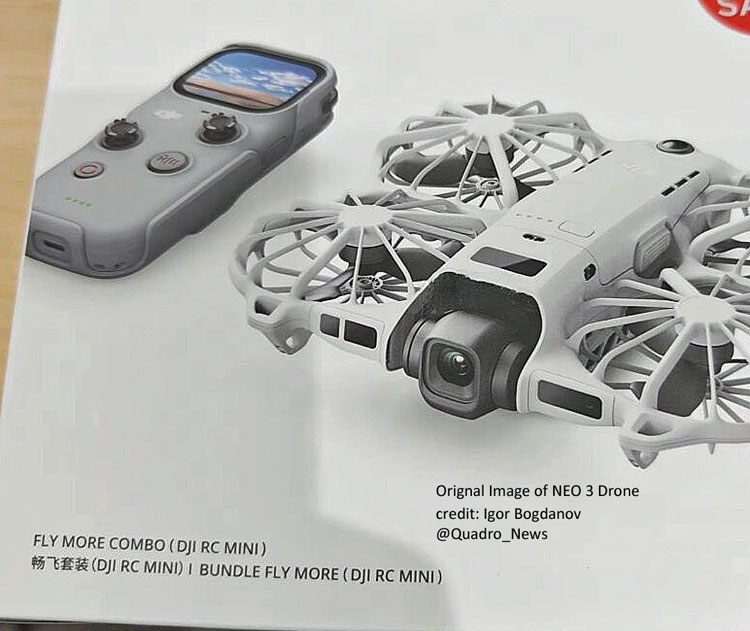
Based on the Neo series announcement pattern and the latest leaks related to the Neo 3, all of this suggests that the announcement could be just around the corner. As we have seen with previous DJI launches, announcements often begin in mainland China, followed by a global rollout over the next few weeks. Therefore, we could see a global rollout of the Neo 3 throughout November 2026.
The most convincing part is DJI NEO 3 leaked retail box units, which is floating on web for more than a month. Thats a usual thing before DJI product announcement,
Boxed units with “Not For Sale” stickers have been filmed in Indonesia. A 192.7 g production listing and a three-cell battery that does not fit the Neo 2 have appeared. Camera rumors center on a larger 1/1.1-inch square sensor. Jasper Ellens’ October 7 estimate pointed to mid-to-late November, but that remains a guess and could easily move into early December.
No aircraft FCC grant exists. The RC Mini controller has a pre-cutoff grant, but that does not authorize the drone itself.
US buyer note: Extremely unlikely to appear on DJI.com/us. Gray-market units may show up, but they will have no US warranty or Remote ID path. Neo 2 and other legal sub-250 g models remain the practical US options.
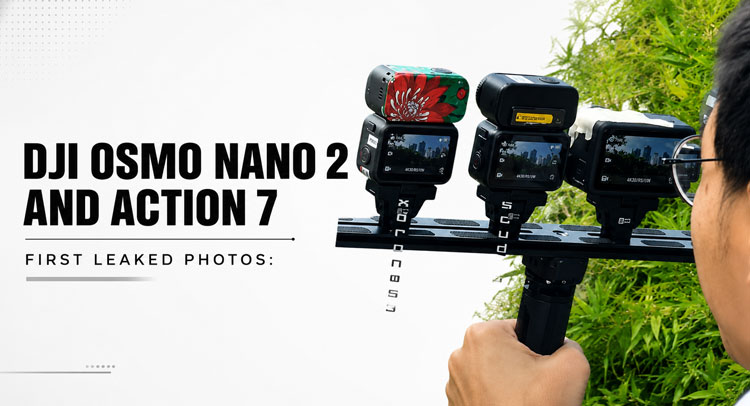
DJI Osmo Action 7 and Osmo Nano 2 – Late 2026
As we have said in outr prev post too, Starting from the beginning of the year, we have added updates related to the DJI Action 7 and Osmo Nano 2 in that post. We have clearly mentioned that the scheduled launch time could be sometime in November 2026
Some weaker Chinese reports have claimed a pre-November 11 launch, but these are not from trusted sources. Action 6 already has 8K/30 and the square sensor. New DJI action cameras face the same Covered List restrictions that have kept other post-December 22, 2025 products off official US shelves. An early-December announcement remains possible but low confidence.

Fujifilm X-T6 – Strongest Remaining November Rumor
FujiRumors continues to point to a November announcement for the X-T6, possibly alongside the XF 50-140mm f/2.8 R LM OIS WR II. The camera was delayed from an early September window because of component shortages. A bottom-plate sketch published October 21 shows no vertical battery-grip connector.
Rumored (unconfirmed) details include a 40MP APS-C X-Trans sensor, new X-Processor 6 with better AI AF, larger NP-W255 battery, and improved video specs. Fake “mega specs” lists from earlier in the year should be ignored.
Confirmed November Lens
Sigma 16-300mm F3.5-6.7 DC OS Contemporary for Nikon Z ships to authorized dealers on November 5 at $769.
What US Buyers Should Do
- Sigma FP2: Already announced. Pre-order if it fits your needs. Ships November 11.
- X-T5 buyers: The X-T6 is the only remaining camera with a reasonably consistent November window. Waiting a few more weeks is reasonable.
- Action camera buyers: Ace Pro 3 has an FCC grant but no official announcement. Action 6, Ace Pro 2, and GoPro Mission 1 Pro are the real US options today.
- DJI shoppers: Do not hold a purchase for Neo 3 or Action 7 if you need a US warranty. Legal options remain Mini 5 Pro, Avata 360, Neo 2, Action 6, and Pocket 3.
- Nikon APS-C: Z70 is still soft and could move into early December.
November 2026 camera update for US buyers, plus possible early-December slips. Sigma FP2 ships November 11 at $2,199. Fujifilm X-T6 is the strongest rumor, Ace Pro 3 has an FCC filing, and DJI Neo 3 still has no official US path.
Thats the update we have for now, if any new update arrive we will be updating the article soon.
The article “Cameras Coming in November and December 2026” was written by thenewcamera.com team at 7:39 pm, Sunday, 25 October 2026, Greenwich Mean Time | You can also follow us on Our Official Social Media Handles FACEBOOK | TWITTER | INSTAGRAM > get live news — > DJI Rumors
By admin, on October 23rd, 2026
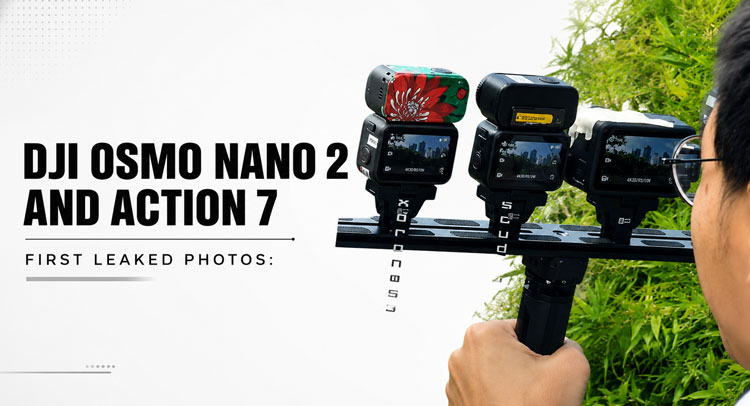
Starting from the beginning of the year, we have added updates related to the DJI Action 7 and Osmo Nano 2 in that post. We have clearly mentioned that the scheduled launch time could be sometime in November 2026.
Now, going back to August 17, 2026, we got some prototype images of the Action 7 alongside the Nano 2. And that raised a lot of questions about the possibility of both these cameras arriving before the end of 2026.
The pre-November 11 launch window, and why it matters
Now we are getting some fresh updates, and that’s why I am publishing this article on my website. Following the appearance of these two cameras on August 11, 2026, the November 11 announcement claim was reported by Digicame-info, a Japanese website. It originally appeared on a Chinese account named Independent Photographers’ Union, which said that both cameras had entered the testing phase and could be announced before Singles’ Day. A post published on October 15, 2026, indicates that this claim originated from that Chinese account, which has also made some past predictions related to DJI products.
The most important part is that DJI launches its products on different timelines based on geographical factors. Announcements often start in China and later reach other markets at different intervals. After China, we have the Asian region, followed by the rest of the world. However, the United States is a different case, since no new DJI products requiring FCC authorization can receive new authorization under the current restrictions.
So yes, the November 11 date is important, but it is not backed by highly trusted sources like Igor or others. However, since the claim is now circulating and we are getting a lot of queries about this specific date, we have clarified the origin of the rumours. Japanese media subsequently covered the claim, and now it is circulating across the web.
Our estimate (labelled as an estimate)
In August we published estimated US prices of 349–429 for the Action 7 Standard Combo and 329–379 for the Nano 2. Action Camera Rumors and Imaging Resource have since quoted those numbers, so just again a firendly reminder to price tags
| Camera / bundle |
Global-equivalent launch price (estimate) |
Likely US reseller price (estimate) |
Reasoning |
| Osmo Action 7 Standard Combo |
379–429 |
~430–500 |
Action 6 at $379, and at most one more step up, with a ~15% US reseller premium on top |
| Osmo Action 7 Adventure Combo |
479–549 |
~550–630 |
Adventure has sat $100 above Standard for two generations |
| Osmo Nano 2 (base storage) |
299–349 |
~345–400 |
Nano launched at $299 |
| Osmo Nano 2 (higher storage) |
329–379 |
~380–435 |
Nano 128GB launched at $329 |
Will it become available in the USA? That’s the biggest question, and we already know the answer.
Yes, sooner or later, it may become available through the grey market, as we have seen with the DJI Pocket 4P. Although it is not officially available in the United States, it is listed for sale on Amazon US. The Pocket 4 is also available through third-party sellers.
The article “DJI Action 7 and Nano 2: Expected Launch Before November 11?” was written by thenewcamera.com team at 7:54 pm, Friday, 23 October 2026, Greenwich Mean Time | You can also follow us on Our Official Social Media Handles FACEBOOK | TWITTER | INSTAGRAM > get live news — > DJI Rumors
By admin, on October 23rd, 2026
As per the initial set of rumours shared by the source, Canon is working on the development of its upcoming V-series camera, and the name of the camera is Canon R8V.
But don’t get too excited. The camera is not coming this year. That is Q4 of 2027; it is expected to arrive on or before that.
Canon is reportedly developing a new full-frame V-series camera called the EOS R8V. According to the latest source, the camera will share a similar body design with the EOS R6V, use the same 32.5MP sensor, and retain IBIS along with card slots. It is expected to arrive in Q4 2027.
Body Design
The R8V is said to follow the R6V’s video-first body design. This points toward a compact, creator-oriented layout (likely without an EVF) while still including IBIS and card slots — features that were important on the R6V.
Sensor
It will use the same 32.5MP full-frame CMOS sensor as the EOS R6V (and R6 Mark III). This would be a notable step up from the 24.2MP sensor used in the EOS R8 and R8 Mark II.
Video Specifications (as per source)
- 7K 60p — Skipped
- 4K 60p — Uncropped
- 4K 120p — APS-C crop
- Open Gate — No mention
The source indicates Canon is deliberately limiting the high-end video modes on the R8V, keeping 7K 60p and Open Gate exclusive to the R6V.
How It Fits in the Lineup
| Model |
Sensor |
Key Video |
IBIS |
Arrival |
India Price (approx.) |
| R8 Mark II |
24.2MP |
4K60 uncropped |
Yes |
Available |
₹1.79 lakh |
| R8V (Rumor) |
32.5MP |
4K60 uncropped, 4K120 APS-C |
Yes |
Q4 2027 |
₹1.7–2.2 lakh (est.) |
| R6V |
32.5MP |
7K60 + Open Gate + 4K120 uncropped |
Yes |
Available |
₹2.36 lakh |
What This Could Mean
If the rumor is accurate, the R8V would sit between the R8 Mark II and the R6V. It would give creators access to the newer 32.5MP sensor and an R6V-style body with IBIS, but without the full high-end video feature set of the R6V. This kind of segmentation is typical for Canon.
Final Notes
All information above is based on the provided source and remains unconfirmed. Specs, pricing, and exact launch timing can still change.
We will post an update as soon as we get any new infromation
The article “Canon R8V Rumor: R6V-Style Body, 32.5MP Sensor, IBIS, Expected Q4 2027” was written by thenewcamera.com team on 3:06 pm, Friday, 23 October 2026, Greenwich Mean Time | You can also follow us on Our Official Social Media Handles FACEBOOK | TWITTER | INSTAGRAM > more live Camera News + Canon Rumors 24X7
By admin, on October 21st, 2026
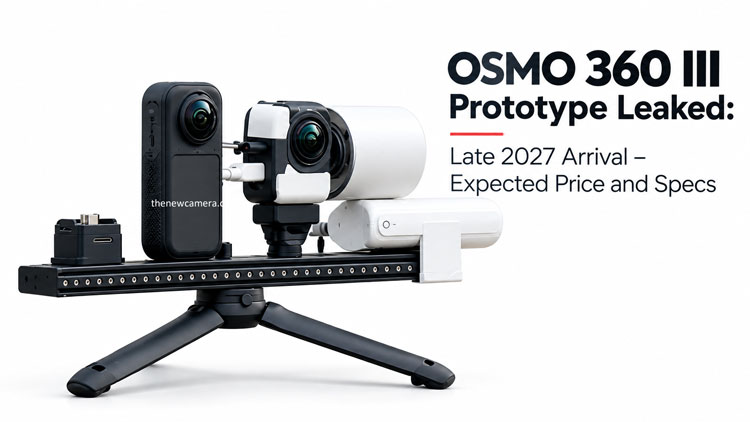
DJI was caught testing a new camera that appears to be an early prototype of the upcoming Osmo 360 II. A fresh image shared by trusted leaker Igor Bogdanov (@Quadro_News) shows an engineering test rig holding two different form-factor modules side by side.
One is a tall black rectangular unit similar to the current Osmo 360 / Osmo 360 II body. The other is a shorter white cylindrical unit with visible dual lenses.
This type of setup is typical of early prototype testing, where DJI evaluates different body sizes and layouts before locking a final design. Quadro_News has a reliable track record with accurate early photos of both the original Osmo 360 and the Osmo 360 II. At this stage, there is no model number, FCC filing, or confirmed specification. The images simply indicate that DJI is already working on different Osmo 360 body variants.
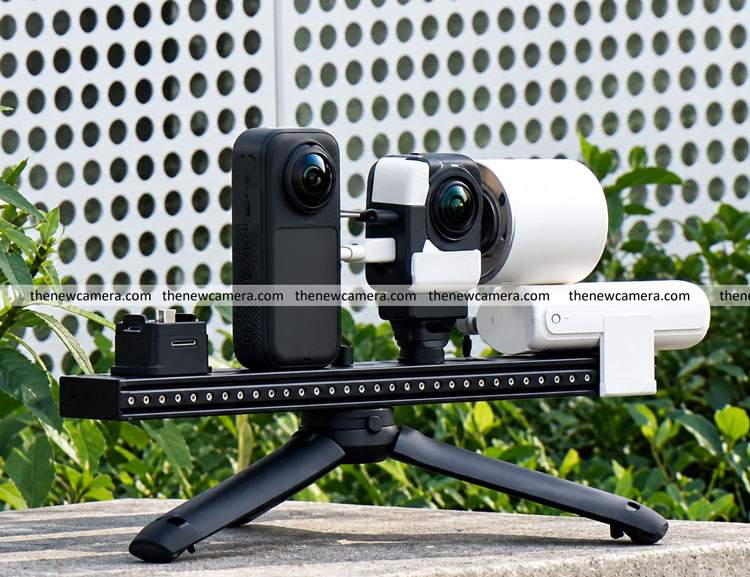 More clear picture – OSMO 360 II Late 2027 Arrival Expected
As per the announcement scheduled of the DJI OSMO series of cameras, the gap between the first Osmo 360 and the Osmo 360 II was roughly 13 months.
- Original Osmo 360 launched at the end of July 2025
- Osmo 360 II launched in China on 13 August 2026 and globally at IFA on 3 September 2026
- The most realistic window for an OSMO 360 III is late 2027, with a more specific target of August–September 2027.
The current testing is early-stage R&D rather than something close to announcement. Companies routinely begin next-generation work while the current model is still new.
Expected Price
The jump from the first Osmo 360 to the Osmo 360 II was meaningful in several markets:
- Original: roughly €480 / £410 (suggested US ~$550)
- Osmo 360 II: China ~¥3,299 (~$460), Europe €589 / £509
That represented an increase of roughly 20–25% in Europe. A third generation arriving in late 2027 would likely continue a modest upward trend.
A realistic Standard Combo expectation for the OSMO 360 III sits in the €650–720 / £550–620 range (or equivalent). This would keep it competitive with Insta360’s flagship while reflecting higher component or processing costs.
US status: Official US availability of new DJI cameras remains uncertain. The Osmo 360 II received FCC authorization but has not received an official US store launch. Any future III would face the same uncertainty.
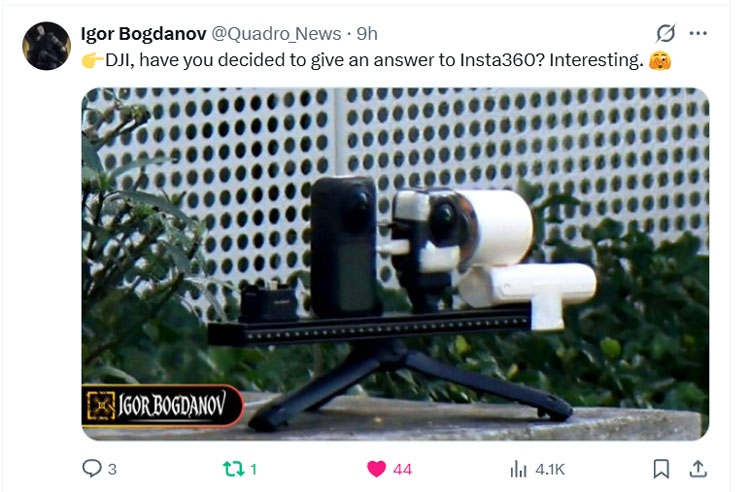 The OG low-res image of the OSMO 360 III camera Expected Specs
The prototype images show dual-lens modules that do not indicate a major change in sensor size. Both the original Osmo 360 and the Osmo 360 II used dual 1/1.1-inch square sensors, and the current test units appear consistent with that platform. The sensor size is therefore expected to remain the same, though this is not yet confirmed.
With the sensor platform likely unchanged, meaningful upgrades on an OSMO 360 III would most likely come in other areas:
- Further improvements in dynamic range and low-light processing (building on the II’s 14.5-stop claim)
- Better sustained frame rates or improved thermal performance at 8K
- Larger battery or more efficient power management for longer 8K recording
- Enhanced AI features (improved SuperNight, tracking, or subject isolation)
- Refinements to the user-swappable lens system introduced on the II
- Better connectivity, magnetic accessory support, or screen brightness
- Incremental gains in audio or durability
In short, the next model is more likely to be a polished evolution focused on real-world usability rather than a complete sensor overhaul.
We will continue monitoring Quadro_News and other sources for further prototype images, FCC filings, or official teases related to a possible OSMO 360 III.
The article “OSMO 360 III Prototype Leaked: Late 2027 Arrival – Expected Price and Specs” was written by thenewcamera.com team at 6:44 pm, Wednesday, 21 October 2026, Greenwich Mean Time | You can also follow us on Our Official Social Media Handles FACEBOOK | TWITTER | INSTAGRAM > get live news — > DJI Rumors | Insta360 News
By admin, on October 20th, 2026
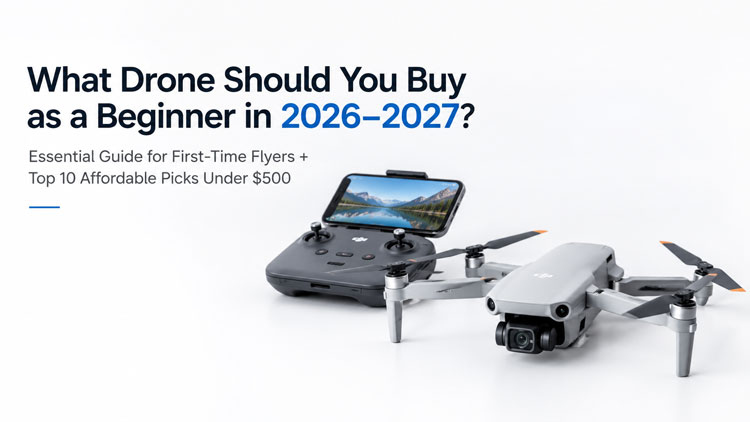
Which drone to buy? We have a few months left in 2026, and 2027 is about to arrive. Over the past few months, we have tested the most popular DJI models intensively, and we have also collected feedback from our subscribers on the most trusted sub-250 g drones they own and are happy with in terms of performance.
Our priority feature list includes: Sub-250 g models now routinely deliver GPS stability, Return-to-Home, usable 4K video, and enough flight time for real learning sessions. The hard part is no longer finding a capable drone — it is matching the right aircraft type to how you actually want to fly.
There are three distinct philosophies under $500 right now:
- Traditional GPS camera drones (DJI Mini 4K, Potensic ATOM series) that teach proper stick skills and produce smoother footage.
- Palm-launch follow drones (DJI Neo / Neo 2) that prioritize ease and self-filming over range or flight time.
- Safety-first designs (DJI Flip) that add full propeller guards and better imaging without leaving the sub-250 g class.
Most first-time buyers over-index on camera resolution and under-index on obstacle sensing, real-world flight time, and how forgiving the aircraft is during the first 10–20 hours. This guide focuses on those trade-offs and should remain relevant through early 2027, barring major regulatory or product shifts.
What Actually Matters for Beginners in 2026–2027
- Weight under 250 g remains the single most useful filter in the US (no FAA registration for recreational use). In India the same weight class (Nano) carries lighter operational rules in green zones, but complete foreign drones have been prohibited for import since February 2022. Grey-market units exist; they carry customs and Digital Sky registration risks. Always verify current rules on Digital Sky before buying or flying.
- GPS + reliable Return-to-Home is non-negotiable for outdoor learning. Optical-flow-only hover is fine indoors; it is not enough for real flights.
- Stabilization quality separates usable footage from disappointing results. A 3-axis mechanical gimbal (Mini 4K, Flip, ATOM 2) is still superior to strong EIS or a 2-axis setup for most beginners. The difference shows up immediately in wind or during turns.
- Obstacle awareness is the highest-value safety feature at this price. Only a few models under $500 offer meaningful forward or omnidirectional sensing (notably the Neo 2). Everything else requires deliberate open-space flying while you build skill.
- Real flight time is usually 70–80% of the rated figure once you add wind, maneuvers, and cold batteries. Extra batteries matter more than the headline number.
- Transmission and control determine how confidently you can fly. DJI’s O2/O4 systems and app remain the most polished; non-DJI options have closed the gap but are not identical.
Top 10 Affordable Picks Under $500 (Late 2026, Relevant into 2027)
Prices are approximate US street pricing as of mid-to-late October 2026 and move with sales. Specs are drawn from manufacturer data and recent reviews.

1. DJI Mini 4K (~$299) — Best overall for learning
~246 g, 3-axis gimbal, 4K/30 (1/2.3″ 12 MP), ~31 min rated, 10 km O2 transmission, GPS + RTH, Level 5 wind resistance, downward sensing only.
This remains the clearest “first real drone” for most people. The 3-axis gimbal produces noticeably smoother video than EIS-only competitors, the hover is stable, and the controller teaches transferable skills. The main limitation is the lack of forward obstacle sensing—you must give it space. Ideal if you want to learn proper flying rather than just generate follow clips.
DJI Mini 4K Available at Amazon

2. DJI Flip (~349sale/~439 MSRP with RC-N3) — Safest high-quality option
Under 249 g, full-coverage foldable prop guards, palm launch, 1/1.3″ sensor (up to 48 MP), 4K/60 HDR, ~31 min, AI tracking, GPS.
The combination of guards + larger sensor is hard to beat for nervous first-timers or anyone flying near people or structures. Image quality is a clear step above the Mini 4K. Wind performance is good for the weight class but the light frame can still get pushed. Best when safety and footage quality both matter.
DJI Flip available for Amazon.com
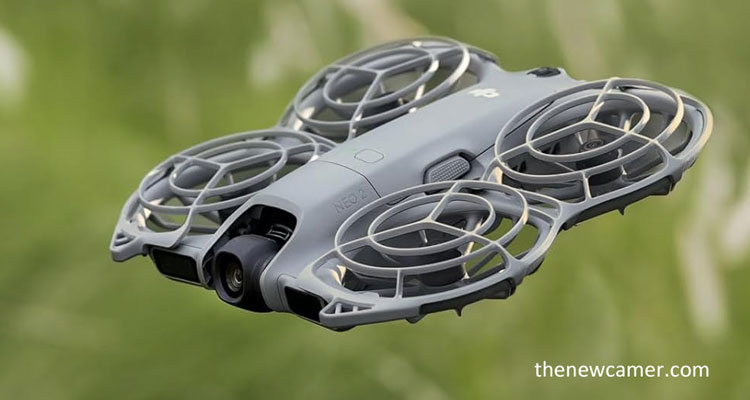
3. DJI Neo 2 (drone only ~259;practicalFlyMore+RC~400–$450) — Best follow/vlog with sensing
~151 g, omnidirectional sensing (vision + forward LiDAR), 2-axis mechanical gimbal, 4K/60 (up to 4K/100 slo-mo), 1/2″ 12 MP, ~19 min, full guards, palm/gesture/voice + optional RC, GPS.
A meaningful upgrade over the original Neo. The sensing and better camera make it far more usable near obstacles, while palm launch keeps the learning curve low. US availability is primarily through authorized resellers rather than always the official DJI US store—check warranty terms. Get the multi-battery + controller package if you want more than short selfie sessions.
DJI Neo 2 Available at Amazon.com

4. DJI Neo (~139–169 base) — Lowest-friction entry
~135 g, full prop guards, palm/gesture control, AI tracking, 4K/30, ~18 min.
Still the easiest way to get airborne and capture selfies with almost zero setup. Range and flight time are limited without the optional RC and extra batteries. Excellent as a first experience or dedicated follow tool; less ideal as a pure learning platform.
DJI Neo Available at Amazon.com
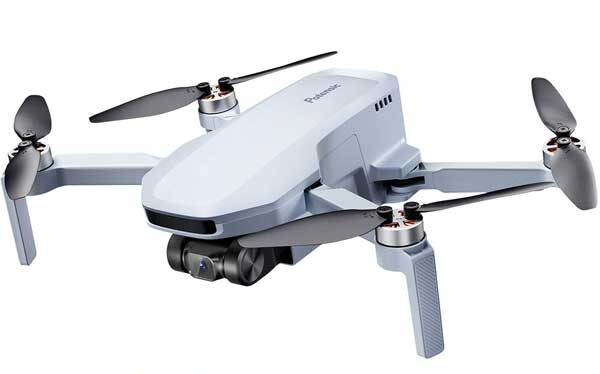
5. Potensic ATOM 2 (~300–360 base) — Strongest non-DJI all-rounder
Sub-249 g, 1/2″ sensor (48 MP), 3-axis gimbal, 4K HDR, ~32 min, AI tracking, up to 10 km, GPS + RTH.
The clearest hardware-value alternative to DJI right now. Sensor and gimbal are competitive, and the feature set is solid for the price. The app and long-term ecosystem polish trail DJI, but for many beginners the difference is smaller than the price gap.
Atom 2 available at Amazon
6. Potensic ATOM SE (~180–250) — Best pure budget GPS value
Sub-249 g, 4K with EIS, ~31 min, GPS + RTH, often sold with dual batteries, Level 5 wind.
If you want reliable GPS flight and return-to-home without paying the DJI premium, this is the practical floor. No 3-axis gimbal means video is less smooth than the Mini 4K or ATOM 2, and transmission is shorter. Still a legitimate starter rather than a toy.
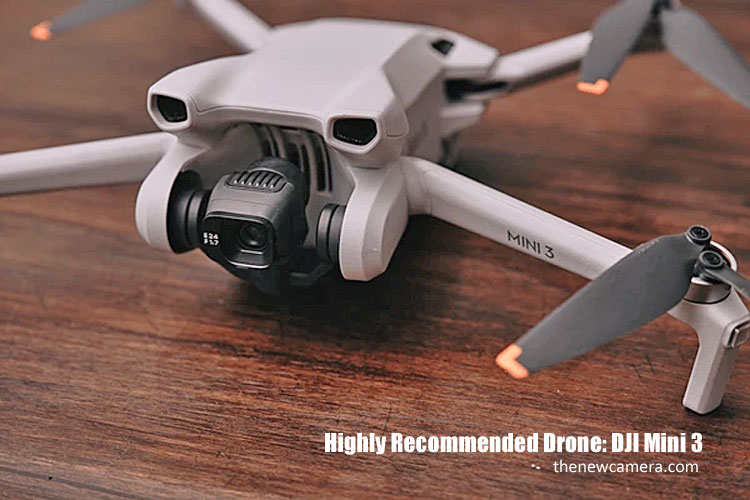
7. DJI Mini 3 (~269deepsaleto~380–$420 typical) — Best camera in the budget when discounted
Under 249 g, larger sensor class, 4K HDR, strong stills, true vertical shooting, ~38 min rated.
An older but still capable platform. When it dips near or under $300 it becomes highly attractive for image quality and flight time. Stock is less consistent than the Mini 4K. Worth checking current pricing.
8–10. Budget GPS alternatives (Holy Stone HS series, select Ruko models, Potensic ATOM LT)
These fill the 150–300 range with GPS, RTH, and 4K in various forms. Quality and consistency vary more than with DJI or current Potensic models. Useful if the top picks are unavailable or if you specifically want maximum affordability and are willing to research recent owner feedback carefully. Avoid pure no-GPS toys under ~$150 for outdoor use.
Final Recommendation
For the majority of first-time flyers who want to actually learn the hobby and get usable footage heading into 2027, the DJI Mini 4K remains the most balanced choice under $500. Choose the Flip if safety and image quality are higher priorities, or the Neo 2 if self-filming and obstacle sensing matter more than flight time. The Potensic models are the strongest reasons to step outside the DJI ecosystem.
Prices and stock change quickly. Verify current listings, firmware support, and local regulations before purchase. Extra batteries and basic practice in open areas will matter more than any single spec on the box.
The article “What Drone Should You Buy as a Beginner in 2026–2027? Essential Guide for First-Time Flyers + Top 10 Affordable Picks Under $500” was written by thenewcamera.com team at 8:08 pm, Tuesday, 20 October 2026, Greenwich Mean Time| You can also follow us on Our Official Social Media Handles FACEBOOK | TWITTER | INSTAGRAM > get live news — > DJI Rumors | Insta360 News
By admin, on October 19th, 2026
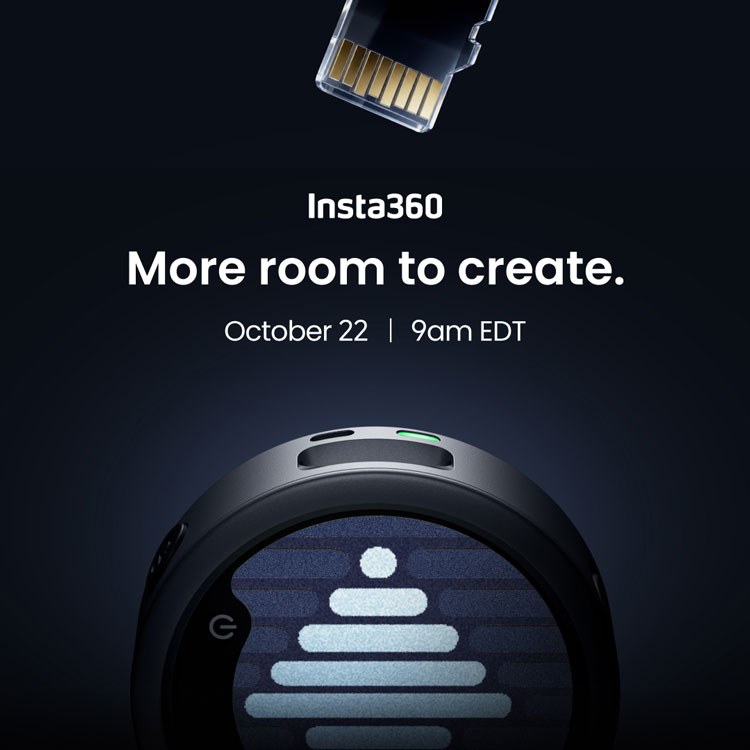
Insta360 has officially confirmed that a new Mic Series model is arriving on October 22, 2026, at 9 am EDT.
We just received confirmation from Insta360’s official Twitter account; they posted the teaser today. With the line, “More room to create 🎙️”, and asked followers to guess the features.
The image shows a circular transmitter with a display and a microSD card floating above it – a clear hint at the product’s storage approach.
Update (4:00 pm, Wednesday, 21 October 2026, Greenwich Mean Time):
Detailed specifications for the new Insta360 Mic (the “light flagship” model) have now surfaced. These details match information already available in Insta360’s product manuals and give a clearer picture of the model ahead of the official October 22 announcement.
Key Specs of the Insta360 Mic (Light Flagship):
- Storage: microSD card (64–512 GB compatible). Unlike the Mic Pro’s fixed 32 GB built-in storage, this uses removable media for expandable internal recording.
- Microphone: Single capsule with 4 selectable pickup modes (Omnidirectional, Cardioid, Figure-8, Super-directional) + 2-level AI noise reduction.
- Recording: 32-bit float internal WAV recording + LTC timecode support.
- Battery: 222 mAh; approximately 13 hours on the transmitter, ~34 hours with the charging case.
- Display: Customizable 6-colour 1.22″ e-ink screen.
- Connectivity: Bluetooth 5.4, up to 400 m transmission range.
- Weight: 19.4 g (transmitter, including dummy card; excludes clip and magnetic plate).
The new Mic keeps the customizable e-ink display, directional pickup modes, AI noise reduction, 32-bit float internal recording, and LTC timecode while switching to expandable microSD storage and a single capsule. It is positioned as the more accessible option between the Mic Air and the full Mic Pro.
What We Know So Far
Insta360’s official product manuals already list a model called “Mic” (distinct from the existing Mic Air and Mic Pro), with a release date of October 15, 2026. The October 22 teaser timing and the memory card in the image strongly match this product.
Key differences based on the manuals:
- Storage: Uses a memory card for internal recording (unlike the Mic Pro’s built-in 32GB storage)
- Microphones: Single microphone (Mic Pro uses a 3-mic array)
- Display: Supports a customizable 6-color E-ink display (similar to Mic Pro)
- Features: Directional pickup modes, auto gain, and 2-level noise cancellation
- Battery: Around 13 hours on the transmitter
- Form factor: Circular design roughly matching the Mic Pro transmitter size (~38mm diameter)
It is positioned as a more accessible “light flagship” option that brings E-ink personalization and internal recording without the full Mic Pro feature set.
.All current models support direct Bluetooth connection to recent Insta360 cameras including the Luna Pro/Ultra, X6, X5, X4 Air, Ace Pro 2, and GO Ultra.
Why This Matters for US Creators
With ongoing limitations on new DJI products in the United States, Insta360 has become a stronger option for many creators who want reliable wireless audio that works directly with their cameras. The addition of a mid-tier model with removable storage could fill a useful gap between the simple Mic Air and the more expensive Mic Pro.
What to expect on October 22: Full specs, pricing, and availability. The official announcement is set for 9am EDT.
We’ll update this story as soon as Insta360 reveals the full details.
The article “Insta360 Teases New Mic Series Model for October 22” was written by thenewcamera.com team at 5:29 pm, Monday, 19 October 2026, Greenwich Mean Time| You can also follow us on Our Official Social Media Handles FACEBOOK | TWITTER | INSTAGRAM > get live news — > DJI Rumors | Insta360 News
|
KEEP THIS BLOG ALIVE - Support New Camera Buy Canon Lenses, Buy Music CD or Digital Camera at amazon it helps this site, and you do not pay anything extra, it is just a way to help support this site.

|