Join More Than 50,000+ Subscribers and get latest camera news and rumors
NEW CAMERA VIDEOS ON YOUTUBE
|
By admin, on July 25th, 2025
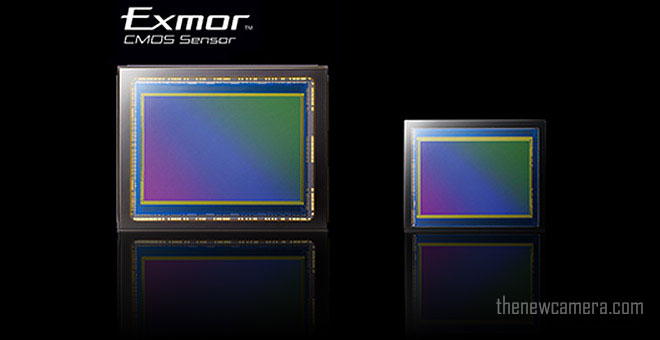
List of Sony Sensors that may get used inside Upcoming Sony’s own Mirrorless cameras. So, without a doubt, the market leader in sensor manufacturing for mirrorless full-frame cameras as well as smartphones. Although we are not talking about the smartphone sensors here, we do have an updated list of camera sensors — the sensors that might be used in upcoming mirrorless camera bodies, or some of them are already being used in existing mirrorless cameras. Some of the sensors are reserved for future Mirrorless bodies
1. Sony Micro Four Thirds (M4/3) Sensors
Here is the list of the Latest M4/3 format sensors – we have two sensors in the list and both are new ready to get used in upcoming M4/3 format based cameras
- IMX492LQJ
- Resolution: 47.08M effective pixels
- Technology: Color square pixel array
- Performance: Capable of 31.3 frames per second (FPS) for still shots and 8K video recording
- Potential Use: Likely to be used in high-resolution M4/3 cameras from Panasonic or OM System
- IMX594CQR
- Resolution: 41MP
- Performance: Capable of recording DCI 4K video
- Potential Use: Suitable for M4/3 cameras focused on video, such as Panasonic’s Lumix GH series
2. Sony APS-C Sensors
Sony’s APS-C sensor is primarily being used by Fuji in their camera, so now we have a 43 MP Stacked CMOS sensor, the latest one, a perfect upgrade for the Fuji X-H2 camera. The IMX510 sensor is already available in the market for a while
- IMX671AQR
- Resolution: 43MP
- Technology: Stacked DRAM, up to 16-bit depth for still images
- Performance: Capable of 8K 12-bit video recording
- IMX510
- Resolution: 32MP
- Technology: APS-C sensor (introduced in 2018)
- Performance: Limited data available; likely supports high-resolution stills
3. Sony Full-Frame Sensors
Full-frame sensors are the backbone of Sony’s Alpha series and also of Nikon’s. Nowadays Panasonic is also heavily dependent on Sony sensors
- IMX521CQR
- Resolution: 15.3MP (with Quad Bayer design, potentially up to 61MP)
- Technology: Quad Bayer structure for enhanced dynamic range and resolution
- Performance: Capable of 4K/60p video with HDR mode
- IMX311
- Resolution: 48.9MP
- Technology: Back-illuminated (BSI) CMOS, active pixel technology
- Performance: Up to 24 FPS in still picture mode
- Potential Use: Suitable for high-resolution full-frame cameras from Sony, Nikon, or Panasonic
- IMX313
- Resolution: 48.97MP
- Technology: BSI CMOS, active Pixel technology
- Performance: Up to 24 FPS in still picture mode
- IMX409
- Resolution: 55MP
- Technology: BSI, square pixel array technology
- Performance: Up to 13.2 FPS in still picture mode
- IMX410
- Resolution: 24.6MP
- Technology: BSI CMOS, square pixel array technology
- Performance: Delivers 24MP stills at 19 FPS in full readout mode
- IMX554DQC
- Resolution: 30MP
- Technology: BSI, square pixel technology
- IMX366 (New for 2025)
- Resolution: 44MP
- Technology: Back-illuminated (BI), non-stacked full-frame sensor
- Performance: Capable of 26 FPS in still image mode, 8K 12-bit video, and 4K 120p video
- IMX455 (New for 2025)
- Resolution: 61MP
- Technology: Back-illuminated (BI), non-stacked full-frame sensor
- Performance: Capable of 9 FPS in still image mode
4. Sony Medium-Format Sensors
Medium-format sensors are used in high-end cameras from brands like Fuji and Hasselblad.
- 247MP Medium-Format Sensor (New for 2025)
- Resolution: 247MP
- Technology: CMOS, designed for medium-format cameras
- Performance: Capable of shooting 16-bit images at over 5 FPS
- Potential Use: Intended for high-end medium-format cameras, such as those from Fuji (GFX series) or Hasselblad. May appear in new medium-format systems launching in 2025 or beyond.
- Source: PetaPixel, 2024
Sensor Specifications Table
| Sensor Model |
Resolution |
Sensor Size |
Max FPS |
Technology |
| IMX492LQJ |
47.08MP |
M4/3 |
31.3 |
Color Square Pixel |
| IMX594CQR |
41MP |
M4/3 |
– |
– |
| IMX671AQR |
43MP |
APS-C |
– |
Stacked DRAM, 16-bit |
| IMX510 |
32MP |
APS-C |
– |
– |
| IMX521CQR |
15.3MP (up to 61MP) |
Full-Frame |
– |
Quad Bayer |
| IMX311 |
48.9MP |
Full-Frame |
24 |
BSI CMOS |
| IMX313 |
48.97MP |
Full-Frame |
24 |
BSI CMOS |
| IMX409 |
55MP |
Full-Frame |
13.2 |
BSI, Square Pixel |
| IMX410 |
24.6MP |
Full-Frame |
19 |
BSI CMOS |
| IMX554DQC |
30MP |
Full-Frame |
36.6 |
BSI, Square Pixel |
| IMX366 |
44MP |
Full-Frame |
26 |
BI |
| IMX455 |
61MP |
Full-Frame |
9 |
BI |
| 247MP Sensor |
247MP |
Medium-Format |
5+ |
CMOS |
This updated list incorporates the latest information on Sony sensors as of July 2025, including new full-frame and medium-format sensors, we will continue to update this page as soon as we get any new information.
Updated on 3:08 pm, Friday, 25 July 2025, Greenwich Mean Time (GMT) by thenewcamera.com team Get LIVE RUMORS –> FACEBOOK | TWITTER | INSTAGRAM to get live news — > –>see more Sony Alpha Rumor
By admin, on July 24th, 2025

The Insta360 Antigravity A1 was officially announced on August 14, 2025, and is one of the world’s first 8K 360-degree drones. Now, with Insta360’s expertise in 360-degree cameras, it’s quite obvious to expect groundbreaking features inside the new drone. It is designed for creators and professionals. While the final pricing is yet to be confirmed, since we have the official announcement — or better to say, the global launch — in January 2026, we have compiled all the possible latest information related to the upcoming 360 drone, including its estimated Insta360 Antigravity A1 prices, official specifications, and how it stacks up against the existing competitors like DJI. So here’s everything you need to know.
Release Date and Availability
- Announcement Date: August 14, 2025 (official reveal)
- Pre-Order Date: Expected to start in January 2026
- Shipping Date: Global shipping begins January 2026
Antigravity A1 Drone Price
| Bundle Tier |
Inclusions |
Estimated Price Range (USD) |
Notes |
| Standard Bundle |
Drone + Grip controller + Vision goggles |
$1,199–$1,399 |
Entry-level |
| Fly More Combo |
Standard bundle + 2 extra batteries + spare props + carrying case |
$1,300–$1,499 |
Mid-tier bundle aligning |
| Creator/Pro Kit |
Fly More bundle + creative mounts + ND filters + editing software voucher + premium case |
$1,500–$1,699 |
Premium consumer bundle |
| Enterprise Add-Ons |
Pro Kit + commercial extras (e.g., SDK access, extended warranty) |
$1,700–$1,999 |
Niche tier for business users |
As of August 18, 2025, Insta360 has not yet revealed the final pricing for the Antigravity A1, but we do have early estimates based on the industry, existing online drone lineup, and 360 cameras, as well as experts’ opinion. So here is the expected price range of the main bundles:
Why Antigravity Could Redefine Aerial Storytelling in 2025
- Industry Insight: Just after the announcement of the Insta360 A1 drone, I stumbled across the web, and, starting from The Verge, they have suggested the Antigravity A1 shouldn’t cost $2000. While in a Reddit discussion and in some of the YouTube creators’ videos, I have found that a $999–$1,299 price for the Standard Bundle Kit, is what they are claiming for the upcoming drone.
- Value Proposition: The Creator/Professional Kit targets Insta360’s existing camera users, as well as it also offers bundled savings valued at a $500 premium but feeling like a $200 to $300 add-on.
- Stay Updated: Final pricing and the regional details are expected closer to the January 2026 pre-order phase, and you can bookmark this page — thenewcamera.com — or follow us on Facebook, Twitter, and Instagram for the latest updates.
Official Specification and Features of the Insta360 Antigravity A1
The Antigravity A1 combines Insta360’s 360-degree camera expertise. The drone has one of the newest and most innovative designs. The drone never had a 360 ° camera on it before, and it has been designed in such a way that the drone becomes completely invisible, and you get a 360° viewing angle in 8K resolution.
Weight: Under 249 grams – so that’s a perfect weight when you want to fly the drone everywhere you want without taking any permission, since most countries do not have any restrictions on drones which weigh under 249g.
Camera: Insta360 features dual 360-degree 8K recording cameras, which can record smooth 8K 30FPS video with FlowState image stabilization and AI-powered editing tools.
Camera Specs:
- Resolution: 8K
- Capture Type: 360-degree capture
- Lens Configuration: Dual-lens setup (top-and-bottom)
- Stitching: Advanced algorithms for invisible drone effect in live video feed and final footage
The Invisible Drone Effect: That’s the best part of the 360 recording. Some users also say while using the DJI goggles they feel like Superman, since with the drone perspective you can explore everything everywhere in 8K resolution — and that gives the true “Superman Effect.”
Flight Performance:
- Flight Experience: Immersive 360-degree flight with FreeMotion technology
- Control: Intuitive point-to-fly controls via Grip controller
- Live View: 360 immersive live view with head tracking via Vision goggles
- Editing Flexibility: Fly first, frame later; allows post-flight reframing and editing in any aspect ratio without quality loss
- FreeMotion Technology: Enables immersive flying experiences, compatible with Insta360’s Vision goggles and Grip controller for intuitive control
Modular Design: So we have the attached propeller guards and a complete modular compartment that can be easily repaired. Portability is also easy.
Safety Features for Your Drone: We have attached propeller guards to the Antigravity A1, and a return-to-home feature is also included — so if you lose the signal, the drone will automatically return home. At the same time, obstacle avoidance and precise landing capabilities are already in place.
Additional Features: So we have AI-enhanced editing, advanced image stabilization, and compatibility with the existing Insta360 software ecosystem.
How Does It Compare to DJI Drones?
Insta360 Antigravity A1 enters a competitive market dominated by the DJI Mini and Air series. So let’s have a quick comparison:
- Weight and Portability: 249 grams — the Antigravity A1 exactly matches the DJI offerings at the very same price point, making it equally travel-friendly and easy to carry.
- Camera: Now we have the Antigravity A1 drone, which is capable of recording 8K 360° video. At this moment, none of the DJI drones are able to do so. But yes, we do have some rumours related to DJI’s upcoming 360 drone. So it may not compete directly, but it will be a great option for us. Right now in the standard DJI 4K offering, we have the Mini 4 Pro, which is also affordable at a very reasonable price point
So now we have the big question: Will the Insta360 Antigravity Drone A1 — and not only the A1, since others are also coming just behind the A1 — challenge DJI’s dominance?
For the latest updates, check Insta360’s official blog or thenewcamera.com
Post last updated on October 16, 2025
- Updated Content structure and Price
ABout the author: The article “Insta360 Antigravity Drone, Price, Specs, Camera, Release Date: Official Details” written and updated by thenewcamera.com team on 12:38 am, Wednesday, 1 October 2025, Greenwich Mean Time (GMT) | Follow us for more updates and Get LIVE RUMORS –> FACEBOOK | TWITTER | INSTAGRAM to get live news — > get live get live Drone news + Insta360 Drone Rumors 24X7


By admin, on July 23rd, 2025

If you are looking at the best compact camera, then we do have a list — and the list is coming straight from Amazon.com. We have selected the best-selling compact cameras on Amazon USA as of July 2025. These compact cameras are highly suitable for beginners who are looking for a portable and budget-friendly solution. Now, let’s explore the July 2025 best compact camera list for your needs. Now, before we begin, let’s ask a basic question of yourself:
Why choose a compact camera in July 2025?
You are probably looking for a camera that comes under budget and doesn’t put a financial dent in your pocket. The other big thing you get with these compacts is super privacy, since these cameras will only share the images that you would like to share with your smartphone — and that involves a complete process while sharing over Wi-Fi. So it’s not like your regular smartphone that has everything on the surface and just with one click, it automatically goes anywhere.
Top 10 Best-Selling Compact Cameras on Amazon USA for July 2025
1. Digital Camera, FHD 1080P Camera with 16X Zoom Anti-Shake – Best Budget Camera
- Key Features: 44MP sensor, 1080P FHD video, 16X digital zoom, anti-shake, compact design for kids and beginners.
- Rating: 4.1/5 (7,511 reviews).
- Price: From $48.10 (4 offers).
- Why it’s popular: It is one of the most popular and best-selling cameras on Amazon USA. Of course, these cameras are using smartphone camera modules, but again, due to their compact body size and the set of features they’re offering at a certain price, they have become one of the best cameras among entry-level users and beginner photographers. You can check out the rating — more than 7000 reviews and a 4.1-star rating — which says a lot. Under $50, this camera is highly usable.
- Best For: Kids, teens, and students.
- Why Buy: Budget-friendly
2. KODAK PIXPRO FZ55-BK 16MP Digital Camera – Best for Vlogging
- Key Features: 16MP CMOS sensor, 5X optical zoom (28mm wide-angle), 1080P Full HD video, 2.7″ LCD.
- Rating: 4.4/5 (4,019 reviews).
- Price: From $179.47 (4 offers).
- Why It’s Popular: The FZ55 is a regular, versatile compact camera that offers a 16MP CMOS sensor and optical zoom of 5x, making it suitable for capturing interesting scenes. Kodak, a reputable brand, is making a compact camera — so you are not just dealing with a camera body with smartphone module inside it; you are getting an real, fully functional compact camera with 5x optical zoom.
- Best For: Vloggers and content creators.
- Why Buy: Reliable KODAK quality, better video performance.
3. KODAK PIXPRO Friendly Zoom FZ45-BK 16MP Digital Camera – Best Value for Money
- Key Features: 16MP sensor, 4X optical zoom (27mm wide-angle), 1080P Full HD video, 2.7″ LCD.
- Rating: 4.2/5 (3,370 reviews).
- Why It’s Popular: Affordable and easy to use, this camera is more affordable than the FZ55 and comes under the $100 price tag. It features a 16MP sensor and 4x optical zoom. Very easy to use and one of the top picks for beginners seeking quality under budget.
- Best For: Beginners, budget-conscious buyers.
- Why Buy: Perfect balance of price and performance.
- Key Features: 48MP sensor, 4K video, 16X digital zoom, 3″ 180° flip screen, autofocus, 32GB SD card, 2 batteries.
- Rating: 4.3/5 (1,683 reviews).
- Why It’s Popular: Okay, this is made by a Chinese camera maker, but surprisingly, we have a 4.3-star rating and more than 1600 reviews for this camera — so people are using it and are happy. Due to its good sales record, it is currently the 4th most sold compact camera on Amazon USA.
- Best For: Teens and content creators.
- Why Buy: High-resolution
- Key Features: 44MP sensor, 1080P video, 16X digital zoom, 32GB SD card, two batteries, lanyard.
- Rating: 4.1/5 (7,511 reviews).
- Price: From $49.99 (4 offers).
- Why It’s Popular: This Camera is designed for kids, as the name suggests. The camera maker focuses on kids’ cameras. This camera uses a 44MP smartphone module, records Full HD videos, offers 16x digital zoom, includes a 32GB SD card, and operates with two AA-size batteries. A good entry-level beginner camera for kids, available under $50.
6. KODAK PIXPRO FZ55-RD 16MP Digital Camera (Red) – Best for Style
- Key Features: 16MP CMOS sensor, 5X optical zoom (28mm wide-angle), 1080P Full HD video, 2.7″ LCD.
- Rating: 4.4/5 (4,019 reviews).
- Why It’s Popular: In the sixth rank, we have the FZ55 again — this time in red color. The FZ55 is quite popular among Amazon USA customers, so it ranks multiple times due to its popularity and for colour variation options for users. It also has a highly positive 4.4-star rating and more than 4000 reviews. People using the camera are highly satisfied.
- Best For: Vloggers and style-focused photographers.
- Why Buy: Sleek design with versatile zoom and video.
- Key Features: 44MP sensor, 1080P video, 16X digital zoom, 32GB SD card, anti-shake, and lanyard.
- Rating: 4.1/5 (7,511 reviews).
- Price: From $49.99 (2 offers).
- Why It’s Popular: A stylish white variant. This camera is quite popular, maybe for gifting purposes or among kids, due to its affordability and features.
- Best For: Kids and teens.
- Why Buy: Durable and perfect for young users.
8. 4K Digital Camera, 64MP Vlogging Camera for YouTube – Best for High Resolution
- Key Features: 64MP sensor, 4K video, 18X digital zoom, 3″ 180° flip screen, 32GB micro SD card.
- Rating: 4.2/5 (1,433 reviews).
- Price: From $75.19 (4 offers).
- Why It’s Popular: If you are looking for a budget super-resolution camera, this 64MP sensor will help you for sure. You get 4K video recording and digital zoom up to 18x. Highly recommended for those who want higher resolution images on a budget. The camera costs only $75 and has a 4.2-star rating with 1400+ positive reviews.
- Key Features: 48MP sensor, 4K video, 16X digital zoom, autofocus, 32GB SD card, two batteries.
- Rating: 4.5/5 (1,125 reviews).
- Why It’s Popular: This camera uses a 48MP module and is again one of the highest-rated and most sold cameras in the beginner compact category. The good thing is you are getting the camera alongside a 32GB card ufor nder $64.
- Best For: Teens and adult beginners.
- Why Buy: Advanced features like autofocus at a budget price.
- Key Features: 44MP sensor, 1080P video, 16X digital zoom, 32GB SD card, two batteries, lanyard.
- Rating: 4.1/5 (7,511 reviews).
- Price: From $44.15 (3 offers).
- Why It’s Popular: At the tenth rank, we again have the Camkory FHD 1080p camera in purple colour. So, Camkory is one of the most popular camera brands in the budget compact category, since it appears multiple times in the list. Available at only $44, it uses a 44MP camera module. Unfortunately, there’s no optical zoom, but you do get a 16x digital zoom for magnification.
- Best For: Kids, teens, and students.
- Why Buy: Affordable, colorful, and feature-packed for young photographers.
How do we select these cameras?
- Sales Rank: We select these cameras based on sales rank — the top 10 best-selling cameras on Amazon USA.
- Customer reviews: The second most important thing is customer reviews, high ratings, and verified feedback by OG users.
- Features — We are keeping the features a priority too. Specifically, we have elaborated on all the major features of all the listed compacts in our guide.
- Price — Affordable options for various budgets.
Tips for choosing the right compact camera in July 2025
- Purpose: For what purpose are you buying a camera? What specific requirements do you have? So, based on your needs, you can get a 4K vlogging camera or a 44MP or 64MP module best camera, or a Kodak PixPro. It all depends on your specific requirement.
- Resolution: If megapixels are important, then the highest resolution camera in our list features 64MP resolution for sharper images.
- Zoom: Optical zoom is better than digital zoom, and the entire Kodak camera series that has been listed in our list features optical zoom of different focal lengths.
- Video Quality: If you are looking for a higher video quality camera, you should get a 4K-capable compact instead of a Full HD.
- Accessories: Also look for the SD cards, batteries, and data transfer cables — what you are getting inside the camera box. That’s also really very important for a budget purchase.
The digital camera FHD 1080p leads Amazon USA’s top 10 best-selling compact cameras for July 2025. And not only that camera, just after that, we have the ultra-popular Kodak cameras, which include real optical zooms for greater and cleaner performance. Specifically, if you are looking for a budget camera for kids or beginner photographers, the entire list is highly usable and valuable to you, since the list is composed of the most popular and the highest-rated compacts available under budget.

By admin, on July 23rd, 2025

Sony recently announced the camcorder PXW-Z300, the latest generation of Sony camcorder cameras, which feature AI autofocus tracking similar to that seen on the Sony A7R V and the latest generation of professional mirrorless cameras. The camera uses 1/2 inch 4K 3 CMOS Exmor sensors. With these three sensors, you get highly detailed video and a 17x optical zoom lens, which enhances the overall video quality while shooting for news, documentaries, sports, or live production.
Sony PAW – Z3000 Camcorder / Pro Handycam Price
Sony PAW – Z3000 Shipping information
- The official worldwide announcement is in September, and Shipping of the camera will start from mid-October 2025
Sony PXW-Z300 Features Explained
Superior image quality with three CMOS sensors: The PXW-Z300 utilizes three distinct 1/2-inch BSI CMOS sensors. These RGB sensors help you to extract the maximum amount of light and colours, and with the help of the BIONZ XR image processor, it deliver stunning 4K 60p output. The camera offers multiple recording formats, which include MXF file recording, MP4K HD in 10-bit 4:2:2 Long GOP 4K in 4:2:0, and even though it keeps an MP4 proxy.
What’s the 17x Optical Zoom Lens
The PXW-Z300 features a professional 17x zoom lens with a constant f/1.9 aperture, so you can imagine the level of video quality that you are getting from this camera. One more thing to be noted: with the help of constant aperture lenses, the exposure remains constant irrespective of the focal length you are using. So, either you are zooming in or zooming out during the shot, the exposure will remain the same.
- An additional 1.5x zoom has been added in the 4K video recording mode to help you reach closer without sacrifice of image quality.
- It has approximately 5 stops of optical image stabilization system in the camera and inclusion of variable electronic ND filter, with a neutral density range of 1/4 to 1/128 of a second.
- The PXW-Z300 is the world’s first camcorder that features a content authentication system to fight fake and digitally manipulated videos.
Enhanced Connectivity and Workflow
- 5G and cloud integration: The camera supports live streaming through RTMP/RTMPS protocol, SRT protocol, fast file transfer via Sony C3 portal or wired CI media.
- On the side, we also have a V-mount so you can securely attach a smartphone with your camera and use it as an external display if you wish to.
- You also have the Sony Monitor and Control App: With the help of the Control App, you can enable multi-camera shooting as well as remote shooting with setting adjustment and specific angle confirmation with the help of a smartphone or display.
- The camera also supports XLR input and features a multi-interface hot shoe, compatible with four-channel audio recording. You can also use your UWP series wireless microphone.
The Z300 is custom-tailored for professionals, specifically photojournalists who cover live news happening anywhere in the highest possible quality.
follow us on our social pages FACEBOOK | TWITTER | INSTAGRAM, –>If you have time –>see more Sony Alpha Rumor Latest Camera News
By admin, on July 22nd, 2025
Let’s explore what’s coming next from DJI. We have the DJI Osmo 360 — the first 360-degree action camera in the pipeline. Of course, we have new updates related to the DJI Mini 5 Pro and, most importantly, the DJI mirrorless camera. We have summarized all the updates on a single page. Let’s explore one by one.
DJI Osmo 360-DJI’s First 360-Degree Action Camera
Note: DJI OSMO 360 action camera is now official The price of the DJI Osmo 360 camera is $499.99 standard combo, and the Adventure Combo will cost approximately $649. at B&H Store
 DJI Osmo 360 Price and Specs DJI Osmo 360 Price and Specs
- Launch Date: July 21, 2025
- 8K30 360° Action Camera with 1″ Sensor
- Capture up to 4K120 and 170° Boost
- Capture up to 120MP 360° Stills
- Osmo Magnetic Quick Release Ecosystem
- Capture up to 100 Minutes of 8K Video
- 10-Bit and D-Log M Color Profile
- OsmoAudio Direct Microphone Input
- Image Stabilization, Slow-Motion Capture
- DJI Osmo 360 Action Camera Standard Combo Price $499.99 standard combo,
- DJI Adventure Combo will Price approximately $649. at B&H Store
Competitive Edge: Designed to rival GoPro and Insta360 with superior stabilization and imaging technology
We all know DJI has been making drones for years. They will use their expertise in the upcoming Osmo 360 camera. So what we are expecting right now is that the entrance of DJI Osmo 360 will surely disturb the 360 photography market, and by the end of this year, DJI will have a big consumer base of 360 camera users without a doubt.

DJI Mini 5 Pro: Price and Arrival Date
Now we have the DJI Mini 5 Pro announcement on August 7, 2025, just after the Osmo 360 official announcement. This compact drone is a successor to the ultra-popular Mini 4 Pro. Despite being in the under-249-gram drone category, it will have a massive 25 km transmission range and a large 1-inch sensor for enhanced image quality and video recording. Take a look at more details below about the upcoming DJI Mini 5 Pro drone. August 7, 2025 is said to be the Arrival date of DJI Mini 5 Pro.
DJI Mini 5 Pro Specifications
- Launch Date: August 7, 2025
- Camera: Upgraded camera system, potentially with a 1-inch sensor for enhanced image quality
- Obstacle Avoidance: Advanced obstacle avoidance with LiDAR sensors
- Design: New design with larger motors and fixed propellers for reduced noise
- Battery: Larger battery for extended flight time
- Range: Up to 25 km transmission range
- Weight: Under 249 grams, ensuring regulatory compliance
DJI Mini 5 Pro Price
- Base model price of $850–$950
- Fly More Combo price of $1,200–$1,300
- additional accessories could reach up to $1,500
The Mini 5 Pro is specifically designed to impress professionals. If you look at the core specifications, it no longer looks like an entry-level drone. The inclusion of LiDAR for obstacle avoidance and a large 1-inch sensor doesn’t make any sense to put it under the entry-level category. The DJI Mini 5 Pro is one of the most exciting drone releases of 2025.
Other Exciting Products on the Announcement Horizon
In addition to Osmo 360 and the Mini 5 Pro, DJI will announce several other products. Although we do not have detailed specification information related to those, the list includes Osmo Action 360, Neo 2, and the Avata 3. All these are coming in 2025.

DJI Osmo Action 6 Camera: Rumored Specifications and Price
The Osmo Action 6 is the successor to the popular Osmo Action 5 camera. This time, we are expecting some big improvements inside the camera, specifically in terms of image quality, stabilization, and custom-tailored functions specifically made for action sports users. We have shared the leaked image of the Action 6 camera before too. Take an now look at the expected specification of the DJI OSMO Action 6 camera
DJI Osmo Action 6 Rumored Specifications
- Compact, Rugged & Adventure-Ready (~145g, GoPro Mount Compatible)
- Gesture-Based Start/Stop Recording
- Control with DJI Mimo App or Voice Commands
- 1-Inch CMOS Sensor for 5.3K60 or 8K30 Video
- Ultra-Stabilized Footage with RockSteady 3.0+ & HorizonSteady
- AI-Powered Subject Tracking & Scene Detection
- Dual OLED Touchscreens (Front & Rear, High Brightness)
- 20m Waterproof Without Case, 60m+ with Dive Case
- Level 5 Wind Resistance
- Dual Battery Options (1770mAh & 1950mAh, Up to 4 Hours)
- Enhanced O4 Connectivity (Wi-Fi 6, Bluetooth 5.1, 10km FCC Range)
DJI Osmo Action 6 Price:
- Standard Combo price of $329–$429 and [approx]
- An Adventure Combo price of $479–$579 [approx]
DJI Neo 2: Specification and Price
The DJI Neo 2 is also expected to arrive in 2025. Although the announcement date is not very clear, the product has already been registered with the FCC. So once the product gets registered, its announcement becomes imminent.
DJI Neo 2 Specifications
- Compact, Lightweight & Beginner Friendly (~135g, C0 Classification)
- Palm-Based Takeoff & Landing
- Control with DJI Fly App, Voice Commands, or DJI Goggles/RC Motion
- 1-Axis Camera for up to 4K30 Video
- Ultra-Stabilized Video with RockSteady & HorizonBalancing
- AI Subject Tracking with Improved GPS
- Six QuickShots Shooting Modes & Easy ACRO Flips/Rolls
- Full-Coverage Propeller Guards
- Level 4 Wind Resistance
- Enhanced O4 Transmission (Up to 10km FCC Range)
DJI Neo 2 Price
- Standard Combo price of approximately $229–$329,
- a Two-Battery Combo price of $279–$379,
- a Three-Battery Combo price of $329–$429, and
- a Motion Fly More Combo price of $429–$529.
DJI Avata 3 Drone Rumored Specifications and Price
The DJI Avata 3 is the next generation of drones coming after the huge success of DJI’s original Avata FPV and FPV 2 (First Person View drone series).
The drone is rumored to be announced in Q4 of 2025. Initial leaks suggest the drone will have enhanced flight modes so you can do more maneuvers, as well as enhanced camera capabilities to improve the overall FPV experience for professionals. Take a look at the rumored specifications of the DJI Avata 3 Drone
DJI Avata 3 Specifications [Rumored]
- Compact, Agile & FPV-Optimized (~145g–162g, Propeller Guards Included)
- Intuitive Motion Control with DJI RC Motion 3
- Control with DJI Fly App, DJI Goggles 4, or FPV Remote Controller
- 1-Inch CMOS Camera for 4K120 Video
- Ultra-Stabilized Video with RockSteady 3.0+ & HorizonSteady
- Omnidirectional Obstacle Avoidance with Enhanced Sensors
- Easy ACRO Modes for Flips, Rolls & 180° Drifts
- High-Speed Flight (Up to 140 km/h in Manual Mode)
- Extended Flight Time (~23–25 Minutes)
- O4 Video Transmission (Up to 13km FCC Range, Low Latency)
DJI Avata 3 Price
- The DJI Avata 3 is expected to have a drone-only price of $549–$649
- a Fly More Combo (Single Battery) price of $1,099–$1,249, and
- a Fly More Combo (Three Batteries) price of $1,299–$1,499
The DJI Mirrorless Camera
We were first talking about a potential DJI mirrorless camera last year. Literally, they do have a dedicated medium format camera series — Hasselblad — since Hasselblad is now owned by DJI. Soon, we will have the X2D Mark II camera announcement, possibly this August.
But, according to the latest rumors we have, DJI is working on a different set of medium format cameras that do resemble the Hasselblad X1D camera, but it’s an entirely different series. They have partnered with Huawei for the development of its OS.
Potential Impact
It will surely create a big threat to the existing mirrorless makers like Canon, Nikon, and Sony. But yeah, we are still waiting for further confirmation related to the official arrival of the DJI mirrorless camera.
What This Means for the Industry
The DJI July 2025 announcements will surely bring some of the best cameras and drones to the market, which will redefine 360-degree photography. With the help of Mini 5 Pro, we are getting all the professional set of features in a lightweight drone. Both of them will create a huge and deep impact in the market. A lot of new consumers will now select DJI as their go-to solution.
Apart from this, we have a huge range of other products waiting for the official announcement. These include Osmo Action 6, Neo 2, Avata 3, and the speculated DJI mirrorless camera. All these are in the announcement pipeline.
Follow us on our social pages FACEBOOK | TWITTER | INSTAGRAM, If you have time –>see more Camera News and DJI Rumors
source image credit x.com/JasperEllens
By admin, on July 21st, 2025

The Nikon ZF camera was launched back in 2023, and it was one of its kind of camera with extensive manual control and retro look, so it’s actually a blend of retro aesthetics with modern performance. As we know, the Nikon Z6 Mark III camera has already been announced with a partially stacked CMOS sensor, and the Nikon Z9 Mark II camera is expected to arrive with Nikon’s latest image processor on or before the 2026 Winter Olympics, according to the latest set of rumours we have. So what we are expecting right now is that the ZF Mark II will have the best of both worlds – a new sensor and a new image processor. Let’s explore it further.
Nikon ZF Mark II Specification
- 24.5MP FX-Format Partially Stacked CMOS Sensor
- EXPEED 8 Image Processor
- 6K 60p N-RAW, 4K 120p ProRes RAW
- 6K 60p and 4K 120p Video, 10-Bit Internal
- Up to 20 fps RAW, 60 fps JPEG Shooting
- 273-Point AF, AI-Based Subject Detection with Bird Mode
- Blackout-Free 5.76M-Dot OLED Viewfinder
- 3.2″ Fully Articulating Touchscreen LCD
- Optional Vertical Grip, CFexpress Type B and UHS-II SD Slots
- 5 GHz Wi-Fi, Bluetooth 5.0, and GNSS
The Sensor of the Nikon ZF Mark II Camera
The Nikon ZF Mark II camera usually picks up the sensor from the Z6 line and since the Nikon Z6 Mark 3 has been already announced a year ago with a partially stacked CMOS sensor, it has raised the expectation that the next variation of the ZF series camera — the ZF Mark II — will use the same sensor to enhance the overall performance. As we all know, the partially stacked CMOS sensor allows 3.5x faster readout speed compared to a conventional CMOS sensor being used inside the Nikon ZF and the Z6 Mark II camera.
Expeed 8 Image Processor Inside the Nikon ZF Mark II
With the introduction of the Nikon Z9 Mark II camera in the first half of 2026, Nikon will then unleash its powerful Expeed 8 image processor to lower-end cameras, and what we do believe is that ZF Mark II does have a very high chance of adopting it — specifically if it arrives in late September 2026 or in the first quarter of 2027.
6K 60fps RAW and 4K 120fps ProRes RAW
The Nikon ZF Mark II camera is expected to inherit the same video core specifications that we have already witnessed in the Z6 Mark 3 camera. Capability to record 6K 60fps videos and 4K 120fps videos in 10-bit H.265 is highly expected. Alongside with the 4K 120fps recording, the camera is expected to support Full HD 240fps recording for extreme slow-motion videos.
AI Autofocus Including Bird Detect Mode
Pairing the partially stacked CMOS sensor with an even faster image processor will elevate the autofocusing performance of the Nikon ZF Mark II camera to the next level. Since with the introduction of a new image processor, a camera maker always introduces a new autofocus algorithm alongside the image decoding algorithm, what we are expecting here is that the camera will surpass the autofocus capability and even the image quality of the existing Nikon Z6 Mark 3 and the ZF camera.
Additional Expected Features of the Nikon ZF Mark II Camera
In-Camera Pixel Shift Mode: The Nikon Expeed 8 image processor will end the requirement of stitching pixel shift mode images outside the camera.
Extended Dynamic Range Mode: This specific mode of the Nikon cameras is under development and we are expecting to see it soon in upcoming Nikon cameras including the Nikon ZF Mark II. And this is not new to the camera industry — the Panasonic S1H Mark II camera is already using this particular mode to officially scale the overall dynamic range performance of the camera by slowing down the sensor readout speed.
Arrival Date of the Nikon ZF Mark II
Based on a 3 to 4 year refresh cycle as well as preserving the sales of other models including the Nikon Z6 Mark 3, we are expecting the potential release of Nikon ZF Mark II camera in September 2026. So this particular date aligns with the Nikon Z9 Mark II camera release as well as having a good gap from Nikon Z6 Mark 3 camera, which will preserve the sales of the mid-range full-frame model.
And it has to be September 2026, since if we go on schedule, then the Nikon Z6 Mark 4 predicted announcement date is June 2027 — if everything goes as per schedule inside Nikon.
Nikon Z6 and Zf Announcement Dates
| Camera Name |
Announcement Date |
| Nikon Z6 |
August 23, 2018 |
| Nikon Z6 II |
October 14, 2020 |
| Nikon Z6 III |
June 17, 2024 |
| Nikon Zf |
September 20, 2023 |
| Nikon Zf II |
September 2026 (Predicted) |
| Nikon Z6 IV |
June 2027 (Predicted) |
The Nikon ZF Mark II Camera Price
The Nikon ZF was announced at $1999, and the Nikon Z6 Mark III camera is now selling at $2199 (the announcement price of the Nikon Z6 III is $2,496). So, Nikon ZF Mark II will have $2699 announcement price tag as per our initial expectation.
The Nikon ZF series camera has a separate fan base inside Nikon, specifically people who love retro-inspired design. Now, we are expecting that the arrival of the Nikon ZF Mark II camera will redefine modern performance in a retro aesthetic body. But at the very same time, they also have to preserve the sales of the Nikon Z6 Mark 3 camera. If the camera arrives in September 2026, the peak sales period of the Nikon Z6 Mark 3 camera will be over at that time. As well as with a new sensor and a bit higher price tag, it will redefine its position in the Nikon lineup.
Do share your thoughts with us.
The article “Nikon ZF Mark II Specification Expectation, Arrival Date and Price” written and updated by thenewcamera.com team on 7:53 am, Monday, 21 July 2025, Greenwich Mean Time (GMT)| Follow us for more updates and Get LIVE RUMORS –> FACEBOOK | TWITTER | INSTAGRAM to get live news — > get live news + Nikon Rumors 24X7
By admin, on July 20th, 2025

Let’s compare the two prime compact cameras and find out the best one for you. Of course, there is a price difference between them — the Leica Q3 comes at a bit heavier price, and the RX1R Mark 3 is available at a lower price range. But if it is the comparison of the two, then which one is more suitable for you? Find out.
First of all, we will compare the design of both cameras. Then we will talk about the photographic core specifications, which will be the main part of both the cameras, and later on, the video core specs comparison. So let’s start with the design part.
Both cameras come with fixed lenses, so we are including the lenses also in the design comparison.
| Feature |
Sony RX1R Mark 3 |
Leica Q3 |
| Price Range |
Lower |
Higher |
| Lens |
Fixed 35mm f/2 (non-stabilized) |
Fixed 28mm f/1.7 with Optical Image Stabilisation (OIS) |
| Lens Light Capability |
Captures less light (F2) |
Captures 1 stop more light (F1.7) |
| Stabilisation |
Digital Video IS only (crop-based) |
Optical Image Stabilisation (approx. 4.5 stops) |
| Low-Light Performance |
Moderate (f/2, no OIS) |
Better (f/1.7 + OIS for slower shutter) |
| Electronic Viewfinder (EVF) |
2.36M-dot EVF (same as RX1R Mark II, 9 yrs old tech) |
5.76M-dot high-resolution EVF |
| Weather Sealing |
Yes, but no official certification |
IP52 Certified Weather Sealing |
| Build Quality |
Well-built and compact |
Well-built with robust weather sealing |
| Portability |
More compact and lightweight |
Slightly bulkier and heavier |
Sony RX1R Mark 3 versus Leica Q3 Design Comparison
As we can see, both of them are very well-built — it can even be easily visible from the images that you have seen side by side. However, one thing to note is that the Leica Q3’s 28mm lens is optically stabilised, providing approximately 4.5 stops of OIS with the Leica Q3 camera. The Sony RX1R Mark 3 camera features only digital video image stabilisation, which reduces shakiness by applying a crop to the video.
Again, we have one more thing left in the lens quality — the 28mm f/1.7 lens captures a stop more light compared to the 35mm f/2 lens. So specifically for low-light photography, when you are using the Leica camera, the 28mm f/1.7 lens is more helpful for delivering a bit more light, and the optical image stabilisation of the lens helps you to use a slower shutter speed.
Now, in the same design part, we also have viewfinders in both the cameras. The Sony RX1R Mark 3 has the same viewfinder that was being used in the RX1R Mark 2 camera approximately 9 years ago — a 2.36 million-dot EVF — compared to the Leica Q3, where we have a high-resolution 5.76 million-dot electronic viewfinder.
The Leica Q3 body has IP52 weather sealing certification that ensures durability. On the other hand, the Sony RX1R Mark 3 camera does have a weather-sealed body, but we do not have any weather-sealing certification.
The good thing about Sony is that it is a bit more lightweight and compact compared to the Leica camera. So for the portability factor, I will give preference to the Sony RX1R Mark 3.
High ISO Test Comparison Between Leica and Sony

The Left side image is of the Sony A7CR using the same 61MP sensor and an 85mm Gmaster F1.2 Lens used at F5.6 Aperture to capture the shot
On the Right Side, we have Leica Q3 43 ( The 43 uses a 43mm f/2.0 APO-Summicron ASPH lens). Both Q3 and Q3 43 models are the same, only the lenses are different. During the test, the 40mm F2.0 Lens was kept at F6.3 Aperture

Leica Image processing isn’t adding any extra layers of smoothness in the JPEG files, the words are visible and clear even when shot at ISO 25600 / ISO 25000

Even when the ISO was raised to 51200 / 51000, you can see how visibly Leica is keeping the color blocks intact, unlike the Sony A7CR sample, where everything looks like a hot mess.
Big Surprise – Leica RAW Files have less color noise

Even when we are comparing Leica RAW files at higher ISO levels, these RAW files have significantly less noise than Sony A7CR files.
Image Comparison Conclusion – Leica is a clear winner
We don’t want to add any extra creamy layers on this thing, even though I use Sony cameras in all my studio and I am a big Sony FAN. But, the fact is a fact, and Leica is visibly capturing less noise than of Sony A7CR sensor.
Respect for Leica Camera has been raised after looking at the test
Both cameras are using the same sensor, but the Leica Q3 enhances the photography experience with 15 FPS of continuous shooting versus 5 FPS of Sony. At the very same time, the buffer is also larger — 63 versus 52 RAW photos.
As you know, the Leica Q3 also has an optical image stabilization system. So, with a faster aperture, more ISO range, and having an optical image stabilization system, the Leica Q3 will give you the ability to capture still images in even more low-light scenarios while using a slower shutter speed. So, if we talk about an overall package, the Leica Q3 stands out in the competition.
And finally, images from both cameras, the Leica Q3 is a clear winner in terms of image quality
Which Camera Should You Choose?
- Choose the Leica Q3 if you need:
- Better Image Quality: Leica cameras showing off better images during the test
- Advanced video capabilities (8K, ProRes, high frame rates) for professional filmmaking.
- Optical stabilization for steady photos and videos.
- Weather sealing for outdoor shooting.
- Faster shooting (15 fps) for action photography.
- A 28mm f/1.7 lens for low-light and wide-angle shots, ideal for street or landscape photography.
- Choose the Sony RX1R II if you prioritize:
- Compact size for portability, perfect for travel or discreet street photography.
- HEIF support for smaller file sizes.
- No video time limit for extended recording.
- A 35mm f/2 lens for classic portrait or tighter compositions.
Sony RX1R III: Available from July 25, 2025, via retailers like B&H Photo and Amazon.com
Leica Q3 43 Edition at B&H Store and Amaozn.com | leica Q3 28mm Lens Edition on B&H Store and Amazon.com
Detailed specification comparison table for the still and video parts
Sony RX1R II vs Leica Q3: Still Image Capture Comparison
| Feature |
Sony RX1R II |
Leica Q3 |
| Effective Resolution |
61 MP (9504 x 6336) |
60.3 MP (9520 x 6336) |
| Aspect Ratio |
1:1, 3:2, 4:3, 16:9 |
1:1, 3:2, 4:3, 16:9 |
| Image File Format |
HEIF, JPEG, Raw |
DNG, JPEG |
| Bit Depth |
14-Bit |
14-Bit |
| ISO Sensitivity |
Native: 100 to 32,000 (Extended: 50 to 102,400) |
Native: 50 to 100,000 (Manual), 100 to 100,000 (Auto) |
| Shutter Speed |
Mechanical: 1/4000 to 30s, Electronic: 1/8000 to 30s, Bulb Mode |
Mechanical: 1/2000 to 120s, Electronic: 1/16000 to 1s |
| Continuous Shooting |
Up to 5 fps for 52 Frames (Raw) / 40 Frames (Raw, JPEG) / 1000 Frames (JPEG) |
Up to 15 fps for 63 Frames (Raw) / 67 Frames (JPEG) |
| Focus Range |
Normal: 11.8″ to Infinity / 30 cm to Infinity, Macro: 7.9″ to 13.8″ / 20 to 35 cm |
Normal: 11.8″ to Infinity / 30 cm to Infinity, Macro: 6.7″ to Infinity / 17 cm |
| Metering Method |
Average, Center-Weighted Average, Highlight Weighted, Multi, Spot |
Center-Weighted Average, Highlight Weighted, Multi, Spot |
| Exposure Compensation |
-5 to +5 EV (1/3, 1/2 EV Steps) |
-3 to +3 EV (1/3 EV Steps) |
| White Balance |
2500 to 9900K, Presets: ATW, AWB, Auto, Cloudy, Custom, Daylight, Flash, etc. |
2000 to 11,500K, Presets: Auto, Cloudy, Daylight, Flash, Manual, Shade, etc. |
| Self-Timer |
2/5/10-Second Delay |
2/12-Second Delay |
| Interval Recording |
Yes |
Yes |
Sony RX1R II vs Leica Q3: Video Capture Comparison
| Feature |
Sony RX1R II |
Leica Q3 |
| Internal Recording |
XAVC S 4:2:2/4:2:0 8/10-Bit: UHD 4K (3840 x 2160) at 23.98/25/29.97 fps [60-140 Mb/s], 1920 x 1080 at 23.98/25/29.97/50/59.94/100/120 fps [16-100 Mb/s]; XAVC S-I 4:2:2 10-Bit: DCI 4K (3840 x 2160) at 23.98/25/29.97 fps [240-300 Mb/s], 1920 x 1080 at 23.98/25/29.97/50/59.94 fps [89-222 Mb/s] |
H.264 ALL-Intra/MOV 4:2:2 10-Bit: DCI/UHD 4K at 23.98/24/25/29.97/47.95/48/50/59.94 fps [400-600 Mb/s]; H.264 Long GOP/MP4 4:2:0 8-Bit: UHD 4K at 23.98/25/29.97 fps [100 Mb/s], 1920 x 1080 at 23.98/25/29.97/50/59.94 fps [20-28 Mb/s]; H.265 Long GOP/MOV 4:2:0 10-Bit: DCI 8K/UHD 8K at 23.98/24/25/29.97 fps [300 Mb/s], 1920 x 1080 at 100/120 fps [100 Mb/s]; ProRes 422 HQ: 1920 x 1080 at 23.98/24/25/29.97/50/59.94 fps [181-454 Mb/s] |
| Video Output |
4:2:2 8/10-Bit via HDMI: UHD 4K at 23.98/25/29.97 fps, 1920 x 1080i at 50/59.94 fps, 1920 x 1080 at 23.98/50/59.94 fps |
4:2:0 8-Bit via HDMI: DCI/UHD 8K at 23.98/24/25/29.97 fps; 4:2:2 10-Bit via HDMI: DCI/UHD 4K at 23.98/24/25/29.97/50/59.94 fps, 1920 x 1080 at 23.98/24/25/29.97/50/59.94/100/120 fps |
| Recording Limit |
No |
30-Minute Maximum |
| Audio Recording |
2-Channel 24-Bit 48 kHz LPCM, 2-Channel 16-Bit 48 kHz LPCM |
MP4: 48-Bit 16 kHz AAC, MOV: 28-Bit 24 kHz LPCM |
| Built-In Microphone |
Stereo |
Stereo |
Image credits dpreviewimagecomparions
|
KEEP THIS BLOG ALIVE - Support New Camera Buy Canon Lenses, Buy Music CD or Digital Camera at amazon it helps this site, and you do not pay anything extra, it is just a way to help support this site.

|