In this article, we will discuss the DJI Osmo Action 6 Pro camera. Personally, what I think is that after the announcement of the DJI Action 6 with massive upgrades, specs like a 1-inch variable aperture lens, and a recently amazing firmware update with 8K video recording capability, with all this, the rumored Action 6 Pro has no space in the current time period. If they do so, then it will certainly cannibalise the sales of the Osmo Action 6 camera.
Yes, we had received hints related to the Action 6 Pro camera from unverified sources in the past. However, recently, YouTuber Photorabz confirmed that he is 100% certain, based on the information he’s receiving from his sources, that the Action 6 Pro camera is indeed coming. Now, since Photorabz has been correct in the past, specifically regarding some DJI announcements, we are considering his input seriously. Let’s analyze the possibility of the arrival of the Action 6 Pro camera.
But before that, he also shared his list of expectations, what he is personally expecting from the Action 6 Pro. Let’s look at that before we jump into further discussion.
Photorabz didn’t stop at confirmation; he rolled out a wish list:
Lens compatibility — he wants the Action 6 Pro to work with existing lenses, like the macro lens he’s using on the Action 6.
A larger 1-inch sensor
Auto-exposure upgrades — better handling in the main automatic mode
Reduced HDR artifacts and always-on facial exposure
No more washed-out faces or glitchy shots — that’s the dream.
DJI Osmo Action Series Announcement Dates
Let’s do a little bit of homework here. Since Photorabz is 100% sure about this rumor, we have to connect the dots to find out whether it is really possible that DJI may announce an Action 6 Pro camera. For that, we have to look at the DJI Action series announcement schedule pattern. If you look at the pattern, you will find that DJI gives a healthy interval between different models. Specifically, if you pick up the announcement intervals and the overall release pattern of the DJI Action series, then the Action 6 Pro may arrive sometime in the summer months, ranging from April to June 2026. That’s the best possible time window we are expecting for the Action 6 Pro camera announcement.
If April to June 2026 passes without an announcement, then you have to understand that DJI may have missed the announcement window. In that case, you can safely consider that DJI has dropped or tested the Action 6 Pro plan, because in the later months of 2026, they would have to start preparing for the Osmo Action 7. Now let’s have a look at the prediction table, which carries the expected announcement dates of upcoming future DJI Action cameras, based on historical release patterns.
Announcement Timeline: When Can We Expect It?
Model Announcement Date
Osmo Action — May 15, 2019
Action 2 — October 27, 2021
Osmo Action 3 — September 14, 2022
Osmo Action 4 — August 2, 2023
Osmo Action 5 Pro — September 19, 2024
Osmo Action 6 — November 18, 2025
Osmo Action 6 Pro — Predicted: April–June 2026 (mid-cycle refresh if pursued; low likelihood as Action 6 is already flagship-level)
Osmo Action 7 — Predicted: October 2026
So these are the announcement timelines based on the DJI scheduled announcement pattern of their accessory camera.,
Why a DJI Osmo Action 6 Pro May Be Skipped Altogether
The Osmo Action 6 represents such a significant leap forward — with its variable aperture lens, upgraded 1/1.1-inch square sensor, enhanced recording capabilities, and more — that it already delivers (and often exceeds) the features many Action 5 Pro users were hoping for in a successor. With breakthrough advancements packed into the base model, and the announcement still fresh (including the recent firmware update enabling 8K video), the Action 6 stands as DJI’s most advanced action camera to date.
Given these factors, a mid-cycle Action 6 Pro refresh in the near term feels increasingly unlikely, especially without any breakthrough technologies rumored for the ecosystem. At the same time, DJI has consistently prioritized announcing major flagships in Q4 to align with holiday cycles — a pattern they’ve followed reliably.
While some sources like Photorabz have expressed strong confidence in a potential Action 6 Pro, the current landscape makes it seem illogical, with focus likely shifting to the Osmo Action 7 expected in Q4 2026.
We’ll continue monitoring for any updates on an Action 6 Pro or other developments and update this page accordingly. Stay tuned to TheNewCamera.com for the latest DJI rumors and news!
GET LIVE NOTIFICATION, Select Your Trusted Source GET LIVE NOTIFICATION Click ON Check BOX for Latest NEWS and Rumors
The article “DJI Action 6 Pro Latest Rumors: Is DJI Dropping a Game-Changer Soon?” was written by thenewcamera.com team on 1:46 pm, Thursday, 15 January 2026, Greenwich Mean Time (GMT) | You can also follow us on Our Official Social Media HandlesFACEBOOK | TWITTER | INSTAGRAM to get live news — > DJI Rumors
The most pressing question we’re hearing continuously nowadays in the USA is louder than ever: Is it possible to buy DJI drones in the USA amid all the security concerns and regulatory issues? The short answer: Yes, for many models—but with caveats. Now, we’re going to break down the details of the DJI drone ban 2026, explain what’s actually available and 100% legal to buy amid the ban, and why there are minimal complexities for most users out there. Let’s dive into the complete details and keep your passion for flight alive.
The Ban Breakdown: What’s Really Happening?
The ban was implemented on DJI on December 23, 2025. The so-called DJI ban isn’t a total shutdown, since it is not a retroactive ban. Retroactive means that even the earlier or previous-generation FCC-approved products would be affected, but that did not happen. The ban, in its best-case scenario, applies only to new approvals (drones announced by DJI after Dec 23, those that didn’t have the FCC clearance), and already cleared FCC products will remain available for sale in the United States of America.
Additionally, a positive update: In early January 2026, the U.S. Commerce Department withdrew a proposed broader rule that could have restricted imports of all Chinese-made drones, easing concerns for existing stock.
As a creator, thinking about switching from DJI to a different brand is not that urgent for now. But in the near future, in the coming one or two years, if you find any other brand more comfortable, you can surely switch if DJI is not able to find another way to break through or overcome this ban.
Which DJI Drones Are Unaffected by the Ban? Our Worth-It Recommendations
Fear not—plenty of DJI models escaped the ban’s full force, thanks to prior FCC approvals. These are still widely available through retailers like Amazon, B&H Photo, and Best Buy, often with deals in 2026.
Yes, that’s very good news. Whether you’re eyeing the recently announced DJI Neo (or Neo 2), the DJI Mini 5 Pro, or the DJI Mini 4K, all these drones are 100% eligible and legal to buy. For savvy consumers, technically, everything remains the same.
Actually, U.S.–based drone users will see the effect on the market. So technically, when DJI releases the Mini 6 Pro, or the Neo 3, or any other future drones coming sometime in 2027 or 2028—or maybe at the very end of 2026—they may get affected by these bans.
DJI Drones Eligible to Buy in the USA in 2026
We have the list, and all these products are FCC-approved and eligible for use inside the USA. No ban or any restriction has been implemented on them. So technically, whatever rules and regulations are being applied to a USA drone are almost the same for FCC-approved DJI drones that have been listed below. This makes it a completely green-flag scenario and 200% eligible/legal to buy in the USA. These products are available at all major retail outlets, including Amazon.com, while stock lasts.
All these models are highly popular in America, and they are being sold in thousands every month. One of the best parts is that DJI has covered nearly 70–80% of the drone market in the United States of America. The reason behind this huge popularity is DJI’s reasonably priced, high-performance products.
If You Want to explore the Full Lits of DJI Drones Eligible to buy in the USA in 2026, check out our post here
The Drama Behind the Ban – And Why It’s Overblown for Most Users
The DJI ban 2026 narrative is fueled by geopolitical tensions, but for everyday users, it’s more hype than havoc.
Many people are overly fearful before buying a drone due to all these issues being raised, without a clear set of information on whether they should buy or not. They’re highly confused, and we’re getting lots of genuine questions in our mailbox asking whether it is legal to buy DJI drones in the USA.
Yes, it is 100% legal. You can buy them. You can fly them. You can sell them. You can keep them and do whatever is allowed under regulations.
Critics point to data security, but DJI offers offline modes and local storage to mitigate risks. The Commerce Department’s January 2026 withdrawal of broader restrictions signals a pause, possibly tied to diplomatic talks. Meanwhile, the FCC’s exemptions for Blue UAS drones highlight a balanced approach, prioritizing vetted technology.
That said, the ban does protect U.S. manufacturers, pushing innovation from brands like Skydio. For consumers, it may mean higher prices, but existing DJI stock ensures options.
Before we talk about the alternatives, I want to tell you that the alternatives manufactured inside the United States of America are not that budget-friendly. These drones are coming at skyrocketing prices.
DJI Alternatives in the USA: Top Picks for 2026
With new DJI models sidelined, exploring alternatives is wise. U.S.-based or allied brands are stepping up, often Blue UAS-approved for seamless compliance. Here’s a comparison table to help decide:
Drone Model
Manufacturer
Key Features
Price Range
Why Consider It?
Skydio X10
Skydio (USA)
AI autonomy, 4K/60fps, 45-min flight, enterprise-grade security
$15,000–$20,000+
Blue UAS-exempt; ideal for commercial ops with robust privacy.
Ally-made, secure data handling; great for inspections.
Sony Airpeak S1
Sony (Japan)
Modular with Alpha camera integration, 22-min flight
$9,000+
Pro filmmaking; high-end quality for creatives.
These options fill the gap, especially for those prioritising U.S.-made drones in 2026. Skydio’s AI capabilities rival DJI’s, while Parrot offers value for security-focused users. But, other alternative available at sky high price, If you want some cheap options, you can explore here
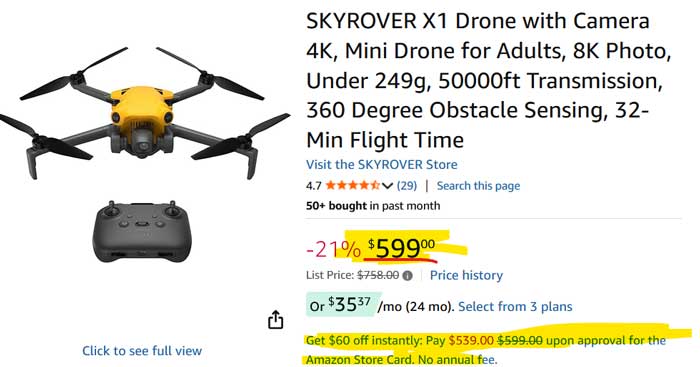
Keep in mind Skyrover is a DJI Mini 5 Pro drone copy, although not exactly the same, but yes available at a reasonable price. If you’re still not interested in getting a DJI drone, then obviously X1 could be your choice.
In summary, yes, you can buy DJI drones in the USA in 2026, focusing on unaffected models. The ban explained here isn’t the end; it’s just the beginning of smarter choices. Yes, we are here to help you get the best return from your available budget, and if you have any questions or confusion, you can ask in the comment section. We are going to help you sort it out.
GET LIVE NOTIFICATION, Select Your Trusted Source GET LIVE NOTIFICATION Click ON Check BOX for Latest NEWS and Rumors
The article “Can You Buy DJI Drones in the USA? The Ban Explained – The Best DJI Drones Still Legal in the USA” was written by thenewcamera.com team on 1:46 pm, Thursday, 15 January 2026, Greenwich Mean Time (GMT) | You can also follow us on Our Official Social Media HandlesFACEBOOK | TWITTER | INSTAGRAM to get live news — > DJI Rumors
Ricoh announces a new dedicated monochrome GR IV camera. Street photography is actually a play of shadows and the highlights, and if you are capturing them in pure black and white mode, candid portraits and urban landscapes become more and more interesting. The thing is that colour cameras do create monochromes, but they always fall short in capturing the multiple monochrome tones present in the environment, and that’s why dedicated black-and-white kicks in, to capture the perfect compositions.
We do have monochrome editions (Leica Q mono), but they cost a lot and remain reserved for premium street shooters. The GR IV Monochrome makes black-and-white photography reachable for budget professionals—those who don’t want to spend a fortune, but love to have a dedicated black-and-white sensor to capture all the possible black-and-white tones that are never possible with a colour sensor.
Why Monochrome Still Rules the Roost in a Color-Saturated World
In the smartphone space, we have multiple filters, and they obviously never ask before implementing them. The HDR look, the vivid colour look, studio light, more and all that stuff make everything so fancy and polished, but going back to black-and-white photography feels like a rebellious act. Black-and-white photography is all about stripping out all the distractions present in front and just focusing on the texture, the contrast, and the raw emotional punch that you get from the image.
The Ricoh GR IV Monochrome flips the entire script of black-and-white photography with its customised 26MP BSI CMOS sensor, where every pixel of the sensor is dedicated to capturing light. Ultimately, due to the absence of a colour filter layer inside it, it captures sharp details and excellent noise performance, ranging from an ISO range available from 160 to 409,600, so that is really quite insane that we have seen in any APS-C format camera, but the GR IV Monochrome edition can push to the maximum extent. Base ISO is a tad higher (about 2/3 stop), but who cares when the results are this clean? Ricoh’s calling it a game-changer for creative photographers who live for contrast and drama, and I couldn’t agree more. If you’ve ever desaturated a color shot and felt it lacked oomph, this is why: a mono sensor sees the world differently from the get-go.
The First GR Dedicated to Black-and-White
At the end, the most important thing is the carrying capability for street photography. That is highly essential to fit in pocket size and remain easy to handle with single-handed operation.
To make it a perfect companion and flawless support for your street photography journey. The Ricoh GR IV camera features a magnesium alloy body and rugged design, not like a bulky DSLR—a compact camera with DSLR-style photographing capabilities, or even better than that, with a dedicated black-and-white sensor. Overall, Ricoh redefined the GR for this time, and the controls and this time, its highly polished and effectively designed for capturing quick snaps without losing them. Obviously, it is not rainproof, and the only factor that makes it vulnerable is the retractable zoom lens, although it was necessary to put a retractable lens inside the camera to make it ultra-compact and pocketable for a long day shoot.
Specs That Pack a Punch: What Makes the GR IV Monochrome a Beast
Don’t let the compact size fool you – under the hood, this camera is a powerhouse tailored for monochrome mastery. Here’s a quick rundown of the standout specs:
Sensor: 26MP BSI CMOS, no CFA for ultimate sharpness and noise control.
Lens: Fixed 28mm equivalent F2.8 – wide enough for immersive street scenes, sharp as a tack.
Autofocus: On-sensor phase detection with clever interpolation to keep things snappy.
Shutter Speeds: In-lens shutter up to 1/4000 sec with flash sync; electronic shutter hits 1/16,000 sec for bright-light shooting without ND filters.
ISO Range: 160-409,600 – hello, nighttime alleyways without grainy regrets.
Storage: 53GB internal memory plus UHS-I Micro SD slot – no more “card full” excuses mid-shoot.
Battery: 250 shots per charge – pack an extra, but it’s efficient for its class.
Is the Premium Price Justified? Spoiler: For Purists, Yes
Add $2199, the camera doesn’t seem to be cheap or a kind of budget camera. When compared to its colour sibling, the GR IV, the Monoi costs approximately 50% more than the colour edition. For someone who loves to shoot black-and-white images and is waiting for the Leica Q3 price to come down, this is the best option.
If black and white is your jam, the investment pays off in shots that sing. Noise is controlled, details remain crisp, and that red filter adds versatility without extra gear. For hobbyists, maybe stick with the colour version and edit in post-production
Wrapping It Up: Time to Go Mono or Go Home
In the end, the Ricoh GR IV Monochrome isn’t just a camera – it’s a mindset shift.
Things that we were limited to previously were available only with a very premium price tag. Now it’s available at a reasonable price. Ricoh finally did it, and we are really proud that Ricoh always tries to break unusual barriers in the photography industry, specifically with the popularity of their GR series. They are experimenting with different variants, and that’s a very welcome step.
Nikon, Canon, and Sony are the three giant camera makers of the world, and they should at least have a single camera series dedicated to black-and-white photography in their lineup.
For now, Ricoh has democratized monochrome excellence, and in 2026, that’s something worth celebrating. Grab your gear, hit the streets, and let the shadows tell your story. What are you waiting for?
The article “Ricoh GR IV Monochrome: The Leica Slayer That’s Making Black-and-White Photography Accessible Again” was written on 6:59 am, Thursday, 15 January 2026, Greenwich Mean Time (GMT)
Many people are confused about finding the best drone under $700 in the United States of America, especially after the ban. The confusion is at its peak, but here we are going to list 100% legal drones to buy in the United States under $700 in 2026, along with DJI alternatives. We are going to name these drones as well, so this guide is full of important information that you may need or require before buying a drone in 2026 in and around the $700 price range.
The main objective is to capture the best aerial footage possible with the finest experience without breaking the bank. To do so, you have to find the best drones available in the market under $700. Yes, the situation seems to be a bit complex after December 2025, but it’s not that complicated. We are going to give you a basic understanding of why DJI drones are still 100% legal to buy and fly, and no one is going to ask you any questions, whether you purchase them or are flying them. So let’s first clarify the confusion.
Understanding the DJI Drone Ban in 2026: What It Means for Buyers
Before we jump into the recommendations, it is very important to address the elephant in the room, which is creating a lot of confusion—the FCC 2025 regulations. DJI and Autel (and all foreign drone makers) were added to the FCC Covered List on December 22, 2025, which clearly means that after December 22, 2025, they are not able to announce or introduce new products in the U.S. market.
But thankfully, this ban is non-retroactive, which means the products that were already announced by DJI or those that had already cleared FCC certification are fully eligible to be sold in the market. You can buy them, you can fly them, and do whatever you want—all those products are 100% legal if they were announced before December 20–22, 2025.
So now you understand the basics—that yes, you can buy DJI drones. All the drones we are recommending are 100% legal to buy, and not only DJI. We are also recommending alternative options, so even if you don’t want to buy a DJI drone, you can still get the best available options
Key points on the ban:
Existing DJI Models Are Safe: You can continue buying, selling, and flying pre-approved DJI drones like the Mini 4 Pro, Flip, and Mini 4K without restrictions. These remain legal and fully operational.
No Grounding of Current Fleets: The regulations do not deactivate or ground your existing DJI drone. Firmware updates and app support are expected to continue for approved models.
Temporary Exemptions: Until January 1, 2027, certain non-Chinese drones on the Blue UAS Cleared List (e.g., from Skydio or Parrot) are exempt, but DJI’s pre-ban lineup remains accessible.
Future Implications: New DJI releases post-2025 may not enter the U.S., pushing buyers toward alternatives or stockpiling current stock. For now, investing in established DJI models under $700 is a smart, low-risk choice.
This non-retroactive approach ensures that popular DJI options remain viable in 2026, offering superior value compared to emerging competitors.
1. Our Top Pick: DJI Mini 5 Pro – The Ultimate Balance of Features and Portability
DJI Mini 5 Pro is our pick for the best drone in and around the $700 price range. If you’re buying only the drone, you may get it at a lower price, but the version with the controller and other bundled options comes at a slightly higher price. Still, at approximately $700, the DJI Mini 5 Pro remains the best choice.
One of the biggest reasons is the camera quality— 1-inch sensor,4K 60fps HDR video, 10-bit D-Log, and HLG, offering a professional-level color grading experience. Not only that, the drone also features LiDAR-based sensing and obstacle avoidance, so you don’t accidentally crash it. The drone is capable of protecting itself, which is one of the most important features to look for when buying a drone. If you’re searching for the best drone under $700 in 2026, the DJI Mini 5 Pro stands out as our primary recommendation.
Apart from all this, there are many other factors as well, but overall, the DJI Mini 5 Pro is the best-in-class drone under $700 in 2026.
DJI Mini 5 PRO Major features
DJI Mini 5 Pro: The Mini 5 Pro uses a 1-inch CMOS sensor (50 MP) that delivers excellent 4K/60fps HDR video and 4K/120fps cinematic slow-motion, with 10-bit D-Log M and HLG for professional colour grading. Its f/1.8 aperture perform very well in daylight as well as in low light. And when you are using the D-Log due to the larger sensor size, the latitude we get in the video file is excellent for professional color grading. With the help of the gimbal, it does support true vertical shooting, which is perfect for social media platforms like Instagram and TikTok..
Additional Key Specs and Features:
Flight Time: Up to 36 minutes per battery.
Transmission: 20km O4+ video transmission for stable, long-range control.
Smart Features: ActiveTrack 360°, QuickShots, and MasterShots for automated cinematic footage.
Pros: Compact and foldable design; excellent low-light performance; wind resistance up to Level 5.
Cons: Limited to one battery in base kits (opt for Fly More Combo for extended use).
Customer Ratings: 4.7/5 stars on Amazon, praised for image quality and ease of use.
Available on Amazon for approximately $679, the Mini 4 Pro is a future-proof choice amid the ban, as it’s fully approved and widely stocked. It’s ideal for travel photography, real estate videography, or casual exploration.
2. Budget Alternative: SKYROVER X1 – A Solid DJI Mini 5 Pro Clone
If you are looking for a DJI alternative, then obviously the SKYROVER X1 is a drone that mimics almost all the major core specifications. Although both of them are not exactly the same—and the DJI Mini 5 Pro is still better in some areas—before that, let’s look at the similarities. Both of them carry almost the same sensor, and apart from that, both feature 360° omnidirectional obstacle avoidance. Both drones are able to record 4K video, so many of these technical aspects match with each other.
Now let’s talk about the differences, and why the DJI Mini 5 Pro is still better. You get the ability to record video in D-Log profile, so you can further color grade your footage and extract much more detail compared to standard MP4 or compressed formats.
Other than that, when you get the DJI RC 2 controller with the Mini 5 Pro, you obviously get a much better live-view experience with more depth and detail compared to the SKYROVER standard controller. Also, internal storage is missing on the SKYROVER X1, whereas with the DJI Mini 4 Pro, you get approximately 42GB of onboard storage.
For those eyeing a DJI-like experience without the brand name, the SKYROVER X1 is still an excellent contender at around $659. Often described as a clone of the DJI Mini 5 Pro, it mirrors many premium features while staying under 249g for easy portability. This drone offers 4K/60fps HDR video and 8K photo capture, making it a compelling alternative in a post-ban landscape.
Flight Time: Up to 32 minutes (extendable to 96 minutes with Fly More Combo).
Transmission: 15km (50,000ft) range with stable 1080p live feeds.
Smart Features: 360° obstacle sensing, Super Night Mode, Dual Tracking, and return-to-home.
Pros: Affordable DJI rival; no FAA registration needed; strong wind resistance and night performance.
Cons: App ecosystem less polished than DJI’s; fewer accessories available.
Customer Ratings: 4.7/5 stars, with users noting its value as a “DJI dupe.”
Priced competitively on Amazon, the SKYROVER X1 is a great pick if you’re concerned about future DJI availability, providing similar specs at a comparable cost.
3. More Great Options Under $700
To round out your choices, here are additional drones that excel in 2026’s market. We’ve selected these based on performance, user feedback, and value.
So, the list includes all the best possible drones available under $700. The DJI Neo is the nearest option that features a LiDAR-based obstacle avoidance system, along with many new shooting modes designed specifically for content creators. Among the entire list, for content creators, the DJI Neo is the best choice.
And specifically for professional use cases like wedding cinematography, filmmaking, or for someone who loves to capture aerial footage while traveling, the DJI Mini 4K, priced under $299, is the best budget pro drone available for you.
Final Thoughts: Why Buy a Drone Under $700 in 2026?
So don’t think too much about the DJI ban, since it is not affecting any of the existing DJI models right now, and it is not a retroactive ban. The models that you currently see listed on Amazon.com are already approved DJI models and remain completely unaffected by the ban. They are 100% legal to buy and use across the United States of America.
Even though upcoming drones—like the DJI Avata 2—have already been declared eligible for the U.S. market, future drones released after the cutoff may be affected. So, if you are planning to buy a drone in 2027, you may need to consider different options. But right now, DJI has the best collection of drones available under budget, offering the latest features such as 360° obstacle detection, high-quality video with 10-bit Log recording, longer flight times, and an excellent shooting experience with advanced controllers like the DJI RC 2, along with the mature DJI ecosystem.All of this makes DJI the number one choice for drones, especially under the $700 budget.
ABout the author: The article “Top Drones Under $700 in 2026: DJI Alternatives and Budget Picks for Aerial Photography” written and updated by thenewcamera.com team on 7:42 pm, Wednesday, 14 January 2026, Greenwich Mean Time (GMT) | Follow us for more updates and Get LIVE RUMORS –> FACEBOOK | TWITTER | INSTAGRAM to get live news — > get live Drone news + DJI Rumors
Finally, we have a new leaked image of the Pocket 4 camera from highly trusted sources. This is one of the clearest pictures we have seen among the set of leaked images we have published before. The design, the interface, and the buttons—everything is very clear, and the differences are also clearly visible. On the other side, we have the DJI Osmo Pocket 3 camera. So literally, this is one of the best images and the clearest twin comparisons we have seen so far.
In the same article, we will conduct a brief analysis of the design, highlighting the differences between the two that we have already observed and again notice in this image, as well as its origin. Obviously, it appears to be from another restaurant or café, where someone is chilling with a cup of coffee, likely black coffee. So yes, everything shown in this post, let’s explore it one by one.
Breaking Down the DJI Osmo Pocket 4 Leaked Image
The latest image leaked by @Quadro_News shows two compact gimbal cameras placed side-by-side on a table, next to a takeaway coffee cup. The setup appears casual, suggesting someone is testing both cameras and taking a break. Beyond this, the photo highlights clear design differences between the models.
The two buttons below the LCD screen are now more clearly visible. As a reminder, we were the first to showcase the design of these buttons in one of our posts published a few months ago (October 23rd, 2025), where the DJI Pocket 4 camera was spotted during a Barcelona shoot for its promotional material. The commercial was already shot months ago, but due to the US ban on DJI products and related complications, DJI had to silently delay the announcement from December 2025 to January 2026. Now, we’re seeing more hands-on leaks as the launch approaches.
Take a look at the major design highlights and the key differences between the DJI Osmo Pocket 4 and the DJI Osmo Pocket 3, which are very clearly visible. So just have a look at what the major design differences are that we have between the two devices.
Screen Size and Orientation: The Pocket 4 &3 is clearly visible on the screen, and we have written the name as well, so you don’t get confused. The display screen of the Pocket 4 seems slightly larger, or maybe almost the same?. Since we are not able to notice a big difference in the screen size, but yes, as per the leaks, we may have a slightly larger screen in the upcoming Pocket 4. What do you think? Does it look a bit larger, or maybe just slightly larger than the Pocket 3? Let me know in the comments.
Control Interface: Yes, that’s the best part to see, and it’s true, since we had already posted this back in October 2025. The Pocket 4 is coming with two extra buttons and updated controls. This could offer more precise control over settings like zoom, focus, and gimbal movements, reducing the need for on-screen taps during fast-paced shoots. We will have more details once everything becomes official, but for now, it is clear that we are getting some extra physical controls with the Pocket 4. A standout difference here is clearly the control mechanism.
Overall Ergonomics: The Pocket 4 looks more compact yet feature-packed, with possible improvements in battery life and heat management. If the Amazon leak holds true, expect a 1-inch (2.5 cm) CMOS sensor, 4K/120fps video recording, and enhanced low-light performance—surpassing the Pocket 3’s capabilities.
These changes position the DJI Osmo Pocket 4 as a top contender among the best gimbal cameras for 2026, ideal for travel vlogging, action sports, and professional filmmaking. The specification comparison used below, and specifically the specs mentioned, are coming from the Amazon.de listing. So again, the specifications you see below are not from a highly authentic or officially trusted source. They have been leaked via the DJI Amazon.de page, and therefore, the details mentioned are neither official nor confirmed. We are only sharing a glimpse so that you can get a basic idea of what to expect.
Feature
DJI Osmo Pocket 3
DJI Osmo Pocket 4 (Leaked)
Sensor
1-inch CMOS
1-inch CMOS (rumored 2.5 cm equivalent)
Video Resolution
4K/60fps
4K/120fps
Screen
2-inch rotatable
Larger touchscreen with dial control
Controls
Joystick
Touch wheel/dial
Stabilization
3-axis
3-axis (enhanced)
Battery Life
Up to 166 minutes
Improved (rumored day-long shooting)
Price (Estimated)
$519
$549–$649 (Standard/Pro)
Leak Origin: Clues Point to China
The DJ pocket for the recent image that you see above was captured at a coffee shop. And if you just look at the coffee cup branding, it belongs to Luckin Coffee, a popular Chinese coffee chain founded in 2017. With over 10,000 stores predominantly in China, Luckin Coffee is a staple in cities like Beijing, Shanghai, and Shenzhen.
Nayan here is the most interesting part of the league, the DJI Headquarters at Sky City, (No. 55 Xianyuan Road, Nanshan District, Shenzhen, China), it’s plausible this photo was taken during internal testing or at a nearby cafe. The nearest Luckin Coffee store is conveniently located close by, with one branch reportedly visible from the lobby area of the DJI Sky City complex—according to user reviews, it’s on the left side of the lobby. For accessibility, the closest metro station is Liuxiandong Station on Metro Line 5, just a 10-minute walk from the headquarters.
Should You Wait for the DJI Osmo Pocket 4?
Yes, as we said, wait for the DJI Osmo Pocket 4, since the DJI Osmo Pocket 4 is an FCC-approved camera, so it will soon become available in the United States of America once it becomes official. As per the rumors, the announcement is expected within the next one or two months, and yes, we are seeing multiple sets of specifications from different sources, which can be confusing.
If the dual-camera setup arrives with the Pocket 4, then obviously it will be a massive upgrade compared to the Pocket 3. So for now, wait for more confirmations related to the specifications and arrival date, and we will be updating everything as soon as any new information becomes available here at TheNewCamera.com.
For more on DJI Osmo Pocket 4 specs, release date, and comparisons, bookmark TheNewCamera.com and follow us for real-time updates.
GET LIVE NOTIFICATION, Select Your Trusted Source GET LIVE NOTIFICATION Click ON Check BOX for Latest NEWS and Rumors
The article “DJI Osmo Pocket 4 New Leaked Image: Reveal Confirm Design Upgrades and more…” was written by thenewcamera.com team on 8:25 am,Wednesday, 14 January 2026, Greenwich Mean Time (GMT) | You can also follow us on Our Official Social Media HandlesFACEBOOK | TWITTER | INSTAGRAM to get live news — > DJI Rumors
Canon G7 X Mark III successor latest information, specs, pricing, and expected arrival time—all of this we are going to discuss in this article. However, before that, let me tell you one thing: the Mark III camera’s popularity and demand remain very high, and it has been selling at a significantly higher price than its original MSRP at which it was announced.
The only reason for this is that only a few sellers have it Amazon.com, either as new stock or renewed bodies, which are being sold at much higher price points. Since most content creators and bloggers still use this camera to shoot their content, the G7 X Mark III excels in this area, particularly in the compact camera category.
Now, talk about the successor of the G7 X Mark III, and it may surprise you to know that the Canon rumour mill has confirmed that the name of the G7 X Mark III successor will not be Canon G7 X Mark IV. Why? Let’s discuss that first, and then we will discuss pricing and the expected arrival date.
Canon PowerShot G7 X Mark IV Rumors: Name Change and Release Timeline
It retains a compact form factor and 4K capturing ability with natural color, strong tonal quality, and good image quality. It remains high in demand, but it has also reached its lifecycle endpoint and has already been discontinued by Canon.
Rumors related to the successor of the Canon G7 X Mark III camera are surging. Before that, we had already received a hint from one of our sources that the G7 X Mark III successor was expected to arrive sometime in September 2026, and we have published this information earlier.
One of the most intriguing Canon compact camera rumors is a shift in naming conventions. The successor won’t be called the “Canon PowerShot G7 X Mark IV,” according to sources.
Now, CanonRumors.com has received some new tips, and they come with a surprise element. The surprise is that the successor of the G7 X Mark III will not be called the G7 X Mark IV. Instead, it is going to be named something else, meaning it may appear under Canon’s recently announced V-series of compact cameras, with a different model name.
Expected Features and Specs for the Canon PowerShot G7 X III Successor
What could make the Canon PowerShot G7 X Mark III replacement a must-have? Rumors point to several enhancements that could elevate it to flagship status in the compact category. Here’s a breakdown of the speculated features:
First of all, earlier we were expecting the introduction of a 1-inch CMOS sensor with a hybrid or Dual Pixel AF system inside the G7X Mark III successor, but right now the new set of specifications indicates that we are going to get the same 1.4-inch, 22.3MP sensor that we have already seen inside the Canon PowerShot V1 camera. So, it would be an extension of the same core specifications into a new body.
Canon G7X Mark III Successor Core Specification
New 1.4-inch 22.3MP sensor, borrowed from the Canon PowerShot V1
The current 24-100mm f/1.8-2.8 lens is versatile, but the successor might feature a fixed-aperture design, such as a 24-70mm f/2 lens.
losing some zoom range for a constant wide aperture—could deliver sharper images at telephoto and superior background blur.
Canon is expected to leverage digital corrections for distortion and vignetting, allowing for a slimmer, lighter lens profile that appeals to on-the-go users.
Electronic viewfinder (EVF) and built-in flash.
30fps burst shooting, advanced autofocus with face, eye, animal, and possibly vehicle tracking, and optical image stabilization for shake-free results.
Weather sealing is another rumored perk, ideal for travel photographers facing unpredictable conditions.
While in-body stabilisation might be skipped due to size constraints, the optical system should suffice for most scenarios.
Video Capabilities and Ergonomics
Full-width 4K video recording at up to 30p. By oversampling from a 5.7K image area
10-bit Recording; Canon Log 3
Mic and headphone jacks for proper audio recording and monitoring.
No Active cooling Like the V1
Accessories are a big focus: A self-powered GPS unit via the flash shoe could eliminate reliance on smartphone apps
Pricing Expectations
Anticipated to launch under $1,000—likely around $900—the successor aims to maintain affordability while delivering premium value.
That’s the expected price we have for the Canon G7 X Mark III successor, which is quite reasonable for the specifications we are discussing.
Canon’s Strategy for Compact Cameras in 2026 and Beyond
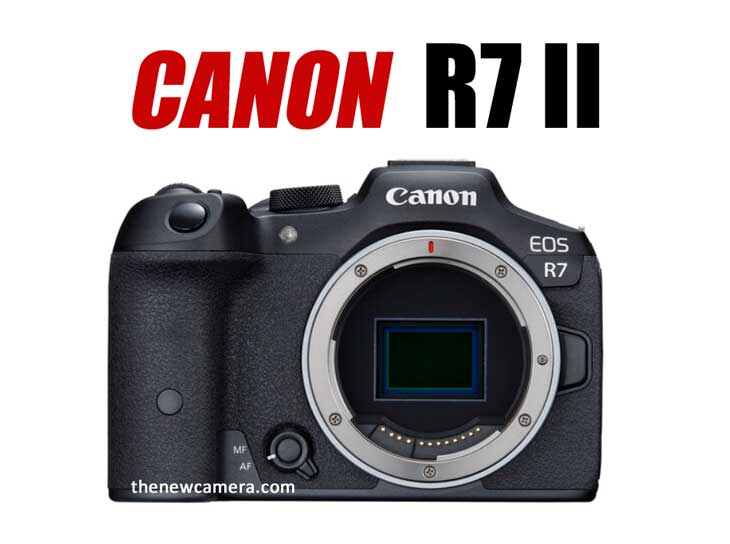
Canon will be putting more effort into the video division as well as the compact camera segment to expand its reach among the consumer base. Canon has already made several full-frame camera announcements in the past, but now it is time for APS-C upscaling and a stronger focus on compact cameras, as we have strong rumors related to the Canon R7 Mark II camera.
Similarly, a Canon R10 update is also expected, and along the same line of expectations, today we are discussing the possible successor of the Canon G7 X Mark III camera.
Again, 2026 will not remain limited to these three cameras. To explore further details on what other models are expected to arrive in 2026, you can read our article here: the list of Canon cameras we are expecting in 2026.
Hey, we have discussed that the current G7 X Mark III successor is expected to arrive in late 2026, most probably in September, as we received this date earlier. However, it may also be delayed further, so for now there is no confirmed announcement timeline for the Canon G7 X Mark III successor. The only thing we know is that it is expected to arrive sometime in 2026.
Stay tuned—as soon as we get any updates related to upcoming cameras and lenses, we will be posting them here at TheNewCamera.com.
GET LIVE NOTIFICATION Your Trusted Source GET LIVE NOTIFICATION Click ON Check BOX for Latest NEWS and Rumors
The article “Canon PowerShot G7 X Mark III Replacement: Rumors Point to a 2026 Successor with Game-Changing Features” was written by thenewcamera.com team on 6:02 pm, Tuesday, 13 January 2026, Greenwich Mean Time (GMT) | You can also follow us on Our Official Social Media HandlesFACEBOOK | TWITTER | INSTAGRAM | Threads – to get live news — > get live news Camera News + Canon Rumors 24X7.
DJI drones have transformed aerial videography, but on December 22, 2025, a strict ban was imposed on DJI and all foreign-made drones. This halted FCC registration and authorization for new imports. However, recent amendments have introduced changes, and in this article, we’ll discuss them.
We’ll cover the DJI ban timeline, the latest FCC changes from January 7, 2026, exemptions until January 1, 2027, and how they affect DJI drone users and the industry. At the end, we’ll assess whether these changes alter the overall DJI ban situation.
Let’s dive into the details and explore the recent updates from the FCC and other U.S. government departments.
Understanding the DJI Drone Ban: Background and Timeline
We’ll start with the December 2025 ban, then cover the January 7, 2026, update from the Department of War (DoW), and finally the January 9–10 developments.
Key Timeline of the 2026 DJI Ban
December 22, 2025: The FCC adds all foreign-produced UAS and critical components to its “Covered List,” banning new equipment authorizations. This prevents importation, marketing, or sale of new foreign drones in the U.S. Critical components include flight controllers, cameras, batteries, sensors, communications systems, software, and ground stations.
January 7, 2026 (Latest Update): Following a Department of War (DoW) determination, the FCC updates the Covered List with temporary exemptions until January 1, 2027. This includes Blue UAS-cleared drones and those meeting Buy American standards (65% U.S. content).
January 9-10, 2026: The U.S. Commerce Department withdraws a broader drone restriction proposal, avoiding retroactive impacts on existing fleets.
Post-2027 Outlook: Exemptions expire on January 1, 2027, unless extended. Industry experts predict potential broader bans, pushing for U.S.-made alternatives.
These changes balance security with industry needs, but DJI remains largely restricted unless adapted. As of January 12, 2026, no further FCC updates have been announced, per official sources.
Latest FCC Changes: January 7, 2026 Exemptions Explained
The FCC’s January 7, 2026, update introduces temporary exemptions, providing “breathing room” for the drone market. According to the official FCC Fact Sheet (DOC-417528A1), “Today, the FCC updated its Covered List to remove certain Uncrewed Aircraft Systems (UAS) and UAS critical components determined by the Department of War (DoW) to not pose national security risks.”
Official FCC Quote on the Update
From the FCC Fact Sheet: “The FCC updated the Covered List to exempt certain UAS and UAS critical components until January 1, 2027, based on DoW’s determination. The updated Covered List now reads: ‘Uncrewed aircraft systems (UAS) and UAS critical components produced in a foreign country—except, until January 1, 2027, (a) UAS and UAS critical components included on the Defense Contract Management Agency’s (DCMA’s) Blue UAS Cleared List, and (b) UAS critical components that qualify as “domestic end products” under the Buy American Standard, 48 CFR 25.101(a)—and all communications and video surveillance equipment and services listed in Section 1709(a)(1) of the FY25 National Defense Authorization Act (Pub. L. 118-159).'”
This exemption applies to:
Buy American Standard: Requires at least 65% of the total cost (materials, labor, overhead) from U.S.-manufactured content. Even Chinese-designed drones could qualify with U.S. production shifts.
Blue UAS Cleared List: Drones vetted by the DoW for cybersecurity, hardware, and supply chain security. Mostly U.S. or allied-made, but a pathway for secure foreign models.
FCC Chairman Carr stated: “President Trump is unleashing American drone dominance. And I welcome the Department of War’s important work to restore American airspace sovereignty.”
Let’s Understand the 65% Rule
The U.S. government has a rule known as the 65% threshold for a product to qualify as a domestic end product under Buy American standards. At least 65% of the total cost of its components must come from parts mined, produced, or manufactured in the United States, with final assembly also in the U.S.
If a drone’s total component cost is $100, at least $65 must come from U.S.-sourced parts. This 65% threshold applies to items delivered in calendar years 2024 through 2028 (rising to 75% starting in 2029). Note that this is for federal procurement and Buy American Act purposes—such as government contracts and drone ban exemptions—and not the stricter FTC “Made in USA” labeling standard for consumer products, which requires “all or virtually all” of the product to be U.S.-made with negligible foreign content.
The Blue UAS Cleared List
The Blue UAS Cleared List, managed by the U.S. Department of War (formerly the Department of Defense) through the Defense Innovation Unit (DIU) and Defense Contract Management Agency (DCMA), includes vetted unmanned aircraft systems (UAS) that meet strict cybersecurity, supply chain, and national security standards.
Qualified Drone Manufacturers on Blue UAS Cleared List
Qualified Company Names as of January 2026
AeroVironment
Easy Aerial
Nokturnal AI
Teal
AgEagle Aerial Systems
Edge Autonomy
Parrot
Teledyne FLIR
Anduril Industries
FlightWave Aerospace Systems
PDW
Thunder Tiger Corporation
Ascent AeroSystems
Freefly Systems
Quantum Systems
Titan Dynamics
Auterion
Hoverfly Technologies
Red Cat
Vantage Robotics
Inspired Flight Technologies
Renegade UxS
Wingtra
Kraus Hamdani Aerospace
Shield AI
Zepher Flight Labs
ModalAI
Skydio
Zone 5 Technologies
Mountain Horse Solutions
Skyfront
Neros Technologies
Conclusion
The exemptions provide temporary relief until January 1, 2027, for UAS and components on the Blue UAS Cleared List or (for components) those qualifying as domestic end products under the 65% Buy American rule. Drone manufacturers can pursue either pathway to become eligible for FCC registration and sales in the U.S.
After qualifying via one of these routes, officials review potential threats, data transmission, and security aspects. Once cleared, the drone or component can be sold in the United States. There is already a list of manufacturers and drone models that have cleared this process, but it is limited, and no Chinese manufacturers like DJI are approved for NEW Drones (Drones Announced before Dec 22 / Reg at FCC remain available for sale in USA). This creates challenges for new drones from Chinese brands. However, models that received certification before the ban remain available for sale, so you can buy those right now. For DJI users, this means continued restrictions on new imports unless the company shifts to U.S. production or secures Blue UAS approval—otherwise, the push toward American alternatives will intensify.
The article “DJI Drone Ban Update 2026: Latest FCC Exemptions – What It Means for DJI Users” was written on 12:35 pm,Monday, 12 January 2026, Greenwich Mean Time (GMT)
Buy Canon Lenses, Buy Music CD or Digital Camera at amazon it helps this site, and you do not pay anything extra, it is just a way to help support this site.
New Camera Website, we list all type of new camera information, price review and all type camera rumors, subscribe us or follow us via twitter or facebook.
Disclaimer: We have attempted to select useful information to include on New Camera, and to ensure that the resources we have included on the site -- as well as the way we have described them -- are accurate, fair, and balanced. However, we make no claims, warranties, or other representations concerning the accuracy, completeness, or utility of the information provided, or concerning the abilities or performance of the organizations, agencies, companies, and other resources presented through New Camera


 BOX for Latest NEWS and Rumors