Join More Than 50,000+ Subscribers and get latest camera news and rumors
NEW CAMERA VIDEOS ON YOUTUBE
|
By admin, on August 22nd, 2025 
Insta360 officially announced the Go Ultra model on August 21, 2025. The new model features a cuboid design and enhanced battery life alongside superior video capabilities that make it one of the best POV cameras to date. The camera is specifically made for adventure content creators and weighs only 52.9 g (alone camera). Although it is slightly heavy, it is packed with more features and power without sacrificing portability, so let’s dive into the full details, including specifications, with the rival DJI OSMO Nano.
Design Upgrades: Compact Yet Feature-Packed
The Insta360 Go Ultra ditches the pill-shaped design of its predecessor and it is now in a stable cuboid body, available in two different shades: one is Midnight Black, and the other is Arctic White. Let’s explore the design highlights of the Go Ultra:
- Magnetic mount: The magnetic mount allows you to seamlessly attach the camera even to your clothing. So just like the wireless microphone setups out there, the camera also easily integrates and gets attached with your clothes without putting any extra effort. We also have accessories like the included Magnet Pendant and an Easy Clip.
- Front shutter button: We have an LED indicator as well as recording control; video recording can be started with just a touch of a finger.
- Hybrid action pod: It is a multipurpose charging dock. It can also be used as a wireless remote control, and it features a 2.2-inch display unit with 180-degree tilting, which helps you to create perfect vlogs while you are travelling.
- Waterproofing: The Go Ultra can be dipped 10 M underwater without the need for a case. It has an IPX8 rating.
- Dimensions: Standalone: 46×45.7×18.3mm; With Action Pod (closed): 70.4×48.8×33.3mm.
Now this particular modular setup is really very much helpful if you are travelling and love to create content without any hassle or mess, with the camera and charging base in which you have a display screen and it also acts as well as controller it’s a complete package for capturing you and the environment without being noticed, so that’s the best part of the vlogging. The cherry on top thing is that the camera also supports gesture control, so it allows you to do a completely hands-free operation, even sitting far from the camera. At the very same time, we have an AI-powered editing app that automatically detects highlights, adds transitions, and syncs music.

Official Specifications: Power in a Tiny Package
The Go Ultra boasts impressive specs tailored for high-quality content on the go. Here’s a breakdown:
- Video Capabilities: 4K at 60fps (highest quality), 1080p at 240fps for slow-motion; supports Active HDR up to 4K30fps, H.264/H.265 encoding, and max bitrate of 180Mbps.
- Photo Capabilities: 50MP resolution, HDR Photo, Interval, Starlapse, and Burst.
- Sensor and Stabilization: Larger 1/1.28-inch sensor (upgraded from Go 3S’s 1/1.3-inch) with FlowState stabilization and horizon lock for smooth footage.
- Audio: Dual microphones with auto wind noise reduction, voice enhancement, and stereo modes; 48kHz, 32-bit AAC format.
- Battery Life: Standalone: 500mAh for 70 minutes; With Action Pod (1450mAh): Up to 200 minutes. Fast charging: 80% in 12 minutes for the camera, 18 minutes for the pod.
- Storage: No built-in memory; requires a microSD card (up to 2TB supported).
- Connectivity: Bluetooth 5.4, Wi-Fi (2.4/5GHz), USB-C 2.0; compatible with select wireless earbuds like DJI Mic 2 and Apple AirPods Pro 2.
- Other Features: Gesture control, live streaming, 6-axis gyroscope, ISO 100-6400, shutter speed 1/8000s to 120s, and app-based AI tools.
The great upgrade that we have seen in the new Go Ultra model is really very much appreciable compared to the old Go 3S. At the very same time, this new update will surely help those who use POV cameras in some of the activities like hiking, biking, running, or family vlogs. This is going to enhance the overall performance, including the low-light video. So far this time, the Insta360 hasn’t made any compromises while updating the Go 3S model.
Pricing and Availability
The Insta360 Go Ultra is now available for purchase. You can buy it through the B&H Store as well as at the official Insta360 Store or at Amazon. The camera is now available in selected retailers worldwide. The price of the camera starts from $449.99, and it’s the standard bundle price.
| Bundle |
Price (B&H) |
Includes |
| Standard |
$449.99 |
GO Ultra, Quick Release Safety Cord, Magnetic Easy Clip, Magnet Pendant |
| Creator |
$499.99 |
Standard items + Quick Release Mount, Mini 2-in-1 Tripod 2.0, Pivot Stand |
| Running |
$519 |
Standard items + Quick Release Mount, Screen Protector, Easy Clip Headband, Backpack Clip |
| Cycling |
$507 |
Standard items + Quick Release Mount, Screen Protector, Flexi Strap Mount, Action Mount |
| Family |
$534 |
Standard items + Quick Release Mount, Mini 2-in-1 Tripod Remote Kit, Toddler Titan Hat Clip |
All bundles require a separate microSD card (options like 128GB available at checkout).

How It Compares to the DJI Osmo Nano
Now let’s talk about the compact action camera market since the DJI Osmo Nano official launch is a few weeks away, and that will surely heat up when both are official, and we are going to do a head-on comparison between the two. But before that, we do have the specs sheet of both the cameras, so let’s compare and let’s explore how they are going to perform against each other.
| Feature |
Insta360 Go Ultra |
DJI Osmo Nano (Rumored/Leaked) |
| Weight (Camera Unit) |
52.9g |
~40g |
| Max Video Resolution |
4K @ 60fps |
4K @ 60fps |
| Battery Life (Standalone/With Pod) |
70 min / 200 min |
~60 min / Extended (modular) |
| Sensor Size |
1/1.28-inch |
1/1.3-inch sensor
|
| Storage |
microSD up to 2TB |
Likely internal + microSD (details TBD) |
| Waterproofing |
10m (IPX8) |
10m+ (est.) |
| Display |
2.2-inch tilting on Action Pod |
Modular screen pod (rumored) |
| Price (Base) |
$449.99 |
$399–$429 (est.) |
| Key Edge |
Hybrid Action Pod with AI editing and gesture control |
Ultra-light focus for minimal setups |
In the above comparison, it is very clearly visible that Insta360 Go Ultra edges out with the longer battery performance, as well as thanks to the presence of a larger sensor. We will have better low-light performance and more dynamic range for colour grading purposes. The more dynamic range your sensor has, the better the camera sensor is able to reproduce the colours, specifically in low-light scenarios.
DJI Osmo Nano is for those who prefer lightness and integration to the DJI ecosystem, where you don’t need to buy any additional wireless microphone transmitter, since it is easily integrated inside the camera. On the other side, Go Ultra has integrated display versatility as well as a better sensor.
Why the Insta360 Go Ultra Could Be Your Next Camera
The new Insta360 Go Ultra is a powerful blend of portability and power, actually really refining tiny action cams. Specifically, we have to say POV cameras were made with compromises for solo creators, but this one has the best possible specifications with a slightly larger sensor for better low light performance — all under $449. Bookmark this page for future updates related to the same topic, and of course,e follow us on Facebook, Twitter, and Instagram for more camera news and updates.
Stay updated with TheNewCamera.com
Follow us on our social pages FACEBOOK | TWITTER | INSTAGRAM, If you have time, see more Camera News and DJI Rumors


By admin, on August 22nd, 2025 
Nikon has finally announced the new NIKKOR Z 24-70 f/2.8 Mark II lens. The lens features a second-generation build that primarily optimizes the autofocus system of this lens, which is now more lightweight, faster, better for tracking, and much more optimized for Nikon’s upcoming cinema series of cameras. At the very same time, the optical performance of the Nikon 24-70 f/2.8 Mark II has also been improved, so it is a versatile upgrade for both still and video shooters. Whether you are a wedding photographer, videographer, fashion or event shooter, all your professional storytelling needs will be met with the updates from inside to outside of this lens. In this guide, we have covered everything that you would need to know.
Price and Where to Buy
The Nikon Z 24-70 f/2.8 S Mark II carries a Manufacturer’s Suggested Retail Price of $2,799.95, which is approximately $700 higher than the current discounted price of the original version, which is often available for around $2,096 with rebates. So, you see, the new lens will cost you more since it comes with a brand-new optical design. It has been completely redesigned, now more lightweight, and the autofocus motor has been upscaled for better tracking performance as well as video format use. The optical resolving quality is said to be much improved.
For the best deals, you can check out the major retailers often when they offer bundle deals, free shipping, as well as extended warranties. So here is the comparison of top options we have:
| Retailer |
Price |
Availability |
Notes/Extras |
| Nikon USA |
$2,799.95 |
Mid-September (pre-order) |
Official store; includes a 1-year warranty, potential bundles with Z cameras. |
| B&H Photo |
$2,799.95 |
Mid-September (pre-order) |
Free expedited shipping; expert support; often bundles with filters or bags. |
| Adorama |
$2,799.95 |
Mid-September (pre-order) |
VIP360 membership for free 2-day shipping; frequent promotions. |
| Amazon |
$2,799.95 |
Mid-September (pre-order) |
Prime benefits: easy returns; check for early bird discounts. |
| Best Buy |
$2,799.95 |
Mid-September |
In-store pickup options; Geek Squad protection plans available. |
If you’re on a budget, then obviously the Z 24-70 f/2.8 is still the best option, and there is also a possibility that after the announcement of the new version, we may see some deeper discounts on the existing price of this lens.
Overview of the Specifications
The NIKKOR Z 24-70mm f/2.8 S II is designed as a “pro’s zoom redefined.” The lens is now much lighter, and at the very same time, the autofocus is improved, as well as the optical performance, as per the initial report from the lens reviews. One of the lightest full-frame 24-70 f/2.8 lenses available, and it has approximately a 16% reduction in its original weight compared to 805 grams of the first-generation lens. At the very same time, it keeps its overall length constant at 142 mm, so it is also a kind of gimbal-friendly lens. Once you optimise it, even if you are zooming in and zooming out, you don’t have to recalibrate the gimbal every time.
One of the key upgrades includes Nikon’s newly developed Silky Swift Voice Coil Motor:
- The new autofocus motor is 5x faster than the previous generation of autofocus motors, which are used in the premium lenses.
- Now we have 40% reduced scan times and approximately 60% improvement in 3D object tracking while zooming—very much ideal for sports and wildlife photography.
So these are the two major improvements we have in the new 24-70 f/2.8 S II lens.
Here’s a quick specs table:
| Feature |
Details |
| Focal Length |
24-70mm |
| Maximum Aperture |
f/2.8 (constant) |
| Lens Construction |
14 elements in 10 groups (2 ED, 3 aspherical) |
| Autofocus System |
Silky Swift VCM (5x faster AF, quieter operation) |
| Minimum Focus Distance |
0.24m (24mm) / 0.33m (70mm) |
| Maximum Magnification |
0.21x (24mm) / 0.32x (70mm) |
| Filter Size |
77mm |
| Weight |
675g |
| Dimensions |
84mm diameter x 142mm length |
| Diaphragm Blades |
11 (rounded) |
| Coatings |
Meso Amorphous Coat (anti-reflective), ARNEO Coat (flare suppression) |
| Weather Sealing |
Yes, dust and drip resistant |
| Included Accessories |
HB-117 Lens Hood, LC-77B Front Cap, LF-N1 Rear Cap, CL-C2 Case |
| Compatibility |
Nikon Z-mount full-frame mirrorless cameras |

Sample Images
The lens sample images are now available. You can explore those samples for yourself, too. I have added the link to Google Drive, where you can download the higher-resolution samples captured from the new lens.

Initial impressions suggest the exceptional performance throughout the entire frame as well as the zoom range, so it has been much improved from its predecessor. The distortions that we generally see are very minimal. At the very same time, the creamy bokeh as background is redefined with its 11-blade aperture. The internal zoom is now much more stable and perfect for handheld shooting.
User Reviews and Early Impressions
From social buzz on X (formerly Twitter), photographers are excited:
“Lightest in class and fastest AF—game-changer for events!” (@petapixel).
Nikon Creators are hyped for the internal zoom matching the Trinity lenses. Limited reviews note it’s “Nikon’s best AF performer,” ideal for Z8/Z9 users.
The Nikon Z 24-70 f/2.8 S II really sets a new standard for the standard zoom. It has blended professional-grade performance for everyday usability, and the Z ecosystem is now expanding more and more, so it is now compatible with more high-resolution sensors and upcoming cinema cameras. Also, the autofocus tracking performance is now 5x faster. So overall, this is the best all-rounder 24-70 kit zoom lens Nikon has ever made to date.
ABout the author: The article “GoPro 2026 Vlogging Camera: Will It Crush DJI Osmo Pocket 3?” written and updated by thenewcamera.com team on 6:07 pm, Thursday, 21 August 2025, Greenwich Mean Time (GMT) | Follow us for more updates and Get LIVE RUMORS –> FACEBOOK | TWITTER | INSTAGRAM to get live news — >–> see more Camera News and Nikon Rumors 24X7

By admin, on August 21st, 2025
Thenewcamera.com Exclusive Report: GoPro is planning to launch its own professional-grade low-light camera as early as 2026 and two more cameras before the end of 2025. We all know that GoPro leads the US action camera market. But the major move is now — they are planning to announce their own professional-grade low-light camera in the market, and this is what GoPro CEO Nick Woodman is saying:
“Another important area in an adjacent product category that makes sense for GoPro to play in, but that we do not currently participate in today, is the higher-end low-light camera category for vloggers, prosumers, and professionals. That’s an exciting opportunity for us to participate in starting next year,” Woodman said in an interview during the Oppenheimer 28th Annual Technology, Internet, and Communications Conference.
Based on the gathered information, the GoPro announcement of a professional-grade low-light camera as early as 2026 completely aligns with the perfect strategic push into the vlogging prosumer market, which was largely avoided until now by GoPro.
Let’s discuss the possible set of specs of the upcoming GoPro prosumer camera.

What’s Coming in 2026 from GoPro
If we see from a wider perspective, GoPro already has a range of action cameras, and recently with the GoPro Max 2, they have entered the 360-degree camera market. Now, the two leftover zones that DJI is already in are:
- The Ultrapopular DJI Pocket series is specifically made for professional vloggers and content creators.
- And second is drones. For now, we don’t think that during the interview, CEO Woodman was talking about entering the drone market right now, so what we can assume is:
GoPro will soon enter the market with its compact vlogging camera with a larger sensor for better low-light performance, which will be very similar to the DJI Osmo Pocket series, creating a brand new consumer base for itself.
Why 2026? GoPro’s Strategic Timing
GoPro’s roadmap is very clear — they want to dominate the action camera market, and they’ve already taken steps by introducing the GoPro Max 2 360 camera. Now they are planning to introduce a dedicated camera with a larger sensor for content creators and professionals. Who knows, the next move might be to cover the drone space.

GoPro Upcoming Prosumer Camera Specification Analysis
1. Large sensor for better low-light performance
GoPro’s current lineup, all the Hero series that we have seen so far — I’m not talking about the upcoming, but all those announced before mid-2025 — consisted of a 1/1.3-inch sensor, which obviously struggles in low-light performance, especially while using higher ISO levels.
Major rivals like DJI are now using upgraded 1-inch sensors in most of their upcoming cameras and drones that have enhanced low-light performance and vibrant color output due to the wider dynamic range of a larger sensor. So, opting for a 1-inch sensor for their upcoming camera will be an excellent decision to deliver:
- Superior low-light performance: Reduced noise for clean footage in dim settings.
- Enhanced dynamic range: Vibrant colors and details for cinematic vlogs.
- Professional-grade video quality: 4K/60fps with advanced color grading for prosumer creators.
If GoPro opts for a 1-inch sensor, it will mirror the greatness of the existing DJI Osmo Pocket 3’s 1-inch sensor, which excels in low-light performance and performs even better than iPhones for recording videos.
2. Built-in gimbal meets HyperSmooth for unmatched stability
GoPro is already known for its HyperSmooth image stabilization technology. Now, since they are working on their largest camera specifically for vloggers and content creators — other than 360 and action cameras — it will include a 3-axis gimbal that we have already seen in the DJI Pocket series cameras. With the help of HyperSmooth image stabilization, paired with 3-axis gimbal support, we’ll get unmatched stability.
3. Modular design for ultimate flexibility
We are expecting GoPro to enhance its entire ecosystem that a creator would love to be a part of — very similar to the DJI ecosystem.
- External microphones: Crisp audio for professional content creation via external mic support.
- Modular screens: Flip-out screens to enhance the overall creativity of solo creators and for easy framing.
- Extended battery grip + tripods: Extended battery and tripod accessories to enhance battery life during long travels where backup is critical.

How Does It Stack Up Against the DJI Osmo Pocket 3
The DJI Osmo Pocket 3 is a vlogging camera that has already set a standard among professional content creators. It has a large 1-inch sensor, a dedicated 3-axis gimbal, and a compact design. GoPro already has a big consumer base in the action camera market and is one of the leading camera makers in that space. If they expand their product range, people will surely love to buy and try them out. So, it’s a real threat to the DJI Pocket series now that GoPro is entering their space.
GoPro Vlogging Revolution Starts in 2026
GoPro’s 2026 low-light vlogging camera — paired with a large 1-inch sensor, a 3-axis gimbal, fused with HyperSmooth technology, and a rugged design — is going to redefine the creator tools already available to us. Now in 2026, they will move into vlogging, which really feels inevitable — a logical evolution of the entire GoPro series that will shape a very distinct future for the entire vlogging market.
We’re really excited about this new product. Stay tuned to TheNewCamera.com for updates related to the GoPro 2026 release and more camera news!
ABout the author: The article “GoPro 2026 Vlogging Camera: Will It Crush DJI Osmo Pocket 3?” written and updated by thenewcamera.com team on 6:07 pm, Thursday, 21 August 2025, Greenwich Mean Time (GMT) | Follow us for more updates and Get LIVE RUMORS –> FACEBOOK | TWITTER | INSTAGRAM to get live news — >–> see more Camera News and DJI Rumors
source - 1. wsw.com - Last accessed on Aug 21, 2025 | 2. Gopro Management-Commentary.pdf - Last accessed on Aug 21, 2025


By admin, on August 21st, 2025 
So finally, we have the Ricoh GR IV, the latest and iconic GR series camera. The camera is now available for pre-order as of August 2025 with an official shipping/release schedule for mid-September 2025. The Ricoh GR IV features a very pocketable design and stellar image quality since it’s coming with a brand new 26-megapixel CMOS sensor that we have seen recently in the Sony A6700 / ZV-E10 II camera, as well as it has been long used by the Fuji mirrorless cameras. The camera uses a redesigned 28mm f/2.8 lens, which enhances the overall optical resolving power of the camera, resulting in sharper pictures with better dynamic range. This article covers where to pre-order the camera, what the potential deals and accessories are available with this camera, and what to expect from this highly anticipated camera.
Where to pre-order the Ricoh GR IV
The pre-order of the new camera is now live at many major retailers, and below are the key places where you can secure your unit of the Ricoh GR IV camera.
- B&H Photo Video
Price: $1,496.95 (standard model)
Details: B&H has the camera right now and you can buy it now. Always don’t forget to check the Amazon.com offerings also, since sometimes due to Amazon Prime membership offers or Amazon Visa card offers, we get a lower price for a camera compared to other stores.
Now, the best part of the B&H store is they offer financing options, including 12-month interest-free payments with their Payboo credit card. Expect accessories like the GF-2 External Flash and GA-3 Lens Adapter to be available for bundling.
Link: Check B&H for pre-order options
- Amazon.com
Price: ~$1,500 (standard model)
Details: Amazon is offering pre-orders with competitive pricing.
Amazon.com always offers lower prices due to Prime membership or other offers, so always be sure to check the prices at Amazon.com first. If not available, then try a different store.
Though stock may be limited due to high demand, look for bundle deals that might include memory cards or camera cases. Prime members can benefit from faster shipping options.
Link: Available on Amazon.com
- Ricoh Official Store (US)
Price: ~$1,496.95 (estimated)
Details: Pre-ordering directly from Ricoh’s US site (us.ricoh-imaging.com) ensures authenticity and potential access to exclusive bundles. Historically, Ricoh’s pre-orders for the GR III sold out quickly, so act fast. Subscribe to their newsletter for restock alerts.
- Camera Kitamura (Japan)
Price: ¥175,320 (~$1,200 USD after 10% points discount)
Details: The GR series is ultra-popular in Japan, and if you are in Japan, then the best place to buy your new GR camera is the Camera Kitamura store. The store offers very competitive pricing due to favorable exchange rates. Shipping is set for September 12, 2025. Be mindful of import duties and shipping costs.
- Adorama
Price: ~$1,500 (estimated)
Details: Adorama announced pre-orders alongside B&H, offering special financing options. They’re likely to offer bundles with accessories like the GW-4 Wide Conversion Lens. Check for stock updates, as GR III pre-orders saw backlogs.
- Park Cameras (UK) & Clifton Cameras (UK)
Price: €1,500–€1,600 (~$1,670–$1,780 USD)
Details: European buyers can register interest at Park Cameras or Clifton Cameras for pre-order notifications. Pricing reflects currency conversion and regional taxes. Expect delivery in line with the Autumn 2025 timeline.
Potential Deals and Promotions
Pre-order discounts are quite rare to find since there is already high demand for cameras like the GR IV, but there are still some ways to get a discount over your purchase, and we are going to explore those ways.
Retailer Bundles:
B&H store and Adorama offer bundles with accessories when you pair up some accessories with your camera. For example, DB-120 battery, the BJ-12 charger, or the microSD cards. So once you pair them, instead of buying them separately, at the checkout page you will see the combo deals and offers.
Trade-In Programs:
MPB: You can trade in your old gear and get a discount on the purchase of the new one (e.g., GR III or GR II) for credit toward the GR IV. MPB offers competitive quotes and free gear collection.
Clifton Cameras: Same here, you can use their part-exchange service which provides guide prices for used equipment, potentially lowering your out-of-pocket cost.
Regional Discounts: Some physical — or better to say, regional — stores also offer discounts over the maximum store retail price. In Japan, retailers like Camera Kitamura offer a 10% points discount, effectively reducing the price to ~$1,200 USD. Similar promotions may emerge in other regions, so monitor local retailers.
Ricoh Promotions: Ricoh’s official store occasionally runs accessory discounts (e.g., 10% off GR accessories from June to August 2025). Watch for similar offers at launch, especially for the GF-2 flash or GA-3 adapter.
Keep in mind the prices may vary from store to store and offer to offer, so always evaluate the best price yourself before buying your camera.
What to Expect from the New Ricoh GR IV
Well, we have the new camera — the Ricoh GR IV — which builds on the legacy of the GR series compact cameras, which are often known for their high performance tailored for street photography. So let’s explore the major set of features:
Core Specifications:
- Sensor: 26MP APS-C BSI CMOS (same as Sony A6700), paired with GR ENGINE 7. So overall, the performance of the new camera will be better in terms of resolution as well as low-light performance compared to the previous generation of GR series.
- Lens: Redesigned 18.3mm f/2.8 (28mm equivalent) with 7 elements in 5 groups, including 3 aspherical elements for better resolving power.
- Stabilization: 5-axis IBIS (6-stop compensation), a major upgrade from the GR III’s 3-axis system.
- Video: Full HD 1080p at 60fps (no 4K, a slight disappointment for videographers), those who love to have a perfect hybrid camera in their hand.
- Storage: The biggest plus point is 53GB internal memory plus a microSD card slot (UHS-I), a shift from the GR III’s standard SD slot.
- Display: 3.0″ 1.037M-dot touchscreen LCD.
- Size & Weight: 109.4 x 61.1 x 32.7mm, 262g (with battery and card), slightly smaller and lighter despite new features.
Ricoh GR IV New Features Explained:
- Improved Autofocus: We have an improved autofocus system which also includes enhanced low-light focus, better face detection, and continuous tracking — addressing GR III complaints.
- Street (SN) Shooting Mode: Optimized for quick snaps with intuitive controls like the returned exposure compensation button.
- GR World App: A new app for seamless connectivity between your smartphone and your new camera, for wireless control and image sharing, compatible with all GR models since GR II. Launch expected soon.
- HDF Model: If you want to go more creative, then of course a Highlight Diffusion Filter version — set for release after winter 2025 — adds a cinematic, dreamy effect for highlights, ideal for creative shooters.
What’s Missing:
- No Weather Sealing: For a street photography camera like the GR IV, people were expecting at least basic weather sealing in the new body, but unfortunately even the GR IV doesn’t have any.
- No Built-in Flash: This is completely optional — some people love to have a built-in flash, many don’t like using flash while shooting street or candid. At the same time, there is an optional GF-2 External Flash available.
- No 4K Video: Okay, we have a camera in 2025 which is not able to record 4K videos. Of course, you can record Full HD, but it also very precisely defines its use — the camera is made for candid and street photography purposes, nothing else. Sometimes a non-hybrid approach works well in specific areas.
Who is it for?
The GR IV camera is ideal for street photographers, candid shooters, and those who love portability and want to capture scenes in the moment with precise and high-quality tools. If you are a photographer and would love to have a high-quality APS-C sensor in your pocket all the time to capture anything you want to freeze — this is for you.
The HDF model will appeal to those who love a unique aesthetic feel in their images.
Accessories for GR IV
- GF-2 External Flash: Slim design, USB-C rechargeable, ideal for low-light.
- GA-3 Lens Adapter: Enables 49mm filters and the GW-4 Wide Conversion Lens for a wider field of view.
- BJ-12 Battery Charger: Charges two DB-120 batteries simultaneously.
Why Pre-order Now?
The Ricoh GR IV arrives with a super high-quality 26MP APS-C CMOS sensor and redesigned lens. Compact cameras like this are surging in popularity and competitors like the Fuji X100VI always face stock issues. While pre-orders and stock are likely to sell out soon, it’s better to secure your position with trusted retailers like B&H, Amazon.com, or even the Ricoh official website. You can keep an eye on bundle deals and trade-in programs — but securing your camera is the best thing you can do right now.
The Ricoh GR IV is shaping up to be the future — as you can see, they’ve pushed compact tech to a whole new level. They’ve added cutting-edge technology with the best available sensor to date. With pre-orders in high quantity and stock likely to sell out quickly, it’s a great time to secure your unit if you love this camera.
Are you considering getting the HDF model that suits your creative needs? Share your thoughts in the comments!
ABout the author: The article “Ricoh GR IV Pre-Order Guide: Where to Buy, Deals, and What to Expect” written and updated by thenewcamera.com team on 8:24 am, Thursday, 21 August 2025, Greenwich Mean Time (GMT) | Follow us for more updates and Get LIVE RUMORS –> FACEBOOK | TWITTER | INSTAGRAM to get live news — > to get live news + + Ricoh rumors 24X7

By admin, on August 20th, 2025
We have a lot of options in the aerial photography and videography zone, and yes, DJI continues to dominate as one of the most trusted and go-to brands for reliable, high-quality drones. Now, if you are searching for the best drones under $500, you are in the right place, since as of December 2025, we have selected some of the best drones that offer exceptional features, and also maintain a complete balance between budget and performance.
At thenewcamera.com we have tested and analysed the latest DJI releases starting from hands on experience to most up to date specification, now which one is our topic so here is the answer, the DJI flip at $439 which delivers premium camera quality and the biggest and match the specification compared to the other Drone is the forward Obstacle Sensing avoid is that most of the doors misses under 500 dollar category.
DJI continues to dominate the sub-$500 drone market in 2026. Specifically, what I love about DJI drones that are available under $500 is the video quality. All these 4K-capable drones deliver very good and unique image quality with excellent dynamic range, which is not possible with other brands that I have personally tested. I don’t know how, but DJI can preserve the best video quality in the sub-$500 category without breaking the bank, allowing you to achieve the best quality output.
This comprehensive guide will cover
- A quick comparison of the top models
- In-depth reviews of each drone
- Key factors to consider when buying
- Alternatives if DJI isn’t your only option
- FAQs to address common questions
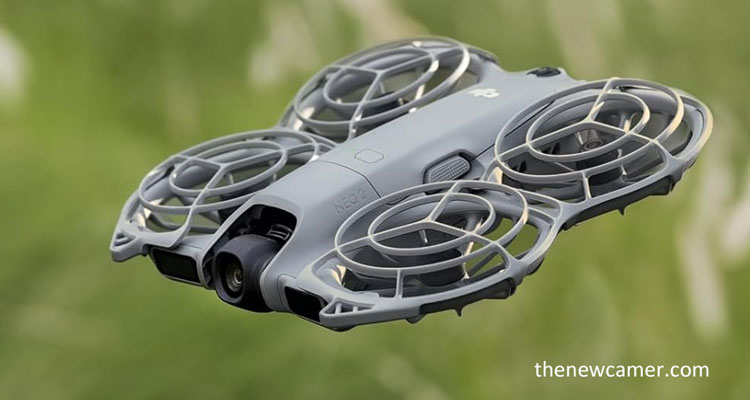
We have refreshed the guide and added DJI Neo 2, a game changer that is able to record 4K video up to 60 frames per second, and also features dual-axis image stabilization for ultra-smooth video footage. On top of that, we have a massive upgrade with the addition of LiDAR sensing inside the Neo 2, which was completely absent in the earlier model. Overall, the price has slightly increased, but it is still under $500.
If you are a solo creator and love to have a drone that follows you, obeys your gestures, and captures you while moving indoors, then the DJI Neo 2 is one of the best options right now.
DJI Drones Under $500: Quick Comparison Table
To make your decision more easy, here we have selected all the best dji drones available under 500 dollar in this table and we have compare all the drones here so you get an idea which one is best for you as per your requirement and budget we have focused on the key specification is specifically like the camera quality flight time and the unique features that a Drone must have
| Drone Model |
Starting Price |
Max Flight Time |
Camera Specs |
Video Resolution |
Obstacle Sensing |
| DJI Neo 2 (New) |
$259 |
19 Minutes |
1/2-inch CMOS, 12MP |
4K/60fps (100fps slow-mo), 10-bit color |
Omni-way vision + forward LiDAR + downward IR |
| DJI Flip |
$439 |
31 minutes |
1/1.3-inch CMOS, 48MP photos |
4K/60fps HDR, 10-bit D-Log M |
Forward 3D Infrared + Downward |
| DJI Mini 3 |
$419 |
38 minutes (standard), 51 minutes (Plus battery) |
1/1.3-inch CMOS, 12MP photos |
4K HDR |
Downward only |
| DJI Mini 4K |
$299 |
31 minutes |
1/2.3-inch CMOS, 12MP photos |
4K/30fps |
Downward only |
| DJI Neo |
$199 |
18 minutes |
1/2-inch CMOS, 12MP photos |
4K/30fps |
Downward only |
As you can see, the major difference between these drones.

1. DJI Flip: The Best Overall DJI Drone Under $500
If you’re looking for the best DJI drone under 500 dollars that doesn’t compromise on features, then the best drone is the DJI Flip – a top pick in our recommendation as well as in comparison. The DJI Flip was released in January 2025, and it fills the gap between beginner and pro-level aerial videography.
Why we love the DJI Flip
- Camera excellence: The drone features a 1/1.3-inch sensor, which is the same sensor as the pricey DJI Mini 4 Pro – so you are getting professional quality video up to 4K 60 FPS HDR, and the ability to capture still images of 48 megapixels. The DJI Flip also supports 10-bit internal video recording and D-Log with manual colour modes, which allows professional-level editing and very high latitude / DR range in your videos for working later on in shadows and highlights. It also has a slow-motion mode where you can capture 4K videos up to 100 frames per second, which will add a kind of cinematic flair to your entire footage. The DJI Flip also offers vertical shooting mode for Instagram Reels, YouTube Stories, as well as TikTok videos.
- 3D Obstacle Sensing: At under 249 grams, it features a completely foldable and fully covered propeller guard that is highly safe to use indoors as well as in outdoor flight. Now, this is the only drone in the under $500 category that offers you forward-facing 3D infrared sensors that provide basic obstacle awareness – obviously not multidirectional sensors like professional models, but at least you’ll have a level of protection from the forward direction, which is not available in any other drone at this price range. The drone can handle wind up to Level 5 (up to 10.7 m/second). The maximum flight time of the DJI Flip is 31 minutes with O4 transmission up to 13 kilometres.
- Ease of use: The DJI Flip does palm takeoff and landing with voice control – just say “Hey Fly” – and it also features AI subject tracking, so it tracks you wherever you go. With the use of the DJI Fly app and virtual joysticks, you can easily control your drone. There are also intelligent modes like QuickShots, MasterShots, and Hyperlapse to automate your workflow.
Drawbacks
- Battery life isn’t that great, and internal storage is just 2GB – so you have to get a microSD card. Also, there is no built-in Remote ID for commercial use. It is best suited for hobbyist photographers and videographers.
- In our test, the DJI Flip’s image quality rivals that of drones twice its price, making it very much ideal for vloggers as well as photographers. When compared to the DJI Neo (specifically for capturing selfies) or the upgraded Mini 4 Pro (available at $759 with full obstacle avoidance), the Flip stands out.
Where to buy DJI Flip: DJI flip at $439, B&H Photo ($439), DJI Store.

2. DJI Mini 3: Best for Longer Flights and Professional-Quality Video
Now, specifically for those creators who need extra airtime, the DJI Mini 3 arrives at $419 and shines as one of the best DJI drones under $500 for marathon-type sessions. The DJI Mini 3 was announced in 2022 but is still in demand even in 2025, offering unbeatable battery life for its price.
Key Highlights
- Battery and flight: You get a total flight time of up to 38 minutes in standard mode and approximately 51 minutes with the Plus battery (sold separately). It can handle Level 5 wind with a resistance of 4000m max altitude, which ensures stable flight in varied conditions.
- Camera performance: 1/1.3-inch sensor for 12MP photos and perfect 4K HDR videos. This DJI Mini 3 is capable of true vertical shooting, rotating the gimbal up to 90 degrees – perfect for creating social media content.
- Features: We have a downward sensor for precise landing and 10km of transmission control. We also have modes like Panorama, QuickShots, and auto return. The overall weight of the drone is under 249 grams, which folds compactly for travel purposes.
- User experience: Beginner-friendly with the DJI Fly app, and there’s also an optional RC-N1 controller for precise control.
Potential Cons
- It lacks forward obstacle avoidance – the Mini 3 Pro has that, and so does the DJI Flip mentioned earlier.
- Be careful while using the Plus battery as it pushes the weight over 250 grams, triggering registration.
- Compared to the Mini 4K, it offers better low-light performance and longer flight time – great for landscape photographers.
Buy Now: Amazon ($419)

3. DJI Mini 4K: Best Value DJI Drone Under $500
The DJI Mini 4K is the best value DJI drone under $500.The DJI Mini 4K makes a great first impression right out of the box—setup is quick, the app walks you through all the basics, and takeoff/landing is almost effortless thanks to the automated controls.
Standout Features
- Affordable 4K: This drone has a 1/2.3-inch sensor, which is able to record 4K videos up to 30 frames per second, with 12MP resolution for photos. Overall, it’s a perfect drone for social media but not as good as the DJI Flip’s sensor. Limited low-light performance means you’ll need to be cautious about night shooting.
- Flight Specifications: Approximately 31 minutes of maximum flight time. It also has Level 5 wind resistance and approximately 10km transmission range. Downward sensing is also included for safe hovering.
- Beginner Perks: No FAA registration required, automatic takeoff/landing, and QuickShot modes.
Downsides
- Smaller sensor struggles in low light. You can take amazing daylight videos and evening shots, but for nightscapes, consider the Mini 3 or DJI Flip.
- No vertical capture mode, so you cannot record vertical videos for Instagram or TikTok. It captures only horizontal/landscape videos and images.
DJI mii 4k Buy Now: Amazon ($419)

4. DJI Neo: The Best Budget DJI Drone Under $500 for Beginners
The DJI Neo, available at $199, can be called the ultimate entry-level beginner’s drone, available at a super budget price. This is the best DJI drone under $500 for first-time users or beginners, specifically interested in fun and learning how to fly.
Why It’s Beginner-Friendly
- Simple Operation: The DJI Neo is a hand-launch drone and is pre-programmed for that. You can easily fly your drone with just your palm. It can fly in circle or a boomerang motion. No controller required – use the app or activate it via voice, and it will track your movement.
- Camera: The camera has a 1/2-inch sensor capable of recording 4K videos at 30 frames per second and capturing 12MP images. The videos and images are highly usable for social media.
- Compact Design: The drone weighs 135 grams and provides approximately 18 minutes of flight time. Downward sensing enables easy takeoff and landing.
Limitations
- Short battery life, no forward obstacle avoidance, and limited range without a dedicated controller.
- Ideal for those who are new and budget-conscious. Obviously, the DJI Mini 4K is a better choice if you can spend more.
specification is specifically like the camera quality flight time and the unique features that a Drone must have
5. DJI Neo 2: Most Advanced Beginner Drone Under $500
The DJI Neo 2, recently announced on November 13, 2025, does have a massive upgrade over the DJI Neo. The price of the drone is $259, which is slightly higher than the first generation Neo drone. Take a look at the pros & Cons before you decide.
Pros:
- Camera Leap: 1/2-inch able to record, 4K/60fps with 100fps slow-mo and 10-bit color, ready for extensive colour, grading and shadow + highlight recovery. HorizonBalancing + RockSteady EIS keeps footage gimbal-smooth (dual-axis mech stabilization).
- Smarter Flying: for the first time Omni-directional sensing (LiDAR forward, IR down), in the Neo series, it protects the drone from accidental mishaps, additionally, propeller guards indoor/night flights. Gesture controls and AI subject tracking for Solo content creation
- Storage & Battery: 49GB internal (no microSD needed) + 19-min flights; Fly More Combo ($400) adds 3 batteries for all-day sessions.
Cons: Shorter flight than Mini 3; US availability via third-parties (Amazon Canada imports ~$230) due to ban risks—no official DJI restocks post-Dec 23.
Who It’s For: specifically made for solo creator TikTokers, indoor adventurers, or anyone upgrading from the $159 Neo. Score: 9.5/10. Buy Now on Amazon (Check stock—ban could limit).
Alternatives to DJI Drones Under $500
While DJI leads, consider:
Buying Guide: Factors to Consider for the Best DJI Drone Under $500
- Camera Quality: You should give full priority to camera quality. If the sensor size is big, it will help you capture clear and beautiful night views. If the sensor size is small, then capturing night scenes will be difficult.
- Obstacle Avoidance: This should be a priority for your drone’s safety. You can’t always fly with full attention to avoid collisions, so drones under $500 like the DJI Flip offer forward-facing infrared sensors to avoid direct crashes during flight.
- Better Battery Life: Look for larger or better battery life. For example, if you’re a wedding cinematographer, you need a drone with the longest possible battery life. DJI Mini 3, with an extended flight time of 38 minutes (up to 51 with a Plus battery, sold separately), is the best pal for wedding cinematographers.
- Ease of Use: If you buy a DJI drone compatible with a controller (except for the few at $199), ease of use is on your side. Otherwise, drones with limited controls can be difficult to fly due to synchronization lag.
- Regulations: The most important factor – your drone should be under 250 grams. Fortunately, all drones listed here are under 250g, so you’re good to go. Just have fun flying.
- Accessories: Always look for Fly More Combos with extra batteries and bags. These combos are often more affordable than buying accessories and drones separately.
The Bottom Line: Choose the Best DJI Drone Under $500 for You
The ultimate and best among the list—and my personal favorite—is the DJI Flip. It is the best DJI drone under $500 in 2025 for most users, offering the best premium set of features. If you’re on a tight budget, the Neo or Mini 4K are also great options. Pick any of these depending on your needs and budget, and you won’t be disappointed. Whichever drone you choose, all are amazing performers made for aerial creativity.
Q&A: Best DJI Drones Under $500 in 2025
Below are the most commonly asked questions related to the under $500 DJI drone category, with answers directly extracted from the provided content without any modifications.
- Which DJI drone under $500 offers the best camera quality for aerial photography and videography?
Answer: If you’re looking for the best DJI drone under 500 dollars that doesn’t compromise on features, then the best drone is the DJI Flip – a top pick in our recommendation as well as in comparison. The drone features a 1/1.3-inch sensor, which is the same sensor as the pricey DJI Mini 4 Pro – so you are getting professional quality video up to 4K 60 FPS HDR and the ability to capture still images of 48 megapixels.
- Do I need to register any of these DJI drones under $500 with the FAA?
Answer: All the models listed here are fall under 250 grams means they escape many of the FAA registration requirements by the USA and other countries. Regulations: The most important factor – your drone should be under 250 grams. Fortunately, all drones listed here are under 250g, so you’re good to go. Just have fun flying. But, In the United States you need to take a short test, print out the card and carry it with you. TRUST – The law requires that all recreational flyers pass an aeronautical knowledge and safety test and provide proof of passage if asked by law enforcement or FAA personnel. The Recreational UAS Safety Test (TRUST) was developed to meet this requirement.
- What is the main difference between the DJI Flip and DJI Mini 3 for someone focused on video recording?
Answer: DJI Flip: Camera excellence: The drone features a 1/1.3-inch sensor, which is the same sensor as the pricey DJI Mini 4 Pro – so you are getting professional quality video up to 4K 60 FPS HDR and the ability to capture still images of 48 megapixels. The DJI Flip also supports 10-bit internal video recording and D-Log with manual colour modes, which allows professional-level editing and very high latitude in your videos for working later on in shadows and highlights. DJI Mini 3: Camera performance: 1/1.3-inch sensor for 12MP photos and perfect 4K HDR videos. This DJI Mini 3 is capable of true vertical shooting, rotating the gimbal up to 90 degrees – perfect for creating social media content.
- Is the DJI Neo a good choice for someone new to flying drones?
Answer: The DJI Neo, available at $199, can be called the ultimate entry-level beginner’s drone, available at a super budget price. This is the best DJI drone under $500 for first-time users or beginners, specifically interested in fun and learning how to fly.
- Can I use these drones for night or low-light shooting, and which one performs best in those conditions?
Answer: For nightscapes, consider the Mini 3 or DJI Flip.
- How does the obstacle avoidance on the DJI Flip compare to other drones under $500?
Answer: DJI flip, the Only drone in the under $500 category that offers you forward-facing 3D infrared sensors that provide basic obstacle awareness – obviously not multidirectional sensors like professional models, but at least you’ll have a level of protection from the forward direction, which is not available in any other drone at this price range.
ABout the author: The article “DJI Osmo Action 6 Price, Specs, Release Date: Everything We Know So Far [2025 Update]” written and updated by thenewcamera.com team on 5:54 am, Monday, 18 August 2025,Greenwich Mean Time (GMT) This post was last updated on October 13, 2025, at 6:23 AM GMT (2025-10-13T06:23:00Z). | Follow us for more updates and Get LIVE RUMORS –> FACEBOOK | TWITTER | INSTAGRAM to get live news — > get live Drone news + DJI Rumors
Post Update Log

By admin, on August 20th, 2025

Finally, the Hasselblad X2D II will officially arrive on Aug 26, 2025. Here is the press release of the Hasselblad X2D II camera. We have previously discussed the price and detailed specs of the Hasselblad X2D II camera.
Hasselblad X2D II Press Release
Hasselblad Unveils X2D II 100C and New Zoom Lens – Hasselblad launches 100MP HDR medium format with new zoom
Hasselblad has announced the X2D II 100C, an update to the highly respected X2D 100C. This new 100-megapixel medium format camera will be the first to offer true end-to-end high dynamic range (HDR). As well as the new camera body, Hasselblad has also launched the XCD 2,8–4/35–100E, a compact standard zoom lens designed to deliver flagship optical performance across a wide focal range.
The X2D II 100C builds on the original X2D 100C, introducing several key innovations. Chief among them is AF-C continuous autofocus, a first for Hasselblad, powered by deep learning algorithms to deliver faster, more reliable subject detection and tracking. Its Phase Detection Autofocus system now covers 425 zones, supported by LiDAR-assisted focusing and a new AF illuminator for improved performance in low light.
In terms of image quality, the X2D II 100C features Hasselblad Natural Colour Solution with High Dynamic Range (HNCS HDR), bringing real life colours, greater highlight retention, and richer tonal detail even in difficult lighting. HDR files can be saved as HDR HEIF or Ultra HDR JPEG and can be reviewed on the new 3.6-inch OLED screen, which is now 75% brighter than its predecessor.
At its heart is an enhanced 100MP BSI CMOS sensor with 16-bit colour depth and a dynamic range of 15.3 stops. Combined with a new 10-stop, 5-axis stabilisation system, the camera offers even greater control for hand-held shooting, including the ability to capture long exposures without a tripod. Phocus Mobile 2 expands the workflow further, enabling editing, remote control, and HDR RAW processing directly from an iOS device.
The X2D II 100C features 1TB of internal storage and a CFexpress Type B slot for expansion, so there should be no worries about running out of storage space even with those high-resolution files. The X2D II 100C design has also been refined over the previous release and now features a lighter body, new graphite grey matte finish, tilting OLED screen, 5D joystick, and customisable controls for improved ergonomics.
Complementing the new body is the XCD 2,8–4/35–100E lens, a versatile standard zoom covering 28–76mm full-frame equivalent. With an aperture range of f/2,8 to f/4, it offers strong low-light performance and smooth bokeh, while maintaining edge-to-edge sharpness. The optical formula includes 16 elements in 13 groups, with three aspherical and five ED elements. This makes it fully capable of meeting the demands of a 100MP sensor.
The lens employs the fastest stepping motor in the XCD lineup boosts the autofocus. One of the features that Hasselblad cameras are known for is the integrated leaf shutter that supports full flash synchronisation up to 1/4000 second, while the compact 894g body ensures handling remains balanced on the new X2D II 100C.
Hasselblad is also releasing accessories, including the Vandra Camera Backpack, inspired by Sweden’s Freedom to Roam, and three new 86mm filters: UV, ND8, and CPL.
Hasselblad X2D II 100C Specifications:
100MP BSI CMOS medium format sensor
16-bit colour depth, 15.3 stops dynamic range
Hasselblad Natural Colour Solution with HDR
AF-C continuous autofocus, 425 PDAF zones
5-axis, 10-stop in-body image stabilisation
ISO 50 native sensitivity
1TB internal SSD storage + CFexpress Type B slot
3.6-inch OLED tilting screen, 1400-nit brightness
Weight: 7.5% lighter than X2D 100C
Graphite grey matte finish, redesigned ergonomic grip
XCD 2,8–4/35–100E Specifications:
28–76mm full-frame equivalent focal length
Aperture range f/2,8–f/4
16 elements in 13 groups (3 aspherical, 5 ED)
Fastest stepping motor in the XCD lineup
Integrated leaf shutter, sync from 1/4000s to 68 minutes
Length: 138mm, Weight: 894g
Price and Availability:
The Hasselblad X2D II 100C will be available at £6,400 / $7,399, while the XCD 2,8–4/35–100E lens is priced at £4,100 / $4,599. The Vandra Backpack is £369 / $469, with the new 86mm filters priced between £259–£469 depending on type. Availability will be through Hasselblad Flagship Stores, authorised dealers,
Support us – Use or affiliate link Amazon.com | B&H Store | Adorama.com for the next purchase u make – it helps us 🙂
Follow TheNewCamera.com for the latest updates, reviews, and camera rumors. Join our community on X for real-time news! Also Follow us on our social pages FACEBOOK | INSTAGRAM, If you have time –>see more Hasselblad rumors 24X7
source - mirrorlessrumors.com - Accessed August 20, 2025.


By admin, on August 18th, 2025 So let’s talk about the latest camera lens news. Nikon is rumoured to release a new 24-70mm f/2.8 S II lens, and there’s also some rumours related to the possible update of the existing Nikkor 70-200mm f/2.8 lens. Maybe not this year, but yeah, the update is on its way. Other than that, we have some budget-friendly lens announcements. Yongnuo and Shenguang Imaging are hitting the market with their super budget-friendly prime lenses for APS-C Z-mount. Now let’s look at the details, specifications, and other information related to the upcoming and already announced lenses.

Nikon Z Lens Rumours: What’s Coming in August 2025?
According to the latest set of rumours, we have Nikon Z mirrorless system cameras continuing to evolve. And now we have the 24-70mm f/2.8 S II lens announcement on August 26, 2025. It will replace the existing 24-70mm f/2.8 S lens, which was announced back in 2019. It is already very popular among its users for its sharpness and build quality—often considered the best 24-70mm available for the Z-mount. But why is Nikon updating it just after 6 years of its release? Let’s find out.
Potential Improvements:
Like most of the high-quality lenses, the 24-70mm f/2.8 S II is more optically enhanced to handle higher resolution sensors. It’s expected to be lightweight with improved advanced coatings like Nikon’s ARNEO and Nano Crystal Coat to reduce flare and ghosting.
People are waiting:
A lot of users are ready—many of my subscribers are waiting to get their hands on this lens as soon as it arrives.
Additional Rumors:
The Nikkor Z 70-200mm f/2.8 S II is also in the announcement pipeline, although there is no specific timeline for the announcement available right now. At the very same time, Nikkor Z 14-24mm f/2.8 S is not in the announcement pipeline currently and may be updated later next year or so.
All these updates align with Nikon’s strategy to keep the Z-mount competitive and ready for professional use. Since Nikon is introducing higher resolution bodies—and yes, we are waiting for the Nikon Z7 Mark III camera too—this update looks very logical to me.
Why This Matters
The Nikkor 24-70mm f/2.8 is actually a workhorse lens for any Nikon professional photographer. It covers portrait photography, wedding photography, street photography, fashion, event photography, and travel photography. It’s a versatile lens and used by many photographers out there. Now an updated version is going to solidify Nikon’s lead in the mirrorless camera market over Sony and Canon. If they introduce a lighter lens, that will appeal to photographers without sacrificing quality.
Reference | source - Nikonrumor.com, Accessed August 18, 2025.

Yongnuo AF 33mm F1.4: Affordable Autofocus for Canon RF-S
Yongnuo has released a 33mm f/1.4 lens for the Canon RF-S mount for the first time, and the price of the lens is only $239. For sure, it will become the first priority for budget-conscious photographers seeking a fast prime lens for low-light shooting and super creamy bokeh.
Key Specifications
- Focal Length: 33mm (equivalent to ~50mm on full-frame)
- Aperture: f/1.4 to f/16
- Optical Design: 11 elements in 9 groups
- Minimum Focus Distance: 0.4 meters
- Filter Size: 58mm
- Weight: Approximately 360 grams
- Mount: Canon RF-S
Why It’s a Great Deal
At $239, you’re getting the Yongnuo AF 33mm f/1.4 for Canon. Now this offers a bright f/1.4 aperture with a fully functional autofocus motor at this price point. So it is an ideal lens for shooting portraits, street photography, and even content creation—especially when you want to capture yourself while creating content in your room or office. It’s a lightweight design with autofocus compatibility and RF-S mount, all under a $250 price tag. This is a super budget lens, without a doubt.
Where to Buy the Lens:
Will become available on Amazon and B&H Photo Video. You can also check out Yongnuo’s official website for this lens.
reference | source - th.hkyongnuo.com Yongnuo Thailand. Accessed August 18, 2025.

Shenguang Imaging AF 25mm F1.8: Lightweight Nikon Z-Mount Option
Shenguang Imaging has introduced the AF 25mm f/1.8 lens for Nikon Z mount. Already available for Sony E-mount and Fujifilm X-mount, it’s widely available on Amazon Japan, but we have to wait for B&H or Amazon.com to bring it to the USA.
Key Specifications
- Focal Length: 25mm (equivalent to ~38mm on full-frame)
- Aperture: f/1.8 to f/16
- Optical Design: 7 elements in 5 groups
- Minimum Focus Distance: 0.3 meters
- Filter Size: 52mm
- Weight: Approximately 145 grams
- Colors: Black, Silver-Black, Yellow-Black, Red-Black
- Mount: Nikon Z (APS-C)
Weighing only 145 grams and with all-metal build, the closest focusing distance is only 0.3m. The 38mm equivalent focal length is ideal for street and travel photography—specifically for Nikon Z APS-C / DX format users.
So these were the three updates about the lenses. I am excited for the Nikon Z 24-70mm f/2.8 S II, and I’m also waiting for the Nikon 70-200mm f/2.8 S II. I will post an update as soon as we get any new information related to upcoming cameras or lenses. Stay tuned and subscribe to thenewcamera.com for future updates, live news, and rumors. Also, let me know in the comments section which lens you are most excited about.
ABout the author: The article “Exciting Lens Updates: Nikon Z 24-70mm f/2.8 S II Rumors, Yongnuo AF 33mm F1.4, and Shenguang AF 25mm F1.8” written and updated by thenewcamera.com team on 12:22 pm, Monday, 18 August 2025, Greenwich Mean Time (GMT) | Follow us for more updates and Get LIVE RUMORS –> FACEBOOK | TWITTER | INSTAGRAM to get live news — > get live Camera news + Nikon Rumors 24X7

|
KEEP THIS BLOG ALIVE - Support New Camera Buy Canon Lenses, Buy Music CD or Digital Camera at amazon it helps this site, and you do not pay anything extra, it is just a way to help support this site.

|