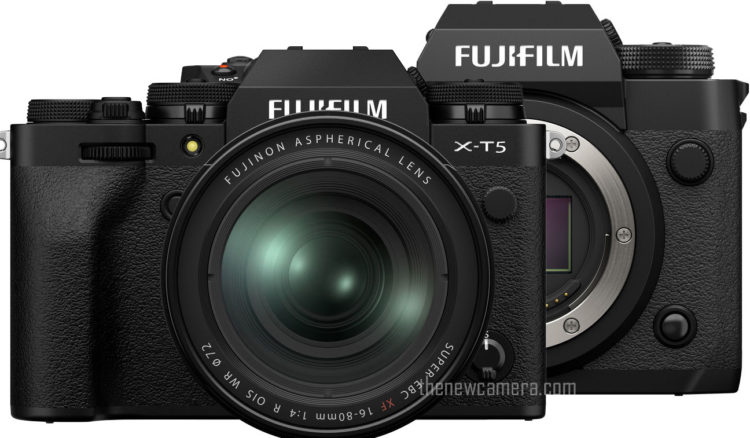
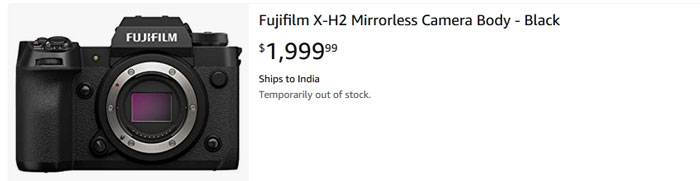
Both of the Fuji Cameras feature the latest X-Processor 5 engine and a 5th-gen 40MP X-Trans BSI APS-C sensor, despite having the same sensor and image processor we do have some differences in the core specs of both cameras.
Camera
FUJI X-T5
FUJI X-H2
Sensor Type
Effective: 40.2 Megapixel (6240 x 4160)
Effective: 40.2 Megapixel
Crop Factor
23.5 x 15.6 mm (APS-C) CMOS
23.5 x 15.6 mm (APS-C) CMOS
Image Stabilization
1.5x
1.5x
Built-In ND Filter
Sensor-Shift, 5-Axis
Sensor-Shift, 5-Axis
Capture Type
None
None
Stills & Video
Stills & Video
The Autofocus specification of both cameras is exactly similar to each other since we have the same sensor and image processor here. So, more or less the image quality of the camera and the AF performance of both are expected to remain the same.
FUJI X-T5
FUJI X-H2
Focus Type
Auto and Manual Focus
Auto and Manual Focus
Focus Mode
Continuous-Servo AF, Manual Focus, Single-Servo AF
Continuous-Servo AF, Manual Focus, Single-Servo AF
Autofocus Points
Photo, Video
Contrast Detection, Phase Detection: 425
Photo, Video
Contrast Detection, Phase Detection: 425
Built-In Flash
No
No
Flash Modes
Auto, Commander, First-Curtain Sync, Manual, Off, Second-Curtain Sync, TTL Auto
Auto, Commander, First-Curtain Sync, Manual, Off, Second-Curtain Sync, TTL Auto
Maximum Sync Speed
250 Second
250 Second
External Flash Connection
Hot Shoe, PC Terminal
Hot Shoe, PC Terminal
As you can see we have a slightly better base ISO range in the Fuji X-H2 camera. Although the extent ISO range of both cameras remains the same.
X-H2 125 to 12,800 in Manual, Auto Mode (Extended: 80 to 51,200)
X-T5 – 160 to 12,800 in Auto Mode (Extended: 80 to 51,200)
Mechanical Shutter
1/8000 to 900 Seconds in Manual Mode
1/8000 to 900 Seconds in Shutter Priority Mode
1/8000 to 30 Seconds in Aperture Priority Mode
1/8000 to 4 Seconds in Program Mode
Up to 60 Minutes in Bulb Mode Electronic Shutter
1/32000 to 900 Seconds in Manual Mode
1/32000 to 900 Seconds in Shutter Priority Mode Electronic Front Curtain Shutter
1/8000 to 900 Seconds in Manual Electronic Shutter
1/8000 to 1/4 Second in Movie Mode
Mechanical Shutter
1/8000 to 4 Seconds in Program Mode
1/8000 to 30 Seconds in Aperture Priority Mode
1/8000 to 15 Minutes in Manual Mode
Up to 60 Minutes in Bulb Mode Electronic Shutter
1/8000 to 4 Seconds in Program Mode
1/8000 to 30 Seconds in Aperture Priority Mode
1/8000 to 15 Minutes in Manual Mode
Fixed 1 Second in Bulb Mode
Bulb/Time Mode
Bulb Mode
Bulb Mode
ISO Sensitivity
Photo
160 to 12,800 in Auto Mode (Extended: 80 to 51,200) Video
160 to 12,800 in Auto Mode (Extended: 160 to 25,600)
Photo
125 to 12,800 in Manual, Auto Mode (Extended: 80 to 51,200) Video
125 to 12,800 in Manual, Auto Mode (Extended: 80 to 25,600)
Mechanical Shutter
Up to 15 fps at 26.1 MP for up to 38 Frames (Raw) / 110 Frames (JPEG)
Up to 10 fps at 26.1 MP for up to 44 Frames (Raw) / 164 Frames (JPEG)
Up to 8 fps at 26.1 MP for up to 49 Frames (Raw) / 200 Frames (JPEG)Electronic Shutter
Up to 20 fps at 26.1 MP for up to 36 Frames (Raw) / 79 Frames (JPEG)
Up to 30 fps at 20.9 MP for up to 35 Frames (Raw) / 60 Frames (JPEG)
Up to 20 fps at 20.9 MP for up to 37 Frames (Raw) / 114 Frames (JPEG)
Up to 10 fps at 20.9 MP for up to 48 Frames (Raw) / 500 Frames (JPEG)
The difference in BASE ISO Range
So, with such a little difference in the base ISO range, we don’t expect much difference in the performance of both cameras. Yes, under LAB TEST results we may see some difference in DR due to the minor difference we have in the base ISO range, but in real-world usage, we won’t be able to spot any difference.
Buffer Limitation
Fuji X-T5 is able to save only 119 Jpeg in single bursts whereas the Fuji X-H2 camera is able to save up to 1000+ Jpeg in a single burst. CF CFexpress Type B also missing in the new X-T5.
Raw
7680 x 4320 up to 29.97 fps MOV/MP4/MPEG-4 AVC/ProRes 422/ProRes 422 HQ/ProRes 422LT
UHD 8K (7680 x 4320) at 23.98/24.00/25/29.97 fps [50 to 720 Mb/s] MOV/MP4/MPEG-4/ProRes 422/ProRes 422 HQ/ProRes 422LT
6240 x 4160 at 23.98/24.00/25/29.97 fps [50 to 720 Mb/s]
DCI 4K (4096 x 2160) at 23.98/24.00/25/29.97/50/59.94 fps [50 to 720 Mb/s]
UHD 4K (3840 x 2160) at 23.98/24.00/25/29.97/50/59.94 fps [50 to 720 Mb/s]
DCI 2K (2048 x 1080) at23.98/24.00/25/29.9 /50/59.94 fps [50 to 720 Mb/s]
1920 x 1080p at 23.98/24.00/25/29.97/50/59.94/100/119.88/200/239.76 fps [50 to 720 Mb/s]
Video Limitations of X-T5
The high resolution on the sensor allows the X-H2 to record 8K up to 30p (RAW available). You can also select 6.2K video up to 30p. In 4K, you can work up to 30p with oversampling from 8K, or up to 60p with sub-sampling. In Full HD, the frame rate goes up to 240p with the High-Speed mode. With the Fuji X-T5 camera, you can record Full HD Videos up to 240fps but the MAX Video resolution available here is 6.2K video up to 30p. Undoubtedly the X-H2 is a better video camera with more features compared to X-T5.
No External Fan Support in Fuji X-T5 Camera
If you live in a western country then it’s ok, but in Asian countries where the temp goes really high in the summer season, X-T5 is left with no option to add an external fan to the camera due to the introduction of a tilting screen.
The ports of the camera and display screen are more or less likely to be the same.
FUJI X-T5
FUJI X-H2
Media/Memory Card Slot
Dual Slot: CFexpress Type B (SD Express)
Dual Slot: CFexpress Type B (SD Express)
Video I/O
1 x HDMI Output
1 x HDMI Output
Audio I/O
1 x 1/8″ / 3.5 mm TRS Stereo Microphone Input
1 x 1/8″ / 3.5 mm TRRS Headphone/Mic Input on Camera Body 1 x 1/8″ / 3.5 mm TRRS Headphone/Mic Output on Camera Body
Power I/O
1 x USB-C Input/Output
1 x USB-C Input/Output
Wireless
Wi-Fi, Bluetooth
2.4 / 5 GHz Wi-Fi 5 (802.11ac)
Bluetooth
Global Positioning (GPS, GLONASS, etc.)
None
None
High-Quality Viewfinder
The Fuji X-H2 camera features a HighResolution Viewfinder of 5.76 Million dots, yes the X-H2 features class-leading core specs.
Type
Built-In Electronic (OLED)
Built-In Electronic (OLED)
Size
0.5″
0.5″
Resolution
3,6M-dot OLED electronic
5.76M-dot OLED electronic
Eye Point
23 mm
100%
Coverage
100%
Approx. 0.8x
Magnification
Approx. 0.75x
-5 to +3
yes, u will have a very minimal difference in battery life. X-H2 Features a 720-shot battery life and X-T5 features a 740-shot battery life in ECO mode.
Conclusion: Which camera should you buy Fuji X-H2 or Fuji X-T5
Core specification wise we have very little difference between them and so on the price tag. If spending $200 extra on a camera body isn’t an issue for you, than its better to buy the Fuji X-H2 camera. Since u will get a slightly better base ISO range, Better EVF, and 8K video recording capability.
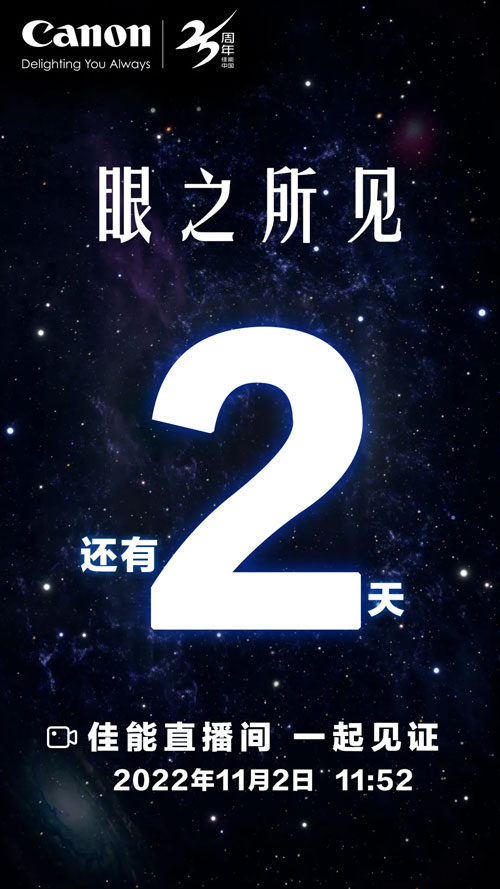
According to the latest rumors surfaced over the web, the Canon R6 Mark II camera’s official announcement is about to happen on Nov 2 2022. Canon china’s social handle uploaded a teaser of the same, check below
November 2nd at 11:52 noon . Embark on an illusionary journey of space and time and witness the collision of technology and reality. It’s worth going to, go and make an appointment for Kangkang [translated text]
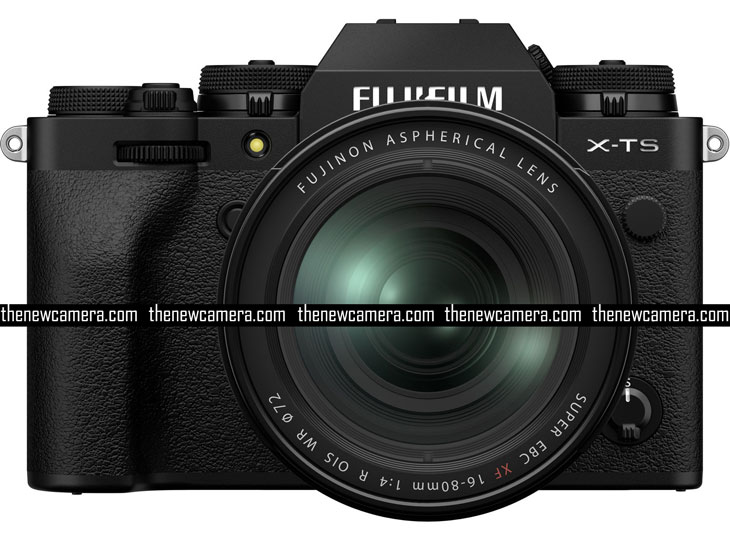
The Price of the Fuji X-T5 Camera is $1699 | €1999. According to the latest rumors coming from a trusted rumor mill, the Fuji X-T5 camera is coming on November 2nd, 2022. Take a look at the Major specification of the upcoming Fuji Camera.
Fuji X-T5 Major Specification
40-megapixel non-stacked CMOS sensor
A stacked CMOS sensor model will not appear
Base ISO lower than 160
Supports in-body image stabilization and pixel shift multi-shot
no vertical grip
Smaller than X-T4
Not at X Summit in September
November 2022
Equipped with a 3-way tilt monitor
Video/Still Image Dedicated Subdial Switch
Joystick like X-T4
Equipped with D-Pad and MCS switch
Dual SD UHS-II card slots
Doesn’t support 8K video
Supports 6K 30p video
black / silver
$1699 / €1999
We will post an update once the camera becomes official.
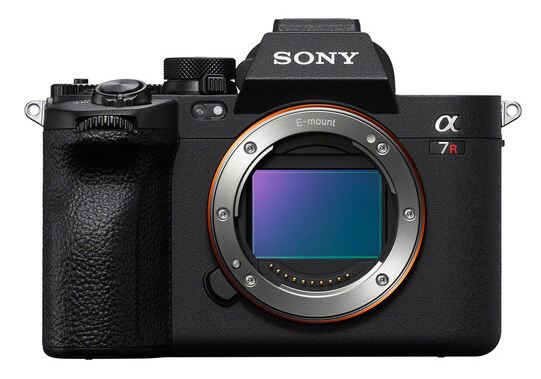
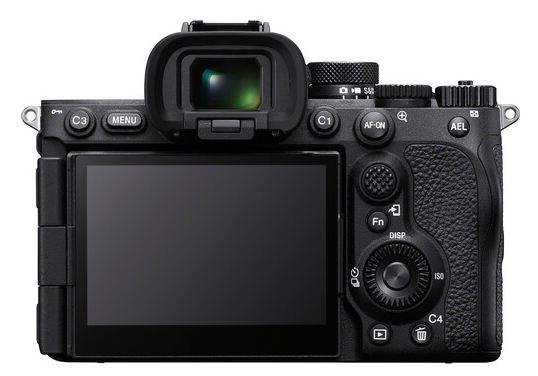
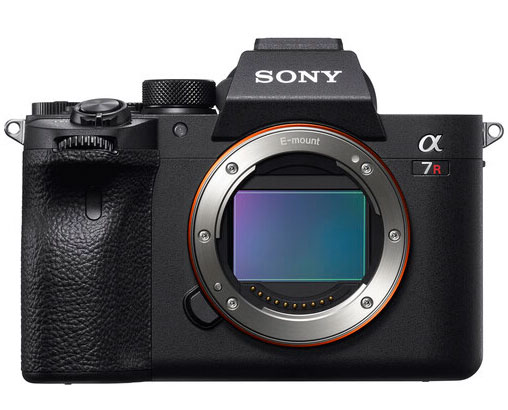
Finally, the Sony A7R V camera is now official, the camera features a 61MP sensor (it’s redesigned to perform better). The camera redefines Artificial intelligence and image processing power in Sony A7 series cameras. For the first time, a Sony A7 series camera is able to shoot 8K videos, (Yes we know the A1 series is capable of but 8k has been introduced for the first time in the A7 series via A75 ) Not only that the camera does full sensor readout so you will get HQ 4k videos up to 60fps from Sony A7R5 camera. The next big improvement is IBIS, for the first time a Sony A7 camera features IBIS up to 8 Stops, even the recently announced Sony A7 4 camera was limited to 5.5 Stops of IBIS.
Other upgrades include new 693 Phase AF points in the sensor for more precise AF tracking performance. (Sony A7R 4 was limited to 567 AF points). The addition of a new menu, as well as S-Cinetone picture profiles, finally arrived. AI-assisted auto WB, New pixel shift mode for handheld High Res images, and much more.
Overall the Sony A7R 5 camera arrived with a major update except for the sensor resolution. That is the only thing that disappointed me, everything else is a massive upgrade.
SAN DIEGO, CA – October 26, 2022 – Sony Electronics Inc. announced the Alpha 7R V (model ILCE-7RM5) as the newest R series camera in its acclaimed line of Alpha mirrorless interchangeable lens cameras. The Alpha 7R V combines Sony’s highest resolution image sensor with a new AI (artificial intelligence) processing unit dedicated to AI-based image recognition – a first in any Alpha camera – as well as the powerful BIONZ XR™ image processing engine – a first in the “R” full-frame lineup. The combination of the high-resolution sensor and these processors enables new breakthroughs in subject recognition and capture for both still photography and video.
The new Alpha 7R V offers 61.0MP still images plus the most effective 8-step[i] image stabilization system ever offered in any of Sony’s Alpha cameras, as well as refined 8K[ii] movie output, a new 4-axis multi-angle monitor, high-speed communication functions, high-level operability and smooth workflow integration. Sony’s newest camera is ideal for professionals who need a first-class high-resolution imaging tool.
“The newest addition to our Alpha 7R lineup is the perfect example of our relentless drive to develop industry-leading imaging technology,” said Yang Cheng, Vice President, Imaging Solutions, Sony Electronics Inc. “We are thrilled to introduce the all-new Alpha 7R V with high-resolution and extremely advanced AI integrations that deliver next-generation autofocus performance. We are excited to see what our community creates with the new Alpha 7R V.”
Improved AF Accuracy Based on Newly Developed AI Processing Unit
The Alpha 7R V features Real-time Recognition AF, which is next-generation AF with advanced accuracy and broader subject recognition thanks to a new AI (artificial intelligence) processing unit with deep learning. The state-of-the-art AI processing uses detailed information about human form and pose estimation to dramatically improve recognition accuracy beyond systems that only detect face and eye and make full use of its potential[iii]. Real-time Recognition AF, using AI subject recognition, has been developed to include several subject types, including animals, vehicles and insects[iv]. The Alpha 7R V also includes continuous shooting at up to 10 fps[v] with AF/AE tracking.
In addition to the advanced AI technology, the Alpha 7R V includes improvements to many beloved features from other cameras in Sony’s Alpha series that are now included for the first time in Sony’s 7R series:
Tenacious Real-time Tracking
Faster and more precise wide-area, high-density AF system
Silent, vibration-free shooting[vii] at up to 7 fps[viii]
Continuously shoot up to 583 compressed RAW images at high speed[ix]llio
The Alpha 7R V also includes focus features that support high resolution including full-time DMF[x] (direct manual focus), and focus bracketing[xi], a highly-requested capability that allows for focus stacked images.
Extraordinary Resolution Known to Sony’s Alpha 7R Series
The Alpha 7R V was designed to deliver overwhelming detail thanks to the latest BIONZ XR™ image processing engine and a 35mm full-frame back-illuminated Exmor R™ CMOS image sensor with approximately 61.0 effective megapixels. The latest BIONZ XR image processing engine ensures that the resolution potential of the camera’s sensor is fully utilized to deliver the highest resolution at low sensitivity in the Alpha series thus far. This enables sensitivity settings from ISO 100 to ISO 32000[xii] for both stills and movies and wide dynamic range with 15 stops[xiii] for stills.
The Alpha 7R V’s entire image stabilization system has been updated with a high-precision image stabilization unit, advanced gyro sensors, and optimized image stabilization algorithms for stills and video. In addition to the 8-step compensation effect for stills, the new stabilization algorithm provides precise detection and control right down to the single-pixel level, taking full advantage of the sensor’s 61.0-megapixel resolution potential to bring out the finest subject details. Sony’s newest camera also offers upgraded Pixel Shift Multi Shooting, which takes advantage of the precision in-body image stabilization system control, capturing multiple pixel-shifted images that are later composited using a computer to achieve overwhelming resolution in a single image. Using the latest version of Imaging Edge Desktop™ Ver.3.5 computer application, small pixel-level movements, such as a shift in the subject’s position or leaves on a tree, are automatically detected and corrected so that perfect compositing can be achieved[xiv]. 16-image composites with approximately 240.8 million pixels (19,008 x 12,672 pixels)[xv] can be produced from data that is equivalent to approximately 963.2 million pixels. The Alpha 7R V also supports precise and versatile external flash control for additional creative flexibility. Additionally, when in challenging lighting conditions the Alpha 7R V effectively suppresses flickering from artificial lights[xvi] for stills and video.
Additional features that offer flexibility for still photography includes:
Addition of Lossless RAW image compression and selectable RAW image sizes and quality
Greatly expanded focus and exposure bracketing
Creative Look settings for stills and videos in the camera
High-quality HEIF images with high compression efficiency
Wide brightness range for large-screen viewing.
Cinematic Video Capabilities
In addition to incredible still photography capabilities, the Alpha 7R V offers advanced video capabilities. Sony’s newest camera delivers 8Ki 24/25p video, 4K video oversampled from 6.2K without binning[xvii], a high-efficiency MPEG-H HEVC/H.265 codec, all intra recording, 10-bit 4:2:2 recording, and more for high image quality and flexible editing. It also includes evolved subject recognition for unprecedented real-time tracking reliability, breathing compensation and the ability to use camera metadata for post-processing and advanced in-body image stabilization. In addition to in-body Active mode[xviii] image stabilization for smoother on-the-go recording, the Alpha 7R V is compatible with select lenses[xix] that include built-in image stabilization for even more stable framing and smooth footage.
Operability and Reliability
The Alpha 7R V pairs outstanding reliability for professional needs in both stills and videos with a compact, lightweight form factor. The Alpha 7R V includes a new 4-axis multi-angle LCD monitor[xx] that combines the utility of a conventional tilting monitor with side-opening vari-angle flexibility, and an electronic viewfinder with 9.44 million dots. The Alpha 7R V also includes two CFexpress Type A/SDXC compatible media slots and a brand-new menu system with touch control and a wide range of customizable functions.
The Alpha 7R V also allows professionals to optimize their workflow with updated connectivity for improved support. Data can be transferred at high speed over Wi-Fi (802.11ac) 2×2 MIMO[xxi] or a wired SuperSpeed USB 10Gbps connection via a USB-C® port. In addition to allowing efficient remote shooting as well as still and movie file transfers, new USB streaming features support UVC/UAC, allowing direct streaming from the camera even in 4K (QFHD) resolution with audio as well.
Based on feedback from professionals, the Alpha 7R V includes improved heat dissipation for extended recording times[xxii], an upgraded dust and moisture resistant design[xxiii], a durable magnesium alloy chassis, and other refinements for maximum reliability in challenging working environments.
The Alpha 7R V is also compatible with the new PCK-LG3 Screen Protect Glass Sheet, which maintains touch sensitivity while protecting the LCD monitor against stains and fingerprints.
Designed for Professionals with Sustainability in Mind
Measures have been taken to reduce the environmental footprint of this product at various stages of its life cycle: from product development through supply chain, production, and packaging. Sony aims to inspire through efficient use of energy and resources. Recycled plastic including SORPLAS™[xxiv] were partially used for the camera body. In addition, manufacturing takes place at a facility using renewable energy.
Sony is working towards the use of plastic free[xxv] packaging materials that provide ample protection against shock and impact. Plant-based non-woven fabrics are used for product bags[xxvi]. All of these considerations help to minimize environmental impact.
Pricing and Availability
The new Alpha 7R V will begin shipping in December and is available for approximately $3,900 USD and $5,300 CAD. It will be sold at a variety of Sony’s authorized dealers throughout North America.
[i] CIPA standards. Pitch/yaw shake only. FE 50mm F1.2 GM. Long exposure NR off.
[ii] Slow & Quick Motion is not available when recording XAVC HS 8K movies. [APS-C/S35 Shooting] is fixed at [Off]. Angle of view is approx. 1.2x.
[iii] Camera may not accurately recognize all specified subjects in all conditions. Subject types other than the type specified may be erroneously recognized in some cases.
[iv] Camera may not accurately recognize all specified subjects in all conditions. Available subject settings are: Human, Animal/Bird, Animal, Bird, Insect, Car/Train, and Airplane. Subject types other than the type specified may be erroneously recognized in some cases.
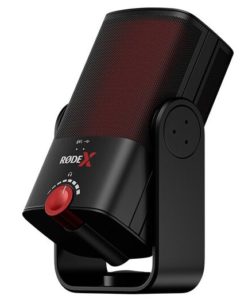
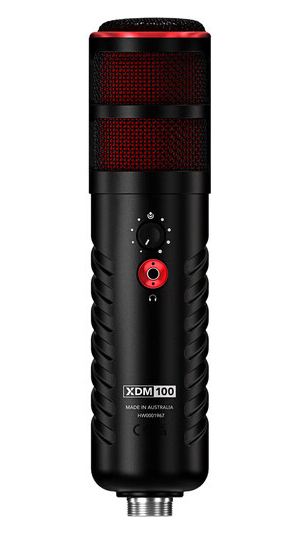
Rode announced two new mics for professional content creators XDM-100 ($249) and XCM-50 ($150) as usual D for dynamic and C for the condenser. In short Dynamic mic are better and with built-in noise cancellation units but is costly, and Unify software is specifically for streamers for mixing audio on the go.
Both of the newly announced microphones are USB only (no XLR), unify creates a couple of virtual audio interfaces on your PC and you can then control which app uses what, and where that sound goes.
The XCM-50 is usual a condenser mic so u need the sound room – aka acoustically treated, or “softer” rooms. This mic is cheap and grabs all the environmental sounds so u have to work on it, or u can download the audacity software to remove the noise, change the pitch, etc for free.
The XDM-100 has a more classic “dynamic” microphone sound. The mic features noise cancellation, is slightly more affordable than the competition, and arrives Rode’s free UNIFY software offers advanced processing via the mic’s powerful internal DSP.
Finally, almost all the information was available before the announcement of the Sony A7R5 camera. It looks like the AI software & Image Processor upgrade will cost u a lot.
Sony A7R V Price – £2399 | $3,898 United States Dollar B&H STORE
The price looks reasonable to me, although being an A7R series camera, I was expecting a resolution upgrade from the Sony A7R5.
Sony A7R5 Full Leaked specification
Similar 61-megapixel sensor
・Improved back-illuminated type to capture more light
・Improved image quality with new BIONZ XR and new sensor
new processor
Equipped with AWB AI Assist
Supports 693-point focal plane phase-detection AF
Completely new AF system with AI deep learning
8K 24p crop
4K 60p all-pixel readout
30 minutes of 8K 30p recording with a heatsink like the α7S III
S-Cinetone
8 stops of in-body image stabilization
Advanced Pixel Shift Multi-Shot
vari-angle monitor
The body looks like a combination of the A7S III and the A7 IV.
Up to 88 buffers for uncompressed RAW (CFexpress A)
Lossless RAW can get large/medium/small file sizes
Fuji X-H2 is Fujis one of the most advanced APS-C cameras with the 5th generation of X-Trans 40MP Sensors. The camera core specs says the camera is able to capture 40MP files @ 20 fps E-Shutter, 15 fps Mech. Shutter and you are also able to record 8k videos with the camera.
Undoubtedly the camera features better core specifications than the Sony A7C camera. But, the only Major difference we have is the sensor size. The C uses a Sony 24 MP BSI CMOS sensor and the Fuji X-H2 uses APS-C Size 40 MP sensor.
Sony offers a Complete 1 Stop of difference after ISO 600
As you can see the Sony A7C camera gets a PDR (photography Dynamic Range) boost @ ISO 600. It clearly indicates the camera sensor also has built-in Low-gain and High-gain transistor/amplifier circuits (Dual base ISO) for a performance boost.
The Dynamic range of the Sony A7C Fullframe sensor is better than that of the Fuji X-H2.
When to buy Fuji X-H2?
If you actually want to have a Fuji camera, if you really require the 20FPS burst mode along with the 8K video recording capability then only buy the Fuji camera. Undoubtedly Fuji X-H2 is one of the most affordable 8K cameras we have but take ur decisions wisely if you use 8K then only go on Fuji lane otherwise for general-purpose photography and video Sony is a great option with an ocean of lenses.
Fuji X-H2 Is an excellent Camera but…
Fuji X-H2 is an excellent camera, but it does need professional light support to perform well when compared to competitors in the camera price range.
Buy Canon Lenses, Buy Music CD or Digital Camera at amazon it helps this site, and you do not pay anything extra, it is just a way to help support this site.
New Camera Website, we list all type of new camera information, price review and all type camera rumors, subscribe us or follow us via twitter or facebook.
Disclaimer: We have attempted to select useful information to include on New Camera, and to ensure that the resources we have included on the site -- as well as the way we have described them -- are accurate, fair, and balanced. However, we make no claims, warranties, or other representations concerning the accuracy, completeness, or utility of the information provided, or concerning the abilities or performance of the organizations, agencies, companies, and other resources presented through New Camera