Thanks to our reader for providing so much detailed information about the upcoming DJI Osmo Mobile 8 Pro gimbal. Not only that, while doing correspondence with our reader, he has also given us a video of the new gimbal, which clearly shows the Mobile 8 Pro in action. Let’s discuss in detail what we know so far related to the upcoming 8 Pro gimbal from DJI.
thenewcamera.com user gargoyle reported discovering an unidentified gimbal asset in the Mimo App after the update in the Cinematic Shots > Action Mode. After cross-referencing with the site’s earlier FCC coverage (which we have already covered), the reader identified the device as the upcoming Osmo Mobile 8 Pro. Along with the report, gargoyle shared a short screen recording that demonstrates the new gimbal in action.
While analysing the video and the content provided by our user, and after the video, yes, it does look like the OSMO 8 to Us, most notably the screen of the gimbal is large and showing off more customizable modes compared to the previous generation of gimbal
The video clearly shows the gimbal being used in a real-world scenario, with a smartphone mounted horizontally.
The new video clearly shows that creators are now able to customize and use the gimbal with the help of their thumb, without too much interference with their smartphone or changing settings using physical buttons as in previous generations of gimbals. Yes, even the Osmo Mobile 7 and the 7P do have a small display screen in them, but obviously, they are not much usable compared to the larger built-in display, which is more helpful to content creators and is now available in the 8 Pro. With more settings accessible, they don’t have to continuously check their phone screen, as many controls are now available at their fingertips to customize the shoot. The footage also highlights smooth subject tracking as the gimbal follows a person walking and running along a railing.
Key Features Visible in the Leaked DJI Osmo Mobile 8 Pro Video
Built-in rectangular preview screen on the gimbal handle
Compact module clipped above the smartphone (likely an upgraded Multifunctional Module)
Strong performance in Action / Motion Tracking mode (“运动跟拍”) with reliable subject following
Professional stabilization during dynamic movement
This built-in handle screen represents a notable step toward pro-level usability, offering quick glance monitoring similar in spirit to competitor designs while remaining fully integrated into DJI’s ecosystem.
Aligns Perfectly with December 2025 FCC Filing
No, this is not the first time we are talking about the Osmo Mobile 8 Pro gimbal. It has already surfaced before in the FCC, and the certification makes the gimbal eligible to be sold in the United States of America.
The sighting matches the DJI Osmo Mobile 8P (model DS508, FCC ID: 2ANDR-DS508) that was first reported on thenewcamera.com in December 2025. Based on DJI’s typical timeline, the official launch is now expected imminently – within a few weeks as of early April 2026. Since, as we all know, the FCC certification on any product only grants 180 days of privacy, after that, all the images of the products and details will go public. In general, what we have seen so far, DJI never reaches the limit of 180 days, so the OMSO Mobile 8 Pro gimbal will get announced sometime between April and June 2026.
What to Expect Next
DJI is expected to make an official announcement very soon. This article will be updated the moment any new information, pricing, or full specifications become available.
If you have spotted additional assets in the DJI Mimo app or have more details about the Osmo Mobile 8 Pro, please reach out via email or leave a comment below. Community contributions like this help everyone stay informed.
The article “DJI Osmo Mobile 8 Pro Leaked in New Video” was written by thenewcamera.com team on 8:43 am, Friday, 3 April 2026, Greenwich Mean Time (GMT) | You can also follow us on Our Official Social Media HandlesFACEBOOK | TWITTER | INSTAGRAM> get live news — > DJI Rumors
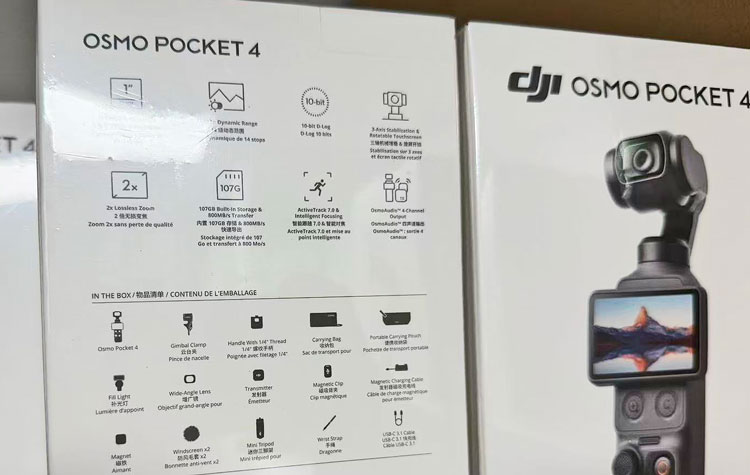
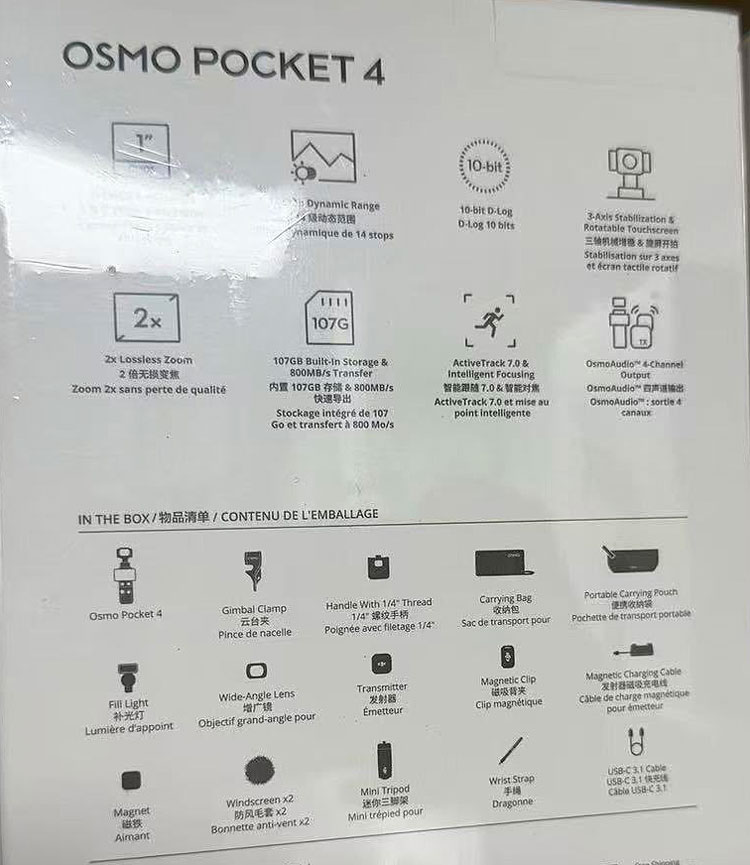
One of the first high-resolution photos of the official retail packaging for the DJI Osmo Pocket 4 Creator Combo has surfaced over the web. Thanks to the image, we are getting the clearest look available yet, with all the possible set of core specifications visible on the backside of the packaging, confirming the major specifications of the upcoming camera, which include a 1-inch sensor, 14 stops of dynamic range, 107GB built-in storage with blazing 800MB/s transfer speeds, 2x lossless zoom, and a full suite of creator-focused accessories.
If you are a blogger or content creator looking for the best pocket camera in 2026, the DJI Osmo Pocket 4 is going to impress. Other than that, if you’re looking for a massive upgrade and you already own a DJI Pocket 3 camera, my recommendation is to wait for the Pocket 4 Pro announcement, where we are going to have dual-gimbal cams and lots of upgrades.
DJI Osmo Pocket 4 Box Leak: What the Packaging Confirms Right Now
The crystal-clear image (shared by OsitaLV) shows the back of the standard DJI Osmo Pocket 4 retail box alongside the Creator Combo variant. And the print on the packaging reveals a lot of details related to the global camera unit. We have almost all the possible setup details and information available there, so let’s have a look at the Pocket 4 camera.
Here’s exactly what DJI is officially advertising on the packaging:
1″ sensor with 14 stops of dynamic range – a massive leap for low-light performance and HDR video
10-bit D-Log color support
2x lossless zoom (new hardware feature)
107GB built-in storage + 800MB/s data transfer (no microSD slot visible – everything records internally and offloads lightning fast)
ActiveTrack 7.0 with intelligent focusing
OsmoAudio™ 4-Channel Output
3-Axis Stabilization + rotatable touchscreen
These specs match earlier quick-start guide leaks but now come straight from final retail packaging – the strongest confirmation yet that the DJI Osmo Pocket 4 is production-ready.
Full “In the Box” Contents for the DJI Osmo Pocket 4 Creator Combo
This is the most exciting part for US buyers. The box lists every single item included in the Creator Combo (全能套装):
Osmo Pocket 4 camera
Gimbal Clamp
Handle with 1/4″ thread
Carrying Bag + Portable Carrying Pouch
Fill Light (brand-new accessory)
Wide-Angle Lens
Transmitter (wireless microphone)
Magnetic Clip
Magnetic Charging Cable
Magnet
Windscreen x2
Mini Tripod
Wrist Strap
USB-C 3.1 Cable
The combo box even shows the camera in action on its rotatable screen with a stunning mountain sample shot. No dual-camera “Pro” hints here — this is the standard single-lens Osmo Pocket 4 that most creators have been waiting for.
DJI Osmo Pocket 4 vs. Osmo Pocket 3 – Key Upgrades at a Glance
Retailers in China already have physical stock. Multiple sources now point to an official April 20, 2026 global launch, including the United States.
Standard Osmo Pocket 4: Expected $499 – $599
Creator Combo: Expected $649 – $749
These prices align perfectly with the Pocket 3 Creator Combo launch pricing. US buyers can expect immediate availability on DJI.com, Amazon, and major retailers like B&H Photo and Best Buy shortly after announcement.
Why the DJI Osmo Pocket 4 Creator Combo Is Perfect for American Content Creators
So whether you are a professional filmmaker and want a lightweight handheld gimbal camera for BTS shoots, or you are a professional content creator who wants a personal AI assistant that captures you on the go and delivers stable and smooth footage in ultra-high definition by automatically tracking you and keeping you always in the frame, then obviously the upgraded DJI Osmo Pocket 4 camera is made for you.
One of the most important features of the DJI Pocket series is ActiveTrack. It automatically tracks you while the camera is placed on a tripod or even on a table. You don’t need to adjust extra settings—just enable the ActiveTrack function, and it will automatically follow you by rotating the gimbal head and keeping you in the frame.
With the new generation Pocket 4 camera, we also have 2x lossless zoom, which allows you to capture high-quality images, making it more useful and suitable for professional work. Other than that, the 1-inch sensor now has an extended dynamic range for better low-light performance.
Overall, this professional setup is highly recommended for those who want a powerful content creation tool right at their hand.
The 107GB internal storage alone solves one of the biggest pain points of the Pocket 3 — no more hunting for fast microSD cards or worrying about corruption during 4K/120fps or higher-bitrate D-Log recording.
Should You Wait or Buy the Pocket 3 Now?
If you’re in the US and have been holding off since the DJI Osmo Pocket 3 launched in 2023, the DJI Osmo Pocket 4 Creator Combo looks like the definitive upgrade. With final retail boxes already photographed and April 20 circled on the calendar, we’re days (not months) away from official confirmation.
Bookmark this page and follow TheNewCamera.com for the first hands-on impressions, sample footage, and full US pricing the moment DJI pulls the trigger.
What do you think? Drop your biggest question about the Osmo Pocket 4 in the comments — will the 107GB internal storage and 14-stop dynamic range finally make you upgrade?
GET LIVE NOTIFICATION, Select Your Trusted Source GET LIVE NOTIFICATION Click ON Check BOX for Latest NEWS and Rumors
The article “DJI Pocket 4 Creator Combo Packaging Leak: Full Specs Confirmed (107GB Storage, 14-Stop DR, 2x Zoom)” was written by thenewcamera.com team on 7:49 am, Thursday, 2 April 2026, Greenwich Mean Time (GMT). | You can also follow us on our official social media handles: Facebook | TWITTER | INSTAGRAM > to get live news — > DJI Rumors
The Sony A7R VI camera is rumored to feature a 67-megapixel sensor. Not only that. The A7R VI is likely to arrive in Q4 of 2026. For now, we all know that the current line of Sony A7R series cameras uses a 61 megapixel sensor, A7R V uses a 61 megapixel non-stacked sensor, whereas the Sony A7R V uses a 61 megapixel sensor with copper wiring to enhance data transmission speed of the sensor, which can also be used for capturing 8K videos up to 24fps and 4K 60fps without any crop due to the nature of its construction. According to rumors, Sony is about to introduce a 67-megapixel stacked CMOS sensor in the next-generation A7R VI camera, which is able to record up to 10k, which sounds really very interesting. Let’s dive deep into the details.
If the specs hold true, this could be the sensor that finally lands in the Sony A7R VI (or a high-end A7R VI body) and gives hybrid photographers and videographers the ultimate stills + cinema tool.
Leaked Sony 67MP Sensor Full Specifications
Resolution: 67 Megapixels
Readout Speed: 60 fps (full sensor)
Pixel Size: 3.6 μm
Format: 35 mm full-frame (Type 35 mm)
Design: Partially stacked CMOS (exact stacking ratio not confirmed)
Video Capabilities: 10K/30p, 8K/60p, 4K/120p
Key Features: High-Speed AF, Super High-Speed Analog-to-Digital conversion, DCG-HDR (Dual Conversion Gain HDR)
Interface: SLVS-EC v2.2 8×2
Color Filter: Bayer RGB with PDAF (on-chip phase detection)
Mass Production Start: Q4 2026
Image sensor used inside the Sony A7V Mirrorless Camera
What Makes This Sensor Special?
Partial Stacking + Blazing 60 fps Readout
So after Sony A1 and Sony A9, the A7R VI is about to become the third Sony lineup to have a stacked sensor inside it, and this is a progressive journey in the future with hope. The next generation of the A7 series camera, which is the Sony A7 VI, will also have some sort of stacked or partially stacked CMOS sensor to compete properly against the Nikon Z6 series and ZR series, but for now, we should limit our discussion to the A7R series and the introduction of the 67MP sensor.
Obviously, with a fully stacked CMOS sensor, it will improve the readout, the overall video performance will be improved, the heat management will be much better compared to a sensor with a non-CMOS stacked architecture, and other than that, very minimal rolling shutter effect-free output, so technically we will have a major improvement in the next generation of A7R camera.
DCG-HDR Technology
Now, just after the sensor core specification, the most important thing that I have written in the list of Sony A7R VI camera rumoured specifications is the Dual Conversion Gain HDR composite feature, which is expected to exist in the new camera. This specific feature will be enabled for A7R VI due to the presence of fast readout sensor technology.
And by the presence of a Dual Conversion Gain HDR composite, which composes two different gain readouts in a single frame, it will dramatically improve the dynamic range of the camera, specifically in the base ISO range starting from 100 to 2000, where it will have the maximum capability to scale the overall range of the camera, other than that at higher ISO we will have minimal noise input in the camera sensor.
Dual Conversion Gain HDR composite will dramatically improve the dynamic range and reduce noise across ISO levels.
Insane Video Specs
If the rumored specs are true or not, then the Sony A7R VI will be the first camera to introduce 10K video recording capability in the Sony camera lineup.
10K/30p for future-proof oversampled 8K or extreme cropping
8K/60p for smooth high-resolution video
4K/120p slow-motion This would make the next A7R-series body a true hybrid flagship — finally giving the high-resolution R-line serious video muscle.
Sony A7R VI Arrival Date
Now – Mid 2026: More leaks and possible prototype testing
Q4 2026: Mass production begins
Late 2026 / Early 2027: First cameras (Sony A7R VI + third-party models) expected
Well, despite so much excitement related to the core specifications of the Sony A7R VI, the announcement is not very near to us, but we are tracking this news and will be posting authentic updates here at thenewcamera.com.
What do you think? Would you upgrade to a 67 MP Sony A7R VI with these specs? Drop your thoughts in the comments below!
GET LIVE NOTIFICATION, Select Your Trusted Source GET LIVE NOTIFICATION Click ON Check BOX for Latest NEWS and Rumors
The article “Sony A7R VI Rumors 2026: 67MP Partially Stacked CMOS Sensor with 10K Video – Latest Specs” was written by thenewcamera.com team on 7:37 pm, Wednesday, 1 April 2026, Greenwich Mean Time (GMT). | You can also follow us on Our Official Social Media HandlesFACEBOOK | TWITTER | INSTAGRAM >see more Sony Alpha Rumor Latest Camera News
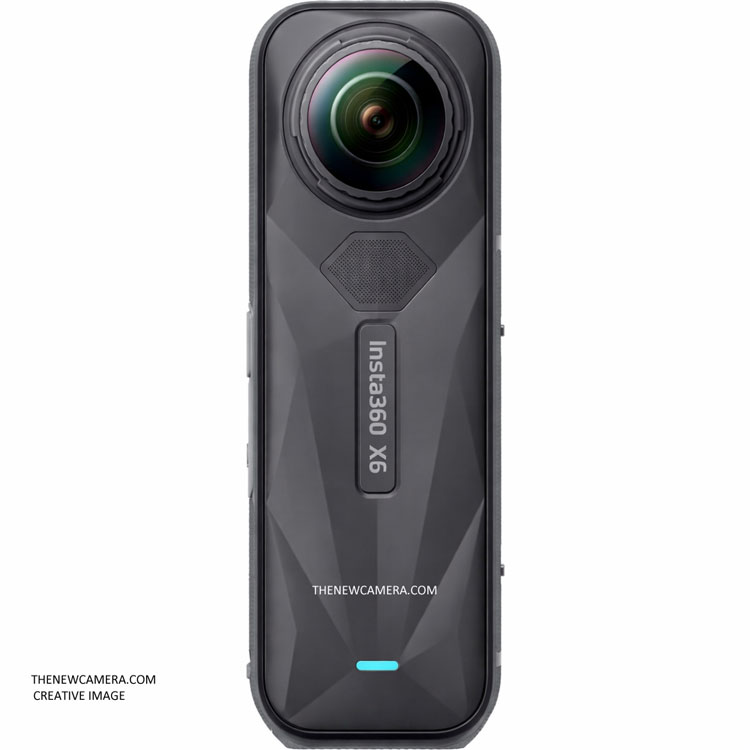
The next generation of Insta360 camera is on its way, the registration details of the X6 model is out now via authentic sources, the X6 model is the latest 360, Flagship camera which is about to arrive soon [ possibly this month in April 2026], and we are tracking down the camera and all its related vital information, which has surfaced recently here in this article. Not only in this article, but we are also going to cover the arrival date of the camera as well as the possible US pricing.
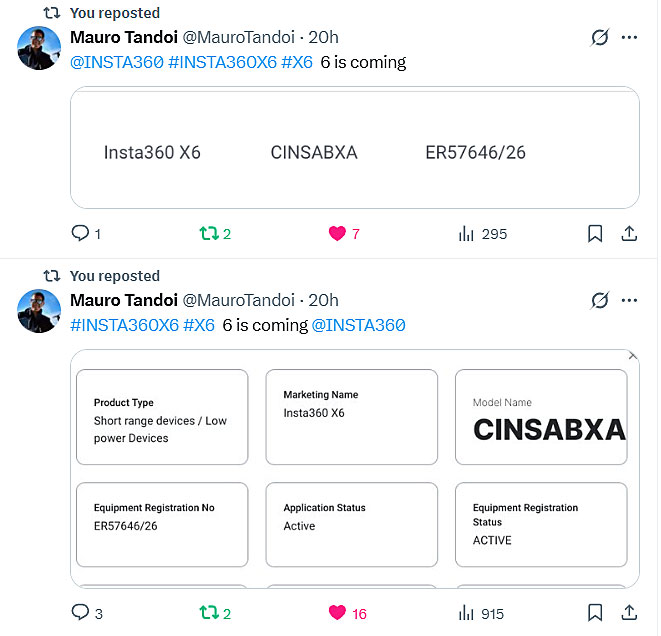
US creators, vloggers, and action-cam enthusiasts, take note: the next chapter in Insta360’s dominant X-series is officially in motion. On March 31, 2026, trusted Italian tech leaker Mauro Tandoi (@MauroTandoi) shared a screenshot of an active regulatory filing that leaves zero doubt — the Insta360 X6 is real, certified, and on track for a US launch.
The filing (Equipment Registration No. ER57646/26) lists:
Insta360’s Evolving Release Pattern – What the Full History Tells Us for the X6
Looking at the complete X-series timeline, Insta360’s announcement pattern has clearly evolved over the years. The first three generations launched in the fall window, while the more recent models shifted to spring.
Insta360’s Bulletproof Release Pattern – Why April 2026 Is Almost Guaranteed for US Buyers
Model
Announcement Date
Primary Season
Insta360 ONE X
October 10, 2018
Fall
Insta360 ONE X2
October 28, 2020
Fall
Insta360 X3
September 8, 2022
Fall
Insta360 X4
April 16, 2024
Spring
Insta360 X5
April 22, 2025
Spring
Historical data is quite tricky, given the past two announcements: the Insta360 X4 and the X5. Both were announced in April, during the spring season. If you look at previous announcements like the X3, the ONE X2, or even the first model, all were announced in October and September, so technically, the announcement pattern of the 360 X-series camera has been changed over the past two years. Now, if X6 follows the same pattern as of previous releases, the announcement will happen sometime in April 2026.
This is the classic pre-launch certification paperwork (similar to FCC filings in the US) that brands file weeks or months before announcement.
Progressive Pricing Strategy: How Insta360 Plays the US Market Perfectly
Insta360’s pricing playbook is crystal clear and extremely creator-friendly in the United States:
Launch at premium — New flagship arrives at full price to recoup R&D on cutting-edge sensors, AI chips, and waterproofing.
Rapid discounts on previous generation — Within 30–60 days, the outgoing model (X5 right now) gets permanent price cuts + heavy bundle deals.
Aggressive US spring sales — Every March/April they run 15–25% off across the board, plus free accessories.
For the X6, expect a US MSRP of $549–$599 for the Standard Bundle (camera + basic mounts/lens guards). That’s the exact pattern they followed:
X4 launched ~$499–$500
X5 launched ~$549–$550
X6 will likely land right around $579 street price at launch, then drop to ~$499–$529 by summer 2026 as the X5 gets pushed to sub-$400 territory.
This progressive strategy keeps the lineup fresh, rewards early US adopters with bundles, and clears inventory fast — exactly why Insta360 continues to dominate the 360° category against GoPro and DJI.
Possible Specs & What the X6 Needs to Deliver in 2026
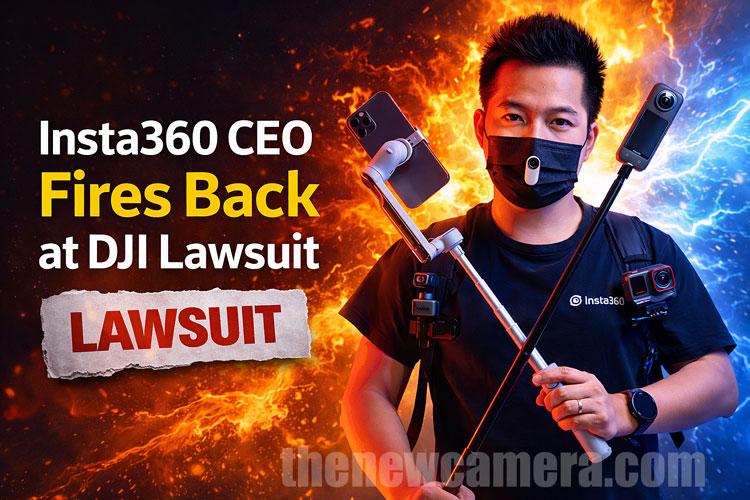
So before we discuss the possible core specifications of the upcoming Insta360 X6 camera, one thing we have to listen to very clearly is that the CEO and the entire company are under pressure since DJI has filed a lawsuit against 360 drones.
Obviously, they are under pressure, and in a recent social media post, the CEO confirmed that they will be announcing 7 to 8 new products in 2026, so that also puts a lot of pressure on the research and development wing of the company, expecting a revolutionary specification upgrade in the upcoming Insta360 X6.
Insta360 founder and CEO Liu Jingkang (also known as JK Liu) posted this on Weibo on March 23, 2026, in direct response to a DJI patent lawsuit:
“Most of our resources will still go into 7–8 new products and new series this year, including gimbal cameras, lavalier microphones, and another new drone. Stay tuned!”
While full specs are still under wraps (the certification only proves existence), here’s the realistic roadmap based on Insta360’s incremental evolution and current market demands:
Expected upgrades over the X5:
.Resolution & Frame Rates — 8K60fps 360° video (huge jump from X5’s 8K30fps) or 5.7K120fps single-lens mode for ultra-slow-motion.
Color & Dynamic Range — 10-bit color depth + improved HDR (PureVideo 2.0?).
Battery — 2,600–3,000mAh cell for 100+ minutes of 8K or 3+ hours of 4K (X5 already hits ~88 min in 8K).
AI & Software — Next-level AI editing (auto reframing, subject tracking, voice commands) plus deeper integration with the Insta360 app’s new Studio desktop updates.
Build — Same bulletproof 49ft waterproofing, invisible selfie-stick effect, and rugged magnesium-alloy chassis.
The X6 will almost certainly keep the same pocketable form factor US users love while fixing the two biggest X5 complaints: low-light video in 8K and battery life during long 360° shoots.
The Bigger Picture: Insta360 X6 is coming
The certification leak today is the clearest signal yet that the X6 is coming. Insta360’s spring 2026 launch window is almost locked if everything goes in schedule inside Insta360, US pricing will follow their proven progressive model, and the spec jump looks set to keep them miles ahead of the competition.
Stay tuned to TheNewCamera.com — we’ll update this article the second the official announcement drops (probably within the next 2–3 weeks).
What do you think the X6 price should be? Drop your guess in the comments
The article “Insta360 X6 Latest News – Expected US Price, Arrival Date Range and More” was written by thenewcamera.com team on 10:08 am, Wednesday, 1 April 2026, Greenwich Mean Time (GMT) | You can also follow us on Our Official Social Media HandlesFACEBOOK | TWITTER | INSTAGRAM> get live news — > DJI Rumors
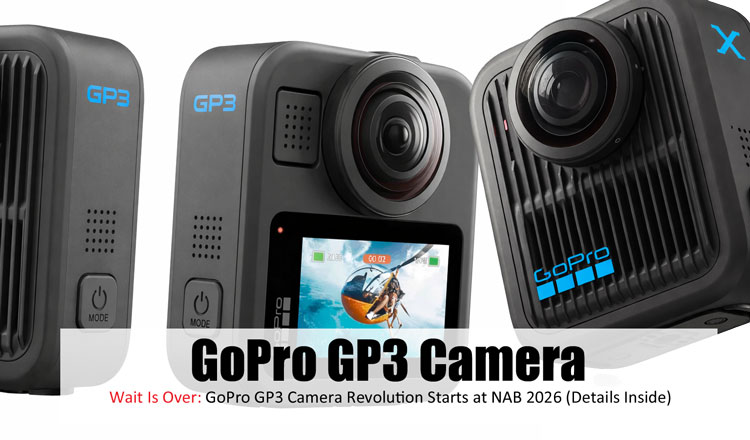
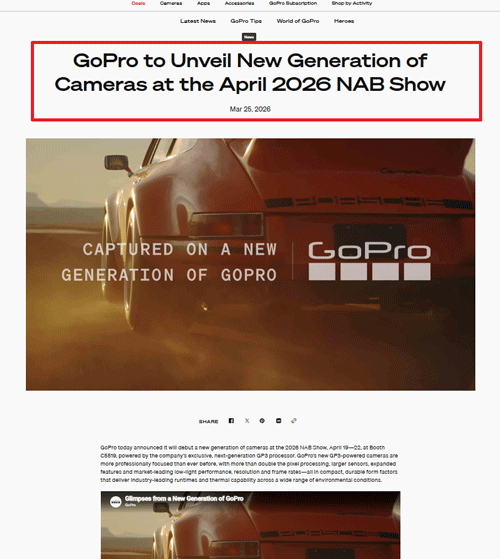
That is really amazing. That Gopro has officially confirmed that this time they will be releasing GP3-powered cameras at NAB 2026 (April 19–22, Las Vegas, Booth C5519). Now this isn’t a single camera, so what they have confirmed is a line-focused model lineup built around the recently announced next-generation GP3 processor.
My broad assumption is we expect that the first camera that the processor will power is the GoPro Hero 14 Black, since people have been waiting for this flagship camera update Most importantly, GoPro itself is not talking about a single camera refresh, and this is one of the most exciting things as well. Instead, they’re talking about multiple professional models. So we do have the possibility of the introduction of an entire lineup of cameras. In the meantime, it also creates a chance during the introduction of this new range of cameras that the Hero 14 may get delayed again.
GoPro just dropped the news everyone has been waiting for. On March 25, 2026, the company officially confirmed it will unveil a new generation of GP3-powered cameras at NAB Show 2026 (April 19–22, Las Vegas, Booth C5519). This isn’t a single-camera refresh — it’s a full lineup of multiple professional-focused models built around the next-generation GP3 imaging processor.
Why This Announcement Matters: GoPro’s Strategic Shift to Professional Grade
GoPro GP2 was introduced back in September 2021 with the GoPro Hero 10 Black camera. The biggest thing here is GP3 is coming in 2026, and now we are about to witness a major announcement during the 2026 event. GoPro has spent years expanding beyond pure action sports into Hollywood, documentary, and high-end content creation. The new GP3 cameras are explicitly designed for that “new tier of professional content creators who demand only the best,” as the press release states.
Founder and CEO Nicholas Woodman put it bluntly:
“Our customers have made it clear they want more of everything from GoPro — larger sensors, world class low-light performance, higher resolutions and frame rates, next level image quality, improved audio capabilities, longer runtimes and bulletproof reliability in high heat conditions…everything, and more.”
This is GoPro doubling down on its flagship product line — exactly what we argued was necessary for a true revival. Instead of chasing every niche, the company is finally delivering the technological leap that Hero users have been demanding since the GP2 processor era.
Information Roundup – What We Know About the New GoPro GP3 Cameras So Far
While full specs drop at NAB, the announcement reveals major upgrades across the entire new lineup:
Next-generation GP3 processor – More than double the pixel processing power compared to previous chips.
Larger sensors – A long-rumored jump that directly addresses low-light complaints.
Market-leading low-light performance – One of the biggest pain points for Hero 13 and earlier models.
Higher resolutions and frame rates – Expect significant leaps (8K and beyond are now realistic).
Expanded features – Improved audio, dramatically better runtimes, and superior thermal management for all-day shooting in tough conditions.
Compact + ultra-durable form factor – The legendary GoPro toughness remains, but now with pro-level reliability.
GoPro is calling its upcoming cameras “more professionally focused than ever before,” signalling a broader ecosystem that could include cinema-oriented models alongside the flagship Hero 14 Black.
What to Expect at NAB 2026 (April 19–22)
This is really important, what we are expecting during the event with GoPro, since they are coming with a major announcement at the very same time. They have confirmed a new line of cameras will be introduced. So have a look at what we are eager to see specifically in 2026, but before we move to the set of expectations, GoPro will be at Booth C5519 in the Central Hall, offering:
Hands-on demos of the full new camera lineup and accessories
Technical briefings with GoPro engineers
First-ever footage and sample clips shot on the GP3 system
Press and creators can already schedule briefings via pr@gopro.com. Expect the official Hero 14 Black reveal (or whatever the flagship ends up being called) plus at least one or two additional pro-oriented models. Pre-orders and availability are widely expected to follow in Q2 2026 (April–June window).
Quick Analysis: GoPro’s Current Situation and Why This Could Be a Game-Changer
Recently, GoPro has faced major competition from competitors, starting with DJI Osmo Action, and next is Insta360 action cameras. The intensified refresh and announcement cycle from competitors is also influencing consumers. Those who have already invested a lot in the GoPro brand are waiting for a flagship announcement.
By focusing first on the GP3 processor (announced earlier in March 2026) and now rolling it out across multiple professional cameras, GoPro is executing exactly the strategy we recommended in our earlier analysis: revive the flagship product line before chasing side projects.
The benefits are clear:
For action creators — Hero 14 (or its successor) finally gets the low-light, runtime, and resolution upgrades needed for 2026–2027 workflows.
For pro filmmakers — Mount-anywhere, bulletproof cameras with cinema-grade image quality expand GoPro’s Hollywood footprint even further.
For the company — A scalable GP3 platform that can power future products across categories.
Risks remain (supply chain, pricing, adoption), but the forward-looking statements and executive tone suggest high confidence.
What Comes Next: Hero 14 Release Timeline & Beyond NAB 2026
NAB 2026 (April 19–22): Full reveal, hands-on, sample footage.
Q2 2026: Expected launch window for the new GP3 camera lineup, including the flagship Hero model.
2026–2027 roadmap: GP3 becomes the foundation for future categories, as GoPro hinted in the processor announcement.
This could mark GoPro’s strongest comeback in years — provided the real-world performance matches the hype.
What do you think? Will the GP3-powered Hero 14 finally dethrone the competition in low light? Drop your predictions in the comments.
Stay locked on thenewcamera.com for live NAB 2026 coverage, first hands-on impressions, and full spec breakdowns the moment they drop.
GET LIVE NOTIFICATION, Select Your Trusted Source GET LIVE NOTIFICATION Click ON Check BOX for Latest NEWS and Rumors
The article “The Wait Is Over: GoPro GP3 Camera Revolution Starts at NAB 2026 (Details Inside)” was updated 7:38 pm, Tuesday, 31 March 2026, Greenwich Mean Time (GMT)
by thenewcamera.com team | You can also follow us on Our Official Social Media HandlesFACEBOOK | TWITTER | INSTAGRAM to get live news — > DJI Rumors
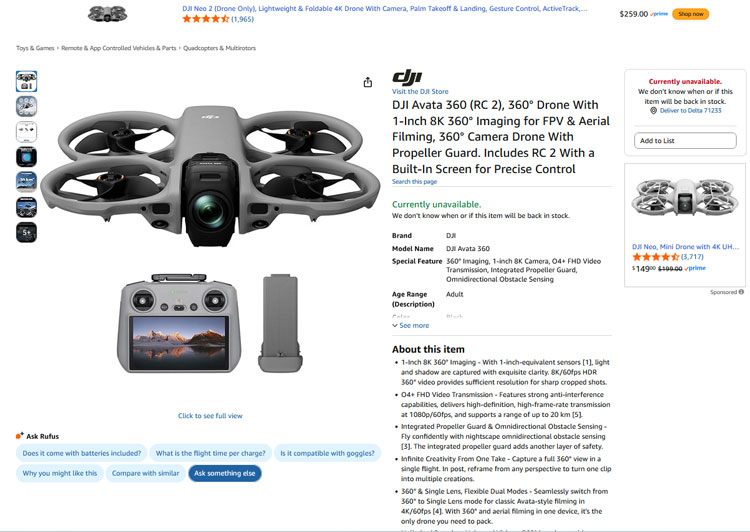
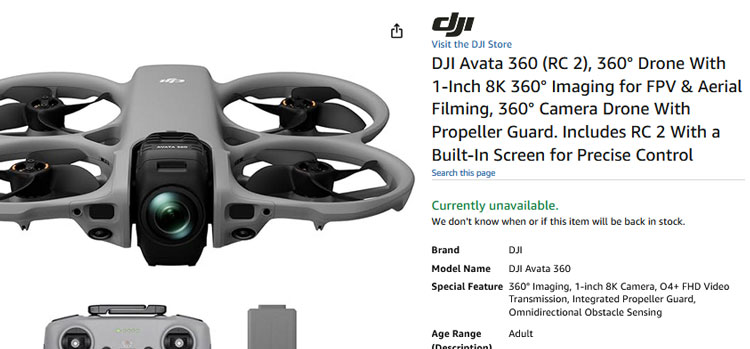
Avata 360 drone pages are now live at Amazon.com. The announcement was made on March 26, 2026, but, as we mentioned in our news article, the availability or official announcement of 360 will be made in the United States of America on March 30. Finally, on the day we have the DJI 360 listed at Amazon.com.
Most importantly, team amazon and DJI, in last minute preparation to put down the stock line live for users, and therefore there is just a moment of hold there, so you have to wait a little bit more, and once the product with the other set of bundles gets live, we will also be updating this page, but for now it is written currently unavailable since the work is going on in the backend.
Avata 360 is now live on Amazon.com, but yes we are waiting for stock lots to arrive for US buyers at the direct link: https://amzn.to/41znLnJ.
A lot of users asking about the two- DJI Avata 360 vs. Antigravity A1? – Yes, we are not against or in favour of any specific brand or drone, but when we compare DJI 360 with antigravity, even obviously 360 looks more versatile due to the dual mode work operation where you can use preview of the drone as well as you can use it as an FPV drone, having a square 1 inch approximate size sensor delivers the maximum image quality possible at the very same time. Despite having such an advanced camera module and overall very strong ecosystem, it comes at much less compared to the antigravity, even so either technically or in terms of price, the DJI wins clearly, although some users like antigravity A1 for specific reasons and we appreciate that, but again in terms of the technical aspect, the type of freedom we are getting with Avata 360 and the price that we have to pay, overall Avata 360 comes out as a clear winner.
What Makes the DJI Avata 360 a Game-Changer?
So just have a look at the set of core specifications that we are getting with Avata 360 drone.
Dual 1/1.1-inch CMOS sensors for stunning 8K/60fps HDR 360° video and up to 120MP 360° photos
Omnidirectional obstacle sensing (with night vision support) for confident, worry-free flying
Integrated propeller guards and a lightweight design perfect for indoor/outdoor adventures
DJI O4+ video transmission with ultra-low latency and extended range
Up to 23 minutes of flight time per battery
Seamless compatibility with DJI Goggles and Motion Controllers for true FPV thrills — plus a single-lens mode for classic Avata-style shooting
Whether you’re a content creator chasing cinematic 360° shots or an FPV pilot who wants to “see it all,” the Avata 360 unlocks creative freedom like nothing before.
US Availability Update
As you all know, the Avata 360 is now available for sale in many countries, specifically in the Asian region, but for US buyers, we are still waiting for it to become available for pre-order/purchase. As soon as the Amazon product page confirms the buy option, we will update this page, so don’t forget to bookmark it so you can keep visiting it, and we will alert you as soon as it drops on Amazon.
What do you think — is the Avata 360 your next drone? Drop your thoughts in the comments below. More hands-on impressions, pricing breakdowns, and comparison videos coming very soon!
GET LIVE NOTIFICATION, Select Your Trusted Source GET LIVE NOTIFICATION Click ON Check BOX for Latest NEWS and Rumors
The article “DJI Avata 360 Product Page Goes Live on Amazon.com – US Buyers, the Wait Is Finally Over!” was updated 7:14 am, Tuesday, 31 March 2026, Greenwich Mean Time (GMT) by thenewcamera.com team | You can also follow us on Our Official Social Media HandlesFACEBOOK | TWITTER | INSTAGRAM to get live news — > DJI Rumors
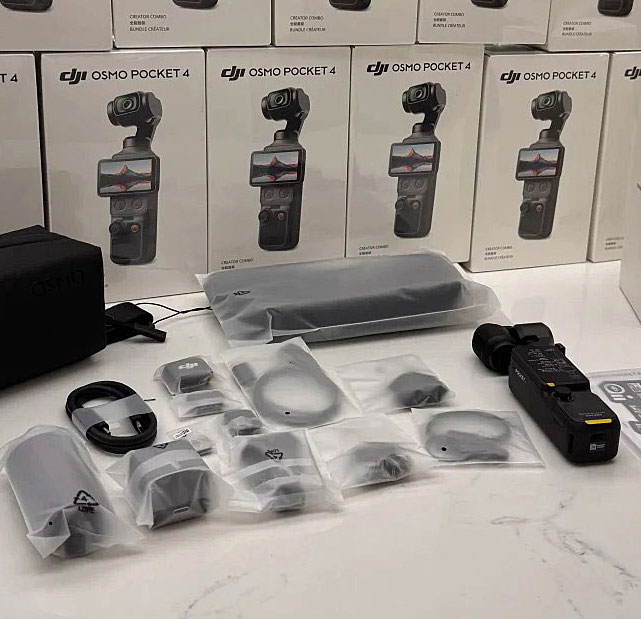
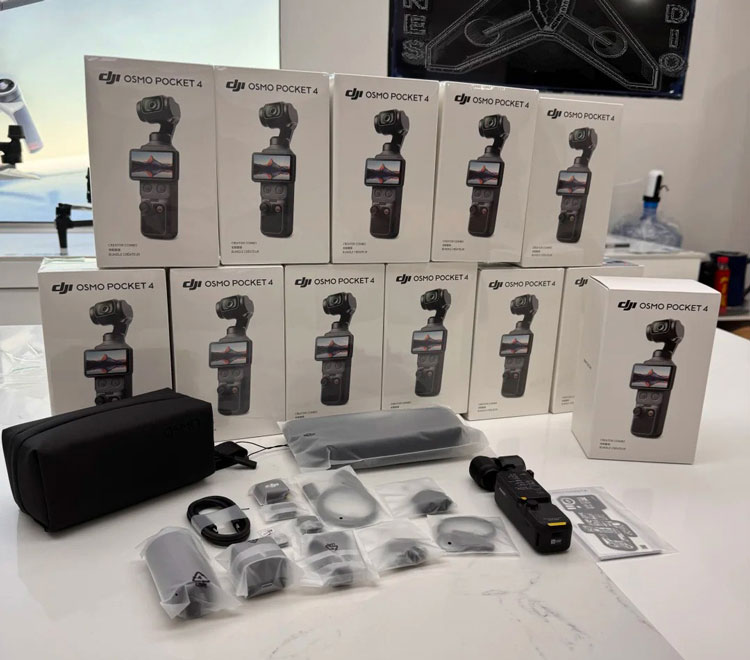
So just after two days of the DJI Avata 360 launch, now we have the Creator Combo images of the DJI Osmo Pocket 4 camera, the image show above covers all theCreator Combo accessories in it, which will be available to you with the Pocket 4 camera, and even just before that we have massive images of the DJI Pocket 4 camera available in Drone Tech Store, All these leaked images confirms that retailers are now stocked up with the Pocket 4 camera, preparing for its global launch.
Based on the same set of leaks and comments from the retailer itself, we learned that the Pocket 4 camerais ready to ship and will be delivered on April 20. If everything goes on schedule, the camera will be available worldwide from April 20. The teaser or official announcement date is not yet confirmed by DJI, so we are waiting for final confirmation.
First real stock photo of the DJI Osmo Pocket 4 Creator Combo – March 28, 2026 (Credit: @D2Help)
DJI Osmo Pocket 4 Key Specifications (Confirmed)
The new Pocket 4 brings massive upgrades over the Pocket 3:
Sensor: 1-inch CMOS with 50MP stills
Video: Up to 6K/60fps — ultra-sharp footage
Stabilization: New 4-axis magnetic stabilization (biggest leap yet)
Screen: Bright 2-inch rotatable touchscreen
AI Tracking: Next-gen AI Tracking 7.0
Low-light performance: Significantly improved thanks to the larger sensor
So this is a really big surprise: even before the official announcement, retail stores are confidently placing their stock online. We have also witnessed the dummy unit shipment packages leak, as well as the demo units of the DJI Pocket 4 camera with LED flashlight, which leaked approximately a month ago in retail outlets across mainland China.
This recent set of leaks clearly shows that the Pocket 4 Standard Edition is now distributed globally to almost all retailers, not only in mainland China. And very soon — as we have received a date via retailers — sales will start on April 20, as the Dronetech store confirmed during the conversation that they can deliver the standard Pocket 4 unit. So that clearly means the announcement is going to happen on or before April 20, 2026. This is not the first time we are witnessing this massive amount of leaks before the official announcement — even the DJI Avata 360, which was announced in March, followed the same pattern.
These specs make the Pocket 4 the new king of pocket vlogging cameras in 2026, directly competing with the upcoming Insta360 Luna.
What’s Inside the DJI Osmo Pocket 4 Creator Combo?
The Creator Combo is clearly aimed at serious content creators. From the leaked stock photos, we can see:
Multiple official DJI Osmo Pocket 4 retail boxes
Black premium carrying pouch with the DJI logo
Full accessory kit in clear plastic packaging
Extra battery handle/grip with built-in mic
Charging cables, mounts, and protective covers
Quick-start guide and warranty documentation
Retailers are already displaying the full combo — a strong sign that global rollout (including USA and Europe) is imminent, most likely mid-to-late April 2026.
So this is a really big surprise that even before the official announcement, the retail stores are confidently placing their stocks on the go at the very same time. We have also witnessed the dummy unit shipment packages leak, as well as the demo units of the DJI Pocket 4 camera with LED flashlight, which also leaked approximately a month ago in mainland China. So technically, if you consider this, it massively shows that the Pocket 4 Standard Edition is now distributed globally to almost all the retailers out there, not only in mainland China, and very soon, approximately as we have received a date via retailers, that on April 20 they can deliver the standard Pocket 4 unit. So that clearly means the announcement is going to happen on or before April 20, 2026, and this is not the first time that we are witnessing this massive amount of leaks before the official announcement, even with the DJI Avata 360, which was announced in March.
We’ll update this page the moment official global pre-order links go live on Amazon, B&H, and DJI’s store. Drop your questions in the comments — should we do a full hands-on comparison with the Pocket 3 once we get a review unit?
The article “The $265 Lens That Just Made Every Other 35mm Feel Fat and Overpriced” was updated 1:04 pm,Saturday, 28 March 2026, Greenwich Mean Time (GMT) by thenewcamera.com team | You can also follow us on Our Official Social Media HandlesFACEBOOK | TWITTER | INSTAGRAM to get live news — > DJI Rumors
GET LIVE NOTIFICATION, Select Your Trusted Source GET LIVE NOTIFICATION Click ON Check BOX for Latest NEWS and Rumors
The article “DJI Pocket 4 Coming April 20, 2026 – Massive Leak Before Official Announcement” was updated 2:16 pm, Friday, 27 March 2026, Greenwich Mean Time (GMT)by thenewcamera.com team | You can also follow us on Our Official Social Media HandlesFACEBOOK | TWITTER | INSTAGRAM to get live news — > DJI Rumors
Buy Canon Lenses, Buy Music CD or Digital Camera at amazon it helps this site, and you do not pay anything extra, it is just a way to help support this site.
New Camera Website, we list all type of new camera information, price review and all type camera rumors, subscribe us or follow us via twitter or facebook.
Disclaimer: We have attempted to select useful information to include on New Camera, and to ensure that the resources we have included on the site -- as well as the way we have described them -- are accurate, fair, and balanced. However, we make no claims, warranties, or other representations concerning the accuracy, completeness, or utility of the information provided, or concerning the abilities or performance of the organizations, agencies, companies, and other resources presented through New Camera


 BOX for Latest NEWS and Rumors