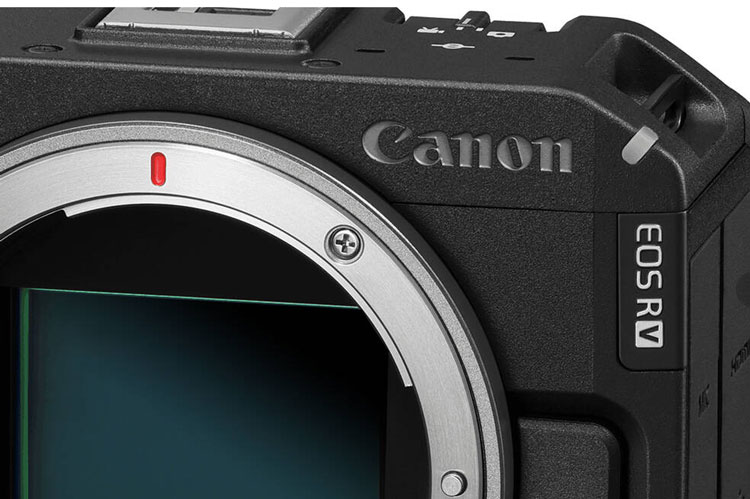
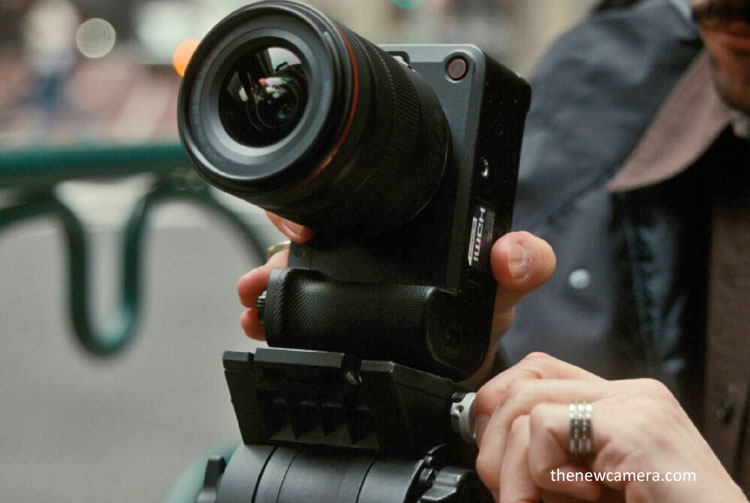
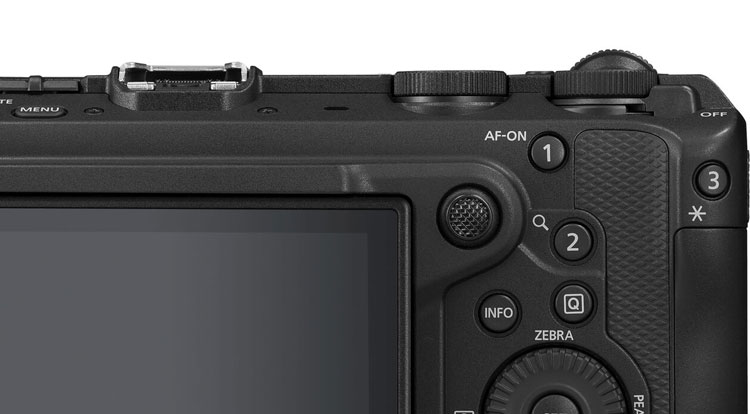
Canon just dropped a massive announcement today of the long-rumoured Canon V camera, a camera cinematography powerhouse, and a competitor of the existing Nikon ZR camera. It doesn’t include all the Canon R Mark6 III features, like missing EVF or mechanical shutter, but it is custom-developed for cinematographers and professional content creators. One of the biggest advantages of having the Canon R6 V camera is approximately unlimited 7K, or you can record 4K 120p on an approx basis till your CF card or the SD card fills, with the help of the built-in active cooling fan.
Major Core Specifications of the Canon EOS R6 V
Sensor & Processor: 32.5MP full-frame CMOS sensor paired with the latest DIGIC X image processor
Video Capabilities:
Internal 7K 60p RAW (Light) recording
7K 30p Open Gate recording
Uncropped 4K 120p
Support for Slow & Fast motion
Canon Log 2 with up to 15 stops of dynamic range
Cooling: Built-in active cooling fan for extended recording times – up to 6 hours continuous in demanding modes
Stabilization: 5-axis In-Body Image Stabilization (IBIS) rated up to 7.5 stops
Autofocus: Dual Pixel CMOS AF II with reliable subject tracking (people, animals, vehicles)
Shutter: Electronic shutter only (up to 40fps burst for stills)
Viewfinder / Screen: No EVF – large vari-angle LCD designed for vlogging and gimbal work
Weight: Just 598 grams (body only) – incredibly portable for a full-frame video beast
Other Video Tools: Waveform monitor, false color, timecode, and pro-level monitoring features
New Kit Lens: RF 20-50mm f/4 L IS USM PZ
Canon also announced the matching RF 20-50mm f/4 L IS USM PZ – a compact L-series power-zoom lens with constant f/4 aperture, built-in image stabilisation, and smooth motorised zoom perfect for video creators. It weighs under a pound and can be remotely controlled.
Price, Availability & Shipping Information
Canon EOS R6 V Body Only: $2,499 USD
EOS R6 V + RF 20-50mm f/4 L IS USM PZ Kit: Approximately $3,699 USD (lens alone expected around $1,399)
Pre-orders are live right now at Canon USA, B&H Photo, Adorama, and other major authorized dealers.
Shipping begins late June 2026 (expected end of June / early July depending on region).
The Pricing of the Canon R6V is really very attractive, and the $2,499 price point makes the R6V roughly $300 cheaper than the EOS R6 Mark III, giving creators an extremely compelling option if you don’t need the EVF and want maximum video performance with active cooling.
TheNewCamera.com Verdict
Yes, we do feel that the Canon EOS R6 V feels like the perfect bridge between the hybrid R6 series and Canon’s pro cinema cameras. If you’re a content creator who shoots a lot of video (YouTube, TikTok, weddings, documentaries, or run-and-gun work) and want 7K RAW, long recording times, and IBIS in a super-light body, this camera is going to be a game-changer.
Stay tuned – we’ll have full hands-on impressions, sample footage, and detailed comparisons as soon as review units land in the next few weeks.
What do you think of the new Canon R6 V? Drop your thoughts in the comments below!
The article “Canon Announces the EOS R6 V: 7K RAW Video Powerhouse with Active Cooling” was written by thenewcamera.com team on 2:06 pm, Thursday, 14 May 2026, Greenwich Mean Time (GMT). | You can also follow us on Our Official Social Media HandlesFACEBOOK | TWITTER | INSTAGRAM> more live Camera News + Canon Rumors 24X7
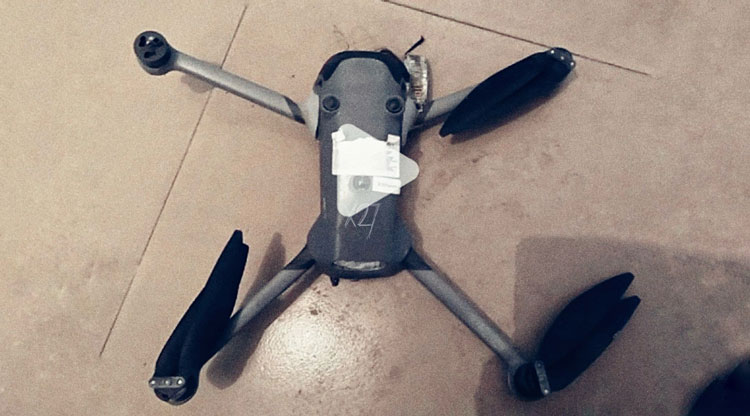
This might be the first #DJIAIR4 picture you’ll ever see. A crashed prototype shows it will have a similar top design with #three top sensors like the to be released #DJIMavic4. The arms are a bit thicker then the #air3s so the finished product hopefully looks better. Cheers! – Credit: Jasper via twitter.com
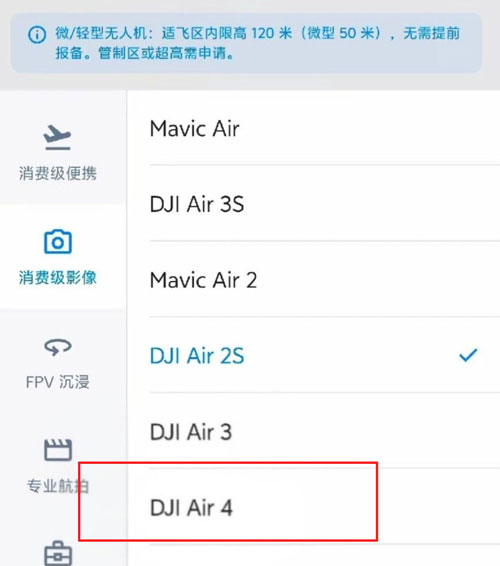
So for those who were eagerly waiting for the DJI next Air series drone, this is some very exciting news for you since we were getting hints from the past few weeks that DJI Air 4 is about to arrive, but we were waiting for some sort of confirmation that makes us believe that the DJI Air 4 drone arrival news have some authenticity and is not only a rumor. Yesterday, (May 11, 2026) we received confirmed news from one of the most trusted/veteran sources Igor Bogdanov (Quadro_News) that they have received/got the early documents, which Igor published publicly, which does confirm that the DJI Air 4 drone is about to arrive within the next six months, that is on or before Q4 of 2026, we will have the DJI Air 4.
DJI Air 4 Spotted in Chinese Flight-Filing App – What Does This Mean?
First of all, take a look at the information we have related to the DJI and four rumor, and this is one of the biggest confirmation step about the existence of the multiple prototype/various sense of the Model, in general giant like DJI do regret testing of their drones prototype before the official announcement and in the same manner during the while testing of the DJI air for prototype. The name of the AIR 4 DRONE has been reveled by Chinese app (possibily during beta testing ) used for mandatory drone flight reporting and compliance (part of the Civil Aviation Administration of China’s UOM platform). Seeing the model name already integrated into the software means development is advanced enough for regulatory systems to recognize it.
Even more interesting -early chatter around this leak suggests the DJI Air 4 could be sub-250g. If that turns out to be true, it would be a game-changer. A sub-250g Air-series drone would dodge many strict registration rules worldwide, making it super travel-friendly while still sitting between the Mini and Mavic lines (just like we predicted in our earlier 2025-2026 DJI drones roundup).
DJI Air 4 Prototype Leak – Design Clues from Early 2025
Again, we are still waiting for further confirmation but its an strong possibltity that commercial unit is already in the hands of multiple beta testers as of now. Back in early 2025, we already saw the first crashed prototype images (shared by Jasper Ellens) that gave us a sneak peek at the design. The drone showed noticeably thicker arms compared to the Air 3S and a Mavic 4-style top sensor array with three top-mounted obstacle-avoidance sensors plus an LED beacon. Overall, design-wise, the drone definitely looks more premium and aerodynamic than the current Air 3S.
Rumored Specifications of DJI Air 4 (Everything We Know So Far)
While DJI hasn’t said a single word officially, here’s what the latest rumors and older leaks are pointing toward:
Camera System — Strong speculation about dual 1-inch sensors (big upgrade over the Air 3S) for better low-light performance, dynamic range, and possibly dual-camera switching. This would make it a serious contender for travel photographers and videographers.
Obstacle Avoidance — Improved omnidirectional sensing with the new top-mounted array we saw in the prototype.
Flight Time & Performance — Expect better battery life and efficiency than the Air 3S.
Transmission — Likely sticking with the reliable O4 system (no OcuSync 5 yet for this model).
Weight — Possible sub-250g version (still unconfirmed but the Chinese app listing has everyone talking about it).
These specs line up perfectly with what we wrote back in August 2025 when we first listed the DJI Air 4 as an expected late-2025 / 2026 release.
DJI Air 4 Expected Release Date
Based on DJI’s usual 2–3 year cycle (Air 2 in 2020 → Air 3 in 2023 → Air 3S in 2024), most insiders are now pointing to September–November 2026. No official announcement yet, and we still don’t have FCC filings, so the timeline could still shift a bit.
Will the DJI Air 4 Be Available in the USA?
Important note for our American readers: As of now the DJI Air 4 is not on the FCC approved list (just like the Mini 5 and a few other upcoming models). The ongoing DJI ban situation means newer unfiled drones might not reach US shelves easily. We’ll keep a very close eye on this and update the moment anything changes.
But let’s hope for the best that DJI finds a solution to bring its drones back into the hands of US consumers, so they don’t have to pay super high prices for the same tech from native American manufacturers.
This Chinese app leak is the strongest signal yet that the DJI Air 4 is coming — and it could be one of the most exciting compact drones of 2026. Dual 1-inch sensors in a (possibly) sub-250g body? That would be massive for creators who want pro-level image quality without the weight and regulations of bigger drones.
We’ll keep tracking every new leak, photo, or official teaser and update this article immediately.
What do you think — are you waiting for the DJI Air 4 or grabbing an Air 3S right now? Drop your thoughts in the comments below and let us know if you want us to compare it directly with the Air 3S or Mini 5 Pro in the next update.
Stay tuned, guys — the drone season is heating up fast in 2026! 🚁
We will update this page the moment new DJI Air 4 images, specs or official news drops.
What do you think? Drop your questions or what you’re most excited about in the comments below. Will the dual-camera Osmo Pocket 4P replace your current vlogging setup?
The article “DJI Air 4 Rumors 2026: First Official Proof Surfaces” was written by thenewcamera.com team on8:08 pm, Tuesday, 12 May 2026, Greenwich Mean Time (GMT)
| You can also follow us on Our Official Social Media HandlesFACEBOOK | TWITTER | INSTAGRAM> get live news — > DJI Rumors
The wait is almost over, and now we have an official date for the announcement of the DJI Pocket 4 Pro camera. For those who were waiting eagerly for the day, it’s time now.
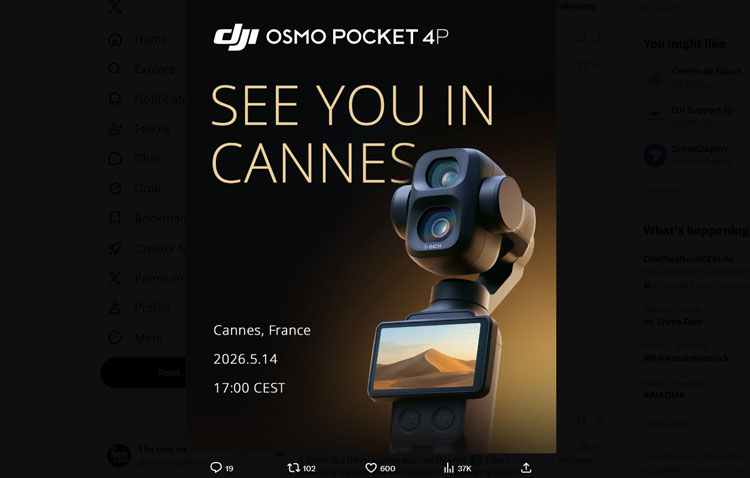
DJI has officially announced the release date of the DJI Pocket 4 Pro camera on its Twitter account; you can see the image above. The pocket-sized gimbal camera will be unveiled on May 14, 2026, at 17:00 CEST during the Cannes Film Festival in France.
With the new DJI’s teaser campaign – “New Frame. New Masterpiece.” and “See More. Tell More.” — promises a revolutionary upgrade to the bestselling Osmo Pocket series.
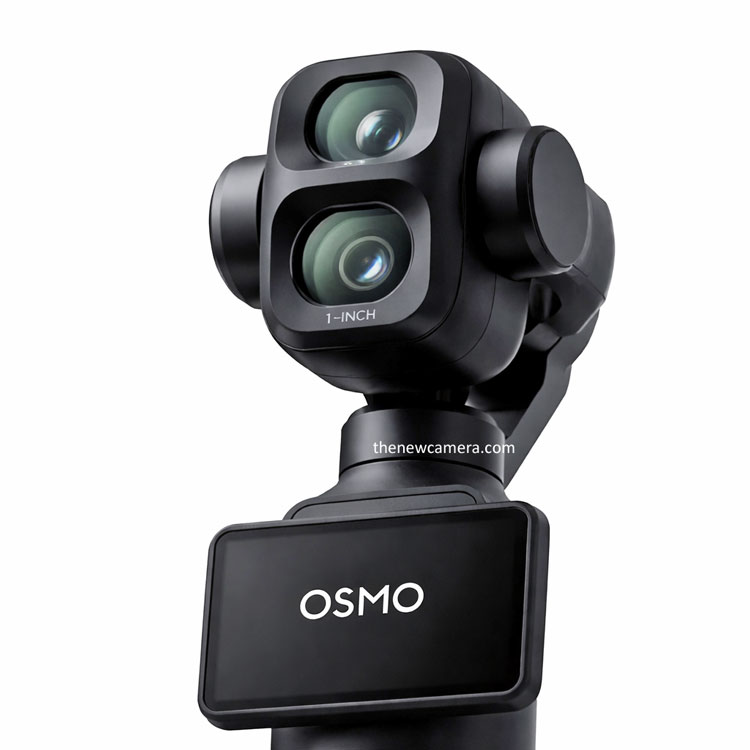
BTW, if you are associated with our website, we have already shared the core specification of the upcoming camera (more detailed specification listed below), which includes a large 20mm Lens module based on a 1-inch sensor and another sensor fixed in a 70mm lens module, setup similar to the DJI Aris 3S drone, they have removed the biggest limitation of previous single-lens models and opens up new creative possibilities for travel vlogs, portraits, interviews, and cinematic storytelling.
DJI Osmo Pocket 4P Reveal Date and Event Details
Official Unveiling: May 14, 2026, 17:00 CEST (11 PM Philippine Time / 5 PM EDT) at the Cannes Film Festival.
Why Cannes? DJI is positioning the Osmo Pocket 4P as a premium filmmaking tool for advanced creators, debuting it at one of the world’s biggest film events.
Teaser Highlights: Dual-camera design shown in official posts. Expect a full reveal of specs, pricing, and hands-on footage live from the event.
Global launch is expected shortly after the reveal, with China-first availability in late May or early June 2026, followed by international rollout.
DJI Osmo Pocket 4P Key Features & Expected Specs
While full official specs drop on May 14, DJI’s teaser plus reliable leaks and early hands-on footage paint a clear picture of what to expect from this premium pocket gimbal:
Dual-Camera System (First in Osmo Pocket series)
Main Wide Lens: 1-inch CMOS sensor (same as Osmo Pocket 4) with 14 stops of dynamic range.
Telephoto Lens: 3x optical zoom (~70mm equivalent) on a ~1/1.3-inch or 1/1.5-inch sensor.
Zoom Capabilities: 3x optical + 6x lossless (in-sensor crop) + up to 10-12x digital zoom.
Video & Image Performance
4K/240fps slow-motion (carryover from Pocket 4).
Possible 6K/30fps on the main sensor.
10-bit D-Log (or D-Log 2) color profile with Hasselblad-style tuning.
HDR support and natural skin tones with excellent background blur on telephoto.
Stabilization & Handling
3-axis mechanical gimbal (core Pocket DNA).
Upgraded ActiveTrack (likely 7.0) with smarter subject tracking.
Rotatable/flip-out touchscreen for easy framing in portrait or landscape.
Storage & Connectivity
107–128GB built-in storage with ultra-fast transfer speeds (~800MB/s).
No microSD slot expected (internal storage focus like the standard Pocket 4).
Audio & Extras
OsmoAudio 4-channel output for pro-level sound.
Redesigned controls and improved low-light performance.
This dual-lens setup makes the Osmo Pocket 4P far more versatile than any previous Pocket camera – perfect for creators who need both wide cinematic shots and tighter telephoto framing without switching gear.
Expected Price and Availability in the United States of America
Pricing Prediction: Around ~$730 USD. Standard combo likely $699–$749; Creator Combo with accessories could hit $850+.
Launch Timeline: Announcement on May 14, Shipping in Asian China starts from late May 25 / Worldwide early June 2026
USA Availability: Uncertain. DJI products often face FCC delays or restrictions – early signs suggest it may not launch in the US immediately (same as some previous models). OR May get announced in the USA with different branding, like we have the Xtra MUSE 2 PRO coming very soon.
Pre-orders are expected to open right after the May 14 reveal on the official DJI Store.
Dual Lens PRO – Why the DJI Osmo Pocket 4P Could Be 2026’s Must-Have Vlogging Camera
If you’ve been waiting for a true “do-it-all” pocket gimbal that doesn’t compromise on focal length, the Osmo Pocket 4P looks like the answer. The combination of a proven 1-inch sensor, mechanical 3-axis stabilisation, and now real optical zoom makes it ideal for solo creators, travel filmmakers, and hybrid shooters who want pro results without a bulky rig.
Stay tuned — we’ll update this article with full specs, official pricing, sample footage, and hands-on impressions immediately after the Cannes reveal on May 14.
What do you think? Drop your questions or what you’re most excited about in the comments below. Will the dual-camera Osmo Pocket 4P replace your current vlogging setup?
The article “Breaking News: Insta360 Luna Ultra Support Detachable Remote Screen and Controllers – Confirmed” was written by thenewcamera.com team on 6:24 pm, Saturday, 9 May 2026, Greenwich Mean Time (GMT) | You can also follow us on Our Official Social Media HandlesFACEBOOK | TWITTER | INSTAGRAM> get live news — > DJI Rumors
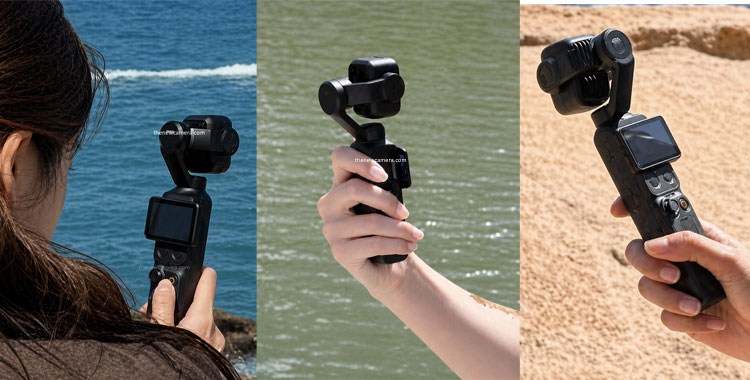
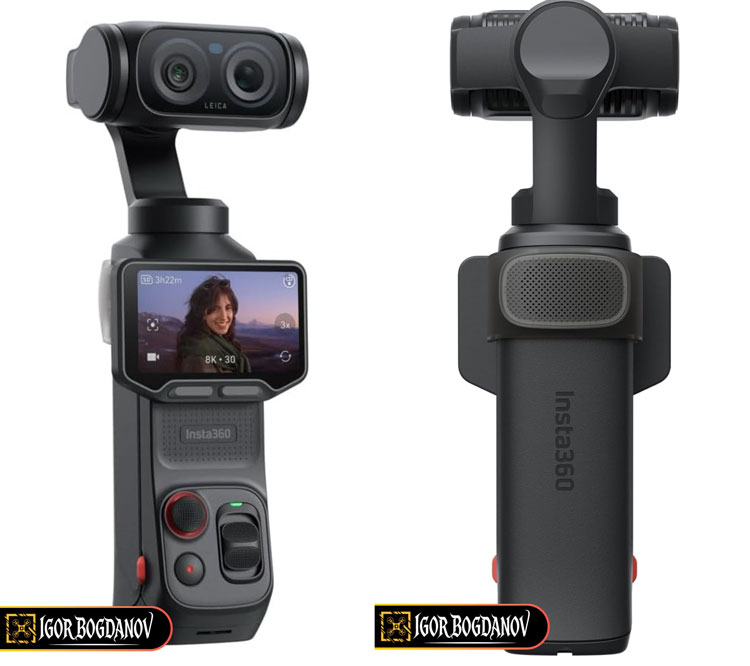
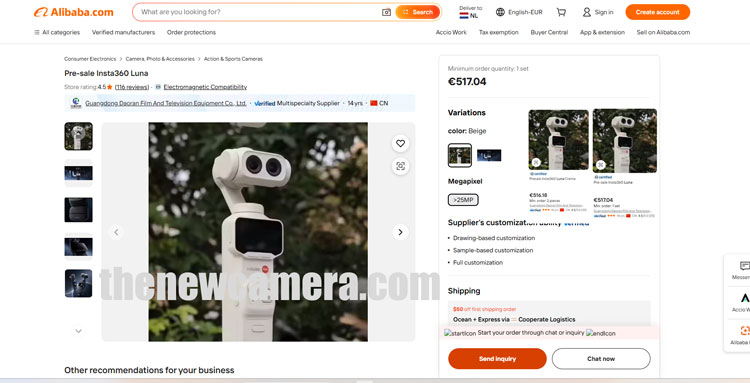
Just one day has passed since we confirmed the detachable magnetic handle with controller and display attached to the Insta360 Luna camera, and now today we have a bunch of leaks composed of six different parts by tech detective Igor Bogdanov on X that reveal the pocket gimbal camera’s full specifications, design details, and creative capabilities. Take a look at all sorts of details below on one page here and explore all the possible core specifications and features of the Luna 360 camera.
Design Highlights from @Quadro_News Leaks
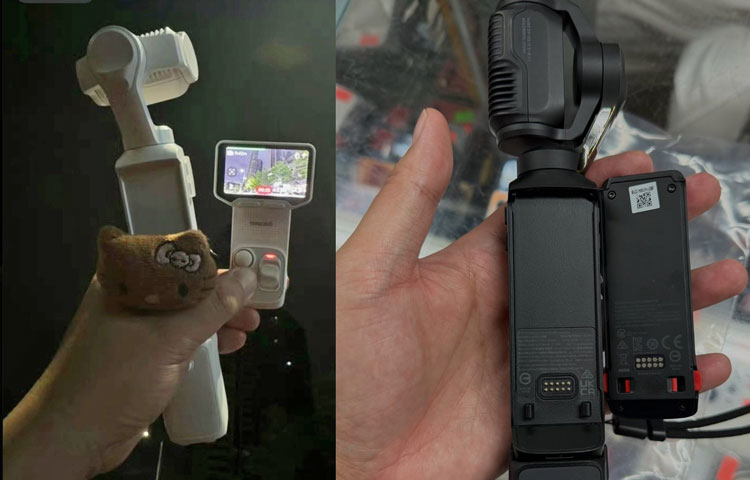
Multiple product images has been said, and it clearly shows the Luna Ultra in a sleek black finish (with white “Panda edition” also expected and hopefully more special edition followed by soon to boost up sales) as an ultra-portable device. Photos include side-by-side comparisons with a ruler, confirming its pocket-friendly size.
The most attractive part of the entire series, apart from the dual camera lens unit is the detachable OLED display, which doubles as a live-view remote with status LED, making framing easier in tricky scenarios like vlogging in crowded spaces or restaurant settings.
Now, its time to explore the core specification of the camera. Keep in mind all the core specs which are mentioned below are 100% confirmed now
Insta360 Luna Full Specification
Sensor: 1-inch 8K CMOS (50 MP)
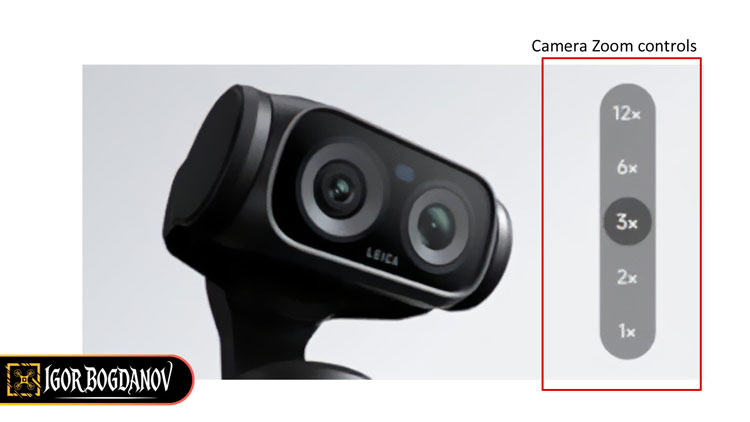
Lenses: Dual Leica Summicron optics – 20 mm main (F1.8 aperture, 155° field of view) + 120 mm telephoto
Autofocus supported
Zoom: 1x, 2x, 3x, 6x, 12x (optical + digital)
This dual-lens setup promises true-to-life portraits and versatile framing in a single compact unit.
Video & Photo Capabilities
Video codec: H.265 (HEVC)
Bitrate: Up to 120 Mbps
Color profiles: 10-bit I-Log, Dolby Vision, Gamma Log
Photo resolution: Up to 37 MP in RAW format
Triple AI Chip: Dedicated low-light processing
Special modes: 4K Live Frames, True-to-Life Portraits, 1080p@60fps
Earlier leaks hinted at 4K/30fps (with possible 8K capability) and advanced stabilization—now confirmed with these detailed settings.
Audio, Interfaces & Connectivity
Audio: Hi-Fi 48 kHz 32-bit (AAC) with wind noise reduction
Microphone support: Compatible with Insta360 Mic Pro (TX)
Connectivity: Wi-Fi 6, Bluetooth, USB-C
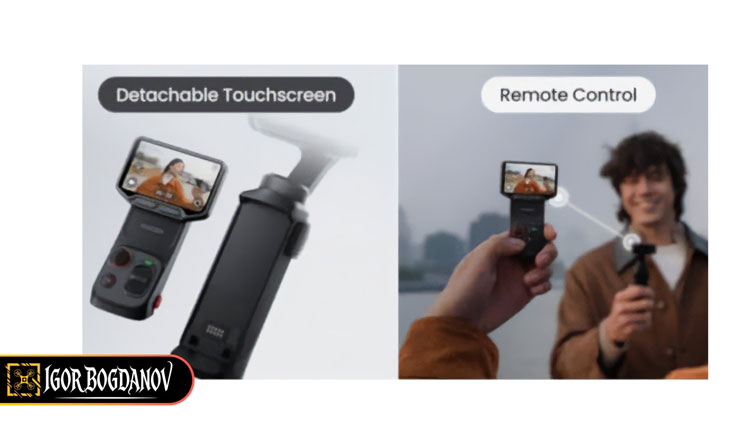
Display/Remote: Detachable OLED touchscreen that functions as a full wireless remote control
Time-Lapse & Motion Time-Lapse (even while moving)
Slow Motion
Night Mode
Portrait Mode
@Quadro_News emphasizes that the combination of mechanical gimbal and advanced FlowState makes the Luna Ultra “small but mighty,” positioning it as a more flexible alternative to DJI’s latest Pocket models.
Pricing, Availability & Market Context
The best part is the announcement of the camera is not too far, and if we believe the the latest reports that we have published on May 6, the approximate pricing ofthe camera somewhere fall around the $560 – $617 per unit for the Ultra model, with a full launch expected in late Q2 2026 (May/June timeframe). The device will be available in black and white Panda editions.
Rest assured We’ll continue monitoring for official confirmation, hands-on samples, or further leaks. What do you think—does the detachable remote and dual-lens system give Insta360 the edge over DJI? Drop your thoughts in the comments below!
All spec details and images sourced directly from @Quadro_News (Igor Bogdanov) posts on May 9, 2026. Follow the account for real-time leaks on Insta360, DJI, and GoPro products.
The article “Breaking News: Insta360 Luna Ultra Support Detachable Remote Screen and Controllers – Confirmed” was written by thenewcamera.com team on 6:24 pm, Saturday, 9 May 2026, Greenwich Mean Time (GMT) | You can also follow us on Our Official Social Media HandlesFACEBOOK | TWITTER | INSTAGRAM> get live news — > DJI Rumors
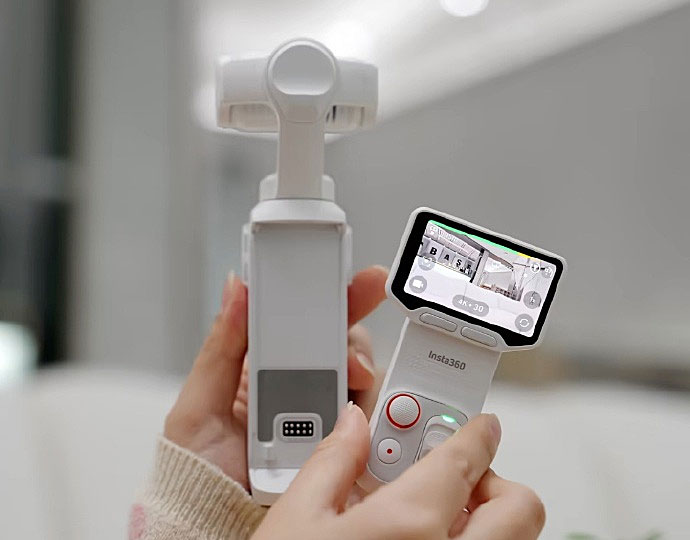
Finally, we have confirmation of a new feature of the upcoming Insta360 Luna camera, and the best part is that the entire controller part, as well as the screen of the Luna, can be detached from the main camera and can be used as a remote display unit with controls for capturing your favourite shots or self videos from a distance. That’s a breakthrough technology that we have seen for the first time in any pocket camera that is present in the market so far.
Yes, DJI has introduced the new Frame Tap in their Mobile 8P gimbal, which also supports sync with pocket cameras, and it has been announced recently, but for the first time, Insta360 is introducing this in their pocket series camera, and in that, they are integrating a remote display unit with controls, which is really a very applicable thing for sure.
What the Leaks Show About the Detachable Handle
The Insta360 Luna Ultra consists of two separate pieces that magnetically connect via multi-pin connectors:
The main gimbal camera body (white or black “Panda” edition) with lenses, 3-axis stabilisation, primary battery, and sensors.
The detachable handle/controller that doubles as a wireless remote with:
Built-in colour touchscreen showing live view, 4K•30 recording info, zoom, and settings
Physical controls, including a prominent red record button, joystick, directional pad, and function buttons
Status LED and full wireless pairing capability
Now you can turn your ultra-compact gimbal body into a remote-controlled recording device, where you can easily sit and record, which is really very helpful. When you are self-recording your videos, specifically in restaurants and dining spaces, where you are a bit away from your camera, and the camera is placed on a gimbal or tripod, it’s not always easy to frame yourself since you are not looking at the display of the camera. But when you have the remote controls and the display in your hand, it makes even recording from the camera buttery smooth.
Retail Box Leak Adds Final Confirmation
The best part is that there is not a single leak – multiple social media accounts confirm the split-screen design (what they are calling it), specifically those belonging to Chinese social media platforms like Weibo, and some popular influencer handles on Twitter, are sharing the latest images of the Insta360 Luna, showcasing the wildest possibilities for a handheld gimbal camera.
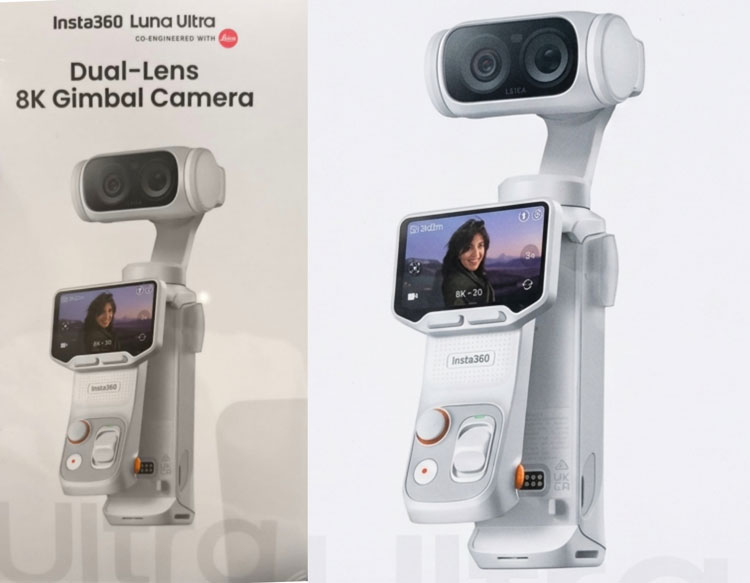
Just hours after the @D2Help posts, retail packaging images (first reported by Notebookcheck) further confirm the feature. The box explicitly lists:
“Detachable magnetic remote with integrated OLED display, joystick, and dedicated record button”
This is not just a flip-out screen — the entire handle detaches and works independently.
The Luna Ultra’s modular approach gives creators far more flexibility than the fixed-body DJI Pocket series — exactly why this feature is generating massive buzz.
Insta360 Luna Ultra Key Specs (Latest from Leaks)
Lens : Dual-lens system (Luna Ultra) with F1.8 super large aperture
Video : 4K 30fps (with hints of 8K support)
Stabilization : Advanced 3-axis mechanical gimbal
Design : Modular detachable handle with screen & controls
Colors : White + Black Panda edition
Expected Launch : Late Q2 2026 (May/June window)
What do you think? Will the Insta360 Luna Ultra’s detachable remote screen and controllers finally give Insta360 the edge over the DJI Osmo Pocket 4? Drop your thoughts in the comments below.
Stay tuned to TheNewCamera.com — we’ll update this article the second more leaks or official details drop.
Sources: @D2Help X posts (May 8–9, 2026), Notebookcheck retail box leak, multiple corroborating images and video teasers.
The article “Breaking News: Insta360 Luna Ultra Support Detachable Remote Screen and Controllers – Confirmed” was written by thenewcamera.com team on 6:24 pm, Saturday, 9 May 2026, Greenwich Mean Time (GMT) | You can also follow us on Our Official Social Media HandlesFACEBOOK | TWITTER | INSTAGRAM> get live news — > DJI Rumors
So finally, after eight years of long weight, we now have a pocket camera from DJI, which supports Dual-Lens for enhanced videography capability which mimic high and send my camera for generating greater depth of field while recording studio, quality, portraits, and self videos at the very same time the camera does have a 3X zooming capability with dedicated optical zoom, less, which intern helps you to capture crystal clear images and videos from a distance without losing any equality or applying any digital zoom.
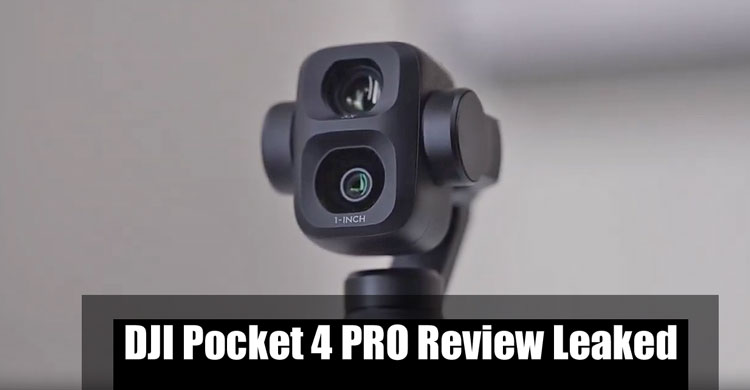
DJI Pocket 4 PRO Review Leaked Before Official Announcement
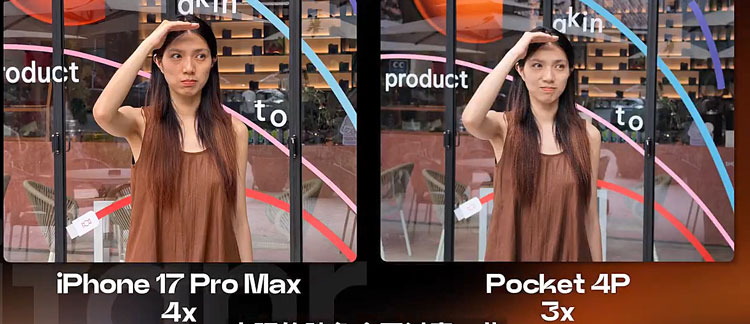
DJI Pocket 4 PRO camera review posted on the bilibili website, a Chinese social media website, detailing the camera’s build and peak performance. The New 3X optical zoom lens module showcases an excellent video/image quality when compared to the single lens module-based DJI Pocket 4 PRO
For years, the Osmo Pocket series was loved for its incredible 3-axis stabilisation and 1-inch sensor – but it only had a single wide-angle lens with zero background blur.
The DJI Osmo Pocket 4P changes that completely.
New 3x telephoto lens (roughly 70mm equivalent) gives you a natural perspective and beautiful subject separation.
OmniVision: 50Mp (Telephoto: Sony imx09A)
17 dynamic range stops
D-Log2 Curve
Zoom up to 12x
You can now shoot flattering portraits from a comfortable distance without distortion.
The combination of 1x wide + 3x optical + digital zoom delivers seamless coverage from 1x to 6x — true one-lens travel photography.
DJI’s Strategic Shift to DJI POCKET 4P and the Super Bet on the Female Market!
Custom Qualcomm Processor
Real-world examples from the review:
Coffee cup shots: Pocket 3 forces you inches away – distorted. Pocket 4P at 3x looks like it was taken with a dedicated camera.
Portrait test with a model: The 3x version is noticeably more flattering than the Pocket 3’s wide lens and even beats the iPhone 17 Pro Max’s 4x in skin tone rendering.
Mario toy close-ups: The difference in facial proportions is night and day.
DJI color science is more correct according to the reviewer
Release Date & Price Rumours
According to current leaks and the ifanr review:
China launch: Late May / early June 2026
Global availability: Expected shortly after
Pricing: Expected to sit above the standard Pocket 4 as the photography flagship
We’ll update this article with official pricing and full specs as soon as they’re announced.
Final Verdict: Is the DJI Pocket 4P Worth Buying?
Yes – if you care about still photography or high-quality video.
The DJI Osmo Pocket 4P is the camera the Pocket series has always deserved. After eight years, DJI finally delivered the telephoto lens that turns this pocket gimbal into a serious photography tool while keeping everything that made the series legendary.
For travellers, creators, and anyone who wants beautiful photos without carrying a big camera, the Pocket 4P could easily become the next million-unit seller.
Highly recommended – especially if you already loved the Pocket 3 but wished for better portraits and less distortion.
Will the DJI Pocket 4 PRO become available in the USA?
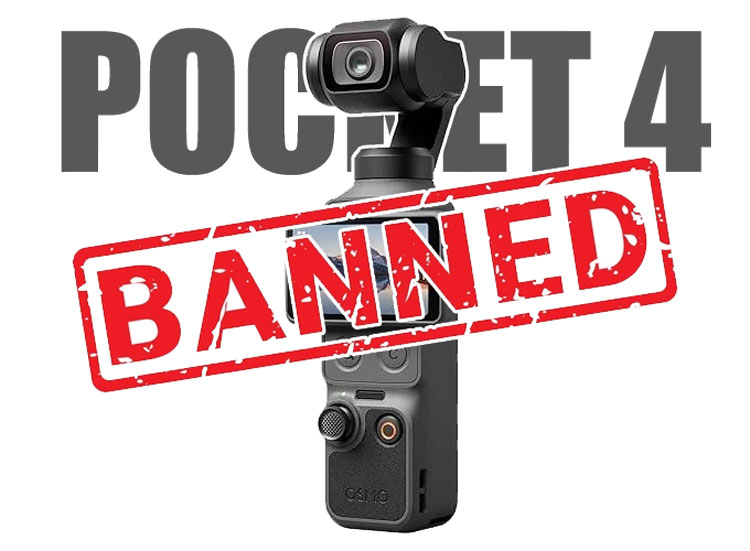
Yes, but with a twist. We do know that DJI FCC-approved products are also facing a lot of issues, even though they are not drones but only cameras. The pocket 4P (PRO) also cleared the FCC clearance before Dec 25, ban. But, still, we have no certainty over the arrival or sale of the Pocket 4 PRO camera in the USA.
But the best part is, we will be having the Xtra Mse Pro 2 in the United States of America, possibly at the end of May. So, just hold your purchase and don’t worry about the Pocket 4 availability in the USA.
The article “DJI Pocket 4 PRO Review Leaked” was written by thenewcamera.com team on 4:37 pm, Friday, 8 May 2026, Greenwich Mean Time (GMT)
| You can also follow us on Our Official Social Media HandlesFACEBOOK | TWITTER | INSTAGRAM> get live news — > DJI Rumors
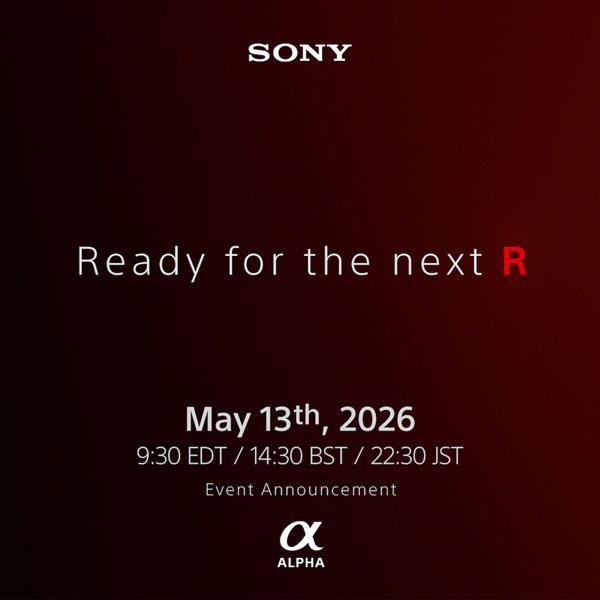
So, finally, Sony has pulled its trigger, and the rumoured Sony A7R VI camera is about to become a reality. The teaser has officially been released, and the best part is that the camera is coming on Tuesday, May 13, 2026, at 9:30 AM (14:30 BST / 22:30 JST).
So this is just an incremental update or a major update to the core specifications that we really want to know about. Although we have shared the core specifications of the upcoming camera, so you can analyse it yourself, what sort of update are you getting in the new Sony A7R VI?
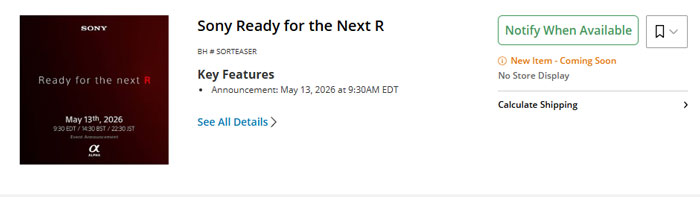
B&H Photo Already Has the Official Placeholder Live
B&H has created a dedicated “Sony Ready for the Next R” page. Click Notify When Available now to jump the queue the second pre-orders open:
This is a clear signal that Sony is treating the A7R VI as a major flagship launch.
Sony A7R VI – Specification Explained
Here’s what reliable sources across the industry are consistently reporting, and what it actually means for real-world shooting:
67 Megapixel Fully Stacked Exmor RS Sensor
The biggest leap since the A7R IV. Moving from the A7R V’s 61MP partially-stacked design to a true fully-stacked sensor delivers dramatically faster readout speeds. Expect near-zero rolling shutter in both stills and video — a game-changer for panning shots, sports, and hybrid creators. Deep analysis: This sensor + new BIONZ XR2 processor combo is rumoured to deliver performance that overlaps heavily with the A1 II (which launched at $6,500+). At a projected ~$5,000 body price, the A7R VI could make flagship-level speed accessible to high-res shooters who previously had to choose between resolution or burst rate.
30 fps Burst with RAW Pre-Capture
Yes – We are getting confirmation over the 30 frames per second in 14-bit RAW. Combined with pre-capture, this turns the A7R VI into a legitimate action and wildlife machine without sacrificing the detail needed for large-format prints or heavy cropping.
Upscaled Body, Menu, and Battery
This is the part that excites long-time Sony users the most.
New ergonomics → Improved grip, button layout, and weather sealing.
Completely revised menu system → Finally addressing years of complaints about Sony’s cluttered interface.
New higher-capacity battery → Better endurance for long events, timelapses, and video work.
Core insight: Sony is no longer just updating silicon – they’re fixing the user experience at the system level. This is the same philosophy that made the A7 IV and A7S III such workflow winners.
Next-Gen AI Autofocus + Enhanced IBIS
Building on the already excellent A7R V system, expect even smarter subject recognition (people, animals, birds, vehicles, insects) plus up to 8.5 stops of stabilisation. Real-world benefit: tack-sharp shots in lower light and more confident tracking during 30 fps bursts.
Hybrid Video Performance
Early leaks suggest serious 8K capability (oversampled from higher-resolution capture) and pro-level codecs. This makes the A7R VI a true “do-it-all” tool for commercial photographers who also deliver video.
Also launching alongside: Sony FE 100-400mm f/4.5 GM OSS II — internal zoom, pro build, and optimised for the new body.
Amazon, Adorama, and Sony direct (we’ll update links the moment they go live)
Expected shipping: Late May or early June 2026.
Final Verdict (Pre-Announcement Analysis)
What I personally think is that Sony A7R VI isn’t just evolving the R-series – it’s redefining what a high-resolution mirrorless camera can be. Pro before picking the best camera will think over again and agin which body they should buy, A7R VI or A1 II, since in totality A7R VI is coming while combining flagship speed, next-generation usability, and class-leading resolution in one body, Just like we have the Canon R5 Mark II, which has now become Canon PROS first choice even before the Canon R1 Flasgship camera, Very similar kinda of situation is about to raise inside Sony A7 Lineup. Sony is positioning this as the ultimate hybrid tool for professionals who previously needed multiple cameras.
This could be the camera that finally makes the “resolution vs speed” debate obsolete.
What do you think?
Will the 67MP stacked sensor + 30 fps combo finally get you to upgrade? Are you coming from an A7R V, A7R IV, or a different system entirely? Drop your honest thoughts in the comments – especially if you plan to pre-order on day one.
The article “Sony A7R VI Teaser Officially Launched: Announcement on May 13, 2026” was written by thenewcamera.com team on 7:53 pm, Thursday, 7 May 2026, Greenwich Mean Time (GMT)| You can also follow us on Our Official Social Media HandlesFACEBOOK | TWITTER | INSTAGRAM> get live news — > DJI Rumors
Buy Canon Lenses, Buy Music CD or Digital Camera at amazon it helps this site, and you do not pay anything extra, it is just a way to help support this site.
New Camera Website, we list all type of new camera information, price review and all type camera rumors, subscribe us or follow us via twitter or facebook.
Disclaimer: We have attempted to select useful information to include on New Camera, and to ensure that the resources we have included on the site -- as well as the way we have described them -- are accurate, fair, and balanced. However, we make no claims, warranties, or other representations concerning the accuracy, completeness, or utility of the information provided, or concerning the abilities or performance of the organizations, agencies, companies, and other resources presented through New Camera