Join More Than 50,000+ Subscribers and get latest camera news and rumors
NEW CAMERA VIDEOS ON YOUTUBE
|
By admin, on August 26th, 2025

So we have all the set of latest rumours, which include upcoming Mirrorless cameras, action cameras, and drones in September 2025, so you can stay ahead of the curve to know what’s actually coming — and of course, you can bookmark this page for future updates. Now, in September, we will have a major video-centric announcement — the Nikon ZR camera. Additionally, we have a highly anticipated DJI Mini 5 Pro announcement scheduled for September. In the action camera world, we will have the GoPro Max 2 camera announcement. Let’s explore everything in detail to understand the price and specs of these upcoming products.
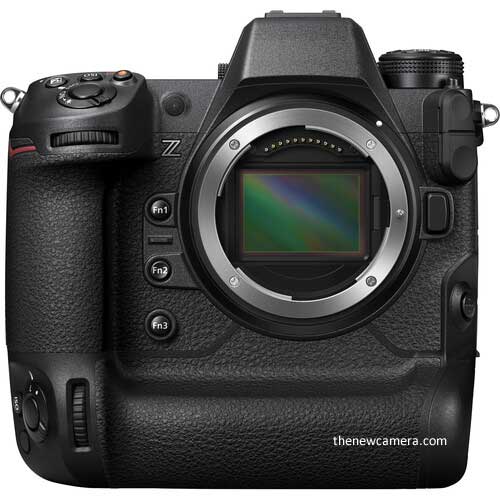
Nikon ZR: Game-Changing Video Camera
The Nikon ZR is set to arrive on September 10, 2025. It is a video-focused camera that uses a very similar sensor that we have already seen in the Nikon Z6 Mark 3 camera but with elevated specifications. The camera will have a large display screen as per the initial set of rumours, and REDCODE RAW for advanced color science. We will also have a new generation of Nikon N-Log (N-Log2) available in this camera.
- Key features: 4K video with enhanced dynamic range, thanks to new developments, a new brick-shaped design for professional use, N-Log2, REDCODE RAW, and more.
- Price: $2,799–$3,499 USD (estimated).
- Why it matters: It’s the first Nikon dedicated cinematography camera under the Z-mount.
See the Latest post about the Nikon Zr: Nikon ZR Coming in September 2025, Price and more…
 Dji mini 5 pro drone DJI Mini 5 Pro: Compact Drone, Big Performance – September 2025
The DJI Mini 5 Pro will carry a large 1-inch sensor under a sub-250 gram body, with front-facing LiDAR, improved battery life, as well as 4K video recording capability up to 120 frames per second. We have already posted a lot of information related to the DJI Mini 5 Pro and we have the images, core specifications, and the price of the upcoming drone.
- Price: $899–$999 USD (base), $1,199–$1,499 USD (Fly More Combo).
- Features: Omnidirectional obstacle avoidance, compact design, and high-quality video for content creators.
- Why it’s hot: Since it’s the world’s first drone to feature a 1-inch sensor under a 250-gram body.
See the Latest post about the DJI Mini 5 drone: DJI Mini 5 Pro Price Leak – Exclusive Reveal of Battery Plus, Full Price list, and Release Date Rumors

GoPro Max 2: 360 Action Camera on Its Way
So, GoPro Max 2: it’s officially coming in early September. The teaser is already out, and since it has an advanced heat sink unit carefully crafted in the front of the body, the camera is expected to have 8K video recording, AI auto-framing, object tracking, and advanced image stabilization.
- Price: $400–$500 USD
- Key Features: 1-inch sensor, object tracking, durable design.
- Why it matters: Excellent option for VR content creation as well as vlogging and creative 360-degree storytelling.
So, the above list is of the confirmed set of cameras and drones coming in the month of September 2025. Now we have the names of the cameras that we are expecting to arrive in September, but we are still waiting for further confirmation on the products mentioned below.
See the Latest post about the GoPro MAX 2: GoPro Max 2 Price, Specification, and Release date
More Rumored Cameras arrival we are expected to arrive in September
Sony A7 V Camera: Sony is about to announce its ultra-popular A7 series. The update is overdue, and the past set of rumours we received in the earlier months of 2025 point to September. So we were expecting the Sony A7 V camera on or before September 2025, and we are still expecting the same. You can browse more details about the Sony A7 V camera here.
The other camera in the announcement pipeline is:
Canon R6 Mark III: Canon R6 Mark III is another model that we are expecting in 2025. We have already published its rumoured specifications, and we have confirmed that it is coming with a 30+ megapixel sensor. The camera is coming with a significant update for photographers as well as videographers, and its early test phase has been completed. Now we are waiting for its official announcement. But for the past 5 years, I have noticed a change in Canon’s announcement pattern. Canon has specifically avoided Aug and September for their Mirrorless camera announcement, so if they follow the same path, the earliest arrival date we can expect is October of 2025.
Let me know if you’d like this turned into a blog post or a YouTube video script next.
The article “Upcoming Cameras and Drones in September 2025: Must-Know Releases for Photographers and Videographers” was written by thenewcamera.com team on 8:11 am, Tuesday, 26 August 2025, Greenwich Mean Time (GMT) | Follow us for more updates and Get LIVE RUMORS –> FACEBOOK | TWITTER | INSTAGRAM to get live news — > get live news + Nikon Rumors 24X7


By admin, on August 24th, 2025

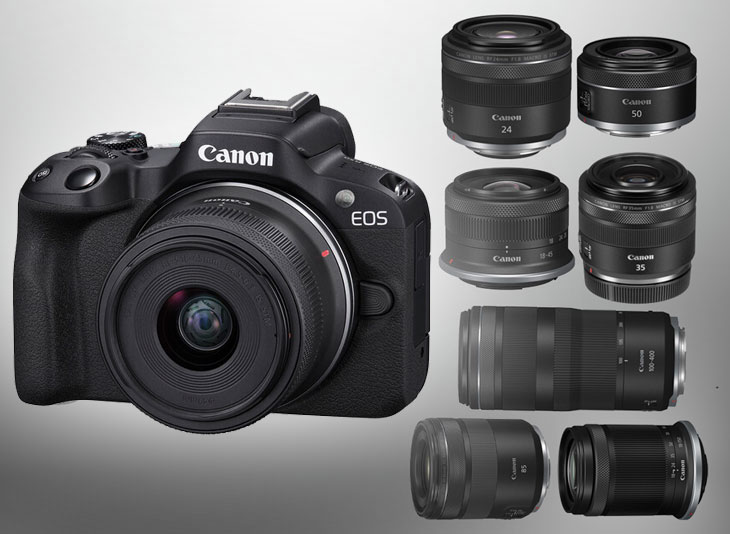
August 2025: Canon R50 again scores the top position as the best-selling mirrorless camera: If you are searching for the best mirrorless camera in 2025, then obviously Canon R50 should be your best choice. It’s a hybrid camera for beginners. Whether you are interested in photography or videography, this one is suitable for you. Now we have been keeping the data from Amazon since July, and according to the best sales data, the Canon R50 has secured its #1 spot as the best-selling camera for two consecutive months—July and August. That clearly means the Canon R50 is giving exceptional performance to its users at a very reasonable price point. That’s why it is leading the entry-level mirrorless camera market in the USA.
At the same time, in this article, we are going to dissect the rankings—why it stayed at the number one position. At the same time, we are going to explore its key features, compare it with the competitors, and uncover the market trends that are driving the R50’s dominance in 2025. So if you are a beginner photographer, a content creator, or a beginner videographer, this guide will help you decide whether you should buy the Canon R50 or not.
Aug–July 2025, Canon scores the top four in the Amazon ranking:
We have already covered in July that the Canon R50 is at the top-selling camera. The dominance of the Canon R50 camera clearly shows budget-conscious buyers are preferring the R50. It is a hybrid camera, which means photographers, videographers, content creators, as well as beginner cinematographers—all of them are preferring the same camera. Maybe that’s why the Canon R50 is so popular. It’s appealing to everyone under a beginner budget. You don’t have to buy two different cameras to perform video or photography work. A single one can handle this situation very well.
Why Canon R50 the best mirrorless?
The biggest reason behind its popularity in the USA is the perfect balance of price and features. The Canon R50 camera’s 24-megapixel Dual Pixel CMOS autofocus sensor with more than 4,000 DPAF points locks in no time, and even the 3D auto boxing system tracks moving subjects without any noticeable lag. At the same time, while you are recording videos, we do have the 10-bit HDR PQ option available. Apart from all these features, Canon cameras are well known for capturing perfect skin tones.
List of Third-Party AF Lenses Available for Canon Mirrorless
| Lens Model |
Available Native for Canon RF Mount |
| Tamron 11-20mm F/2.8 Di III-A RXD |
Yes (APS-C) |
| Tamron 18-300mm F/3.5-6.3 Di III-A VC VXD |
Yes (APS-C) |
| Lens Model |
Available Native for Canon RF Mount |
| Sigma 10-18mm F/2.8 DC DN Contemporary |
Yes (APS-C) |
| Sigma 18-50mm F/2.8 DC DN Contemporary |
Yes (APS-C) |
| Sigma 16mm F/1.4 DC DN Contemporary |
Yes (APS-C) |
| Sigma 23mm F/1.4 DC DN Contemporary |
Yes (APS-C) |
| Sigma 30mm F/1.4 DC DN Contemporary |
Yes (APS-C) |
| Sigma 56mm F/1.4 DC DN Contemporary |
Yes (APS-C) |
Open lens mount:
From the beginning of 2025, we have seen a great number of Sigma and Tamron APS-C format lenses available for the Canon RF-S mount. So that clearly means a user is no longer bound to buy only Canon-made lenses for their camera. They can buy Sigma or Tamron lenses based on their own personal set of requirements as well as the budget they have.
Also see the best lenses for your Canon R50 camera here.
Ranking Comparison: July 2025 vs August 2025
| July 2025 Rank |
July Camera Model |
August 2025 Rank |
August Camera Model |
| #1 |
Canon EOS R50 |
#1 |
Canon EOS R50 |
| #2 |
Canon EOS R6 Mark II |
#2 |
Canon EOS R6 Mark II |
| #3 |
Canon EOS R100 |
#3 |
Canon EOS R100 |
| #4 |
Sony Alpha a6400 |
#4 |
Sony Alpha ZV-E10 |
| #5 |
Sony Alpha a6700 |
#5 |
FUJIFILM X-E5 |
| #6 |
Sony Alpha a7 III |
#6 |
Sony Alpha a6700 |
| #7 |
Canon EOS R8 |
#7 |
Sony Alpha a6400 |
| #8 |
Sony Alpha ZV-E10 II |
#8 |
Canon EOS R50 V |
| #9 |
Nikon Z50 II |
#9 |
FUJIFILM X-E5 |
| #10 |
Fujifilm X-Half |
#10 |
Canon EOS RP |
Canon’s Top 3 Hold in the US Best-Selling Camera Ranking
The Canon R50 camera remained unchallenged for two consecutive months. Not only that—if you look at the table, we have multiple Canon cameras listed. Very similar to the Canon R50, we have the Canon R6 Mark II camera, which is in the #2 spot for two consecutive months. In the third ranking, we have the Canon R100 camera, which is again at the #3 spot for two months. Canon is clearly dominating the
For the past two months, the Canon R50 has been at the #1 spot on Amazon.com as the best-selling mirrorless camera. It cements its status as the best budget mirrorless camera of 2025.
The camera is a perfect blend of affordability, features, and performance—and very much ideal for beginners and vloggers out there. Now, if you are searching for “Buy Canon R50 Amazon 2025,” I think you should buy it as soon as possible, as stock fluctuates with demand.
Let me know if you have any specification questions related to the camera lenses. We will try to help you out. Thanks for reading, lots of love.
ABout the author: The article “Canon R50: No.1 Mirrorless Camera on Amazon August 2025” written and updated by thenewcamera.com team on 5:45 pm, Sunday, 24 August 2025, Greenwich Mean Time (GMT) | Follow us for more updates and Get LIVE RUMORS –> FACEBOOK | TWITTER | INSTAGRAM to get live news — > get live Camera News + Canon Rumors 24X7.

By admin, on August 20th, 2025

August 20, 2025 – Canon has announced the discontinuation of the standard EOS Webcam Utility. What you have now is Canon integrating its features into the more robust EOS Webcam Utility Pro (version 2.3f). This is a very strategic move by Canon, which includes both free and premium plans in a single software package. In this new update, Canon is offering users a seamless experience with a freemium model, which actually encourages users to upgrade to unlock advanced features. Canon is the number one camera maker in the world, and this strategic move will likely influence other camera makers too. The new software update offers streaming solutions catering to content creators, vloggers, as well as professionals.
What’s new with the EOS Webcam Utility Pro?
As of August 20, 2025, the original EOS Webcam Utility has been fully replaced by the EOS Webcam Utility Pro. Now, you don’t have to worry, since the free version retains all the basic functionality of the original utility—so it ensures your accessibility to the features that you were already using. And if you don’t require advanced features, there’s no need for an upgrade.
But yes, if you’d love to have an advanced set of features (described below), you will need a paid subscription—this will elevate your entire streaming and video production process.
According to Canon USA, the EOS Webcam Utility Pro subscription offers:
- Multiple Camera Connections: Connect up to five cameras for dynamic multi-angle streaming.
- Wireless Connectivity: Streamline your setup with wireless camera connections (supported on select models).
- High-Resolution Upscaling: Achieve Full HD 1080p and up to 60fps for smoother, crisper visuals.
- Multi-Channel Output: Stream to multiple platforms simultaneously—perfect for live content creators.
- Advanced Camera Control: Adjust settings directly from the app, including image quality, cropping, flipping, and resizing.
- Creative Features: Add text overlays, watermarks, JPEG/PNG images, and scene transitions for professional-grade production.
- Third-Party Integration: Support for Elgato Stream Deck and dynamic drivers (Windows only) for enhanced workflow efficiency.
- Background Blur/Removal: Create polished visuals with customizable backgrounds.
- Template and Hotkey Support: Save time with reusable templates and customizable hotkeys.
The subscription is priced at $4.99/month or $49.99/year. The subscription doesn’t cost a lot according to Canon. If you love to upscale your workflow and are seeking professional-grade streaming capabilities without investing in additional hardware like HDMI capture cards, it’s a great option.
Supported Canon Cameras
The best thing about the new update is that it supports the entire range of Canon cameras, starting from their DSLRs to modern-day mirrorless, including the EOS M-series cameras. Even though Canon has discontinued making its DSLR or EOS M-series cameras, they are still supported. If you’d like to buy the subscription, you can.
Here is the list of cameras supported by the new EOS Webcam Utility Pro:
EOS Webcam Utility Pro supports an extensive range of Canon cameras—from legacy DSLRs to modern mirrorless models—ensuring compatibility for both new and longtime Canon users. The supported cameras include:
- EOS-1D Series: EOS-1D X Mark II, EOS-1D X Mark III
- EOS 5D Series: EOS 5D Mark II, EOS 5DS, EOS 5DS R
- EOS 6D Series: EOS 6D, EOS 6D Mark II
- EOS 7D Series: EOS 7D Mark II
- EOS 70/80/90 Series: EOS 77D, EOS 80D, EOS 90D
- EOS M Series: EOS M200, EOS M50, EOS M50 Mark II, EOS M6 Mark II
- EOS R Series: EOS R, EOS R1, EOS R3, EOS R5, EOS R5 Mark II, EOS R6, EOS R6 Mark II, EOS R7, EOS R8, EOS R10, EOS R50, EOS R50 V, EOS R100, EOS Ra, EOS RP
- EOS Rebel Series: EOS Rebel SL2, SL3, T6, T6i, T6s, T7, T7i, T8i, T100
- PowerShot Series: PowerShot SX70 HS, PowerShot G5X Mark II, PowerShot G7X Mark III, PowerShot V1, PowerShot V10
This broad compatibility ensures that even owners of older Canon cameras—such as the EOS 5D Mark II or Rebel T6—can leverage modern streaming features, extending the lifespan of their gear.
Free vs. Paid Features
Here’s a breakdown of the features available in the free and paid versions of EOS Webcam Utility Pro:
| Feature |
Free (Basic) |
Paid (Pro Subscription) |
| Default Scene (One Camera) |
✓ |
✓ |
| User Custom Scene |
✗ |
Multiple |
| Multiple Camera Connection |
1 unit |
Up to 5 devices |
| Wireless Connection |
✗ |
✓ (1 unit) |
| Stream to Multiple Channels |
✗ |
✓ |
| UVC Video Input Support |
✗ |
✓ |
| Change Camera Settings |
On-camera only |
Via app |
| Image Quality Adjustment |
✗ |
✓ |
| Scene Layout Editing |
✗ |
✓ |
| HD 720p Upscaling |
✓ |
✓ |
| Full HD 1080p Upscaling |
✗ |
✓ |
| Up to 60fps Support |
✗ |
✓ |
| Video Layout Options (Fill/Fit) |
✗ |
✓ |
| Crop/Flip/Rotate/Resize Video |
✗ |
✓ |
| Insert Images (JPEG, PNG) |
✗ |
✓ |
| Watermark Insertion |
✗ |
✓ |
| Scene Transitions (Crossfades) |
✗ |
✓ |
| Hotkey Settings |
✗ |
✓ |
| Screen Capture |
✗ |
✓ |
| Text Overlay |
✗ |
✓ |
| Dynamic Driver (Windows) |
✗ |
✓ |
| Elgato Stream Deck Support |
✗ |
✓ |
| Template Support |
✗ |
✓ |
| Language Support |
✗ |
✓ |
| Battery Indicator |
✗ |
✓ |
| Background Blur/Removal |
✗ |
✓ |
Why Choose EOS Webcam Utility Pro?
While we do have some open-source alternatives like OBS Studio that offer excellent streaming capabilities, they do require additional hardware, such as an HDMI capture card. Also, support is limited to a specific set of Canon cameras due to the requirement of a clean HDMI output.
So, if your camera does provide clean HDMI output, you can use a capture card and the free, open-source OBS Studio software to stream completely free — without spending a single penny monthly.
Now, in contrast, we have Canon’s new EOS Webcam Utility and Pro service, which provide a kind of plug-and-play solution — even with wireless connectivity and app-based camera control. This eliminates the need for extra wires, HDMI cables, or dealing with third-party applications that might be a bit complex for new users.
But for all of this, you have to pay a monthly subscription fee.
The subscription model has sparked some debate, especially among professional camera users like those using the Canon R5 Mark II or Canon R1. Many of them are asking — “Why, Canon, why?” — since they’re already spending so much on camera bodies and lenses.
Our Take
Canon’s decision this season to merge the EOS Webcam Utility with the Pro version is obviously a very smart move. It successfully balances accessibility with premium functionality.
The free version ensures that casual users — those who just want to use their Canon camera for basic streaming — still have access. But for those who want advanced features like wireless streaming, multi-camera setups, image upscaling, and more, there’s a $4.99/month plan.
This cost is reasonable, not too high—especially for creators who completely rely on the Canon ecosystem for high-end video production.
And obviously, if you’re irritated by the idea of a subscription, you still have great open-source tools like OBS Studio that remain valuable and completely free to use.
But, as always, I have to say — Canon’s all-in-one solution is hard to beat.
We recommend: If you’ve already invested so much in Canon cameras and lenses, you can simply try a 1-month or 2-month subscription. If you don’t like it — don’t continue. But if you find that it adds value to your workflow, then it’s worth keeping.
ABout the author: The article “Canon New Compact Cinema EOS Camera: What to Expect in September 2025” written and updated by thenewcamera.com team on 4:08 pm, Friday, 15 August 2025, Greenwich Mean Time (GMT) | Follow us for more updates and Get LIVE RUMORS –> FACEBOOK | TWITTER | INSTAGRAM to get live news — > get live Camera News + Canon Rumors 24X7.
By admin, on August 17th, 2025

The EISA (Expert Imaging and Sound Association) Photography Awards 2025-2026 have already created a benchmark for excellence in imaging technology. EISA has selected some of the best cameras and lenses manufactured by Sony, Canon, Nikon, and more here in this award to showcase their excellence. These awards clearly highlight the technological innovations done by camera makers as well as lens makers in the photography and videography industry. In the EISA Photography Awards 2025-2026, let’s deep dive into the content.
Top Cameras of EISA Awards 2025-2026
Okay, let’s start exploring the best cameras, and after that, we will discuss the best lenses of 2025-2026. So, we will start from the Camera of the Year and move on. Let’s start with the Best Camera of the Year.
Sony Alpha A1 Mark II claims to be the Best Camera of the Year 2025-2026, selected by the EISA team of experts. The camera features a 50-megapixel full-frame sensor, able to capture 30 FPS. The Alpha A1 II camera records 8K videos, which makes it a perfect camera for hybrid shooters. So whether you are a professional photographer, a professional sports photographer, or a wedding or event photographer, this camera is suitable for you.
Professional Camera of the Year: Canon EOS R1
EISA’s team of experts has selected the Canon EOS R1 as the Best Professional Camera Gear of the Year. And why not? It is built for professionals, featuring a 24-megapixel full-frame Stacked CMOS sensor, able to capture 40 FPS continuous shooting speed without any visible rolling shutter effect. The R1 camera is also able to record 6K videos up to 60 frames per second and 4K videos up to 120. The best professional camera ever built by Canon.
The Canon R5 Mark II camera has been selected as the Best Full-Frame Camera of the Year. The camera features a 45-megapixel stacked BSI CMOS sensor, featuring continuous shooting speed up to 30 frames per second with very minimal rolling shutter effect due to a faster readout sensor. As well as you can record 8K videos up to 60 frames per second, 4K up to 120, one of the best high-resolution full-frame professional cameras ever built by Canon.
Nikon Z50 II has been selected as the Best APS-C Camera of 2025-2026 by EISA team of experts. The camera features a highly advanced autofocusing system very similar to the Nikon Z8 and Z9, utilising the same ultra-popular 20MP sensor, for excellent low-light performance. Overall, this is one of the best APS-C cameras among professionals and semi-professional APS-C shooters.
World’s first medium-format compact camera that features a Sony-made 102-megapixel BSI CMOS II sensor as well as a fixed 35mm f/4 lens (which is 28mm equivalent in terms of full-frame). Most of the time it’s high in demand, so it’s hard to find stock of the GFX 100RF camera.
EISA Awards 2025-2026 Winners List
| Category |
Winner |
Key Features |
| Camera of the Year |
Sony Alpha 1 II |
50MP sensor, 30fps, 8K video |
| Professional Camera |
Canon EOS R1 |
Advanced autofocus, rugged build |
| Full-Frame Camera |
Canon EOS R5 Mark II |
45MP, 8K video, improved overheating management |
| Best Buy Camera |
Nikon Z5II |
Entry-level full-frame, great value |
| APS-C Camera |
Nikon Z50II |
Compact, 4K video, excellent ergonomics |
| Compact Camera |
FUJIFILM GFX100RF |
Medium-format sensor, compact design |
| Photo/Video Camera |
Panasonic LUMIX S1RII |
High-resolution stills, pro-grade video |
| Micro Four Thirds Camera |
OM System OM-3 |
Weather-sealed, in-body stabilization |
| Vlogging Camera |
Canon PowerShot V1 |
Flip-out screen, 4K, social media connectivity |
Best Lenses of EISA Awards 2025-2026
Lenses define the quality of photographs you capture with your camera. Lenses give you the reach, the depth — everything you require to compose a photograph. Basically, your composition depends upon the type of lenses you are using. So now let’s explore the best lenses of the year 2025-2026.
Lens of the Year: Sony FE 50-150mm F2 GM
The G Master white-colour Sony 50-150mm lens features 4XD linear autofocus motors. That means the lens doesn’t take even a fraction of a second to acquire autofocus on the subject. The tracking is completely unnoticeable when you pair it up with cameras like the Sony A9 Mark III or the Sony Alpha A1 Mark II. The lens comes at a $3,800 price tag at B&H store, and it is one of the best lenses Sony ever created.
Best Buy Lens: Nikon Z 50mm f/1.4
Affordable yet premium, the new Nikon f/1.4 series lenses deliver exceptional bokeh at a very reasonable price for budget-conscious photographers.
Standard Lens: Canon RF 50mm f/1.4L VCM
Canon has just started a new VCM series of lenses. All the lenses have the same weight and size. The RF 50mm f/1.4 VCM is slightly more special due to the nifty 50 focal length. The lens is well-built as well as performs professionally with lightning-fast autofocus. An excellent lens for everyday use and professional cinematic purposes.
Standard Zoom Lens: Sony FE 28-70mm F2 GM
Full-frame lens made by Sony. It also features 4XD linear autofocus motors, so it takes no time to lock autofocus on the subject. As well as, autofocus tracking is matchless. The lens provides excellent flexibility for low-light and event shooting — a perfect walkaround for general-purpose photography.
Portrait Lens: Sony FE 85mm f/1.4 GM Mark II
The best 85mm lens in Sony and among the most favourite lenses for portrait photography with Sony full-frame cameras. Features an f/1.4 aperture and XD linear autofocus motor for fast autofocusing. It’s 20% lighter and 30% smaller than its predecessor. Best for portrait photography, fashion, and event shooting purposes.
Macro Lens: TAMRON 90mm f/2.8 Di III MACRO VXD
The Tamron 90mm f/2.8 lens is available for Sony E-mount and Nikon Z-mount. The lens gives you a very good working distance as well as a 1:1 magnification ratio with VXD autofocus motor. And most important is the price — available only at $699 on B&H and Amazon.com.
Best Photo and Video Lens: Nikon Z 28-135mm F4 PZ
This is one of the first Nikon cinema series lenses with power zoom functionality and world-class optics. The lens covers a very wide range starting from 28mm to 135mm with a constant f/4 aperture. Let me know when you want this version formatted for publication or turned into a carousel, script, or post.
EISA Awards 2025-2026 Winners List
| Category |
Winner |
Key Features |
| Lens of the Year |
Sony FE 50-150mm F2 GM |
Constant f/2, telephoto versatility |
| Best Buy Lens |
Nikon NIKKOR Z 50mm f/1.4 |
Affordable, creamy bokeh, sharp images |
| Standard Lens |
Canon RF 50mm F1.4L VCM |
Pro-grade build, fast autofocus |
| Standard Zoom Lens |
Sony FE 28-70mm F2 GM |
Constant f/2, low-light performance |
| Portrait Lens |
Sony FE 85mm F1.4 GM II |
Sharp, stunning subject isolation |
| Macro Lens |
TAMRON 90mm F/2.8 Di III MACRO VXD |
1:1 magnification, vibration compensation |
| Photo/Video Lens |
Nikon NIKKOR Z 28-135mm f/4 PZ |
Power zoom, versatile for stills and video |
| Superzoom Lens |
TAMRON 28-300mm F/4-7.1 Di III VC VXD |
Massive range, stabilization for travel |
| Telephoto Lens |
FUJIFILM Fujinon XF500mmF5.6 R LM OIS WR |
Long reach, optical stabilization |
| Telephoto Zoom Lens |
Canon RF 70-200mm F2.8L IS USM Z |
Sharp, stabilized, pro-grade for sports/portraits |
| Ultra-Telephoto Zoom Lens |
Sigma 300-600mm F4 DG OS | Sports |
Extreme reach, durable build, stabilization |
| Ultra-Wideangle Lens |
Sony FE 16mm F1.8 G |
Fast aperture, ideal for landscapes/astro |
| Wide Angle Lens |
Nikon NIKKOR Z 35mm f/1.2 S |
Ultra-fast aperture, street/portrait photography |
ABout the author: The article “EISA Photography Awards 2025-2026: Top Cameras and Lenses Unveiled” written and updated by thenewcamera.com team on 9:27 am, Saturday, 16 August 2025, Greenwich Mean Time (GMT) | Follow us for more updates and Get LIVE RUMORS –> FACEBOOK | TWITTER | INSTAGRAM to get live news — > get live Camera News + Canon Rumors 24X7.
References
-
EISA Awards 2025-2026: Photography. Expert Imaging and Sound Association. https://eisa.eu/awards/photography/
Best Mirrorless Cameras 2025: Top 20 Picks for Photographers, Videographers, and Content Creators

Top 10 Best Instant Cameras of 2025

By admin, on August 16th, 2025
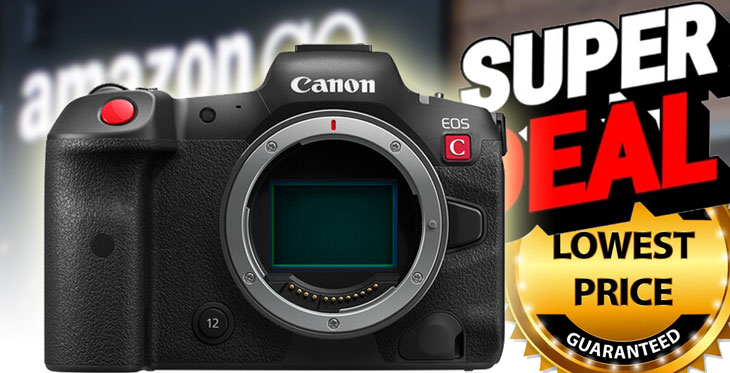
The Canon EOS R5 C is a Netflix-approved hybrid cinema roller’s camera. Now this camera is available at an unbeatable price. You can get the new Canon R5 C camera body at $3399 at B&H Store and Amazon. Or you can grab a renewed Canon EOS R5 C body at $2574 on Amazon. So this will save you approximately $825 compared to the original low price. So without a doubt, without having any second thought in your brain, if you are a professional filmmaker or content creator, then for sure this is a golden opportunity.
Canon EOS R5 C is a Game Changer for Filmmakers and Photographers
The Canon R5 C is a filmmaker powerhouse camera which features Canon’s 45-megapixel full-frame CMOS sensor, 8K video recording capability at 60 frames per second, and of course, even while recording 8K the camera will not overheat due to its built-in fan with three different control modes in the body. Not only video — you can also capture super high-resolution still images with this camera. So this camera is a super ideal camera for hybrid shooters who love to have versatility in their workflow.
Key Features of the Canon R5 C
- 8K/60p Internal Recording: The camera can capture cinematic footage with full-on details. At the very same time, there is no issue of overheating since it’s a professional-grade camera with a built-in fan. Other than that, you will also have complete flexibility for post-production.
- Dual Pixel CMOS Autofocus Sensor with Eye Detection: Canon is well known for their autofocusing system. You will be getting blazing-fast autofocusing speed with very precise tracking, with multiple autofocusing modes that automatically select the 3D subject.
- Netflix-Approved Camera: The Canon R5 C meets the rigorous standards set by Netflix for professional streaming, video recording, cinematography, and broadcast.
- Active Cooling System: The Canon R5 C camera features a built-in fan to dissipate the heat from the body. At the very same time, you get two different modes — the first one is
- Always On, and the other is Automatic Mode. The camera automatically balances internal heat, and it ensures long-duration video recordings without any thermal shutdown.
Other Features of the Camera Include:
- 13 assignable buttons so you can customize your entire workflow for maximum efficiency, which means tailoring your camera as per your requirement.
- Canon R5 C is also a VR-ready camera — with updated firmware, you can easily use the VR lenses over it to get perfect 360° super high-quality content.
- The weight of the camera is just 1.7 lbs, so it enables handheld shooting as well as you can also mount it on professional drones.
Unbeatable Deals: New and Renewed Canon R5 C Prices
New Canon EOS R5 C Body – $3399
It is available at B&H Store and Amazon.com. The new Canon R5 C body is already available at a discount of $3999, which is also a significant discount from its original announcement price of $3899.
So overall, it’s a great deal for filmmakers and photographers, since if you are going to buy a professional 8K camera, it will break your bank. At the very same time, professional cameras require a team of DOPs, whereas you can handle the R5 C single-handedly.
Renewed Canon EOS R5 C Body – $2574
This is for budget-conscious creators. So for you, the best we have is the Amazon Renewed Canon R5 C. It’s a steal deal and you can even check out the reviews — people are happy while getting this renewed unit.
Approximately, you are getting $800 off — so with that, you can buy additional lenses or whatever you like. Even if you have a very less budget for lenses, you can use EF lenses and later adapt them with the Canon EF to RF adapter.
Amazon, in the middle, will ensure that you will get a new-like camera at a fraction of its original cost.
Pro Tip: Amazon Renewed cameras come with compatible accessories and are rigorously tested for performance, making them a reliable choice for professionals looking to save big.
Why Buy the Canon EOS R5 C Now?
The Canon R5 C is a true hybrid mirrorless camera that never overheats due to its advanced heatsink mechanics and built-in internal fan. You can utilise it as a still camera too. Canon has made one of the best 8K consumer-level cinema cameras to date. At the very same time, the camera has Netflix approval, so whatever content you are creating is eligible for the world’s best platforms. Finally, we can say it’s a future-proof camera with a full-frame 8K high-quality CMOS sensor paired up with Canon’s fastest DIGIC X image processor.
Perfect for Hybrid Creators
- Dedicated button to switch between photo and video mode
- None of the settings interferes with the other
- The video mode has a dedicated cinema-style menu
- The entire display screen optimises accordingly to its use
Where to Buy the Canon EOS R5 C at the Best Price
- Amazon Renewed: Canon EOS R5 C (Renewed) for $2,574 – Save $825! Shop now.
- B&H Photo: Canon EOS R5 C (New) for $3,399 – Trusted retailer with excellent support. Shop now.
- Amazon: Canon EOS R5 C (New) for $3,399 – Fast shipping and reliable service. Shop now
Why This Deal Won’t Last
R5 C record low price is a limited-time opportunity. No one will wait for you. Those who have a budget even somewhere around the price range of $2574 — will try to grab this opportunity without missing a single second. And why should we even wait? Since once this deal is over and it’s out of stock, have in the world you seen a Canon 8K cinema Netflix camera at this price point? The only thing that you can do is act now and secure your deal for yourself; that’s the best thing you can do.
Without a single doubt, the Canon R5 C is a top-tier consumer-level hybrid mirrorless camera that has been specifically crafted to deliver 8K video footage and 45-megapixel stills. It is an incredible deal for both professional filmmakers and content creators.
ABout the author: The article “Save Big on Canon EOS R5 C: New and Renewed Deals at Record Lows” written and updated by thenewcamera.com team on 9:27 am, Saturday, 16 August 2025, Greenwich Mean Time (GMT) | Follow us for more updates and Get LIVE RUMORS –> FACEBOOK | TWITTER | INSTAGRAM to get live news — > get live Camera News + Canon Rumors 24X7.
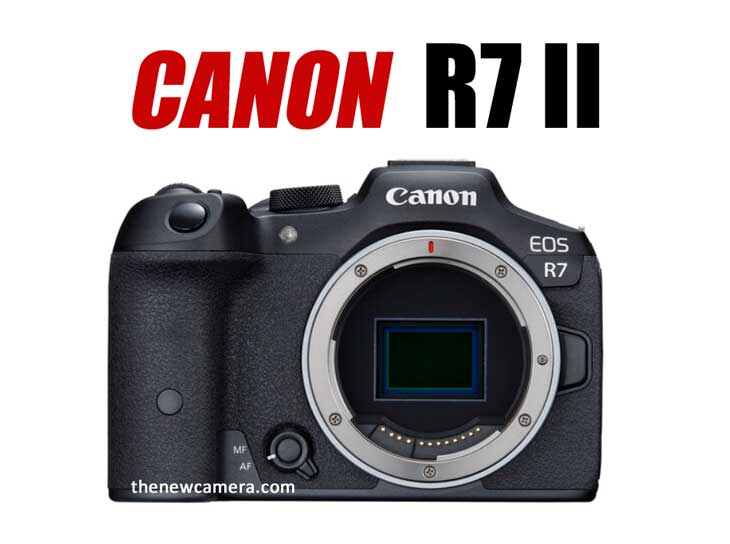
Canon R7 Mark II and R6 Mark III – 2025 Announcement Delays, Rumored Specs, and What to Expect
The Best Canon Budget Zoom Lens for Beginners in 2025

By admin, on August 15th, 2025

Canon will finally wake up to challenge Sony’s dominance in the compact cinema camera market with their brand-new Cinema EOS camera. According to the latest rumours, we can expect its arrival in September 2025. Canon’s major announcement is expected ahead of IBC 2025, scheduled for September 12 to 15 in Amsterdam.
We have already covered Canon’s latest registered cameras in the past, including updates in the months of May, June, and July. Based on the registered camera codes, Canon does have three different Cinema EOS cameras in the announcement pipeline, and two of them are Mirrorless.
In this article, we are going to synthesise everything — we will do a deep analysis of the set of information available to us by the registration of model codes, as well as the latest rumours we have from the Canon rumour mill, offering a very logical and evidence-based analysis of what we can expect in the upcoming releases.
Why Canon’s Compact Cinema Camera Is a Logical Next Step
Canon already has a Cinema EOS camera lineup of professional cameras, which includes the Canon C80 and C400. These are the most popular Canon cinema cameras as of now. But the compact cinema filmmaking market — like Sony’s FX series, which includes Sony FX3, FX30, and the Sony FX2 (which is further expanding) — remains untouched by Canon.
After the announcement of the Canon R50V camera, a $650 video-focused camera, they received massive success, and there’s a lot of demand among Canon users for the R50V. Now Canon wants to expand this series further. A dedicated Cinema EOS camera priced somewhere around $2000 to $2500 will target a huge consumer base of indie filmmakers as well as professional content creators. That’s going to fill a potential gap in Canon’s portfolio. If it utilises Canon’s existing RF lens ecosystem and advanced technology (including the DIGIC Accelerator chip Canon has developed), it will create a benchmark among other camera makers.
The Nikon ZR camera rumour is also making the rounds — Nikon is preparing to announce their first professional cinema Z-mount mirrorless camera later this year.
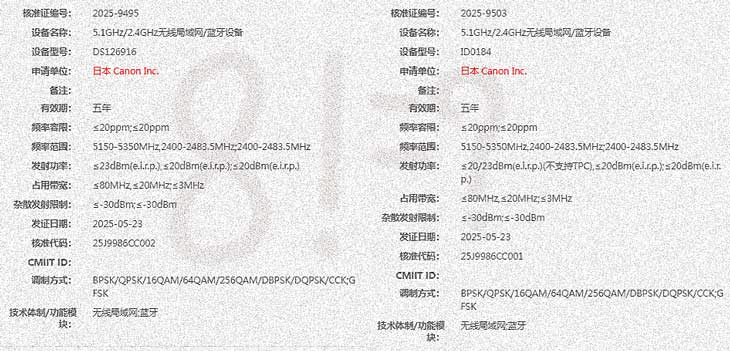 E88_8888 for sharing Details related to Canon Registered Camera models Camera Registration Dates: A Signal for a 2025 Launch
In our previous post, we covered in detail the list of cameras registered by Canon with wireless certification agencies. Now, in total, we have two mirrorless cameras in the announcement pipeline as well as three Cinema EOS cameras, making it a total of five unannounced Canon cameras. Here are some key facts:
Canon registered two new cameras with the wireless certification agency. Based on the model codes of the two cameras, it’s distinguishable that one is from their Cinema EOS line and the other is the RF mount, consumer mirrorless camera.
Canon has registered one more camera today, with the model code DS126936. As per the initial specifications, the camera resembles an entry-level model — either the full-frame Canon R8V or an APS-C line update, or the Canon R10 Mark II. Canon R10 was announced back in May 2022, due for an update
Canon updated the list of model codes in August 2025
- DS126922: EOS R5 II (Dual-band Wi-Fi 6 & Bluetooth)
- DS126928: EOS R1 (Dual-band Wi-Fi 6 & Bluetooth)
- DS126941: EOS R50 V (Dual-band Wi-Fi 5 & Bluetooth)
- DS126904: PowerShot V1 (Dual-band Wi-Fi 5 & Bluetooth)
- ID174: Unknown (Dual-band Wi-Fi 5) (Upcoming Cinema camera)
- ID179: Unknown (Dual-band Wi-Fi 5) (Upcoming Cinema camera)
- ID0814: Unknown (Dual-band Wi-Fi 5) (Upcoming Cinema camera)
- DS126916: Unknown (Dual-band Wi-Fi 5) (Upcoming Mirrorless)
- DS126936: Unknown (Dual-band Wi-Fi 5 & Bluetooth, in line with EOS R50V, EOS R8V)
As you can see, the registration of mirrorless cameras or cinema cameras by Canon usually happens prior to 3–4 months of their announcement, so the May registration completely aligns with a September 2025 reveal. A good thing is that we also have the IBC conference in September 2025, so Canon may use this platform to reveal one of their Cinema-related product announcements.
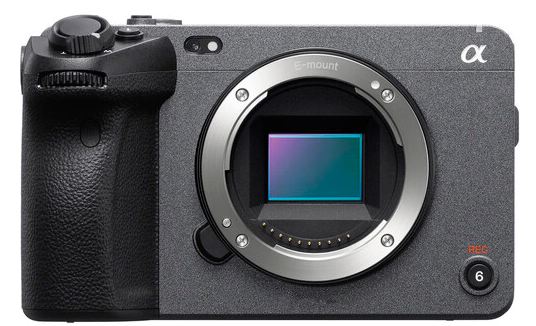
A Direct Competitor to Sony FX30 Is Coming
According to the latest rumours from the Canon rumour mill, Canon’s new Cinema EOS camera will feature a dedicated APS-C CMOS sensor optimised for cinematography. It will have dual gain circuitry paired with the DIGIC Accelerator, all designed to position it as a direct rival to the Sony FX30 (launched in 2022).
Let’s explore the expected specifications or key points of the rumoured upcoming camera:
- New APS-C Sensor: The camera will have a completely new sensor with faster readout speed, very much comparable to the Canon R1.
- Cinema EOS Branding: The camera will carry the Cinema EOS badge, meaning Canon will offer uncompromised video recording features without the historical “Canon Cripple Hammer” effect.
- Design and Features: You can consider it a mini C70 camera since it resembles that camera in design. It may include an optional tiltable EVF like the Sony FX2 and feature improved battery life over existing Canon hybrid models.
There is a high probability that this camera may arrive in September 2025 and be showcased at IBC 2025, as per the latest rumours.
Synthesising the Evidence and Creating a Cohesive Picture
Combining the registration details and the rumours about the upcoming camera, we get the following points:
- Registered Cameras Confirm Development: The registered camera with model code ID0184 (TheNewCamera.com, May 2025) points to a Cinema EOS camera ready to be announced in the later months of 2025. Recent rumours confirm it’s an APS-C cinema mirrorless camera. Further registration updates from June 2025 reveal that Canon has three cinema cameras in the announcement pipeline to strengthen its Cinema EOS lineup.
- APS-C Focused Cinema Camera Makes Strategic Sense: An APS-C sensor-based camera will be a perfect tool to compete against the existing Sony FX30 — one of Sony’s most loved and highly popular APS-C mirrorless cameras. Neither Canon nor Nikon currently has a direct competitor to the Sony FX30, which was launched back in 2022.
- IBC 2025 Timing: Historically, the IBC platform was never used by Canon for camera announcements — they have only announced lenses in the past. So it will be interesting to see if they break the trend and announce a new Cinema EOS product at IBC 2025.
- Potential Full-Frame Expansion: We were the first website to talk about the Canon R8 V camera. Canon not only needs to compete with the Sony FX30 but also with Sony’s FX3A and the recently announced budget-friendly Sony FX2. We’re expecting the arrival of a brand-new “V” series of cameras in the upcoming months from Canon.
Canon’s Upcoming APS-C Camera: Expected Core Specifications
- Sensor: A new APS-C sensor with EOS R1-level readout speed, supporting 4K 60p (oversampled from 6K) and possibly 4K 120p with a slight crop.
- Codecs: C-Log 3, 10-bit 4:2:2, and robust connectivity (HDMI 2.0, timecode support) for professional workflows.
- Storage: Dual SD card slots for reliable, cost-effective media.
- Battery: An upgraded battery for extended shooting, addressing limitations in Canon’s hybrid cameras.
- Form Factor: A compact, box-style design with an optional tiltable EVF, balancing portability and functionality.
Why This Camera Could Redefine the Market
Canon has already officially entered the professional-grade APS-C cinema camera market, starting with the announcement of the Canon R50V. We are expecting the expansion of the series and a direct competitor of Sony’s FX30 camera, and if that happens, then for sure, professional cinematographers, content creators, and documentary filmmakers will likely shift towards Canon’s ecosystem.
Canon has a huge range of RF lenses, and EF lenses are still widely available on a budget — usable via adapters. Canon’s colour science is already trusted and loved by professionals. Despite marketing suggesting otherwise, the RF mount is not entirely closed — you can still use EF DSLR lenses via adapters without compromise.
If Canon’s APS-C camera arrives to compete against the Sony FX30 — without falling victim to the “cripple hammer” in major core specs — and everything goes as predicted, it could certainly set a new benchmark in the cinema industry.
ABout the author: The article “Canon New Compact Cinema EOS Camera: What to Expect in September 2025” written and updated by thenewcamera.com team on 4:08 pm, Friday, 15 August 2025, Greenwich Mean Time (GMT) | Follow us for more updates and Get LIVE RUMORS –> FACEBOOK | TWITTER | INSTAGRAM to get live news — > get live Camera News + Canon Rumors 24X7.
source credit – Canonrumor (mentioned as Canon Rumour mill in the article )

By admin, on August 14th, 2025

We have covered the best available zoom lenses for Canon mirrorless cameras in 2025. So, if you are a beginner photographer and looking for the best budget Canon zoom lenses in 2025, then yes—you have reached the right article.
Now, in the Canon RF mount system—since it’s expanding rapidly—the good thing is that you can even use full-frame lenses on your APS-C bodies. And you can use these lenses for everyday shooting needs like portrait, landscape, wildlife, and sports photography.
In this detailed guide, we are going to dive deep to select the best Canon budget zoom lenses for beginners. Specifically, we will focus on options available under $500, based on real-world performance, user reviews, and key features such as focal length coverage, image stabilization, and build quality. We have covered every point to ensure the best recommendation for you.
Why Choose a Budget Zoom Lens for Canon RF Mount in 2025?
Budget zoom lenses are ideal for beginner photographers because they are not heavy on your pocket—that’s the first thing to consider. A beginner photographer isn’t always high on budget—price is the priority. After that, focal length coverage is the single most important factor. Other factors include a lightweight design and good optical quality.
The Canon RF mount has matured with more affordable options. The lens range includes Canon APS-C as well as full-frame lenses, and all these lenses will pair perfectly with your entry-level bodies like the Canon EOS R50 and Canon EOS R100.
The key factors to consider before buying a Canon beginner budget zoom lens:
- Affordability: A budget lens with maximum reach should be available under $500.
- Versatility: The most important factor is how much focal range you’re getting.
- Performance: Optical quality, autofocus speed, and optical image stabilization for sharp handheld shots are crucial.
- Compatibility: It should mount directly on your Canon RF camera with seamless integration—no adapters needed.
 Canon RF 75-300mm zoon lens sample image Top Pick: Canon RF 75-300mm f/4-5.6 – Best Telephoto Coverage Lens
Canon RF 75-300mm f/4-5.6 – If you are searching for the best Canon budget zoom lens in 2025 with exceptional coverage, then the top option is the Canon RF 75-300mm f/4-5.6 lens. This is a recently announced lens priced at only $290—a compact telephoto lens that features an extensive zoom range from 75 to 300mm.
Keep in mind, when using it on an APS-C camera, the equivalent focal length is approximately 120-480mm. Since it’s a full-frame lens, you’re getting a massive range on an APS-C body.
This lens is super powerful for capturing distant subjects like wildlife, sports events, and even for compressed portraits with beautiful background blur. At the same time, you can shoot stunning sunsets and sunrises with this lens—I’m telling you from personal experience.
So, this is the best coverage lens that comes with amazing reach, going far beyond the price of costly zoom lenses.
Key Specifications
- Focal Length: 75–300mm (120–480mm APS-C equivalent)
- Aperture: f/4–5.6
- Mount: Canon RF (Full-Frame)
- Autofocus: STM motor for smooth, silent operation
- Image Stabilization: No IS (pairs well with IBIS cameras)
- Price: $290
Pros and Cons
Pros:
- Superb value for reach and price
- Excellent telephoto coverage for wildlife and sports
- Sharp at mid-range apertures (f/8–f/11)
- Lightweight for a 300mm lens
- Perfectly compatible with APS-C and full-frame RF cameras
|
Cons:
- No image stabilization built-in
- Variable aperture not ideal for low-light
- Slight softness at maximum focal length when wide open
|
During hands-on tests, reviewers praised the overall balance of this lens. It is one of the best flexible entry-level options for nature and sports photography. Highly recommended for beginners, the lens encourages creativity when mounted on your Canon body. Overall, this is the best starting telephoto zoom lens for beginners in 2025.
 18-150mm Sample Image – camera body Canon R7 All-in-One Versatile Zoom Lens: Canon RF-S 18-150mm f/3.5-6.3 IS STM
Canon RF-S 18-150mm f/3.5-6.3 IS STM – Now, if you want an all-in-one lens and don’t want to swap lenses on your mirrorless entry-level body, this lens is for you. The Canon RF-S 18-150mm f/3.5-6.3 IS STM covers an ultra-wide range starting from 18mm to 150mm.
Although you’ll notice the telephoto reach isn’t as long as the 75–300mm lens, you get ultra-wide 18mm coverage, whereas the 75–300mm starts at 75mm, which is too narrow for group shots or indoor photography.
So, if you want a true all-rounder lens and can sacrifice a bit of telephoto reach, then the RF-S 18–150mm is the best walkaround lens for you. Use it for landscapes, street photography, and light telephoto work.
Key Specifications
- Focal Length: 18–150mm (29–240mm APS-C equivalent)
- Aperture: f/3.5–6.3
- Image Stabilization: 4.5 stops (up to 7 stops with IBIS)
- Weight: 310g
- Price: $499
Third-Party Budget Zoom Lenses for Canon RF Mount
In 2025, we will have several third-party options in the Canon RF mount ecosystem. Many prime lenses (single focal length) like 16mm, 24mm, 30mm, and 56mm have been announced, and now third-party zooms are catching up too.
Although Tamron is slightly behind Sigma in launching RF zoom lenses, both companies offer high-quality alternatives around the $500–600 mark. Here are two excellent choices:
This lens features a constant f/2.8 aperture, made with premium Sigma Japan optics. It produces ultra-sharp images and performs excellently in low-light scenarios. It’s one of the best lenses available for beginners and pros using an APS-C body who want a premium alternative to the kit zoom.
- Focal Length: 18–50mm (29–80mm equivalent)
- Aperture: f/2.8 constant
- Mount: RF-S
- Price: ~$549
Priced at $529, this is an ultra-wide zoom lens covering approx. 17–32mm full-frame equivalent. It’s one of the best lenses for ultra-wide shots, making it ideal for landscapes, vlogging, interior, and architecture photography.
- Focal Length: 11–20mm (APS-C)
- Aperture: f/2.8 constant
- Mount: RF-S
- Price: $529
Buying Guide: How to Choose the Best Budget Zoom Lens for Your Needs
- Budget: Stick to the $200–$500 range for best value.
- Camera Type: Using an APS-C body? Go for RF-S lenses. Full-frame? Choose RF lenses.
- Shooting Style:
- Wildlife/Sports → RF 75–300mm
- All-in-one travel → RF-S 18–150mm
- Vlogging/Landscape → Tamron 11–20mm
- Low-light/Portrait → Sigma 18–50mm f/2.8
These are the best lenses available for your Canon camera, but if you can increase your budget a bit more, then at $659 we have the Canon 100-400mm OIS lens, Highly recommended for sports and wildlife photography. This pro-grade optics-based lens features exceptional results, and even Canon R5 users are highly satisfied with its resolving power.
This was the guide for the best budget zoom lenses. Let your journey begin with the right gear in hand.
At TheNewCamera.com, we’re dedicated to keeping you informed about the latest camera news. The article “The Best Canon Budget Zoom Lens for Beginners in 2025” was published on 2:42 pm, Thursday, 14 August 2025, Greenwich Mean Time (GMT) by thenewcamera.com team | Follow us on our social pages FACEBOOK | TWITTER | INSTAGRAM to get live Camera News + Canon Rumors 24X7.
Best Instant Camera 2025
Best Compact Zoom Camera of 2025

|
KEEP THIS BLOG ALIVE - Support New Camera Buy Canon Lenses, Buy Music CD or Digital Camera at amazon it helps this site, and you do not pay anything extra, it is just a way to help support this site.

|