We are getting more confirmation about the Nikon Z30 camera design. As per the latest rumors surfaced over the web over rumor mills, Nikon Z30 will arrive in the first half of 2021 without EVF. We have already shown you the design that surfaced from patents 1 year ago
Nikon Mirrorless camera design without EVF. Take a look at the Nikon Z30 rumored specification.
Nikon Z30 Rumored Specification
24.2MP DX-Format CMOS Sensor
4k 24p, 30p
Full HD 1080p Video Recording at 60 fps
3.2″ 1.04m-dot LCD screen
HDMI CABLE HC-E1 / USB is Type-C. / Compatible with stereo microphone ME-1,
Single SD memory card slot (UHS-I )
Stay with us. We will post leaked images and Full specifications of the Nikon Z30 as soon as we get it.
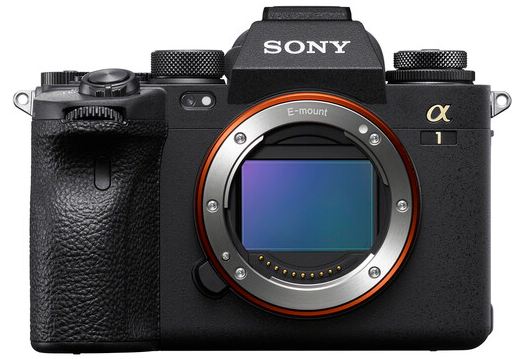
The short answer is no, you can record 8k videos for more than 1 hour under normal room temperature. The Sony A1 camera uses a very effective heat sink unit that prevents the camera from overheating and allows it to quickly cool down when being uses for a prolonged period of time. If you will use a dummy battery inside the camera the recording time goes up to approx 3 Hours in 8k video mode.
TNC-exclusive A list of New M4/3 sensors that may get used in upcoming MFT cameras. All the sensor you can see below are new, upcoming Panasonic GH6, GX10, and many more cameras may use some of the new sensors for improving video resolution.
New 4/3 Sensore list with higher resolution
S/No
Pixels
Res.
Chroma
Size
Max FPS
Shutter Type
IMX492LQJ-C
47.08MP
8192×5556
Color
4/3″
24.17
Rolling
IMX530-AAQJ-C
24.55MP
5328×4608
Color
4/3″
98
Global
IMX540-AAQJ-C
24.55MP
5328×4608
Color
4/3″
34.9
Global
Sensor Already in use
Now the list of that sensor which already being used in some of the most popular Micro Four third cameras made by Panasonic
IMX294CJK-C
10.71MP
3728×2814
Color
4/3″
60
Rolling
IMX367LQA-C
19.66MP
4416×4428
Color
4/3″
43
Global
IMX387LQA-C
16.88MP
5456×3076
Color
4/3″
40.4
Global
Sony IMX594CAR sensor deleted from Sony database. Sony deleted the IMX 594CQR a 41.2MP 4/3 format sensor from their database which was surfaced in Sep 2019.
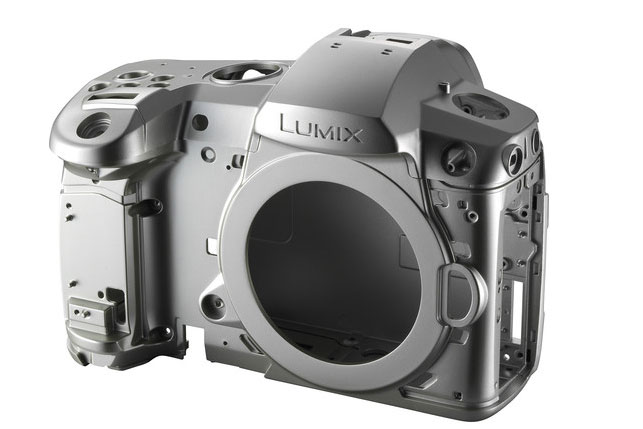
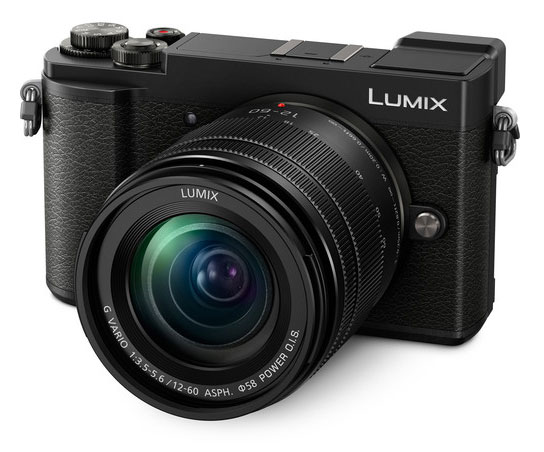
As per the latest rumors coming, the Panasonic GX10 camera is expected to arrive in Q4 of 2021. As per the latest rumors surfaced over the web the prototypes of the camera do exist in the wild. No further details available about the core specification of the camera, we will update you soon as we get any new updates.
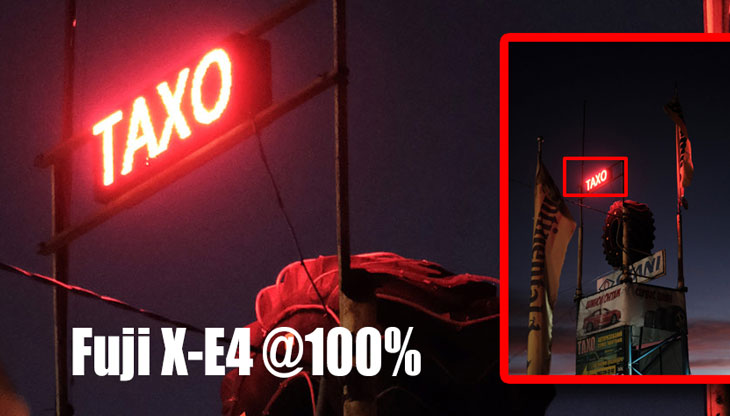
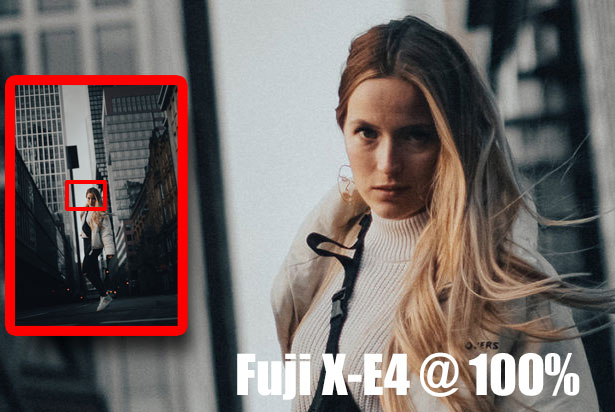
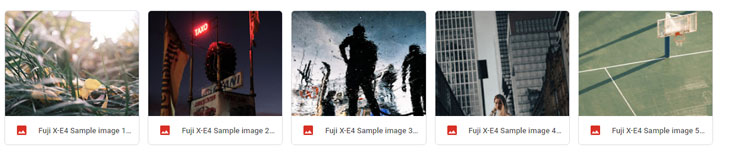
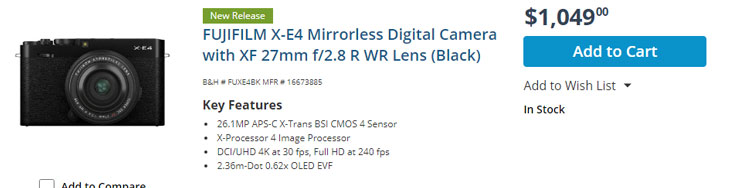
Fuji X-E4 camera sample images available here. Take a look at the full resolution sample images of the Fuji X-E4 camera and do share your thoughts with us about the camera. The Fuji X-E4 is Fuji one of the best APS-C cameras for mid-range shooters and bloggers fuji ever made. With an upscaled AF system of Fuji X-S10 / S-T4 and class-leading 26MP BSI CMOS sensor Fuji X-E4 will become the market leader in its price segment soon.
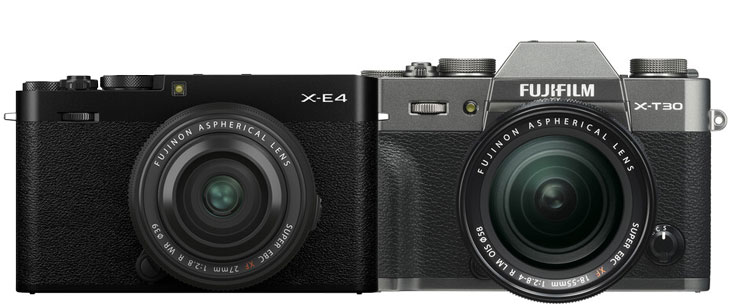
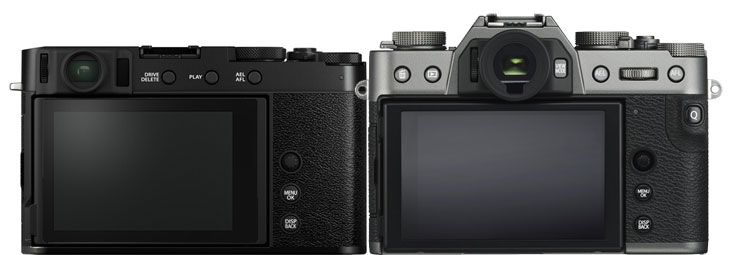
Fuji X-E4 vs Fuji X-T30 – Fuji X-T30 is one of the most popular cameras in the int’s price segment. After the announcement of the Fuji X-E4 camera I am getting lots of queries but uses that Should I buy Fuji F-Xt30 camera or wait for the Fuji X-E4 camera. We have compared the Fuji X-E4 versus Fuji X-T30 now let’s find out the best camera for you.
Fuji X E4 camera features almost identical core specifications as we have in the Fuji X-t30 camera. Even though there are a lot of similarities between the two, but we do some significant differences also. In this comparison review, we will be going to find out the major differences at why you should pick Fuji X-E4 camera instead of using xt30
1. Image sensor
The image sensor of both the camera is exactly the same, both cameras are using a future ultra popular and reliable 26 megapixels BSI CMOS X-Trans sensor. the sensor was first introduced in the Fuji X-T3 camera. After that, the 26-megapixel sensor used widely in Fuji flagship, midrange, and entry-level mirrorless camera systems. And finally, the X-E series of Fuji also got updated with the same sensor.
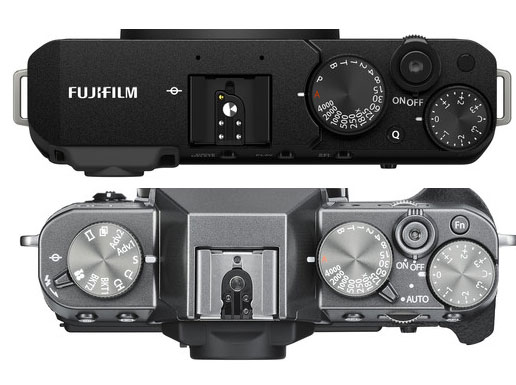
Fuji X-T30 offers more manual control than of Fuji X-E4 camera. Fuji better choice for still shooters.
Fuji X-E4
Fuji X-T30
Lens Mount
FUJIFILM X
FUJIFILM X
Camera Format
APS-C (1.5x Crop Factor)
APS-C (1.5x Crop Factor)
Sensor Resolution
Effective: 26.1 Megapixel (6240 x 4160)
Effective: 26.1 Megapixel
Aspect Ratio
1:1, 3:2, 16:9
1:1, 3:2, 16:9
Sensor Type
CMOS
CMOS
Sensor Size
23.5 x 15.6 mm
23.5 x 15.6 mm
Image File Format
JPEG, Raw
JPEG, Raw
Bit Depth
14-Bit
14-Bit
Image Stabilization
None
None
2. Iso settings and more
Since the sensor is the same, and the image processor used inside both the camera is exactly the same so the ISO range of both Fuji xt30 and Fuji X-E4 camera remains exactly the same.
Fuji introduced a new mechanical shutter inside the Fuji X-E4 camera as you can see in the specs table below the range of the mechanical sector is increased.
Continuous shooting speed of both the camera or you can say the burst speed of both cameras is also exactly the same as of each other. Metering modes, exposure modes, and even the exposure compensation. each and every value of both the camera is exactly the same.
Fuji X-E4 features vlogging friendly screen and X-T30 viewfinder in the center, As a still shooter one should pick the X-T30, and for bloggers X-E4 is more recommended.
Fuji X-E4
Fuji X-T30
ISO Sensitivity
Auto, 160 to 12800 (Extended: 80 to 51200)
Auto, 160 to 12800 (Extended: 80 to 51200)
Shutter Speed
Mechanical Shutter
1/4000 to 3600 Seconds
1/4000 to 4 Seconds in Program Mode
1/4000 to 30 Seconds in Aperture Priority Mode
0 to 60 Minutes in Bulb Mode Electronic Shutter
1/32000 to 900 Seconds
1/32000 to 4 Seconds in Program Mode
1/32000 to 30 Seconds in Aperture Priority Mode
1 to 1 Second in Bulb Mode
1/4000 to 1/24 Second in Movie Mode
Mechanical Shutter
1/4000 to 900 Seconds Electronic Shutter
1/32000 to 900 Seconds Electronic Front Curtain Shutter
0 to 60 Minutes in Bulb Mode
Automatic Scene Recognition, Color Temperature, Custom, Fine, Fluorescent (Cool White), Fluorescent (Daylight), Fluorescent (Warm White), Incandescent, Shade, Underwater
Automatic Scene Recognition, Color Temperature, Custom, Fine, Fluorescent (Cool White), Fluorescent (Daylight), Fluorescent (Warm White), Incandescent, Shade, Underwater
Continuous Shooting
Mechanical Shutter
Up to 8 fps at 26.1 MP for up to 105 Frames (JPEG) / 18 Frames (Raw)
Up to 5 fps at 26.1 MP for up to 458 Frames (JPEG) / 24 Frames (Raw)
Up to 4 fps at 26.1 MP for Unlimited Frames (JPEG) / 28 Frames (Raw)
Up to 3 fps at 26.1 MP for Unlimited Frames (JPEG) / 34 Frames (Raw) Electronic Shutter
Up to 20 fps at 26.1 MP for up to 32 Frames (JPEG) / 17 Frames (Raw)
Up to 10 fps at 26.1 MP for up to 81 Frames (JPEG) / 18 Frames (Raw) Electronic Shutter
Up to 30 fps at 16.6 MP for up to 29 Frames (JPEG) / 17 Frames (Raw)
Up to 20 fps at 16.6 MP for up to 79 Frames (JPEG) / 17 Frames (Raw)
Up to 10 fps at 16.6 MP for up to 153 Frames (JPEG) / 18 Frames (Raw)
Up to 8 fps at 26.1 MP for up to 90 Frames (JPEG) / 18 Frames (Raw)
Up to 5 fps at 26.1 MP
Up to 4 fps at 26.1 MP
Up to 3 fps at 26.1 MP
Up to 20 fps at 26.1 MP for up to 32 Frames (JPEG) / 17 Frames (Raw)
Up to 10 fps at 26.1 MP for up to 81 Frames (JPEG) / 17 Frames (Raw)
Up to 30 fps at 16.6 MP for up to 26 Frames (JPEG) / 17 Frames (Raw)
Up to 20 fps at 16.6 MP for up to 53 Frames (JPEG) / 17 Frames (Raw)
Up to 10 fps at 16.6 MP for up to 95 Frames (JPEG) / 18 Frames (Raw)
Interval Recording
Yes
Yes
Self-Timer
2/10-Second Delay
2/10-Second Delay
3. Fuji X-E4 Recording Time Limit
The Fuji X-E4 camera features a full HD video recording option of 240 frames per, the Fuji X-T30 camera remains limited to 120FPS Full HD video mode.
One of the major differences between these two camera video modes is the recording time limit. As you can see in the specification table below, the Fuji X-T30 recording time limit of 4K and Full HD is variable. On the other side, we have the Fuji X-E4 Recording time limit is 30 Minutes in Full HD and 4k video modes.
Introduction of 240FPS @ Full HD in Fuji X-E4 camera. With the new 240FPS frame rates you can create super Slo-Mo Full HD videos. The Fuji X-T3 camera remains limited to 120FPS in Ful HD.
Fuji X-E4
Fuji X-T30
Recording Modes
H.264/MOV 4:2:0 8-Bit
DCI 4K (4096 x 2160) at 23.976p/24.00p/25p/29.97p [100 to 200 Mb/s]
UHD 4K (3840 x 2160) at 23.976p/24.00p/25p/29.97p [100 to 200 Mb/s]
DCI 2K (2048 x 1080) at 23.976p/24.00p/25p/29.97p/50p/59.94p [50 to 200 Mb/s]
Full HD (1920 x 1080) at 23.976p/24.00p/25p/29.97p/50p/59.94p/100p/119.88p/200p/239.76p [100 to 200 Mb/s]
MOV/H.264
DCI 4K (4096 x 2160) at 23.976p/24.00p/25p/29.97p [100 to 200 Mb/s]
UHD 4K (3840 x 2160) at 23.976p/24.00p/25p/29.97p [100 to 200 Mb/s]
DCI 2K (2048 x 1080) at 23.976p/24.00p/25p/29.97p/50p/59.94p [100 to 200 Mb/s]
Full HD (1920 x 1080) at 23.976p/24.00p/25p/29.97p/50p/59.94p [100 to 200 Mb/s]
Full HD (1920 x 1080) at 100p/119.88p [200 Mb/s]
External Recording Modes
4:2:2 10-Bit
DCI 4K (4096 x 2160) at 23.976p/24.00p/25p/29.97p
UHD 4K (3840 x 2160) at 23.976p/24.00p/25p/29.97p
DCI 2K (2048 x 1080) at 23.976p/24.00p/25p/29.97p/50p/59.94p
Full HD (1920 x 1080) at 23.976p/24.00p/25p/29.97p/50p/59.94p/100p/120p
4:2:2 10-Bit
DCI 4K (4096 x 2160) at 23.976p/24.00p/25p/29.97p
UHD 4K (3840 x 2160) at 23.976p/24.00p/25p/29.97p
DCI 2K (2048 x 1080) at 23.976p/24.00p/25p/29.97p/50p/59.94p
Full HD (1920 x 1080) at 23.976p/24.00p/25p/29.97p/50p/59.94p
Full HD (1920 x 1080) at 100p/120p
Recording Limit
Up to 30 Minutes
Up to 10 Minutes for DCI 4K (4096 x 2160)
Up to 10 Minutes for UHD 4K (3840 x 2160)
Up to 15 Minutes for DCI 2K (2048 x 1080)
Up to 15 Minutes for Full HD (1920 x 1080)
240p / 200p 200Mbps(recording) up to approx. 3min.
120p / 100p 200Mbps(recording) up to approx. 6min.
[Full HD(1920×1080) High speed rec.]
120p/100p 200Mbps(recording) up to approx. 6min.
Recording Time Limit Details
[DCI 4K(4096 x 2160)] 29.97p/25p/24p/23.98p 200Mbps/100Mbps up to approx. 30min.
[4K(3840 x 2160)] 29.97p/25p/24p/23.98p 200Mbps/100Mbps up to approx. 30min.
[Full HD(2048 x 1080)] 59.94p/50p/29.97p/25p/24p/23.98p 200Mbps/100Mbps/50Mbps up to approx. 30min.
[Full HD(1920 x 1080)] 59.94p/50p/29.97p/25p/24p/23.98p 200Mbps/100Mbps/50Mbps up to approx. 30min.
[Full HD(1920 x 1080) High speed rec.]
[DCI 4K(4096×2160)]
29.97p/25p/24p/23.98p 200Mbps/100Mbps up to approx. 10min[4K(3840×2160)]
29.97p/25p/24p/23.98p 200Mbps/100Mbps up to approx. 10min[Full HD(2048 ×1080)]
59.94p/50p/29.97p/25p/24p/23.98p 200Mbps/100Mbps up to approx. 15min.[Full HD(1920×1080)]
59.94p/50p/29.97p/25p/24p/23.98p 200Mbps/100Mbps up to approx. 15min.
The Fuji X-E4 camera arrived with upscaled AF algorithms, which includes enhanced object tracking in video mode and AF lock speed, just like we have in the Fuji X-T4 Mirrorless camera.
Fuji X-E4
Fuji X-T30
Focus Type
Auto and Manual Focus
Auto and Manual Focus
Focus Mode
Continuous-Servo AF (C), Manual Focus (M), Single-Servo AF (S)
Continuous-Servo AF (C), Manual Focus (M), Single-Servo AF (S)
Autofocus Points
Phase Detection: 425
Phase Detection: 425
4. Size and weight
Size-wise we have very little difference between the two and the same with the weight of both the camera.s
Fuji X-E4
Fuji X-T30
Battery
1 x NP-W126S Rechargeable Lithium-Ion, 7.2 VDC, 1260 mAh (Approx. 380 Shots)
1 x NP-W126S Rechargeable Lithium-Ion, 7.2 VDC, 1260 mAh
Dimensions (W x H x D)
4.8 x 2.9 x 1.3″ / 121.3 x 72.9 x 32.7 mm
4.7 x 3.3 x 1.8″ / 118.4 x 82.8 x 46.8 mm
Weight
12.8 oz / 364 g (Body with Battery and Memory)
13.51 oz / 383 g (Body with Battery and Memory)
Verdict: For Photographers the Fuji X-T30 camera will be more suitable since the still specification is almost the same, but the X-T30 has a bit better design and viewfinder placement. For VLoggers and videographers/cinematographers Fuji X-E4 is an excellent choice.
Sony recently registered a new camera at a wireless certification agency. The Model Code of the camera is WW356015. So, now we have a total of 5 New cameras in the announcement pipeline from Sony. Take a look at the list of Sony to be announced cameras.
1. Sony Upcoming Camera Models list
“WW447485” with 5GHz Wi-Fi (Higher End camera)
“WW728473” 5GHz Wi-Fi (Higher End camera)
“WW356015” 2.4GHz (RX series or APS-C Mirrorless)
“WW186333” 2.4GHz (RX series or APS-C Mirrorless)
“WW111327” 2.4GHz (RX series or APS-C Mirrorless)
In general, when Sony registers a camera, they take less than 3 months of time to announce the product officially. Rest depends on the Sony Marketing team when they want to announce the product.
For example, the Sony A7s III announcement was intentionally delayed by the marketing team due to the absence of proper market competitors in that category.
Sony does, incremental updates when they feel they have very limited competition. That’s why the Sony A7 IV camera RX100 series updated was delayed and the same in the case of the RX10 and RX1 series. This year we will have the announcement of the Sony A7IV and RX100 VIII camera, but again with limited updates in the core specs.
3. A Major Update to the Sony APS-C Mirrorless line-up coming
As per the latest rumors we have, we will see a Major core specs update in the Sony APS-C Mirrorless camera line-up. A week ago, a rumor surfaced over the web related to the upcoming Sony A7400 / Sony A6400 II camera with a built-in IBIS unit and 4:2:0 10bit internal recording. But, the rumor looks not so credible to us, so we haven’t decided to publish that 😉
More updates are on the way, we will publish them soon.
Buy Canon Lenses, Buy Music CD or Digital Camera at amazon it helps this site, and you do not pay anything extra, it is just a way to help support this site.
New Camera Website, we list all type of new camera information, price review and all type camera rumors, subscribe us or follow us via twitter or facebook.
Disclaimer: We have attempted to select useful information to include on New Camera, and to ensure that the resources we have included on the site -- as well as the way we have described them -- are accurate, fair, and balanced. However, we make no claims, warranties, or other representations concerning the accuracy, completeness, or utility of the information provided, or concerning the abilities or performance of the organizations, agencies, companies, and other resources presented through New Camera