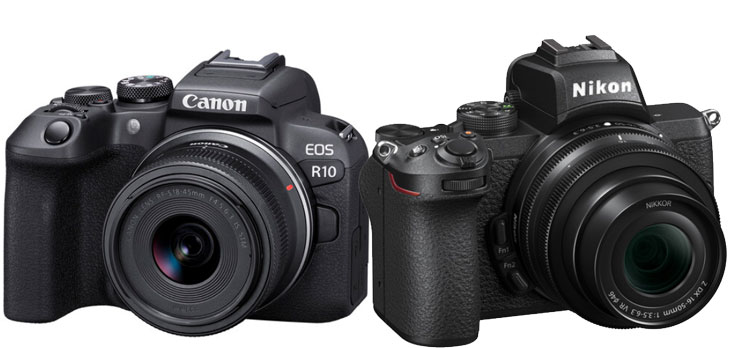
Let’s compare the Canon R10 vs the Nikon Z50 camera. Let’s discuss the major difference between the two. As we know the Canon R10 arrived with a conventional CMOS sensor and due to that Nikon Z50 is able to create space again with its low-light advantage
Lens Mount
Canon RF
Nikon Z
Sensor Resolution
Actual: 25.5 Megapixel
Effective: 24.2 Megapixel
Actual: 21.51 Megapixel
Effective: 20.9 Megapixel (5568 x 3712)
Sensor Type
22.3 x 14.9 mm (APS-C) CMOS
23.5 x 15.7 mm (APS-C) CMOS
Crop Factor
1.6x
1.5x
Image Stabilization
Digital (Video Only)
Digital (Video Only)
Built-In ND Filter
None
None
Capture Type
Stills & Video
Stills & Video
Image sensor & Low-light performance
Both sensors are made on conventional CMOS Sensor technology. None of them features a BSI sensor. But if we consider the two most important factors that we have here is
1. Expandable ISO range
2. 12% larger sensor pixel in Nikon Z50
Due to the larger pixel area, the sensor can grab more light compared to Canon R10 Sensor. And hence we do expect despite the refinements Canon has done with the R10 sensor despite keeping the sensor core technology the same. We will see at least 1 stop of improvement in the Nikon Z50 low light performance compared to the Canon R10
Canon R10 Has arrived on the market but
If you are more concerned about the low light performance of the camera then even in 2022, Nikon Z50 is an excellent option for photographers.
If ur having doubts about the AF performance then don’t worry the AF performance of the camera is much improved after the Nikon firmware 2.2 updates. The camera is now able to track animals’ eyes too. The overall AI AF of the camera is also much improved.
Slightly more rich Lens ECO system in Nikon – Right now if we compare the Canon RF mount ECO system vs Nikon Z mount ECO system the Nikon is now a collaboration with Tamron and they have started with 28-75 F2.8. Not only that, Viltrox also has an amazing range of Nikon Primes right now.
Yes, we do have rumors about Viltrox lenses coming for RF Mount too, but if someone is planning to buy Nikon Z50 right now, then its more feasible to buy the Nikon Z50 camera only for photography purposes (Like weddings, street, and Portraits)
Canon R10 For Sports Shooter. Wildlife Photographers
Canon R10 has just arrived with class-leading AF performance., Canon implemented DPAF gen 2 inside Canon R10 & R7 both. According to Canon’s official press release, the AF performance of the recently announced Canon R10 and Canon R7 cameras is similar to Canon EOS R3 camera. Although we never consider it exactly similar neither they can perform so, due to the lack of a Stacked CMOS sensor like we have in the Canon R3.
651 AF Zones inside Canon R10
Yes, we have 651 AF Zones inside the Canon R10 camera which is comprised of more than 2.9k DPAF points. The AF tracking mode has dedicated 3d subject tracking modes in the Canon R10 camera. Whereas our Nikon Z50 is limited to 205 Hybrid AF points.
Overall, we can say that the AF system of the Nikon Z50 after the arrival of firmware F2.2 has become very usable but the Canon R10 AF system is phenomenal and the best in its class.
Focus Type
Auto and Manual Focus
Auto and Manual Focus
Focus Mode
Continuous-Servo AF, Manual Focus, Single-Servo AF
Automatic, Continuous-Servo AF, Full-Time Servo, Manual Focus, Single-Servo AF
Autofocus Points
Photo, Video
Phase Detection: 651 AF Zones
Phase Detection: 209
Autofocus Sensitivity
-4 to +20 EV
-2 to +19 EV
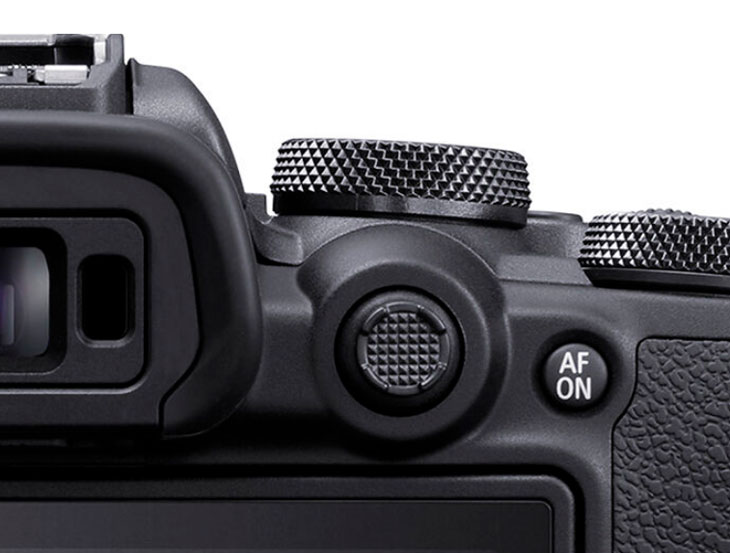
Canon R10 also features a Joystick controller on the rear side of the camera. A helpful tool for professional photographers is now available in the mid-range cameras.
Canon R10 Fastest in its Class
However, being said, if we talk about the stats of the Canon R10 camera, in continuous shooting mode the camera is able to capture 23 Frames @ elec. shutter and 15 FPS with the help of a mechanical shutter. The Buffer depth is also very usable and ur able to capture up to 70 JPEG files @ 23 FPS and up to 450+ files @ 15fps in a single burst.
Either ur shooting at 23 FPS or 15 FPS, the DPAF system is fully active and tracks moving 3d subjects very well.
Electronic Shutter
Up to 23 fps at 24.2 MP for up to 70 Frames (JPEG) / 21 Frames (Raw) Mechanical Shutter
Up to 15 fps at 24.2 MP for up to 460 Frames (JPEG) / 29 Frames (Raw)
Up to 11 fps at 20.9 MP
Up to 5 fps at 20.9 MP
Up to 4 fps at 20.9 MP
Up to 30 fps at 8 MP
Best Camera to capture Video
Canon R10 is the best camera to capture High-Quality video, let me explain this. When we are comparing Nikon Z50 and Canon R10 then we will consider both the features and the limitations, let’s discuss the both
Both of them create 4k videos via the oversampling method. Although in Canon R10, we get an option to record 4K 24 / 30 fps video in 10bit format, and in Nikon Z50 we are limited to 8bit. None of them allow us to use Log files from them. And finally, with the Canon R10, we also have an option to record 4K 60p video @ 1.56x crop (although it’s not that usable with the crops factor) but yes we are getting, at least an option that is not available in Nikon Z50 camera.
With Canon HDRPQ mode the Canon R10 is able to record 10Bit videos in H.265 codec @ 170Mbps. So, 10bit in any form is very useful if you know the difference between the 10bit and 8bit video files.
No recording limit, Canon has revoked the recording limit of the recently announced cameras, both the Canon R10 and Canon R7 don’t have any recording limit. But, in the Nikon Z50 camera, we do get a recording time limit of 30min.
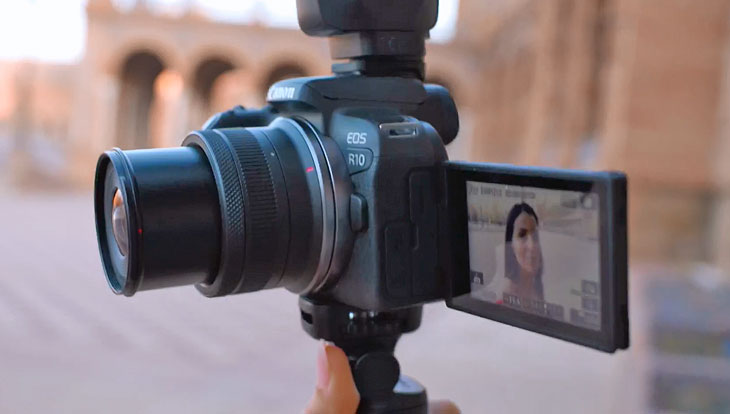
Perfect for Vloggers with a vari-angle display screen.
Recording Modes
H.264/MP4 4:2:0 8-Bit
UHD 4K (3840 x 2160) at 23.98p/25p/29.97p/59.94p
Full HD (1920 x 1080) at 23.98p/25p/29.97p/50p/59.94p/100p/119.88p H.265/MP4 4:2:2 10-Bit
UHD 4K (3840 x 2160) at 23.98p/25p/29.97p/50p/59.94p
Full HD (1920 x 1080) at 23.98p/25p/29.97p/50p/59.94p/100p/119.88p
MOV/MP4/H.264
UHD 4K (3840 x 2160) at 23.98p/25p/29.97p
Full HD (1920 x 1080) at 23.98p/25p/29.97p/50p/59.94p/100p/119.88p
Gamma Curve
HDR-PQ
NA
Video System
NTSC/PAL
NTSC/PAL
Limit
No limit
30 Min
Audio Recording
MP4: 2-Channel AAC Audio
AAC Audio
LPCM Audio
Verdict:
For general purpose photography the Nikon Z50 camera is still usable and you can buy that camera if you want to, the added advantage you will have with the Nikon Z50 camera is the 1 stop better low-light performance. The Z50 AF has improved from the time of announcement and now it has become usable to max extent.
Those Who are Hybrid Shooters (Photo Video both), Contest creators aka YouTubers, Sports shooters, and wildlife photographers, we recommend you to get associated with the Canon R10 camera.
let’s compare the Sony A6400 camera with Canon R10. Camera. Let’s try to find out the major difference between the two cameras. Both of the cameras features conventional; CMOS Sensor, so you will get approx the same image quality from both the camera
Before we jump to the core specification let’s discuss the design part of both the camera.
1. Few Canon R10 Design features that impressed me a lot, which include
1.1 DSLR style hand-grip of the Canon R10 Camera
1.2 Joystick controller on the rear part of the camera
1.3 Placement of Viewfinder on Sony A6400 is on the extreme left, and in Canon R10 it is center.
1.4 Vari-angle display screen required for vlogging, with a Sony A6400 180 degree screen you have to face a few issues as your display will get blocked when you will use any type of microphone over the camera.
We also have a built-in flash in Canon R10, although I never recommend anyone to use those, At least buy some godox flashes if you want to use flash in photography.
For the first time a multi-function Hotshoe in Canon R10, although the Sony A6400 camera does have that. But, for the first time, Canon has to introduce and we have mentioned that.
2. Can Sony A6400 flip the Game?
2.1. The weather-sealed body
Sony A6400 camera features a weather-sealed body design, if your camera is weatherproof then for sure it will be more durable compared to the camera which is not so. Although to make it a complete weather-sealed package you have to invest in super expensive lenses which is not so possible if you planning to make an entire thing within a budget.
3. Missing the BSI and Stack Keywords in Sensor description?
Canon R10
Sony A6400
Lens Mount
Canon RF
Sony E
Sensor Resolution
Actual: 25.5 Megapixel
Effective: 24.2 Megapixel
Actual: 25 Megapixel
Effective: 24.2 Megapixel (6000 x 4000)
Sensor Type
22.3 x 14.9 mm (APS-C) CMOS
23.5 x 15.6 mm (APS-C) CMOS
Crop Factor
1.6x
1.5x
Image Stabilization
Digital (Video Only)
Digital (Video Only)
Built-In ND Filter
None
None
Capture Type
Stills & Video
Stills & Video
4. Redesigned Sensor in Canon R10
Canon R10 sensor is not the same sensor you have seen in the previous models, Canon has updated the microlenses of the sensor for more sharpness. So, Canon R10 with new RF lenses will deliver more sharpness compared to Canon’s previous generation of 24MP DPAF Sensors.
Focus Type
Auto and Manual Focus
Auto and Manual Focus
Focus Mode
Continuous-Servo AF, Manual Focus, Single-Servo AF
Automatic, Continuous-Servo AF, Direct Manual Focus, Manual Focus, Single-Servo AF
Autofocus Points
Photo, Video
Phase Detection: 651
Phase Detection: 425
Contrast Detection: 425
Autofocus Sensitivity
-4 to +20 EV
-2 to +20 EV
Canon added DPAF generation 2 inside the camera. With the addition of the Canon DPAF 2, the camera AI AF (artificially intelligence Autofocus) is now upscaled to the next level. Canon says they have added the same AF algo as they have used inside the Canon’s R3 camera.
5. AutoFocus Comparison
Canon R10 – With the introduction of the new DPAF system, We are now getting 651 AF zones in the Canon R10 Sensor, Earlier in the previous generation of Canon’s camera the AF Zones were limited to 143. The Canon R10 Sensor features more than 2.9K DPAF points which are grouped further into AF zones. The screen Coverage of the Canon R10 AF sensor is approx 100%, perfect for Wildlife shooters and sports photographers.
6. AF Modes in Canon R10
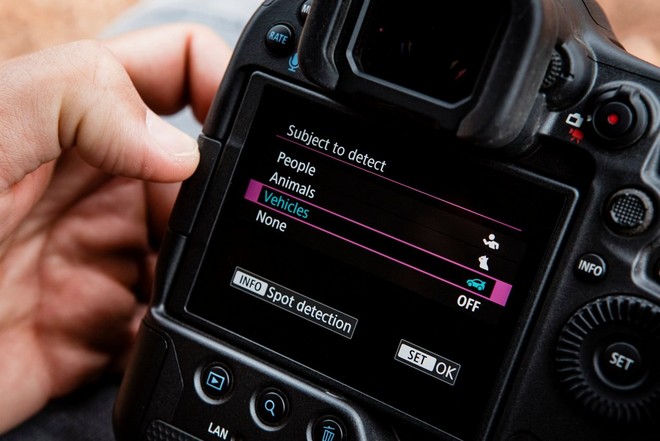
We have dedicated AF modes in the Canon R10 camera just like a Canon Professional DSLRs. The AF modes include People, Animals, Vehicles, and None. The Camera AI detects and keeps tracking the moving subject until the endpoint of the sensor frame.
Sony A6400 features 425 +425 Phase and contrast-detect AF points and covers approximately 84% of the sensor area. None of the dedicated AI AF modes are available inside the Sony A6400 camera and it needs an update.
If we compared all the info available to us, then we have a clear verdict that the AutoFocus System of the Canon R10 is much better and more advanced than the Sony A6400. But, it doesn’t mean the A6400 is inferior or unusable, it was a class-leading camera in in-terms AF performance before the announcement of the Canon R10.
Electronic Shutter
Up to 23 fps Mechanical Shutter
Up to 15 fps
Up to 11 fps
Interval Recording
Yes
Yes
Self-Timer
2/10-Second Delay
2/5/10-Second Delay
7. Camera with Fastest Burst Speed?
Sony A6400 was the fastest camera in its class, before the arrival Canon R10. Sony A6400 camera remains limited to 11fps whereas the Canon R10 camera is able to shoot up to 23 FPS with an Electronic shutter up to 15 fps with a mechanical shutter.
8. Buffer Comparison
Canon R10 Buffer
Sony A6400 Buffer
Electronic Shutter
Up to 23 fps at 24.2 MP for up to 70 Frames (JPEG) / 21 Frames (Raw) Mechanical Shutter
Up to 15 fps at 24.2 MP for up to 460 Frames (JPEG) / 29 Frames (Raw)
Up to 11 fps at 24.2 MP for up to 116 Frames (JPEG) / 46 Frames (Raw)
9. Which one is better? 8 Bit vs 10 Bit?
According to the standard definition we have while recording 10-bit Videos, you can utilize 1,024 levels per channel. As a result, you can record more than 1 billion colors on your footage and while recording the 8-bit videos can display over 16.7 million colors.
10. Oversampled 10 Bit Videos in Canon Camera?
We would like to inform you before we begin, The Canon R10 camera is Canon’s first Canon under $1000 range that offers Oversampling of 6k videos down to 4K, and not only that you will also get 4k 24, 30fps video in 10Bit MP4 format under HDRPQ mode with MAX bitrate of 170Mbps.
11. Best Budget Camera to Record 10Bit Videos?
With the Canon R10 Camera you are able to record 10-bit videos in HDRPQ format without any recording limit. So, when you will select the HDRPQ mode, you will get an option to record ultra high-quality 10bit 4k videos up to 30fps. The camera also has an option to record 4k 60fps but with an excessive 1.56x crop, so literally, it is not that usable.
12. Is Canon R10 safe from Cripple Hammer?
No, The Canon R10 isn’t safe from Canon Cripple Hammer. Since we don’t have any access to the log files of the Canon R10 camera. We are getting high Quality 10 BIT HDR Videos in MP4 format, but we don’t have any access to the log content inside the camera.
13. Best Video Camera Sony A6400 or Canon R10?
It depends on you, what you what to choose, on one side we have the Canon R10 camera with an option to record 10BIT videos in HDRPQ mode, and on the other side we have the Sony A6400 camera, limited to 8Bit, but we do have access to Slog and Slog 2. So, what do you want to choose a Camera with 10Bit but limited in MP4 format or a camera with 8 Bit and an open set of log files?
14. For fast-food lovers, the Canon R10 10bit is the best
If you are a vlogger, or wedding cinematographer and don’t have that much time to fight with log profiles and color – grading, better to eat a High-Quality pre-cooked food from Canon R10.
Recording Modes
H.264/MP4 4:2:0 8-Bit
UHD 4K (3840 x 2160) at 23.98p/25p/29.97p/59.94p
Full HD (1920 x 1080) at 23.98p/25p/29.97p/50p/59.94p/100p/119.88p H.265/MP4 4:2:2 10-Bit
UHD 4K (3840 x 2160) at 23.98p/25p/29.97p/50p/59.94p
Full HD (1920 x 1080) at 23.98p/25p/29.97p/50p/59.94p/100p/119.88p
XAVC S 4:2:0 8-Bit
UHD 4K (3840 x 2160) at 24.00p/25p/29.97p [60 to 100 Mb/s]
Full HD (1920 x 1080) at 23.98p/25p/29.97p/50p/59.94p/100p/119.88p [16 to 100 Mb/s]
Gamma Curve
HDR-PQ / Unlimited recording
Unlimited for UHD 4K (3840 x 2160) at 29.97p
Video System
NTSC/PAL
NTSC/PAL
Built-In Microphone Type
Stereo
Stereo
Audio Recording
MP4: 2-Channel AAC Audio
XAVC S: 2-Channel LPCM Audio
15. Sony has the best Lens ECO system right now
Sony has opened its lens mount details to third-party lens makers back in 2018. And that;’s why right now we have a bunch of high-quality Sony APS-C Range of lenses which includes Sigma 18-50mm F2.8, Sigma 16mm F1.4, Sigma 30mm F1.4, and Sigma 56mm F1.4 and not only that we also have lenses in Tamron like 17-70mm F2.8 OIS. So, even in the APS-C zone in sony, we do have a great range of lenses.
16. Canon open your Lens Mount Like Sony
Sony has a much better ECO system right now compared to Canon, now it’s time for Canon to open their lens mount and allow third-party lens makers to make their lenses freely without any trouble or any reverse engineering method.
Verdict:
If we compare the specification only on the still photography side then for sure for still shooters we highly recommend the Canon R10 camera, and even in the video if you like to have a 10Bit camera in the $1000 price range then for sure Canon R10 is the only choice we have. But as usual, we are not able to forget here the range of lenses available with Sony, and that will play a huge role while taking the final decision. Although, in Canon, we do have third-party lens makers like Viltro coming up with their lenses and also an option to use all DSLR lenses with an EF to EOS R adapter.
Canon R10
Sony A6400
Media/Memory Card Slot
Single Slot: SD/SDHC/SDXC (UHS-II)
Single Slot: SD/SDHC/SDXC/Memory Stick Duo Hybrid (UHS-I)
Video I/O
1 x Micro-HDMI Output
1 x Micro-HDMI Output
Audio I/O
1 x 1/8″ / 3.5 mm TRS Stereo Microphone Output
1 x 1/8″ / 3.5 mm TRS Stereo Microphone Input
Other I/O
1 x USB Type-C (USB 2.0) Input/Output
1 x USB Type-C (USB 3.2 / 3.1 Gen 1) Input/Output (Shared with Power Input)
Wireless
2.4 GHz Wi-Fi (802.11b/g)
Bluetooth
Bluetooth WiFi
Size
3.0″
3.0″
Resolution
1,040,000 Dot
921,600 Dot
Display Type
Free-Angle Tilting Touchscreen LCD
Articulating Touchscreen LCD
Type
Built-In Electronic (OLED)
Built-In Electronic
Resolution
2,360,000 Dot
2,359,296 Dot
Eye Point
22 mm
23 mm
Coverage
100%
100%
Magnification
Approx. 0.95x
Approx. 1.07x
Diopter Adjustment
-3 to +1
4 to +3
Built-In Flash
Yes
No
Guide Number
19.7′ / 6 m at ISO 100
Auto, Fill Flash, Off, Rear Sync, Slow Sync
Maximum Sync Speed
1/250 Second
1/160 Second
Flash Compensation
-3 to +3 EV (1/3, 1/2 EV Steps)
-3 to +3 EV (1/3 EV Steps)
Dedicated Flash System
eTTL
TTL
External Flash Connection
Hot Shoe
Intelligent Hot Shoe
Battery Type
1 x LP-E17 Rechargeable Lithium-Ion
1 x NP-FW50 Rechargeable Lithium-Ion, 7.2 VDC, 1080 mAh (Approx. 440 Shots)
Dimensions (W x H x D)
4.8 x 3.5 x 3.3″ / 122.5 x 87.8 x 83.4 mm
4.5 x 2.5 x 1.8″ / 115.2 x 64.2 x 44.8 mm
Weight
13.5 oz / 382.2 g (Body Only)
15.1 oz / 429.2 g (Body with Battery and Memory)
12.1 oz / 343 g (Body with Battery and Memory)
Hope you like this specification comparison.
How you can encourage us – Put A comment of appreciation or buy your next camera and lens from amazon or B&H Store and it will earn us an affiliate commission.
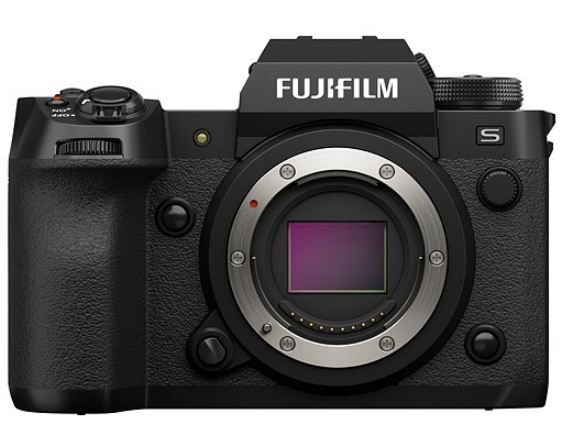
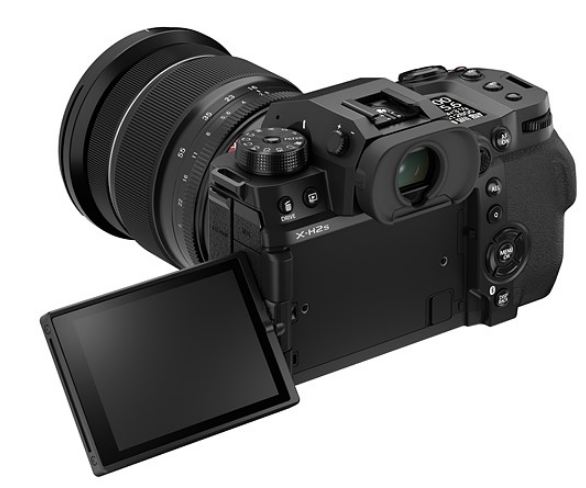
Due to the high amount of pre-orders of the new X-H2S as well as the new 150-600mm lens, the camera supply will be delayed. Take a look at the official press text issued by Fuji
Notice regarding supply of mirrorless digital camera “FUJIFILM X-H2S” and Fujinon lens “XF150-600mmF5.6-8 R LM OIS WR”
Dear customers
We would like to express our sincere gratitude for your continued patronage of Fujifilm products.
The following products released on July 14th (Thursday) have received more reservations than expected, and it may take some time before the products are delivered.
Mirrorless digital camera “FUJIFILM X-H2S”
FUJINON LENS “XF150-600mm F5.6-8 R LM OIS WR”
We will do our best to deliver it as soon as possible, and we appreciate your understanding.
Fuji announced a new camera today, the camera features a 26 MP stacked CMOS sensor. AF / AE tracking improved vastly due to the 2X faster image processor included inside. The camera has the ability to shoot 40 frames per second with full-time AI AF support. The 40fps and a buffer that allows up to 184 JPEG or 175 Raw files at this fastest rate, and over 1000 JPEGs or 400 Raw images at 15fps using its mechanical shutter.
The camera has the ability to Capture 6K video with the help of a new 26Mp Sensor and a new 2X image processor. The X-H2S can capture DCI or UHD 4Kat up to 60p using the entire width of its sensor to give footage sampled from 6.2K width. It can also shoot 3:2 6.2K footage using its entire sensor area or 4K at up to 120p from a 1.29x cropped area. Footage can be recorded in a choice of 8-bit H.264, 10-bit H.625 or ProRes 422HQ, 422 or 422 LT with the option of ProRes Proxy capture in parallel. 4K at up to 120p can be output over HDMI or a Raw stream for encoding as ProRes RAW or BRaw using external recorders. Means a perfect Cinema camera for Fuji Lovers.
An 18-120mm F4 power zoom lens has been launched alongside the camera, as has a 150-600mm F5.6-8.0 super-tele zoom.The Fujifilm X-H2S will be available from early July at a recommended price of $2499.
Fuji X-H2S Press Release
Fujifilm Introduces X-H2S Mirrorless Digital Camera
New flagship camera features enhanced still and video capabilities
Valhalla, N.Y., May 31, 2022 – FUJIFILM North America Corporation today announced the launch of its next flagship X Series mirrorless digital camera, FUJIFILM X-H2S (X- H2S). The most advanced X Series mirrorless camera yet, X-H2S includes advanced features for both still photography and video. It is also the first APS-C digital camera of its kind to feature Fujifilm’s 26.16MP X-TransTM CMOS 5 HS imaging sensor, a stacked, back-side illuminated imaging sensor with a signal reading speed up to four times faster than Fujifilm’s previous X-TransTM CMOS 4*1.
X-TransTM CMOS 5, combined with the newly minted X-Processor 5 (which doubles the camera’s processing power compared to X-Processor 4), greatly enhances overall image fidelity at lower ISOs and reduces noise at higher ISOs. Subject-detection AF, which maximizes the tracking speed and accuracy of moving subjects is now made possible through the incorporation of an AI processor.
For video, X-Processor 5 enables the recording of 10-bit 4:2:2 video in resolutions up to 6.2K/30P and frame rates as fast as 4K/120P and FHD/240p. Support for professional codecs, like Apple ProRes HQ/ Pro Res 422/ Pro Res LT, provide incredible flexibility within post-production workflows, while also minimizing power consumption, thereby extending the camera’s maximum video recording time up to 240 minutes.
“The universal reaction to X-H2S has been, ‘This is exactly what I’ve been waiting for!’ The overwhelmingly enthusiastic response reinforces my belief that X-H2S will be the versatile, hybrid digital camera that can meet the diverse needs of photographers and motion production professionals,” said Victor Ha, vice president, Electronic Imaging and Optical Devices Divisions, FUJIFILM North America Corporation. “It’s fun to see so much enthusiasm for this camera, especially since the features it has aren’t normally found at a price point of only $2499.95.”
With these sensor and processor updates, X-H2S achieves substantial performance improvement over other digital camera models on the market, including:
Major boost to burst mode capability: X-H2S can apply AF / AE tracking in blackout-free continuous shooting conditions of up to 40 frames per second*2, and can create over 1,000 frames continuously with the high-speed burst shooting mode set to 30 frames per second (JPEG) or 20 frames per second (RAW)*3
Dramatically evolved autofocus (AF) performance: X-H2S’s high number of AF calculations performed per second improves overall AF accuracy and facilitates subject-detection AF. Developed with Deep Learning technology, subject-detection AF implements an advanced prediction algorithm to enhance the performance of Zone AF, by refining the camera’s ability to track moving subjects in low-contrast environments. Subject detection and tracking has also been expanded from the human face and eyes to now include animals, birds, cars, motorcycles, bicycles, airplanes and trains. X-H2S keeps targeted subjects consistently in focus, allowing users to concentrate on framing and critical image-making opportunities.
Exceptional video performance: X-H2S digital camera supports internal recording of 4:2:2, 10-bit Apple ProRes HQ/ ProRes 422/ ProRes LT and ProRes 422 Proxy at resolutions of up to 6.2K/30P and 4:2:2, 10-bit h.265video in frame rates as fast as 4K/120P and FHD/ 240p. The sensor’s readout speed of 1/180 seconds when recording video further assists in minimizing rolling shutter effects on moving subjects, or when the camera itself is moving. A heat-dissipating design brings the 4K/60P continuous video recording time to approximately 240 minutes, while the optional FAN-001 cooling fan accessory assists with maintaining similar levels of performance in high-temperature conditions.
Significant flexibility for external recording: X-H2S is the first X Series digital camera to contain F-Log2, which provides a dynamic range of up to 14+ stops, allowing for more creative possibilities both in production and post-productionworkflows.
Additional Product Features:
Best subject tracking in X Series history
X-H2S controls phase-detection pixels independently from image display when in burst mode. This triples the number of calculations in phase detection from the acclaimed FUJIFILM X-T4 and enables high-speed focusing even during high-speed continuous shooting.
X-H2S’s electronic viewfinder uses a high-resolution, 5.76-million-dot panel with a magnification of 0.8x. With a frame rate of approximately 120fps, the smooth viewfinder offers stellar visibility as a result of strong suppression of parallax and distortion (which commonly occurs when an eye position becomes displaced while using the viewfinder), thereby enabling accurate subject tracking.
Thoughtful design to enhance users’ content creation experience
The camera features an all-new five-axis, in-body image stabilization mechanism, which offers up to 7.0-stops of image stabilization*4. Users can comfortably choose to operate the camera handheld in active environments (e.g., sports) or in low-light conditions (e.g., nightscape).
X-H2S incorporates the popular design features of Fujifilm’s previous X-H1 model, such as a large grip that works well with large lenses, an LCD display on the top panel for users to check settings at any time, and a highly-robust body that withstands heavy professional use. Many additional improvements have also been included in the design and construction of X-H2S:
The shutter button’s overall feel has been adjusted to improve its operability when it is half-pressed. This allows users to release the shutter exactly when intended.
A standalone video recording button has been added to make the experience of recording video with the 1.62-million-dot, vari-angle LCD monitor a seamless experience.
From the fit and finish of the buttons and materials used in the construction of X-H2S to being able to map specific functions to the AF ON button, image-makers will find the experience of using X-H2S intuitive and familiar. Shutter durability has been optimized, withstanding 500,000 actuations during quality and performance testing.
The camera features dual memory card slots supporting one CFexpressTM Type B and one SD card*5. Users can draw out the full potential of X-H2S’s fast, continuous image-making and video performance with the high-speed data processing performance of CFexpressTM Type B memory cards.
X-H2S Accessories
Several new accessories are also being introduced to complement the launch of X- H2S. These optional accessories include:
Vertical battery grip (VG-XH)
Dust- and moisture–resistant and is designed to operate at temperatures as low as 14 degrees Fahrenheit (-10 degrees Celsius). It fits two FUJIFILM NP-W235 high-capacity batteries.
The grip’s button layout is designed to provide equal operability whether holding the camera vertically or horizontally.
File transmitter (FT-XH)
Features wired LAN connectivity and high-speed wireless communications capability, essential for in-studio tethered content creation or for creating sports/media content. It can also be used as a vertical grip using two FUJIFILM NP-W325 high-capacity batteries.
It can be combined with X-H2S to support the following communication specifications:
FTP transfer by wired LAN / wireless LAN / USB Smartphone tethering
Tethered shooting by wired LAN / wireless LAN
Remote recording function by wired LAN / wireless LAN; capable of controlling up to four X-H2S cameras from a browser at the same time
Cooling fan (FAN-001)
Specifically designed for the X-H2S to facilitate extended image creation and video recording in high temperatures.
The fan can be fitted to the rear of the camera body without a cable, supplying power, extending continuous video recording time at high temperature, and eliminating concerns of heat-related camera shutdown.
Cover kit (CVR-XH)
Protects various terminals on the camera. Items contained in this kit:
FUJIFILM X-2HS mirrorless digital camera is expected to be available in early July 2022 at the Manufacturer’s Suggested Retail Price of $2,499 USD and $3,200 CAD.
Pricing and expected availability for X-2HS accessories are as follows:
VG-XH Vertical Battery Grip: Available early July 2022 at a Manufacturer’s Suggested Retail Price of $399 USD and $515 CAD.
FT-XH File Transmitter: Available in September 2022 at a Manufacturer’s Suggested Retail Price of $999 USD and $1,280 CAD.
FAN-001 Cooling Fan: Available early July 2022 at a Manufacturer’s Suggested Retail Price of $199 USD and $260 CAD.
CVR-XH Cover Kit: Available early July 2022 at a Manufacturer’s Suggested Retail Price of $19.99 USD and $26 CAD.
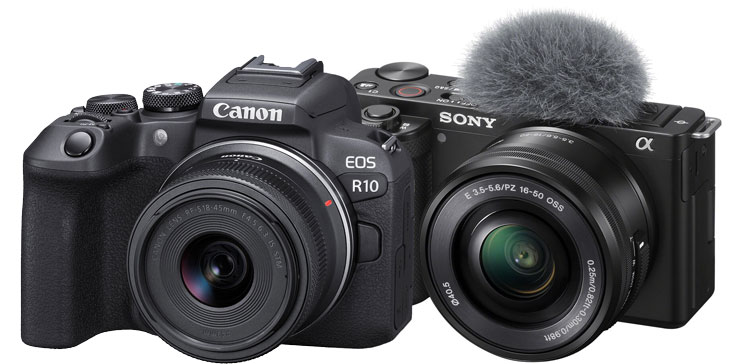
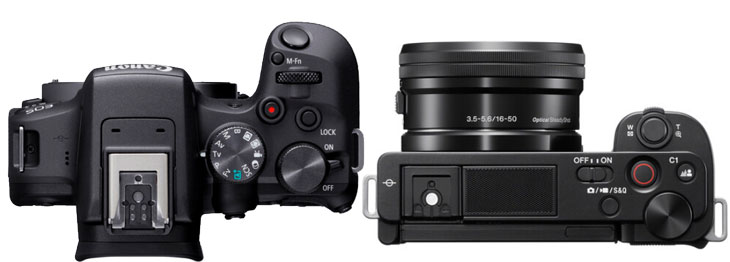
Canon R10 is a recently announced Hybrid camera. And Sony ZV–E10 is a dedicated V-logging interchangeable Lance camera. So which one of these is more suitable for photography and which one is more recommended for videography and cinematography?
Let’s discuss some basics: The Canon R10 and the Sony’s ZV E10 camera uses conventional CMOS sensors, none of these cameras are equipped with a BSI or a stacked CMOS sensor. At the same time, the resolution of both the cameras is exactly the same.
Updated Image Sensor in Canon R10
Canon has updated the microlens structure of their 24.2 mp APS-C CMOS sensor, so we may expect a little bit more sharpness from the canon R10 camera. All though we have to wait for studio test results to confirm this feature.
Now in photography not only image quality, but The autofocusing system is also a very important or integral part of the entire process
Canon R10
Sony ZV-E10
Lens Mount
Canon RF
Sony E
Sensor Resolution
Actual: 25.5 Megapixel
Effective: 24.2 Megapixel
Actual: 25 Megapixel
Effective: 24.2 Megapixel (6000 x 4000)
Sensor Type
22.3 x 14.9 mm (APS-C) CMOS
23.5 x 15.6 mm (APS-C) CMOS
Crop Factor
1.6x
1.5x
Image Stabilization
Digital (Video Only)
Digital (Video Only)
Built-In ND Filter
None
None
Capture Type
Stills & Video
Stills & Video
Autofocusing System
We know that both Canon and Sony make the world’s best autofocusing systems. But this time Canon has upscaled the dual pixel CMOS autofocusing system even in the mid-range camera. Now we are getting the 2nd generation of dual pixel CMOS autofocusing system in Canon R10. camera. And dedicated tracking modes to track animals, vehicles which include moving cars motorbikes, etc., as well as an artificially intelligent AF force to track any 3D moving subject.
Focus Type
Auto and Manual Focus
Auto and Manual Focus
Focus Mode
Continuous-Servo AF, Manual Focus, Single-Servo AF
Automatic, Continuous-Servo AF, Direct Manual Focus, Manual Focus, Single-Servo AF
Autofocus Points
Photo, Video
Phase Detection: 651
Phase Detection: 425
Contrast Detection: 425
Autofocus Sensitivity
-4 to +20 EV
-3 to +20 EV
Canon R10 features 651 Autofocusing zones in the sensor and is fabricated with 3975 AF points. Sony Hybrid AF points and limited to 451 as well as contrast-detect AF points. So, if we compare both then Canon R10 does leads in core specs of the AF system. Although we have to also consider the Sony ZV-E10 camera also features a dedicated vlogging mode which is more usable to vloggers.
Burst mode – Canon RF features an electronic and mechanical shutter, the Max shooting speed is 23 Frames per second, up to 70 Frames (JPEG) / 21 Frames (Raw). And with a mechanical shutter, you are able to capture 15fps per second at 24.2 MP for up to 460 Frames (JPEG) / 29 Frames (Raw). Sony ZV-E10’s continuous shooting speed is limited to Up to 11 fps at 24.2 MP for up to 116 Frames (JPEG) / 46 Frames (Raw).
Electronic Shutter
Up to 23 fps at 24.2 MP for up to 70 Frames (JPEG) / 21 Frames (Raw) Mechanical Shutter
Up to 15 fps at 24.2 MP for up to 460 Frames (JPEG) / 29 Frames (Raw)
Up to 11 fps at 24.2 MP for up to 116 Frames (JPEG) / 46 Frames (Raw)
Interval Recording
Yes
Yes
Self-Timer
2/10-Second Delay
2/5/10-Second Delay
Video Capture
Canon R10 now captures oversampled 6k, and the camera also has the ability to capture 10BIT 4:2: videos in HDRPQ mode (output under MP4 wrapper), but at the same time, we have to admit the fact that no CLog is available in the camera… So now you can record high-quality 4k oversampled 10bit videos @ 24 and 30fps from the Canon R10 Camera. There is also an option to capture 4K 60p videos but at the same time, the video is excessively cropped so not so usable. Canon revoked the 30min time limit on the Canon R10 camera, for super slo-mo videos you also have an option to record Full HD Videos up to 120 FPS (With DPAF and no crop).
Sony ZV-E10 camera – Very suable camera at its price range, it does adore all bell and whistles that Camera perfect vlogging camera should have. But missing the 10-bit video recording mode like the Canon R10 camera. Sony ZV-E10 also does oversample and records videos up to 4k 60fps. We also have dedicated VLogging AF modes, like Product priority AF and beauty filters too.
Canon R10
Sony ZV-E10
Recording Modes
H.264/MP4 4:2:0 8-Bit
UHD 4K (3840 x 2160) at 23.98p/25p/29.97p/59.94p
Full HD (1920 x 1080) at 23.98p/25p/29.97p/50p/59.94p/100p/119.88p H.265/MP4 4:2:2 10-Bit
UHD 4K (3840 x 2160) at 23.98p/25p/29.97p/50p/59.94p
Full HD (1920 x 1080) at 23.98p/25p/29.97p/50p/59.94p/100p/119.88p
XAVC S 4:2:0 8-Bit
UHD 4K (3840 x 2160) at 24.00p/25p/29.97p [60 to 100 Mb/s]
Full HD (1920 x 1080) at 23.98p/25p/29.97p/50p/59.94p/100p/119.88p [16 to 100 Mb/s]
Gamma Curve
HDR-PQ
Unlimited for UHD 4K (3840 x 2160) at 29.97p
Video System
NTSC/PAL
NTSC/PAL
Built-In Microphone Type
Stereo
Stereo
Audio Recording
MP4: 2-Channel AAC Audio
XAVC S: 2-Channel LPCM Audio
Added Advantage
Headphone port – Being more affordable than the Canon R10 Camera, the Sony ZV-E10 features a dedicated headphone port to monitor the audio which is absent in the Canon R10 Camera. Another added advantage is a built-in High-Quality microphone, the ZV-E10 features a high-Quality microphone that is able to cut the external noise and will allow you to enter a clear voice only.
Media/Memory Card Slot
Single Slot: SD/SDHC/SDXC (UHS-II)
Single Slot: SD/SDHC/SDXC/Memory Stick Duo Hybrid (UHS-I)
Video I/O
1 x Micro-HDMI Output
1 x Micro-HDMI Output
Audio I/O
1 x 1/8″ / 3.5 mm TRS Stereo Microphone Output
1 x 1/8″ / 3.5 mm TRS Stereo Headphone Output 1 x 1/8″ / 3.5 mm TRS Stereo Microphone Input
Other I/O
1 x USB Type-C (USB 2.0) Input/Output
1 x USB Type-C (USB 3.2 / 3.1 Gen 1) Input/Output (Shared with Power Input)
Wireless
2.4 GHz Wi-Fi (802.11b/g)
Bluetooth
2.4 GHz Wi-Fi (802.11b/g)
Bluetooth
Global Positioning (GPS, GLONASS, etc.)
Bluetooth, Wi-Fi
Bluetooth, Wi-Fi
None
None
Monitor
Size
3.0″
3.0″
Resolution
1,040,000 Dot
921,600 Dot
Display Type
Free-Angle Tilting Touchscreen LCD
Articulating Touchscreen LCD
Viewfinder for Photographers
The viewfinder is completely absent in the Sony ZV-E10 camera whereas in Canon R10 features an EVF of 2.36 Million dot EVF and even in that you have an OVF mode for those who have a habit of using OVF in DSLRs.
Type
Built-In Electronic (OLED)
Resolution
2,360,000 Dot
Eye Point
22 mm
Coverage
100%
Magnification
Approx. 0.95x
Diopter Adjustment
-3 to +1
Flash – Canon R10 supports internal flash whereas the ZV-E10 doesn’t have internal flash.
Built-In Flash
Yes
No
Guide Number
19.7′ / 6 m at ISO 100
Auto, Fill Flash, Off, Rear Sync, Slow Sync
Maximum Sync Speed
1/250 Second
1/160 Second
Flash Compensation
-3 to +3 EV (1/3, 1/2 EV Steps)
-3 to +3 EV (1/3 EV Steps)
Dedicated Flash System
eTTL
TTL
External Flash Connection
Smart Hot Shoe
Intelligent Hot Shoe
General
Battery Type
1 x LP-E17 Rechargeable Lithium-Ion (Approx. 350 Shots)
1 x NP-FW50 Rechargeable Lithium-Ion, 7.2 VDC, 1080 mAh (Approx. 440 Shots)
Tripod Mounting Thread
1 x 1/4″-20 Female (Bottom)
1 x 1/4″-20 Female (Bottom)
Dimensions (W x H x D)
4.8 x 3.5 x 3.3″ / 122.5 x 87.8 x 83.4 mm
4.5 x 2.5 x 1.8″ / 115.2 x 64.2 x 44.8 mm
Weight
13.5 oz / 382.2 g (Body Only)
15.1 oz / 429.2 g (Body with Battery and Memory)
For Still Shooters – If ur a photographer then yes Canon R10 features a perfect handgrip, an EVF. And also you get HDRPQ (HEIF) format for stills. And the ability to capture faster frames up to 23 fps and with a mechanical shutter up to 15 fps. And advance 2nd gen DPAF system with different modes and a larger AF group for perfect 3d subject tracking. I am not comparing image quality here since both of these cameras carry conventional CMOS sensors, so more or less both of them will produce similar output.
Recommendation – Camera Wise – Canon R10 Seems to be a perfect choice for photographers.
Best Video Camera The ability to record 10bit video makes Canon R10 a perfect camera for Videographers, beginner cinematographers, and Vloggers. Although the 10bit is limited to MP4 wrapper, yes you will get more details and latitude in your files compared to an 8bit file from ZV-E10. Although the Sony ZV-E10 does offer S-log profiles even those that are limited to 8-bit format. And yes an option to record in ALL-I Intra format whereas the Canon R10 recording formats in 4K are limited to IPB and IPB Light.
If Sony ZV-E10 was able to give us 10bit in any way, I would here definitely recommend the ZV-E10 camera for Video work. but since the camera is limited to 8bit only, So R10 is able to make a perfect space here with its HDRPQ 10-bit mode. Decide yourself, I would recommend you to get a 10bit camera since 8-bit videos can display over 16.7 million colors. When you switch to a 10-bit video, you can use more than 1 billion colors for your footage.
But if we consider the LENS ECOSYSTEM – We know that the Canon Lens mount is still closed to third-party lens makers, and at the same time, we have multiple options for Sony since they have publicly opened their E-Mount in 2018.
In Canon, if you already own Canon DSLR Lenses, then for sure you should only buy the Canon R10 Camera.
Final Verdict – If the available set of lenses and Price of Canon R10 fits to your budget and requirements for with Canon R10 Camera then, otherwise ZV-E10 is a decent option to have if available.
Drones are just an extension tool for photography/videography, we can’t keep aside them when we are talking about photography or video. Generally, I keep eye on Drones camera tech development news and I always prefer not to post here all the time since this vlog is dedicated to compact & interchange Cameras and Lenses only.
But, what the heck.. a drone is capable to record a 10bit video and it’s being reviewed by my all-time fav Philp Bloom. So, let’s discuss the news we have.
DJI MINI 3 PRO 10 BIT Video
DJI added 10bit recording capability in DJI Mini 3 PRO by a simple firmware update, well I am covering camera news for the past 15 years but at the same time, I have never heard anything like adding a 10bit video recording option in any camera with a firmware update.
10 BIT vs 8 BIT VIDEO
For reference, 8-bit video recording distinguishes between 1.67 million different colors, whereas 10-bit video recording allows you to work with up to 1.07 billion color variations.
Notes:
The DJI RC-N1 remote controller can also be used with DJI Mini 2, Mavic Air 2, DJI Air 2S and DJI Mavic 3 (requires DJI Fly v.1.6.1 or later).
What others said when they checked 10bit option after the update
I thought of some mistake by DJI in choosing Codec levels (“Main10” instead of simply “Main”) and therefore 8 Bit footage in a 10 Bit container, but I checked the footage and from what I’ve seen the footage seems to be in fact 10 Bit in D-Cinelike.
According to the latest rumors surfaced over the web, Viltrox is expected to release 23mm, 35mm, and 50mm Lenses in Q4 of 2022 if everything goes on schedule. Not only that, but we will also have the RF-S APS-C Mirrorless lenses the 33mm, 23mm, and 56mm F1.4 next year.
Viltrox already has an 85mm F1.8 Lens for Canon RF Mount
Buy Canon Lenses, Buy Music CD or Digital Camera at amazon it helps this site, and you do not pay anything extra, it is just a way to help support this site.
New Camera Website, we list all type of new camera information, price review and all type camera rumors, subscribe us or follow us via twitter or facebook.
Disclaimer: We have attempted to select useful information to include on New Camera, and to ensure that the resources we have included on the site -- as well as the way we have described them -- are accurate, fair, and balanced. However, we make no claims, warranties, or other representations concerning the accuracy, completeness, or utility of the information provided, or concerning the abilities or performance of the organizations, agencies, companies, and other resources presented through New Camera