Join More Than 50,000+ Subscribers and get latest camera news and rumors
NEW CAMERA VIDEOS ON YOUTUBE
|
By admin, on August 14th, 2025

Okay, we are already overexcited with the announcement news of the famous optics Laowa AF 200mm f/2 lens. It is a super-telephoto prime lens specifically made to create amazing portraits with super creamy background blur. You can also use this lens for fashion and event photography, as well as for wildlife photography. Now it’s time to see the sample images, specifications, and the expected price of the upcoming lens.
Leaked Sample Images
On August 14, 2025, two stunning images captured from the 200mm f/2 lens appeared on Laowa’s official channels. These images demonstrate the potential for portrait photography with an amazing creamy blurred background, and you can just see how large bokeh effects and the well-maintained highlights appear while using the fast f/2 aperture.

Although the images are not officially confirmed, they do demonstrate a very severe isolation of the subject from the background. It’s kind of an ideal lens for capturing professional headshots or creative shots. But yeah, unfortunately, right now, no EXIF data is available, including the camera body details, which were used to capture these beautiful portraits.

So just keep an eye on the official Venus Optics website and trusted news and information websites like TheNewCamera.com for the latest updates.
Laowa AF 200mm F2 Lens Specification
Here’s what we know so far:
- Focal Length: 200mm
- Maximum Aperture: f/2.0
- Lens Type: Full-frame autofocus prime, with potential coverage for medium format (44x33mm sensors)
- Weight: Approximately 1.6kg, significantly lighter than competitors like the Nikon 200mm f/2 G VR II (nearly 3kg)
- Mounts: Initial release for Sony E, Nikon Z, and Canon EF; Fujifilm X and GFX versions planned later
- Controls: AF/MF switch, programmable Fn button, focus limiter, de-clicked aperture ring for video
- Additional Features: Drop-in filter slot (supports circular polarizers and ND filters), weather-sealed mount
Price of the Lens
No official pricing has been confirmed yet, but as per speculations, the 200mm f/2 lens will likely cost around $3000. Sigma 200mm f/2 is also about to be announced soon, so it will be a very good competition between the lenses.
Release Date and Availability
Venus Optics has not yet confirmed the release date of the lens, but rumors started surfacing from August 7, 2025, and right now we have a lot of information related to it. The lens will be initially announced for the Sony E, Nikon Z, and Canon EF mounts. As per rumors, Fujifilm X-mount and GFX versions will be announced soon. Canon RF users may adapt the EF lens using the EF-to-RF adapter.
As usual, the Laowa 200mm f/2 lens is not alone. Sigma is also coming with its 200mm f/2 lens on August 19, 2025, so the competition will be really tough, as we have already mentioned. And right now, of course, Laowa will have a broader mount support. But the price factor will be the most important factor among these two lenses before a photographer makes their choice.
Other than that, one of the most interesting and key factors is that the Laowa 200mm f/2 lens is also coming for the Canon EF mount, so many RF-mount camera shooters will likely buy this EF-mount lens with an adapter to enjoy a kind of budget 200mm f/2 lens experience with their Canon cameras.
So the Venus Optics Laowa AF 200mm f/2 lens is not only shaping up to be a groundbreaking lens, but they’re also showing a very clear path for third-party lens makers to announce EF versions of lenses, which can further be adapted to the RF mount with the help of an adapter 🙂
So it’s not only about the lens — it’s also about a kind of new strategy they have figured out to announce lenses silently for the RF mount.
source of the sample image – asobinet
ABout the author: The article “Breaking News – DJI Mini 5 Pro New Images Leaked – World’s First Sub-249 Gram Drone with 1-Inch Sensore” written and updated by thenewcamera.com team on 7:35 pm, Wednesday, 13 August 2025, Greenwich Mean Time (GMT) | Follow us for more updates and Get LIVE RUMORS –> FACEBOOK | TWITTER | INSTAGRAM to get live news — > get live Camera News + 24X7.

By admin, on August 13th, 2025

We also have some exclusive leaked images and latest Drone News and updates for the DJI Mini 5 Pro drone. From the images, it is very much confirmed that the upcoming DJI Mini 5 Pro will fall under the 249-gram category with the standard setup. You don’t have to worry about regulations—no special permission is required to fly the DJI Mini 5 Pro drone. And the best part is this sub-249-gram drone is packed with a 1-inch sensor, which will deliver exceptional video quality as well as stills. Exclusive live images of the drone shared by testers show us the C0 label over the drone. The presence of the C0 label confirms its featherweight status, meaning the drone is under the 249-gram category. So no need for further confirmation or waiting for a standard announcement—we are 100% now confirmed that the standard kit will fall under the 249g category. Let’s explore more features of the drone and the exclusive images.
 DJI Mini 5 Pro leaked close up picture showing C0 label proving first drone under 249 grams with a 1 inch sensor. 1. First Look – DJI Mini 5 Pro Sub-249 Gram Design with C0 Label
Our leaked closer photo of the DJI Mini 5 Pro confirms that it weighs under 249 grams with the C0 label. But what does it mean for you? It means worry-free flying from any part of the world without any kind of registration or permission to be taken from the authorities. It also means you need no training or any kind of certificate to fly your own drone.
And the big part of the picture is—the drone carries a large 1-inch sensor with forward-facing LiDAR, equipped with more than 6 sensors to detect and spot obstacles while flying. With the help of the larger sensor, you are getting more dynamic range and more control over the shadows and highlights, meaning you will have excellent latitude in videographic files, so you can easily color grade and extract the maximum details from them.
2. Battery Secrets – Same as Mini 4 Pro for a 36-Minute Flight
Beta testers of the drone reveal that the existing prototypes of the DJI Mini 5 Pro drones use exactly the same battery that you have seen with the Mini 4 Pro or the Mini 3 Pro. It means no changes in the batteries—if you already have a Mini 4 Pro or Mini 3 Pro, you can use the batteries in the new Mini 5 Pro drone. So that’s the advantage we have with the Mini 5 Pro. DJI keeps a kind of easy ecosystem for everyone, so even if you want to upgrade, you don’t have to spend a lot on batteries or other standard kits.
The DJI Mini 5 Pro drone pairs up with the reliable Ocusync transmission system, and the complete 36 minutes of solid flight time give you the ability to capture the highest quality videos possible with the Mini Pro series.
3. Camera with 1-Inch Sensor, 4K Videos Up to 120 Frames Per Second, and More
24mm f/1.8 lens is being paired up with the large 1-inch sensor, so actually—even if you are a professional cinematographer—it practically eliminates the requirement of having a 595-gram DJI Air 3S drone with a large 1-inch sensor.
The larger sensor with extended dynamic range and the ability to capture shadows and highlights better than any other drone in the existing Mini Pro series—the drone also comes packed with a 48mm medium telephoto mode for versatile framing and reframing while you are capturing with the drone.
So that’s not a subtle—this is a massive upgrade over the camera quality of the DJI Mini 5 Pro compared to the DJI Mini 4 Pro.
4. LiDAR as well as Omnidirectional Sensing for Crash-Proof Flights, Even While Shooting Indoors
DJI Mini 5 Pro introduces forward-facing LiDAR alongside omnidirectional obstacle avoidance sensing. All these facilities make this drone completely impossible to crash. The leaked images that we have shared in this post confirm the existence of the LiDAR module upfront, which prevents the drone from crashing even in completely dark light situations.
It’s the exact same system that is backing up the DJI Air 3S as well as Mavic 4’s uncrushable reputation. Now, on the Mini 5 Pro, it powers indoor return-to-home (RTH) functionality. Hit RTH, and it navigates back safely, dodging obstacles like power lines or furniture.
5. Gimbal Freedom – Professional Camera Rotation Similar to DJI Mavic 4S
Just like we have seen in the DJI Mavic 4S, in the DJI Mini 5 Pro drone we are getting gimbal rotation up to 330 degrees with 225 degrees of flexibility even during wild maneuvers. So the level of flexibility we are getting in the Mini 5 Pro drone is very much similar to the DJI Mavic 4S, but obviously, we are getting all these features in a mini form and under a reasonable price.
So we have to understand it completely—it’s not just about the rotation for the twists and turns. We are getting the flexibility paired with the large 1-inch sensor that opens up the door to professional-grade cinematography with your Mini series drone, which is obviously underweight. If we look from each and every perspective, which includes price and features, the DJI Mini 5 Pro drone has everything that makes it the best drone DJI has ever made.

6. Propeller Innovation – New Click-On Design with Low Noise Tips and Redesigned Guards
The new Mini 5 Pro features an easy-swap click-on propeller system. So basically, while using the drone, you don’t actually need any additional tools—just a tap and twist. This makes the portability as well as the usability of the drone while you’re traveling or on the go very easy.
As we all know, DJI spends a lot on the research and development of their drones. So in the new DJI Mini 5 Pro, we can notice the new low-noise tips of the props. They have been designed specifically to create very little noise, making it very much ideal for urban as well as wildlife dronography. So better to say—it’s kind of a mini stealth drone that has the lowest propeller noise possible, creating less disturbance in the environment.
7. Secret Button for Controller-Free Launch and Automatic Power-On
The DJI Mini 5 Pro powers on automatically when you unfold the drone, and it even launches without a controller—just like we have seen in the DJI Neo and the DJI Flip models. The very similar technology has been used here.
Now, you just have to press the button, and it’s airborne and hands-free. So when you need to capture short spontaneous moments or when you are traveling and busy with other equipment, this specific feature makes it the most adaptable Mini series drone till date.
8. DJI Mini 5 Arrival Date – September 2025: What We Know So Far
Early rumors were pointing to the August 7, 2025 date, but those were just hype. The recent leaked information from trusted and authentic sources suggests the upcoming drone will roll out in September 2025. The exact date will be published soon.
9. DJI Mini 5 Pro Price [Expected]
- Base Model (DJI Mini 5 Pro with Standard Controller): $899–$999 USD – So we are expecting a 15 to 30% increase over the price of the base model since it carries 1-inch large sensor and enhanced LiDAR tech.
- Fly More Combo (with DJI RC 2 or RC-N3): $1,199–$1,499 USD – Similarly, we are also expecting a better price increase in the Fly More Combo with the account of all enhanced capabilities.
In the meantime, as you can see, the DJI Mini 5 Pro drone is a DJI professional-grade drone, which is now available under the Mini series. The sub-249-gram drone with LiDAR detection and a large, high-performance 1-inch sensor, along with a secret button, blends portability, power, and playfulness all in one.
So the big question is—will it live up to the hype?
Well, based on the set of information we have: YES—it will create a phenomenal success and a large consumer base for itself without a doubt.
By the way, you can stay tuned to TheNewCamera.com for future updates.
Comparing the DJI Mini 5 Pro to Previous Models
| Feature |
Mini 4 Pro (2023) |
Mini 5 Pro |
| Camera Sensor |
1/1.3-inch |
1-inch |
| Flight Time |
34-45 minutes |
Up to 50 minutes |
| Range |
20 km |
25 km |
| Obstacle Avoidance |
Optical |
LiDAR + Optical |
| Weight |
<249 grams |
<249 grams |
ABout the author: The article “Breaking News – DJI Mini 5 Pro New Images Leaked – World’s First Sub-249 Gram Drone with 1-Inch Sensore” written and updated by thenewcamera.com team on 7:35 pm, Wednesday, 13 August 2025, Greenwich Mean Time (GMT) | Follow us for more updates and Get LIVE RUMORS –> FACEBOOK | TWITTER | INSTAGRAM to get live news — > get live Drone news + DJI Rumors
Imeg Credit – DroneXL | jasper Ellens
DJI Avata 3 – Release Date, Specs, Price and Rumors

DJI Mini 360 Price, Specification and Release date – Latest Rumors and Updates 2025

By admin, on August 13th, 2025

Due to the recent market trend and high compact camera demand, camera makers are actively joining this race. Canon has recently announced that they will revive their good old compact cameras, and Yashica recently announced their third generation of Yashica City 300. It’s a high-resolution, pocket-friendly camera, announced in July 2025 and officially launched in August with a price tag of $420. The City series is not new, but this new year announcement addresses the shortcomings of the earlier versions — City 100 and City 200 models.
The Yashica City 300 camera features a 50-megapixel sensor with RAW image capture support. The lens is also very much appreciable since it has a 24mm fixed focal length with a 1:1 capture ratio as well as an f/1.8 bright aperture. It also features an innovative function called Dual Analog Gain HDR (DAG HDR), satisfying in design for casual adventure purposes, street photography, and casual creators. If you love to have a premium compact camera, then we do have options like the Fujifilm X100 VI. At the same time, if you would love to get a high-quality pic by investing more, then options like the Ricoh GR III at Amazon.com are also available.

Yashica City 300 Overview – A Budget-Friendly Upgrade for Compact Camera Enthusiasts
Yashica is my first love — I started photography with the Yashica MF-2 film camera. Yashica is a known brand from the film era, and now they are making a comeback in the digital space with their City series of cameras. It has been engineered to preserve the world around you exactly as you see it — without any filters or AI algorithms to manipulate or alter the image. The camera uses a 50-megapixel high-resolution sensor packed inside a retro body with an f/1.8 lens. The sensor size is 1/1.56-inch CMOS, so it resembles the traditional compact camera sensors we had in the past. Now the total weight of the camera is only 192 grams, making it a very ideal camera for travel and social media use.

Key Specifications of the Yashica City 300 – 50 Megapixel Compact Camera
Design and Build Quality – Sleek, Portable, and Retro-Inspired
Yashica City 300 is a compact camera with retro controls and look. Despite having a retro look, the camera weighs under 200 grams, which is approximately 40g lighter than the City 100 camera. Apart from this, if you are going to measure it, it is approximately only 10 cm long, so it can easily fit in your palm or pocket. You can use it as you like — best ergonomics for travel.
Now, let’s also talk about the key design element — we also have a lens control ring. The ring helps you control the digital crop modes for a kind of film-like experience. The camera does not have any built-in flash, but with the bundle, you are getting the QuickFlash Mini external unit that is connected via the hot shoe. This external mini flash has 4 different brightness levels depending on the type of scenarios you are shooting.
Sensor and Image Quality – 50MP Resolution with DAG HDR Innovation
The Yashica City 300 camera uses a 50-megapixel 1/1.56-inch CMOS sensor for photography. They have improved the dynamic range as well as the low-light performance of the camera compared to the previous 13MP City models. In the new model, you get DAG HDR — this is the first compact camera to feature DAG HDR technology, which helps to create a single shot while applying dual gain ISO structure in the sensor that balances shadows and highlights while reducing noise — specifically while shooting high-contrast urban scenes.
RAW (DNG) support enables professional-level editing, since in that image, you will be getting more latitude. So now, no more flat images like the previous generation of City cameras — now you can explore stunning details and vibrant color. Although it’s a small sensor, having DAG HDR as well as RAW support enables a photographer to extract the maximum possible dynamic range of the available sensor.
Lens Optics – Fast f/1.8 Lens for Versatile Shooting
The camera uses a 24mm equivalent lens at f/1.8 aperture. So having f/1.8 aperture helps you to capture as much available light as possible. At the very same time, the closest focusing distance is 0.15m. The 24mm lens also features a 3-axis optical image stabilization system, that helps you capture stable shots in low-light scenarios. The digital zoom, combined with the 50MP resolution, also helps us compose and recompose images on the go without editing later on in the app.
Videography Capability
It records 4K videos up to 30 frames per second and also has the ability to record super slow-motion videos in Full HD at 120 frames per second. And the good thing is that you also have external microphone support — so if you want to add professional-quality audio, yes, that option is available.
Advanced Features – HDR, Connectivity, and More
- DAG HDR: Single-shot high dynamic range for balanced exposures.
- RAW Support: Flexible post-processing.
- App Integration: Remote control via YASHICA App.
- QuickFlash Mini: Bundled flash for creative lighting.
- Ports and Storage: USB-C charging, up to 256GB MicroSD.
- These elevate the Yashica City 300 beyond basic compacts.
Pros and Cons of the Yashica City 300 Based on Early Impressions
| Pros |
Cons |
| Affordable $420 price with bundle |
No optical zoom; digital only reduces resolution |
| High 50MP sensor and RAW for details |
Small sensor may limit ultra-low-light |
| Innovative DAG HDR and OIS |
Limited full reviews available post-launch |
| Lightweight and portable design |
Battery specifics still emerging |
| Upgrades over City 100/200 |
Potential build similarities to smartphones |
Pricing and Availability – Where to Buy the Yashica City 300 Camera
is available now for $420 on Yashica’s site, bundled with QuickFlash. Check retailers like eBay for global shipping.
The Yashica City 300 camera does stand out with a 50MP sensor, OIS lens, and f/1.8 aperture. They are also working on the software side to upscale the overall REAL photography experience with the DAG HDR introduction and RAW DNG images. And all of this you are getting at $420. So, if you want to own a retro-style camera from Yashica, you won’t be disappointed with the Yashica City 300.
ABout the author: The article “Yashica City 300 – In-Depth Overview of the 50MP Compact Camera for $420 – Specs, Features, and Early Impressions ” written and updated by thenewcamera.com team 3:32 pm, Wednesday, 13 August 2025, Greenwich Mean Time (GMT) | Follow us for more updates and Get LIVE RUMORS –> FACEBOOK | TWITTER | INSTAGRAM to get live Camera News + 24X7.


By admin, on August 13th, 2025

So finally, the Sigma 200mm f/2.0 lens is about to arrive. We have almost all the details related to the lens, and the lens will become official on August 19. It will initially become available for the Sony E and the Leica L mount. The lens is optimised specifically for full-frame cameras but will also deliver exceptional performance when used with APS-C cameras.
Let’s have a look at the key specifications of the upcoming Sigma 200mm f/2.0 FE lens.
Key Specifications of the Sigma 200mm f/2.0 FE Lens
- Weight: 1850g (excluding hood and tripod collar)
- Teleconverter Compatibility: Not compatible with teleconverters
- Filter Size: 105mm
- Design: White finish, mirroring the premium aesthetic of Sigma’s 300-600mm lens
- Autofocus: Super-fast autofocus, ideal for dynamic shooting scenarios
- Sensor Compatibility: Full Frame
- Mounts: Sony E and Leica L
- Announcement Date: August 19, 2025
- Price: To be announced
Sigma 200mm f/2.0 vs Laowa 200mm f/2.0 – The Comparison
At 1850 grams, Sigma 200mm f/2.0 is approximately 150 grams heavier than the Laowa 200mm f/2.0 lens. So it’s not all about the weight only — of course, we will have a price difference too between these two lenses. Sigma lenses are premium quality and made in Japan, so they generally cost a bit more compared to lenses made in China.
These lenses are highly suitable for use in portraits, sports, and wildlife photography. Although the Sigma and the Laowa both are missing teleconverter support from their respective brands.
Design and Build
The design and build quality of the lens can be seen in the leaked image that we have published above. Holding a 2 kg lens always in your hand is not that easy, and that’s why Sigma has given a tripod collar for this lens.
Overall, it is weather-sealed and can be used in any kind of weather conditions for shooting purposes, and it features a 105mm filter size.
What to Expect from the August 19 Announcement
With the official announcement scheduled on August 19, 2025, all we are waiting for is the price. If it becomes available at a reasonable price range, then for sure, many wedding photographers around the globe will buy this lens for professional pre-wedding and post-wedding shoots.
Fashion and runway photographers will also love this lens.
Why the Sigma 200mm f/2.0 FE Can Be a Game-Changing Lens
Having this lens will redefine your professionalism to the next level. It’s a super-fast super telephoto prime lens with f/2.0 maximum aperture, so professionals will love it for shooting portraits and wildlife in action.
As we have discussed, having this lens will upskill the entire portrait photography game, and I do believe worldwide fashion and portrait photographers will get this lens without a doubt.
Hope you enjoyed reading this article, At TheNewCamera.com, we’re dedicated to keeping you informed about the latest camera news. The article “Sigma 200mm F2.0 FE Lens – Specs, Features, and Announcement Details for 2025” was published on 6:00 am, Wednesday, 13 August 2025, Greenwich Mean Time (GMT) by thenewcamera.com team | Follow us on our social pages FACEBOOK | TWITTER | INSTAGRAM to get live Camera News + see more Sony Alpha Rumor


By admin, on August 12th, 2025
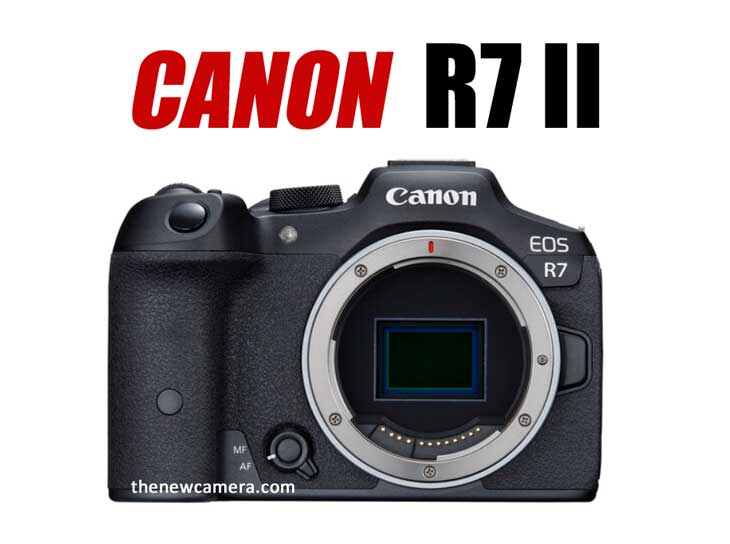
The Canon R7 Mark 2 and the Canon R6 Mark 3 are both the most anticipated Canon cameras of 2025. Photographers and videographers are waiting for the next generation of models, but the latest rumor suggests a potential delay in the announcement of both cameras. Although we have already published an article on July 31 2025, related to the delay in the announcement of the R7 Mark II camera as cited by Jan Wegener. This article explores the latest updates, rumored specifications, as well as an expected release timeline and Canon’s future plans, like Canon cameras and lens roadmap everything that you may need to know is available in this article, so let’s explore.
Why the Canon R7 Mark II and the Canon R6 Mark 3 are highly anticipated
The Canon R6 Mark II camera has already created a different space among photographers; many of the wedding photographers, as well as sports shooters, are using this camera as their primary camera. A lot of them are waiting for a proper upgrade. Very similarly, we have the Canon R7, the biggest issue of the exisiting Canon R7 using the same old sensor of Canon 90D camera, the Canon 90D was announced back on August 2019, and after that while using the same sensor the Canon R7 camera was announced on May 2022, so the 32.5 megapixel is approximately 6 year old.
So both the best selling Canon full frame camera as well as the Canon APS-C flagship are waiting for an update, we are expecting a major update in the core specification of both the Canon R6 Mark 3 as well as the Canon R7 Mark 2 camera, the recent report that we have published with the help of Jan Wegener suggest the Canon R7 Mark 2 camera announcement may slip in the later months of Q4 of 2025.
Understanding the announcement delay
Recently, on August 12, 2025, Canon Rumors reported that a dealer presentation was about to happen in late August, which is now postponed. No exact reason is known, why the presentation has been postponed.
Just after August, we have the IBC show in Amsterdam, which will happen in September 2025. The IBC show is a potential announcement platform for video-centric products, so expecting a major announcement, specifically in that show, from Canon is less likely.
Now we have already published back on July 30, 2025, that according to Jan Wegener, the Canon R7 Mark 2 announcement is not imminent, he said it clearly, which means the camera is not coming in August or September 2025. But, he also added that potentially the Canon R7 Mark II camera announcement has been further pushed to the late months of 2025. As we have also previously said Jan Wegener is very much known for his accurate predictions. He also predicted the Canon R6 Mark 3 camera sensor resolution, which is approximately 30+ megapixels and not a 24 MP sensor.
If we take note of the previous 5 years of Canon announcements, then August and September are the least favorable months for Canon product announcements, and they have avoided and didn’t make any single mirrorless camera announcement in the months of August and September over the past 5 years.
So we can expect the Canon R7 Mark II announcement between October to December 2025, from the initial set of information we have right now.
Canon R7 Mark II camera rumored specifications and features
Canon R7 Mark II is an upcoming Canon flagship APS-C camera, and in general whenever Canon announces a new flagship camera, we notice a major update starting from the image sensor to the image processor of the camera everything is changed. Canon R7 was announced back in 2022 with the same 32.5 MP sensor of the Canon 90D camera its overdue for an update.
Specification of the Canon R7 Mark II camera
33 megapixel APS-C stacked CMOS sensor – the resolution will remain approximately the same, but we will have a massive update in the readout speed of the sensor, reducing the rolling shutter effect to a maximum extent, it will become an ideal camera for excellent sports photography as well as for capturing high-speed videos.
Digic X image processor paired up with Digic Accelerator – handing up the latest image processor available in the arsenal as well as to upscale the AI autofocus algorithm they have to put a Digic Accelerator inside it, so the accelerator chip is actually Canon’s AI chip which soon will be added to almost all the Canon cameras in the mirrorless lineup.
8.5 stops of in-body stabilization – that nowadays has become a requirement, almost all cameras with higher-end specifications have a good IBIS unit inside them.
2.36 million-dot EVF – so I am expecting a bit higher resolution EVF in the camera, but even if it is coming with a 2.36 million-dot EVF, but it also supports the Advance EVF based Eye Tracking – AI autofocus feature directly from the Canon R3, R5 Mark II, and the Canon R1, then it’s a very welcome step.
40 FPS of electronic shutter – The 40 FPS electronic shutter will actually become usable when the camera has a stacked CMOS sensor.
Pre-continuous shooting – pre-shooting buffer of 1.5, 1, and 0.5 seconds will arrive in the Canon R7 Mark 2 camera, and we will also have the pre-shooting RAW / JPG both as an option.
In-camera resolution scaling – you already have in-camera upscaling in the Canon R5 Mark II, and the same we are expected in the Canon R7 Mark 2.
4K 120 FPS 10-bit with Canon Log – that’s really interesting Canon R7 Mark II camera will redefine cinematography in a different way, with an available option of recording 4K videos up to 120 fps.
Canon R7 Mark II price
- The Canon R7 Mark II camera body price is expected to $1700 to $2000, which is up from the Canon R7 $1499.
- While pairing up with the kit lens, like 18 to 150 mm, the price can reach up to $2100 to $2500.
The Canon R7 camera is targeted at professional bird photographer as well as sports, or anybody who loves to have a flagship APS-C body in their hand. And this is the very right time to announce Canon R7 Mark 2 camera since third-party lens makers like Tamron and Sigma have already joined hands with Canon for producing more and more lenses for the Canon RF-S mount.
Not only the Canon R7 Mark 2 camera the Canon R6 Mark III is expected to arrive, and it is said to be a full-frame powerhouse from Canon, so let’s talk about the powerhouse right now.
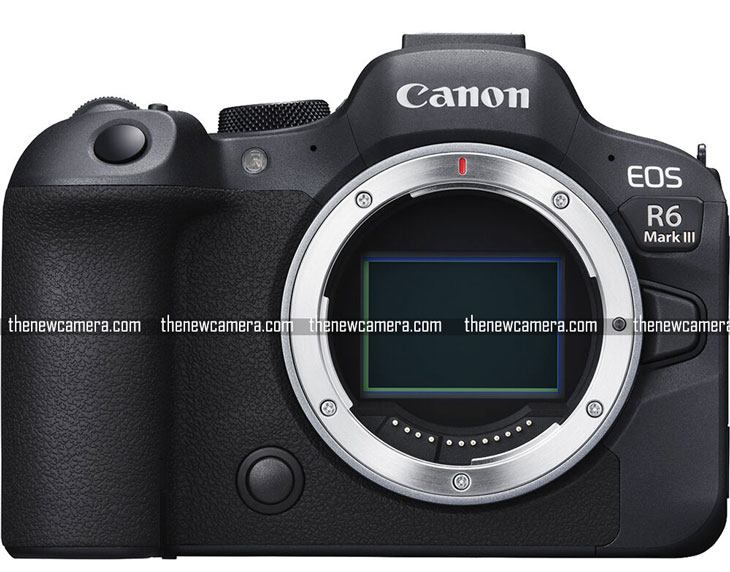
Canon R6 Mark III camera and upcoming lenses
Professional photographers are waiting for the Canon R6 Mark III, beta testers are already using this camera in their hand and the performance of the R6 Mark 3 is phenomenal, as per one of the initial reports from the beta tester the Canon R6 Mark 3 camera carries a 30+ MP sensor now as usual we do know that a camera maker tests multiple prototypes of a single camera, and not always all the prototypes make a way to the production line. The selection of the production line camera depends on the marketing team and the feedback they get from the professional photographers during the Alpha or beta testing phase.
Not only the new camera, but new lenses are expected to arrive, so we will explore the list very soon, but before that,t let’s talk about the rumored core specification of the Canon R6 Mark 3 camera.
Rumored core specification for the Canon R6 Mark III
24 megapixel stacked / 30+ megapixel CMOS sensor – Canon rumor mill still sticks with 24 MP sensor resolution, yes we were getting 24 MP stacked CMOS sensor rumor earlier few months ago, but recently Jan Wegener has highlighted that there is a possibility of 30+ megapixel R6 Mark III camera also, so we are considering both possibilities parallelly until we get a clear information from a trusted source.
Faster read-out speed with minimum rolling shutter – Canon sensors, irrespective of their manufacturing type have the ability to read out data faster. The Canon R8 camera sensor, which is an entry-level camera and uses FSI CMOS sensor technology, despite that fact, the readout speed of the sensor is 14.5 milliseconds. As usual, a stacked CMOS sensor will definitely push the read-out speed even faster.
Introduction Digic X and Digic Accelerator – a new generation of image processor as well as AI processing unit very similar to the Canon R5 Mark II, Canon R3, and Canon R1 camera.
6K RAW video up to 60 frames per second and 4K up to 120 FPS – in terms of video resolution the Canon R6 Mark 3 camera is able to record 6K RAW videos up to 60 frames per second, although the existing R6 Mark II camera is also able to record 6K 60fps video via the HDMI port. The most important addition is 4K video recording at 120 frames per second but at the very same time, we are concerned about the amount of cropping we have to face while selecting the 120 frames per second speed, C-Log 2, and C-Log 3 with 10-bit internal recording and custom lookup table and a dedicated cinema menu for easy navigation.
So these are the initial set of information we do have related to the Canon R6 Mark 3 camera.
Canon R6 III Price
- The R6 Mark III is expected to retail for $2,799-$3,199, up from the R6 Mark II’s $2,499. Announcements are likely in Q4 2025 (October to December).
Potential Lens Announcements
RF 300-600mm f/5.6 L IS USM: Super-telephoto zoom for wildlife and sports.
RF 50mm f/1.2 L and RF 35mm f/1.2 L: Ultra-fast primes for portraits and low-light.
RF-S Constant-Aperture Zooms: For APS-C bodies like the R7 Mark II.
RF 20mm f/1.4L VCM: Canon’s widest f/1.4 lens, announced in 2025.
Other Cameras in the Pipeline
EOS R3 Mark II: Updated flagship with enhanced autofocus.
EOS R10 Mark II: Entry-level APS-C with vlogging features.
Full-Frame V Camera: Vlogging-focused model.
Retro ILC: Vintage-style camera for the Canon AE-1’s 50th anniversary.
Follow us on our social pages FACEBOOK | TWITTER | INSTAGRAM to get live Camera News + Canon Rumors 24X7.
Source – canonrumor.com


By admin, on August 12th, 2025

Insta360 atigravity is now official – here is the official release – Insta360 antigravity A1 official press release – also How Influencers Can Get the Antigravity A1 Drone for Free: Ultimate Guide to Scoring the World’s First 8K 360 Drone. For the first time, Insta360 is entering the drone market with the Antigravity brand. This is very interesting since this is the first drone of Insta360, as well as it falls under 249g and is able to record 8K videos. So this drone will create a completely new user base apart from the existing DJI traditional drones, and specifically, creators, travellers, and aerial footage lovers will surely get this drone to create new and unique content for sure. Now, if you are searching for the latest Insta360 Antigravity drone specifications, features, price, or how it stacks against the DJI drones and their upcoming models, it’s covered here, so let’s explore one by one.
Insta360 Antigravity Drone Launch – August 14, 2025 Details
Insta360 has sparked a wave of excitement among its users and followers who were waiting for a true 360 drone for the first time. With their Antigravity teaser, they have fuelled up the speculations and expectations to the next level. Everywhere you go, you’re going to see drone lovers talking about the Antigravity drone since it’s the first of its kind; otherwise, it’s quite rare to get so much attention for a drone.
Now the official announcement date is confirmed — it’s August 14, 2025, at 9:00 a.m. EDT. The event will happen and will be streamed live on Insta360’s official channels, including their website www.antigravity.tech. At TheNewCamera.com, we will be covering everything related to the announcement, as well as previews, reviews, and comparisons against the existing drones, so stay tuned for more.
Insta360 Antigravity vs DJI Mini 360 – Which One Is Best for You?
We all know about the Antigravity drone — it’s official, and soon its pre-orders will start at B&H Store. But as we know, Insta360 is now stepping into DJI’s domain. And about DJI, They have a huge range of consumer drones, and they dominate the entire global drone market. Yes, they are facing some challenges in the USA due to a potential ban on some specific models unless specifications for security reviews are completed. They are about to complete the process, possibly by the end of December 2025. The customs delays are also disturbing the entire supply chain of DJI drones, creating a kind of market gap. In this specific situation, if Antigravity enters as an option for creators with a user-friendly design, ease of use, and an accessible price, they will surely gain a very good market share.
Now DJI is also preparing to directly compete against the 360 Antigravity drone. The DJI Mini 360, a sub-250g panoramic drone, is about to arrive later in 2025 or in the first quarter of 2026. We have covered the DJI Mini 360 drone in one of our latest articles — if you are interested in knowing more about that, you can look at it here: DJI Mini 360 Price, Specification and Release date – Latest Rumors and Updates 2025
Insta360 Antigravity vs DJI Mini 360
In the specification comparison table below, we have compared the known specifications of the Insta360 Antigravity drone against the DJI Mini 360.
| Feature |
DJI Mini 360 (Rumored) |
Insta360 Antigravity |
| Weight |
Sub-250g |
sub 249g |
| Camera |
8K 360-degree |
High-res panoramic, 8K 360 |
| Launch |
Late 2025 |
August 2025 |
| Price |
Starts from $729 |
Available from January 2026 |
| Strengths |
DJI ecosystem integration, obstacle avoidance |
Innovative anti-gravity tech, VR focus |
Insta360 Antigravity Drone Features – 8K 360 Capturing Capability with a Lightweight Design
You already have a confirmed set of information/specifications related to the Insta360 Antigravity drone, and here they are:
- Ultralight Design – At under 249g, it avoids the requirement of FAA registration before you take off, so it’s one of the best things to have with your drone when it’s under 249g.
- 8K 360 Capture – That’s a really unique thing for a drone. It’s the world’s first drone to capture 8K 360 aerial footage with its dual-lens system that covers a full spherical video, allowing post-flight reframing to VR, social media, or even professional content creation.
- Easy to Handle – Early testers of the prototypes say its design and control are as easy as DJI drones. So being a new player in the field doesn’t mean you have to struggle with controls or learn something completely new.
- Smart Safety Features – Obstacle avoidance, payload detection, and other safeguards are there to ensure safe and responsible flights under drone regulations.
- Community-Driven Innovation – Insta360 is asking its users to contribute in the development of the Antigravity brand. The Antigravity Hub lets users submit their ideas for features and updates. It’s a collaborative community that inputs user data in raw form and processes it for innovation in upcoming drones.

Leaked Antigravity Drone Specs – What Early Prototypes Reveal
We have published many recent leaks related to the upcoming Insta360 drone. In one of the leaks, we have very clear images of the Insta360 drone being tested in the wild. You can clearly view the image of the Insta360 drone on the backpack of a car.

Beta tester images reveal that the Insta360 Antigravity drone also exhibits FPV-style capabilities. You can see that the user of the Antigravity drone is using potential accessories like goggles to control the flight, similar to DJI Goggles for DJI drones. So not only the drone, a huge range of accessories is about to arrive alongside it.
Antigravity Drone Price [Updated on September 7, 2025]
| Bundle Tier |
Inclusions |
Estimated Price Range (USD) |
Notes |
| Standard Bundle |
Drone + Grip controller + Vision goggles |
$1,199–$1,399 |
Entry-level |
| Fly More Combo |
Standard bundle + 2 extra batteries + spare props + carrying case |
$1,300–$1,499 |
Mid-tier bundle aligning |
| Creator/Pro Kit |
Fly More bundle + creative mounts + ND filters + editing software voucher + premium case |
$1,500–$1,699 |
Premium consumer bundle |
| Enterprise Add-Ons |
Pro Kit + commercial extras (e.g., SDK access, extended warranty) |
$1,700–$1,999 |
Niche tier for business users |
Why Antigravity Could Redefine Aerial Storytelling in 2025
We have to understand this differently. The first thing is that DJI is already facing a lot of potential challenges in the US market, and for this reason, the Insta360 Antigravity brand will get a deep push. Another important factor is that content platforms like Apple Vision Pro or the Meta Quest actually require 360 content, and having a 360 drone will open new space to produce content for VR platforms. So it’s a kind of boon for Insta360 right now. The market is fully ready to welcome a new drone player with innovative technology.
How to Watch the Insta360 Antigravity Launch Event Live
On August 14, 2025, the Insta360 Antigravity drone will become official, and you can watch hands-on demos, full specifications in detail, as well as pre-ordering details and everything else. The announcement will be streamed live on the Insta360 YouTube official channel as well as on www.antigravity.tech. You can follow TheNewCamera.com for real-time updates on August 14.
The Insta360 Antigravity drone is a new breed in the drone industry. We have never seen a 360 drone before the arrival of the Insta360 Antigravity. Yes, DJI is about to join the party later this year or possibly in Q1 of 2026, but before that, the Insta360 Antigravity release will reshape the drone industry in a different and new way.
ABout the author: The article “Insta360 Antigravity Drone – August 14, 2025 Launch, Specs, Price” written and updated by thenewcamera.com team on 1:46 pm, Tuesday, 12 August 2025, Greenwich Mean Time (GMT) | Follow us for more updates and Get LIVE RUMORS –> FACEBOOK | TWITTER | INSTAGRAM to get live news — > get live Drone news + DJI Rumors

By admin, on August 12th, 2025

The DJI Avata 3 drone is coming soon. Based on the latest rumors and leaks, we already have a fairly complete picture of the upcoming next-generation FPV/cinewhoop drone. According to the latest information we have, the upcoming FPV drone will feature faster, smarter, and more advanced capabilities compared to its predecessor. In this detailed article at thenewcamera.com, we will dive into all the rumored DJI Avata 3 specifications, expected release date, price, design upgrades, and more. So whether you are searching for DJI Avata 3 release date or DJI Avata 3 specifications, we have got you covered with all these detailed insights as of August 2025.
DJI Avata 3 Release Date — When Will It Launch?
Rumours about the DJI Avata 3 release date began in early 2025. The DJI Avata 3 drone will hit the market between late 2025 and early 2026. This timeline also aligns with the DJI FPV product cycle updates that typically occur in one to two years of the product cycle.
The DJI Avata 3 FCC filing was already leaked in March 2025. Images of the drone were already leaked in May 2025, where a Chinese beta tester testing out the Avata 3 drone can be clearly seen.
 DJI Avata 3 prototype Leaked image – From a Chinese beta tester DJI Avata 3 Leaked Image
A Quick analysis of the DJI Avata leaked image, what we are able to observe in the new drone
- From the leaked image, it is very clear that the design of the Avata 3 will have the same form factor as the DJI Avata 2.
- DJI Avata now has a much larger camera module at the front, which is very clearly visible in the leaked images as well as in the rendered image.
- Battery placement has been moved to the back, creating slightly more space for the nested camera, making it possible to remove the orange bumpers the Avata 2 had.
- Finally, from the leaked image again, it is very clearly visible that DJI has upgraded the Avata 3 to a 4-blade propeller setup, which will create a more powerful, faster, and efficient FPV experience.
 DJI Avata 3 more clear and real-life rendered images from the leak DJI Avata 3 Price – How Much Will It Cost?
The DJI leak suggests the starting pricing point is $1,200 to $1,500 for the Primo Combo kit, which arrives with an extra battery, goggles, and accessories for the drone itself. So, the pricing will be slightly higher than the Avata 2 launch price due to the set of upgraded features like a larger sensor and improved overall performance. Standalone pricing of the drone is expected to be around $1,200, and further increases towards up to $1,800 for professional setups
DJI Avata 3 Price
- The DJI Avata 3 is expected to have a drone-only price of $549–$649
- a Fly More Combo (Single Battery) price of $1,099–$1,249, and
- a Fly More Combo (Three Batteries) price of $1,299–$1,499
~12–33% increase in drone-only vs. Avata 2; combos ~10–25% higher, potentially justified by rumored upgrades like enhanced stabilization, longer flight time, and smarter cameras.
DJI Avata 3 camera specification – a big jump in quality
To upscale the overall cinematography experience with the DJI Avata 3 drone, the drone is expected to feature a large 1-inch CMOS sensor inside it, which will create a big jump from the video quality of the DJI Avata 2’s 1/1.3-inch sensor. The new large 1-inch CMOS sensor will not only improve the low-light performance of the drone, it will also appeal to the overall dynamic range of the sensor, resulting in better colour tones and more latitude for video editors, specifically for colour grading purposes, more details below
DJI Avata 3 Specifications [Rumored]
- Compact, Agile & FPV-Optimized (~145g–162g, Propeller Guards Included)
- Intuitive Motion Control with DJI RC Motion 3
- Control with DJI Fly App, DJI Goggles 4, or FPV Remote Controller
- 1-Inch CMOS Camera for 4K120 Video
- Ultra-Stabilized Video with RockSteady 3.0+ & HorizonSteady
- Omnidirectional Obstacle Avoidance with Enhanced Sensors
- Easy ACRO Modes for Flips, Rolls & 180° Drifts
- Extended Flight Time (~23–25 Minutes)
- O4 Video Transmission (Up to 13km FCC Range, Low Latency)
Other enhancements include better colour science, RockSteady 3.0 electronic image stabilisation, as well as HorizonSteady for butter-smooth social media videos.
DJI Avata 3 vs. Avata 2: Key Differences and Upgrades
Compared to the DJI Avata 2, the Avata3 offers:
- Larger 1-inch sensor vs. 1/1.3-inch for better imaging.
- Better Dynamic range
- Higher frame rates (120fps vs. 100fps) and faster speeds.
- Extended battery life and range.
- Refined design with 4-blade props.
The improvements are not limited only to the camera and the video quality or the design of the drone; the Avata 3 is packed with cutting-edge technology.
- AI-based smart features – ActiveTrack 6.0 for subject following with the help of improved AI algorithms, QuickTransfer for fast file offloading from the drone, as well as new improved Return-to-Home with obstacle sensing.
- Compatibility – Seamless integration with the DJI RC Motion 3 and DJI Goggles 3.
- Safety enhancements – Better low-light obstacle detection and geo-fencing.
- Software – will have some major updates in the DJI Fly app, and it may also include AI editing tools and VR compatibility as per the latest rumours we have.
If you own the Avata 2, the upgrade might be worth it for camera pros; otherwise, it’s a solid evolution for newcomers
DJI Avata 3 vs. Avata 2: Key Differences and Upgrades
| Aspect |
DJI Avata 3 (Rumored) |
DJI Avata 2 |
| Sensor |
1-inch CMOS |
1/1.3-inch CMOS |
| Max Speed |
140 km/h |
97 km/h |
| Flight Time |
25 min |
23 min |
| Price |
$1,200-$1,500 |
$999 (launch) |
DJI Avata 3 for sure is going to redefine FPV in a completely new way with its 1-inch sensor, with 4K up to 120 FPS video recording capability, able to do high-speed maneuvers, and an immersive upgraded set of features. So, considering all these features, it is very clear that DJI is now upscaling the overall content creation game to the next level. Stay tuned to thenewcamera.com for more updates related to the DJI Avata 3 and its official specifications.
Update on September 8, 2025
The Latest Image and clearer details are visible

ABout the author: The article “DJI Avata 3 – Release Date, Specs, Price, Rumors and Exclusive Leaks” written and updated by thenewcamera.com team on 8:32 am, Tuesday, 12 August 2025, Greenwich Mean Time (GMT) | Follow us for more updates and Get LIVE RUMORS –> FACEBOOK | TWITTER | INSTAGRAM to get live news — > get live news + Drone Rumors


|
KEEP THIS BLOG ALIVE - Support New Camera Buy Canon Lenses, Buy Music CD or Digital Camera at amazon it helps this site, and you do not pay anything extra, it is just a way to help support this site.

|